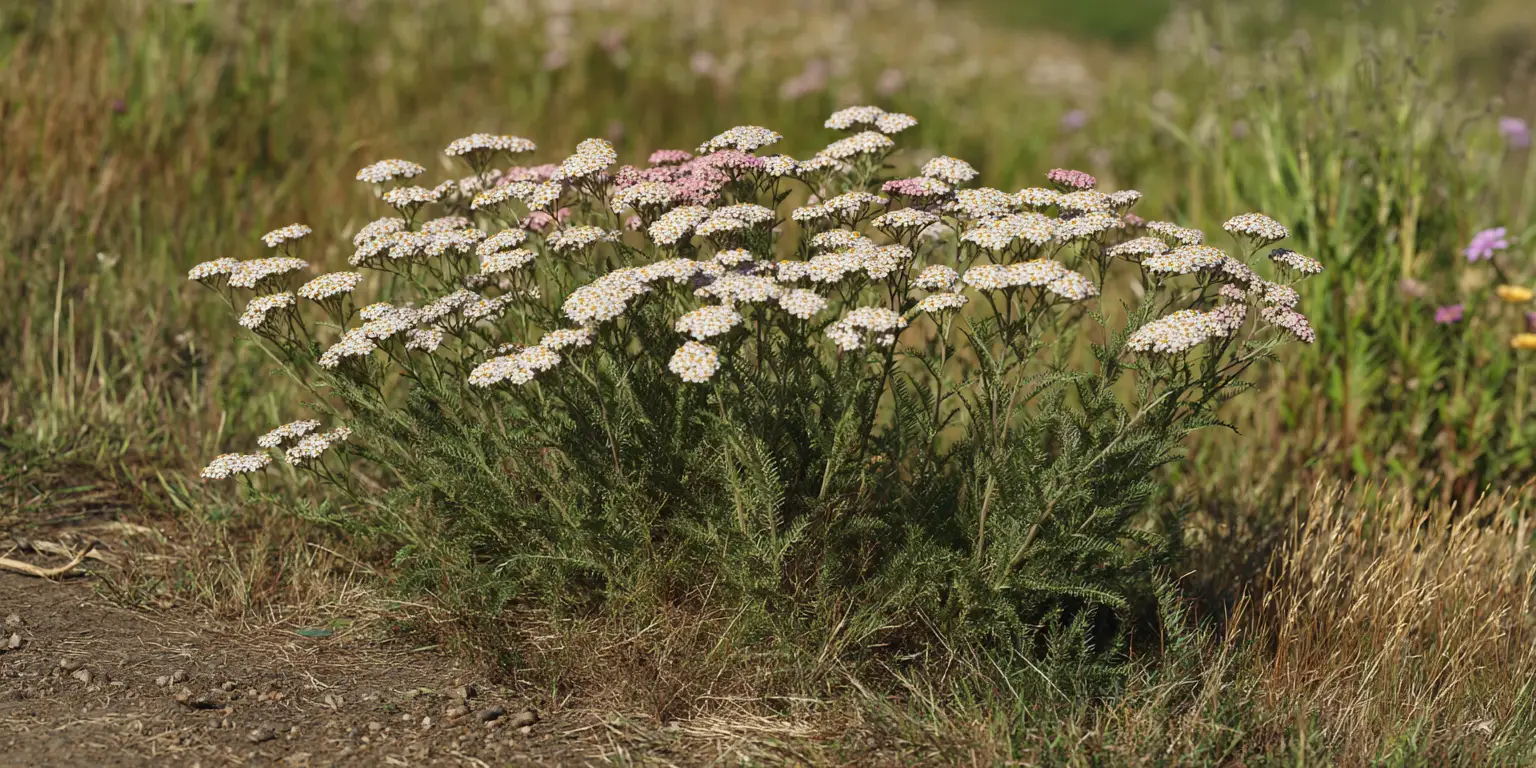
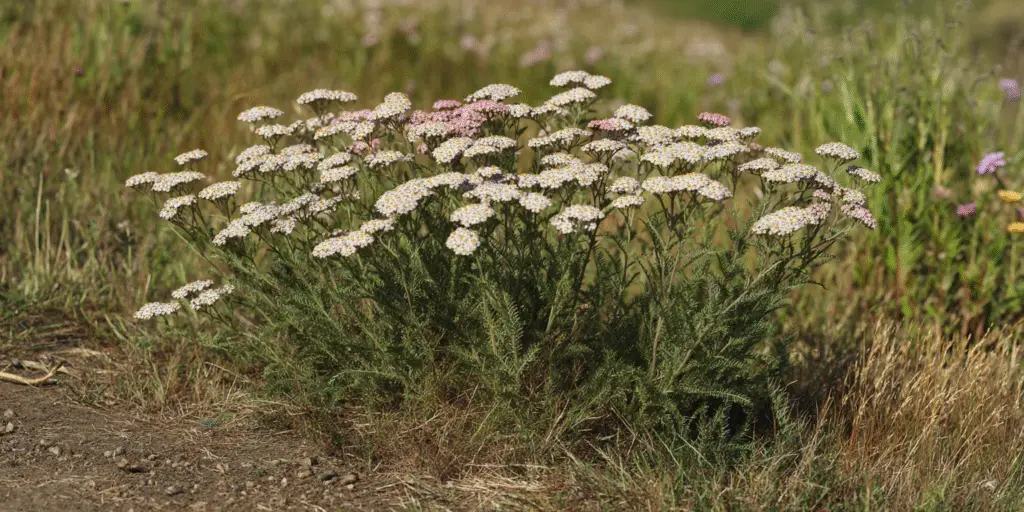
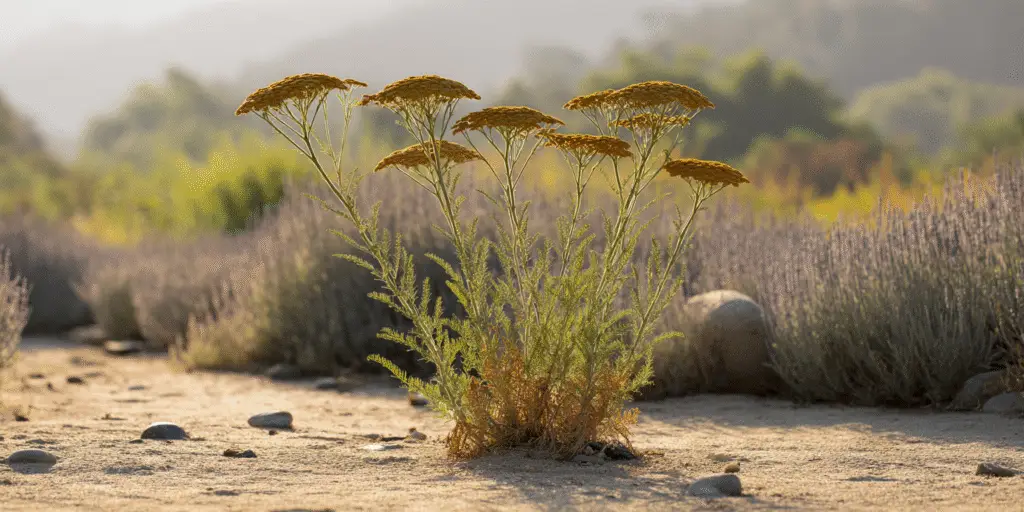
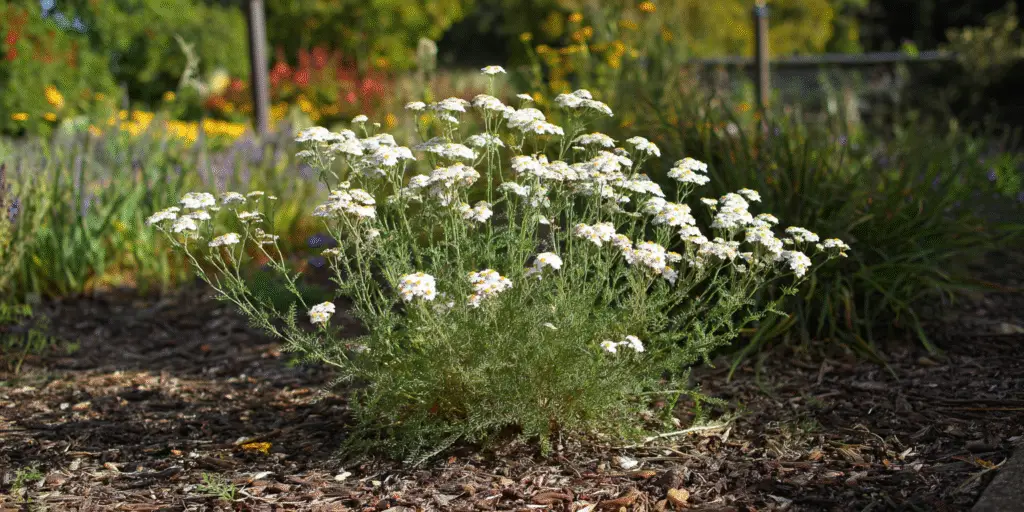
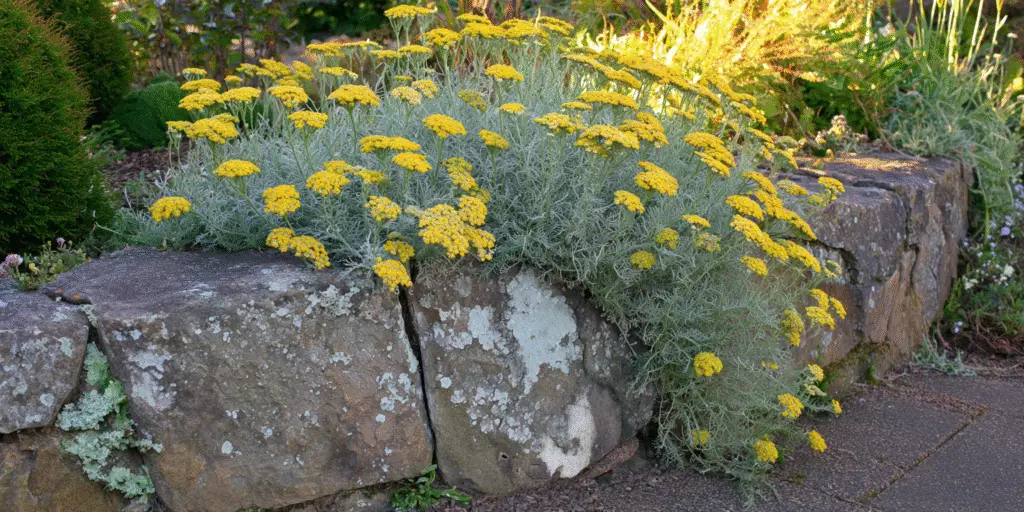
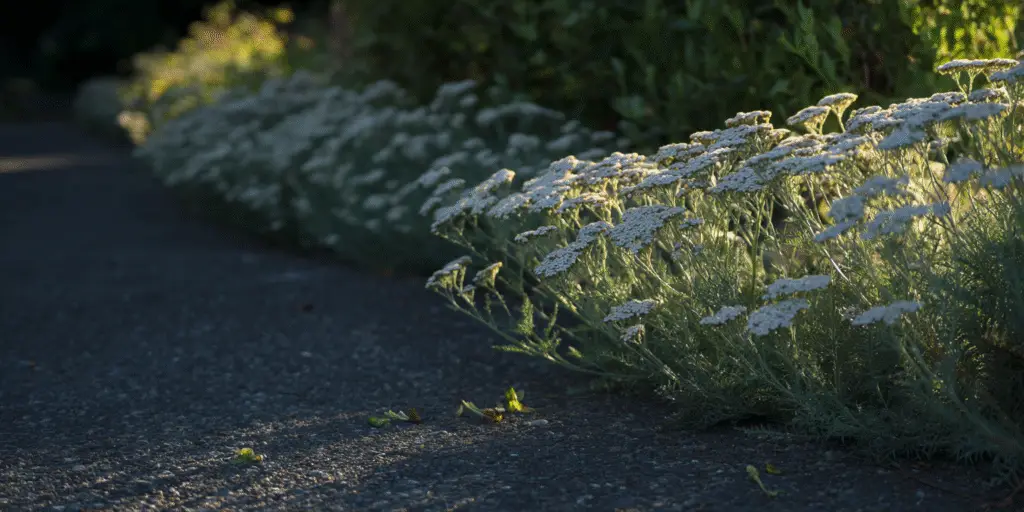
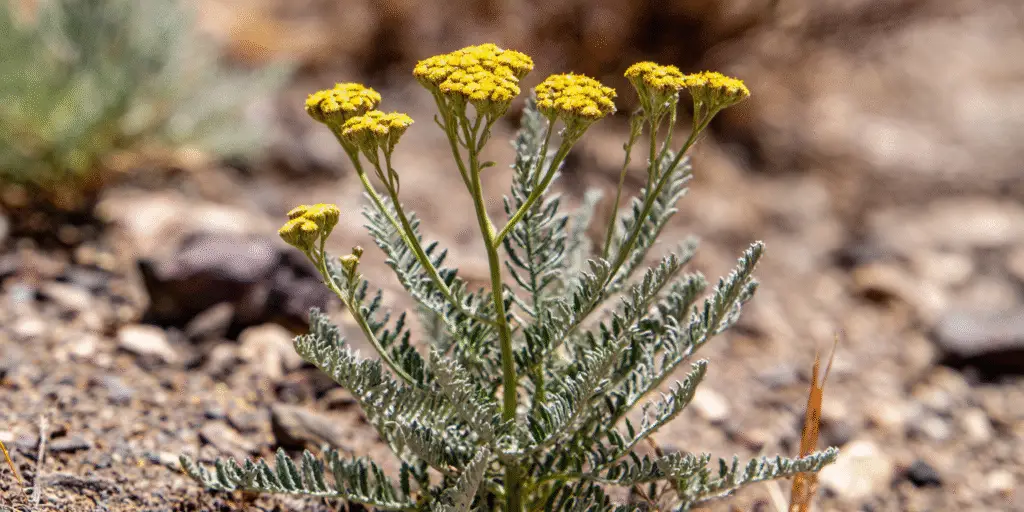
This species is the familiar yarrow used in meadows, borders, and cutting gardens. Plants form rhizomatous clumps with finely dissected foliage and flat flower clusters. It stands out for adaptability in lean, dry to average soils and full sun. Bloom is usually white and continues from early summer into early fall in much of North America. Stems can flop in rich or wet soil and in windy sites. This species can spread by rhizomes and self‑seed in open ground. Choose cultivars if you want stronger stems and defined colors rather than the variable white of the species.
At‑a‑glance
Group/Class: Species; herbaceous perennial
Height × spread: 2 to 3 ft (0.6 to 0.9 m) × 2 to 3 ft (0.6 to 0.9 m)
Bloom window: June to September
Color & flower form: White heads in flat‑topped corymbs
Fragrance: 1 trace
USDA hardiness: zones 3 to 9
Breeder / Year / Origin: unknown, unknown, Eurasia and North America
Cut‑flower notes: Stems are usable fresh and dried; stem strength and vase life vary by selection and conditioning; many trials note good performance in cuts.
Pet safety: avoid
How it differs
Spreads by rhizomes more than many border yarrows
Flowers are typically white rather than the wide color range of hybrids
Can lodge in rich soil or shade
Often more variable in height and habit
Strengths
Tolerates drought once established
Handles lean soils with good drainage
Long summer bloom in full sun
Attractive to pollinators
Care in one minute
Site: full sun with open airflow.
Soil: lean, well‑drained loam or sandy loam; neutral to slightly alkaline.
Water: moderate to low once established; avoid waterlogged spots.
Written by: Your Flowers Guide editorial team We are a small independent group of flower lovers who research and review each guide using trusted horticultural and educational sources. Learn more about us