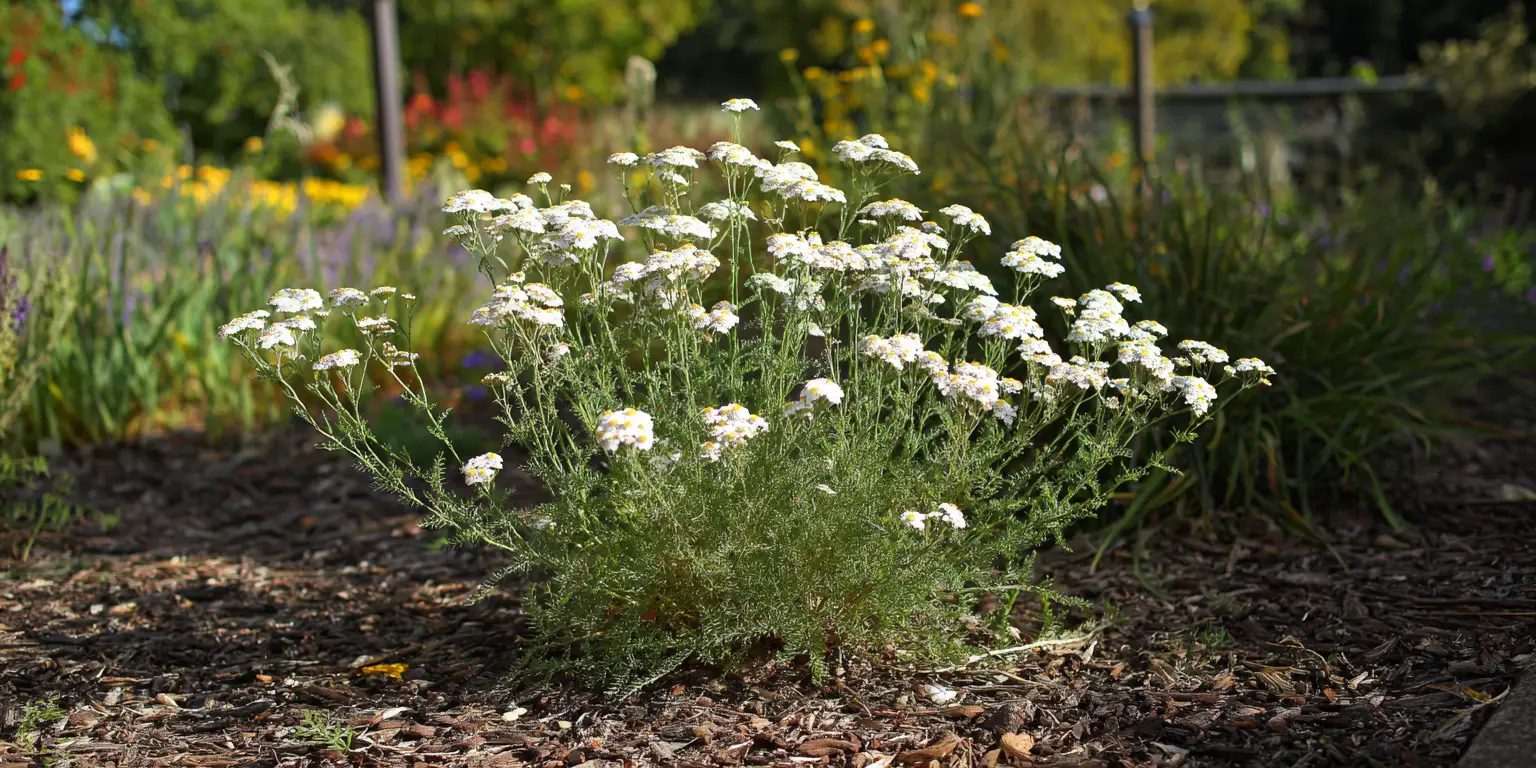
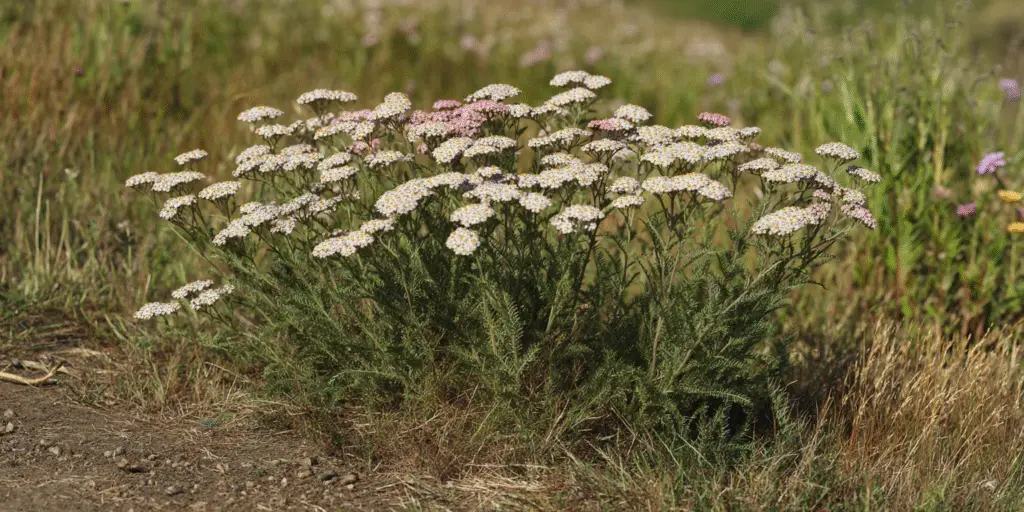
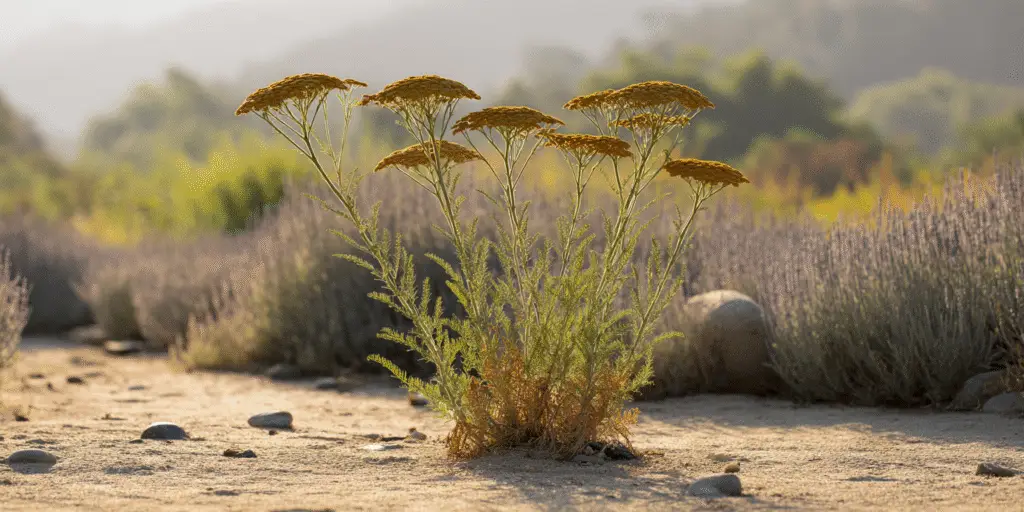
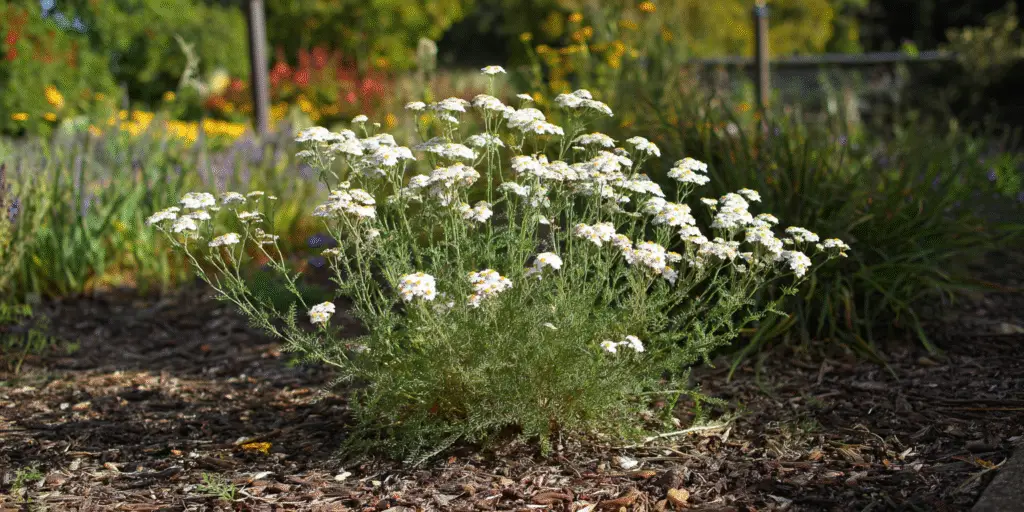
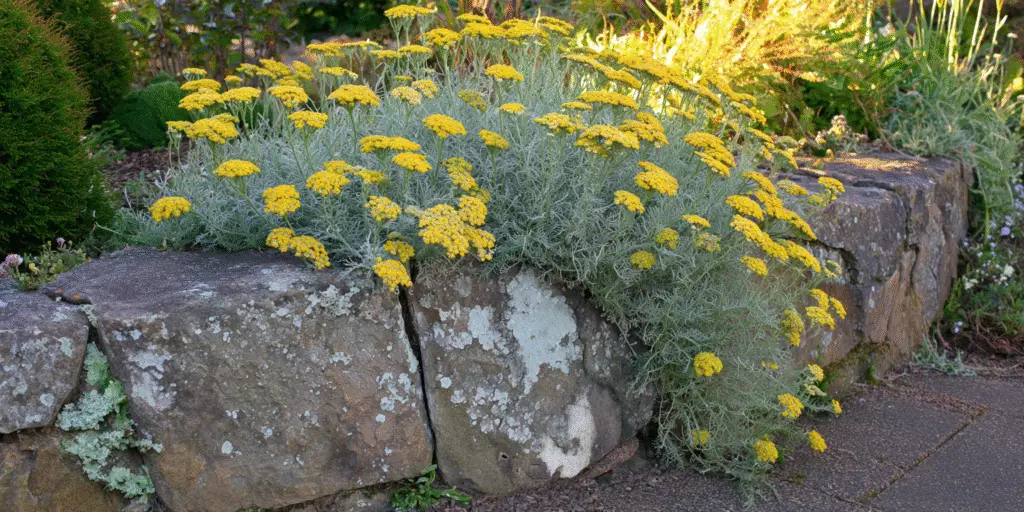
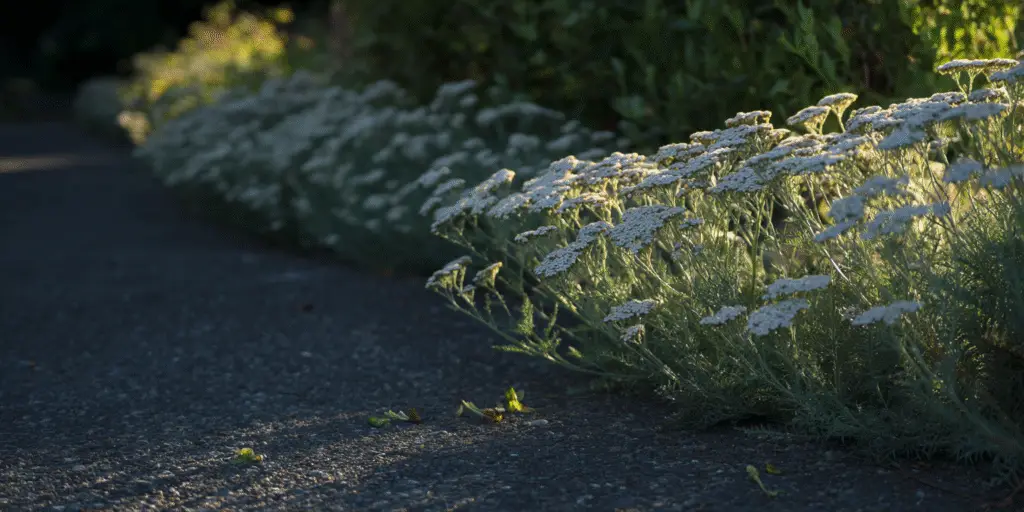
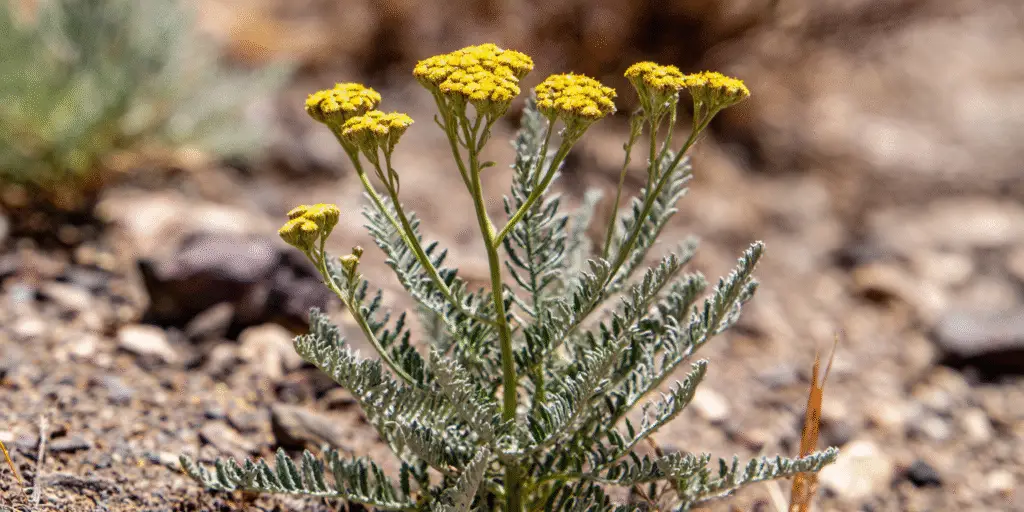
This species forms clumps that slowly spread by short rhizomes. Plants carry loose clusters of small white daisies through much of summer. It stands out because it tolerates slightly moister soil than many yarrows. Stems are shorter than the tall border types and fit mid‑border positions. Double forms in The Pearl Group are common in gardens and for cutting. Provide sun to light shade and average, well‑drained soil for best results.
At‑a‑glance
Group/Class: Species; herbaceous perennial
Height × spread: 18 to 24 in (45 to 60 cm) × 18 to 24 in (45 to 60 cm)
Bloom window: June to September
Color & flower form: White daisies; some forms have double, pompon‑like heads
Fragrance: 1 trace
USDA hardiness: zones 3 to 9
Breeder / Year / Origin: unknown, unknown, Europe and western Asia
Cut‑flower notes: Used fresh or dried; NC State trials of ‘Pearl Reselected’ reported a short vase life around 3 days; harvest fully open for best results.
Pet safety: unknown
How it differs
Prefers slightly more moisture than typical meadow yarrow
White blooms and many double forms rather than flat plates
Lower stature suits mid‑border and small gardens
Tends to spread slowly by rhizomes
Strengths
Long summer bloom in sun
Good for fresh and dried arrangements
Tolerates light shade
Deer resistant
Care in one minute
Site: full sun to light shade.
Soil: average, well‑drained; tolerates slightly moister sites than many yarrows.
Water: regular moisture the first season, then moderate.
Written by: Your Flowers Guide editorial team We are a small independent group of flower lovers who research and review each guide using trusted horticultural and educational sources. Learn more about us