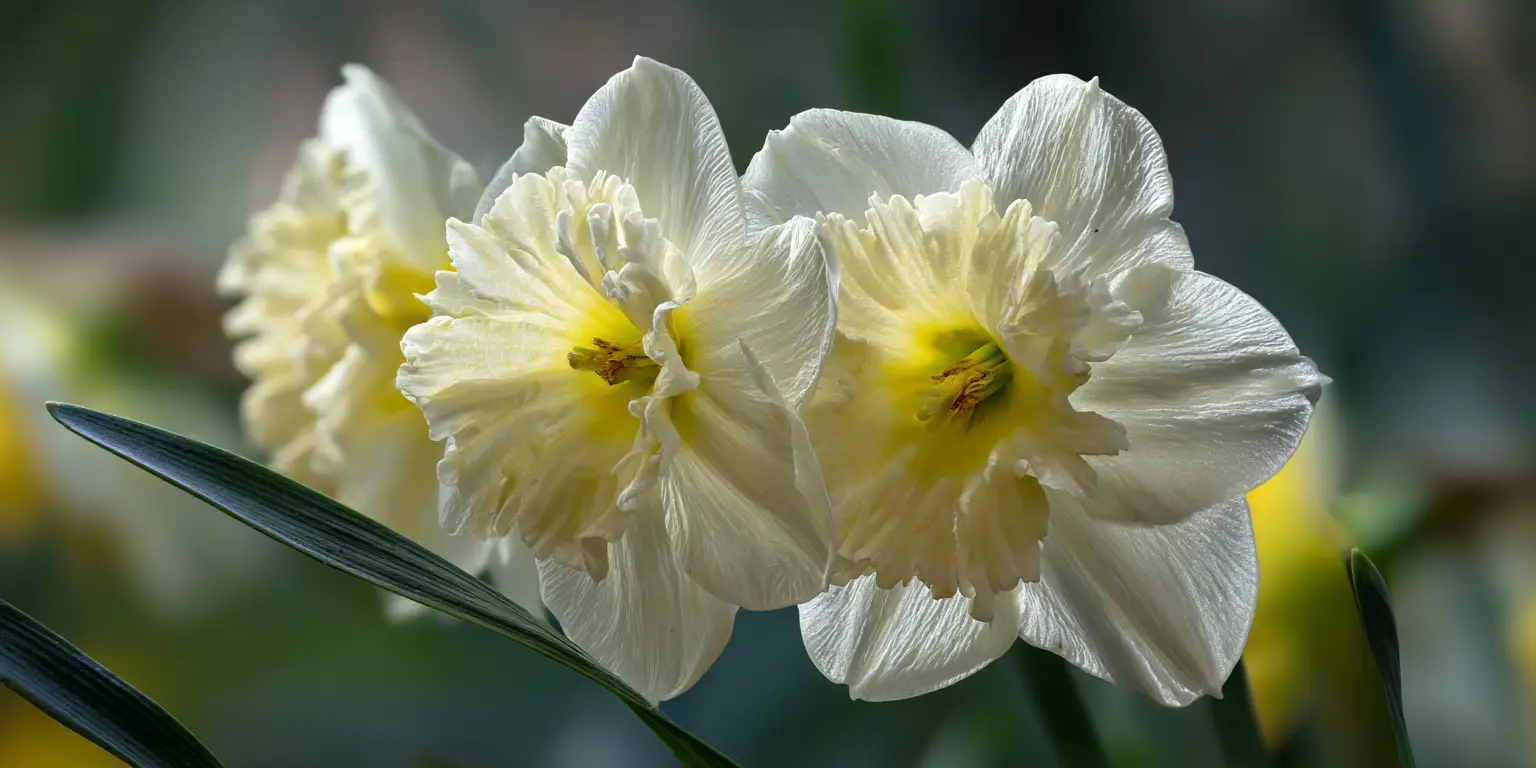
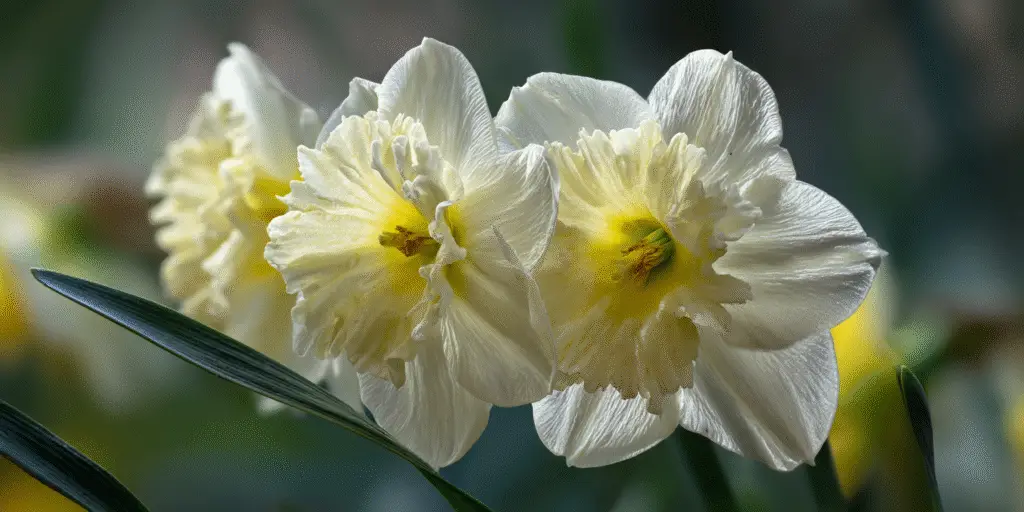
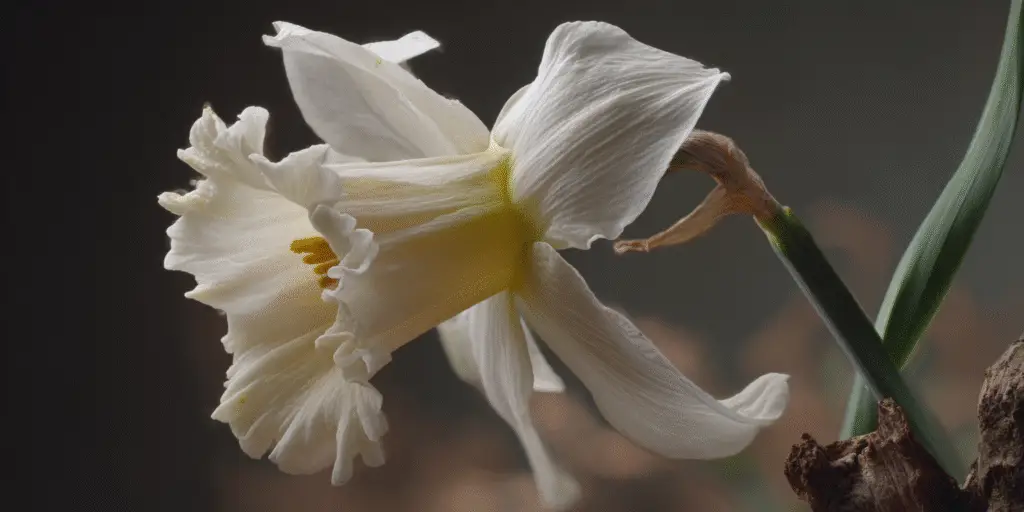
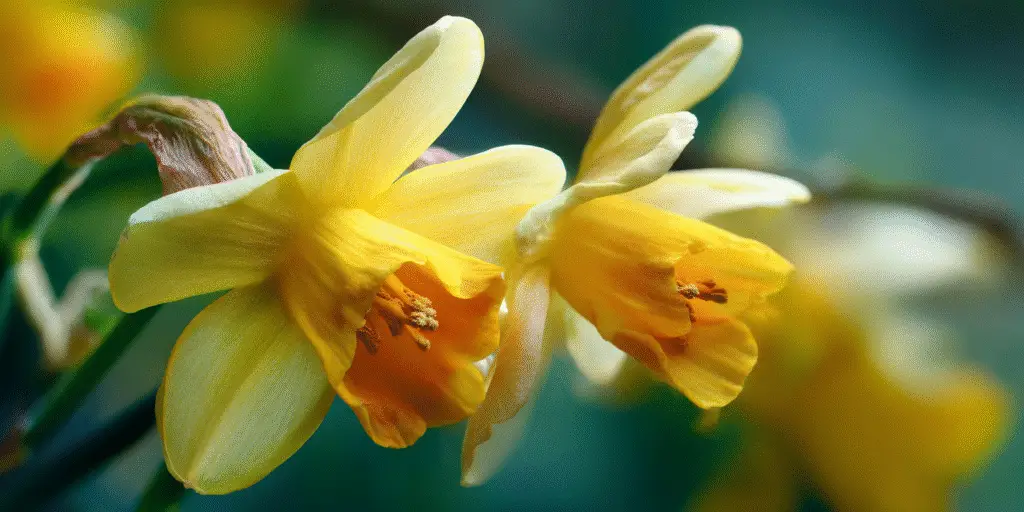
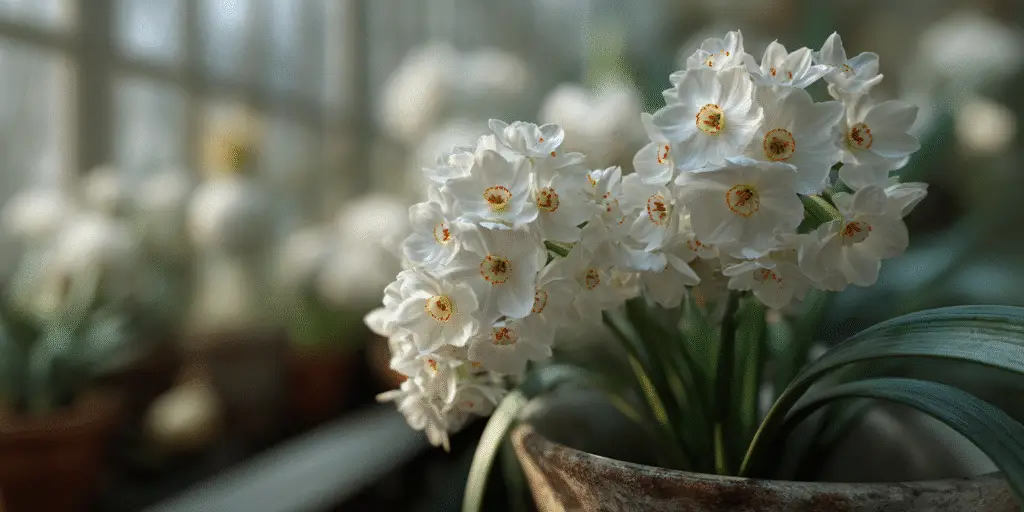
This large‑cupped daffodil is a long‑time landscape standard with a color‑changing cup. Flowers open with a primrose yellow cup that matures to near white against broad creamy perianth segments. It grows well in average garden soils with good drainage and full sun to light shade. Plants are reliable in cold winters and return for many years when foliage is allowed to ripen. This cultivar is widely planted for mass displays and for naturalizing. All parts of Narcissus are toxic if eaten. Choose it for bicolor white effect that softens as the season advances.
At‑a‑glance
Group/Class: Division 2 (Large‑Cupped)
Height × spread: 12–18 in × 6–9 in (30–45 cm × 15–23 cm)
Bloom window: early to mid spring
Color & flower form: creamy white perianth; shallow primrose cup fading to near white; one flower per stem
Fragrance: 1 trace
USDA hardiness: zones 3–8
Breeder / Year / Origin: Konijnenburg & Mark, year unknown, Netherlands
Awards/registration: RHS Award of Garden Merit; ADS Wister Award, 1992
Cut‑flower notes: stems moderate; condition separately; vase life relatively short, varies by handling
Pet safety: avoid
How it differs
Cup fades from yellow to pale, unlike stable yellow trumpets.
One large flower per stem with broad perianth segments.
Tolerates a wide range of soils compared with fussier doubles or split‑coronas.
Strengths
Dependable naturalizer in cold‑winter climates.
Showy bicolor effect for mass plantings.
Widely proven in public gardens and trials.
Care in one minute
Plant bulbs 6–8 in deep (15–20 cm) in full sun to light shade with well‑drained soil.
Water during active growth; do not irrigate in summer dormancy.
Leave foliage to yellow for 6–8 weeks before removal to recharge bulbs.
Feed lightly in fall if soils are poor; avoid overfertilizing.
Divide when flowering declines or bulbs are crowded.
Watch‑outs
Cup color pales in heat and strong sun.
Bulb clumps need division if blooms shrink over years.
Best uses (tags)
borders, naturalizing, mass plantings, cutting
Provenance note
Bred in the Netherlands by Konijnenburg & Mark in the mid‑20th century, this cultivar later earned both RHS AGM and the American Daffodil Society’s Wister Award.
Written by: Your Flowers Guide editorial team We are a small independent group of flower lovers who research and review each guide using trusted horticultural and educational sources. Learn more about us