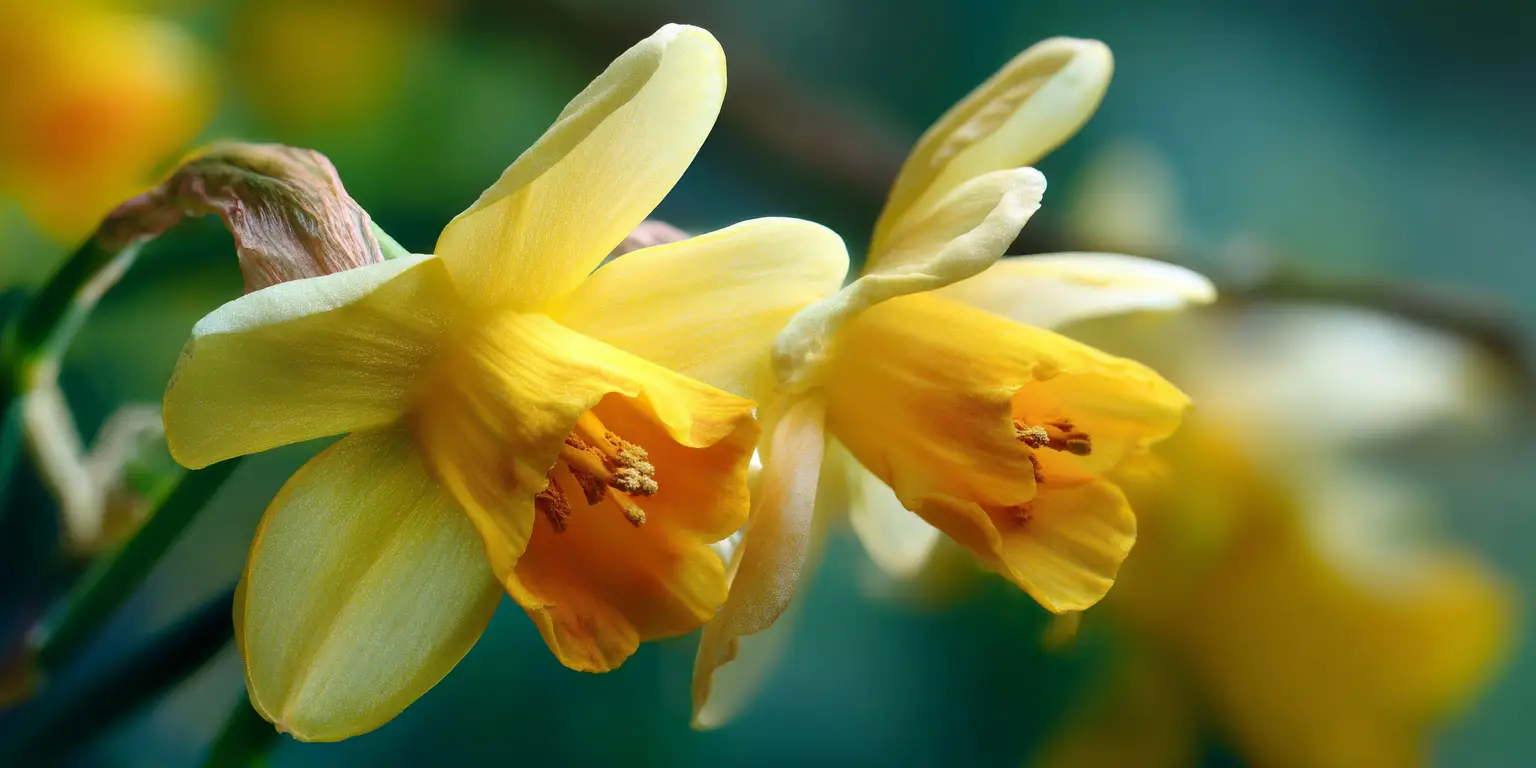
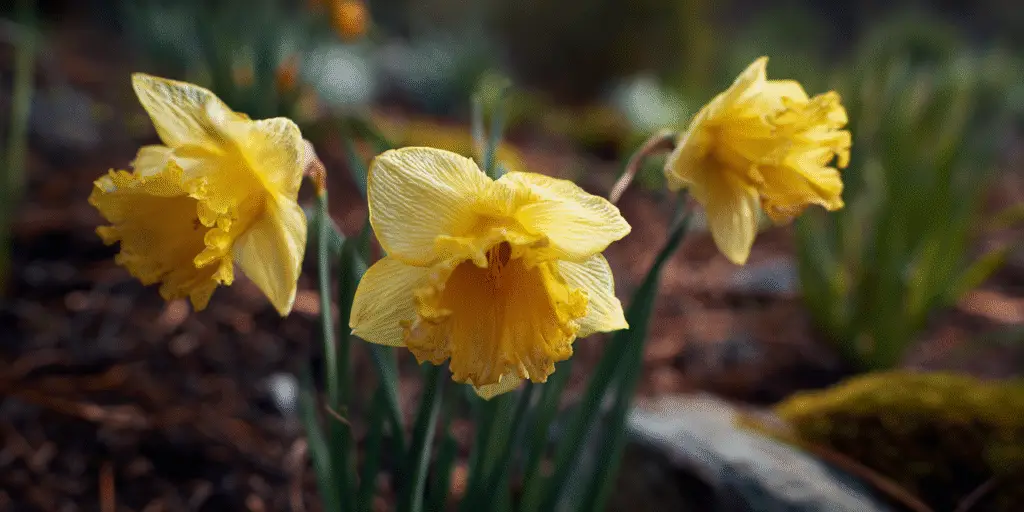
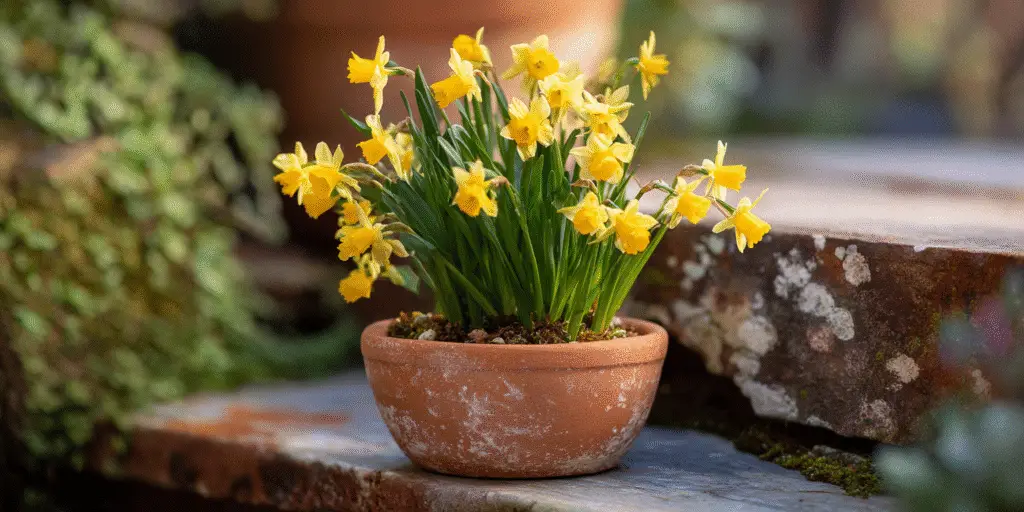
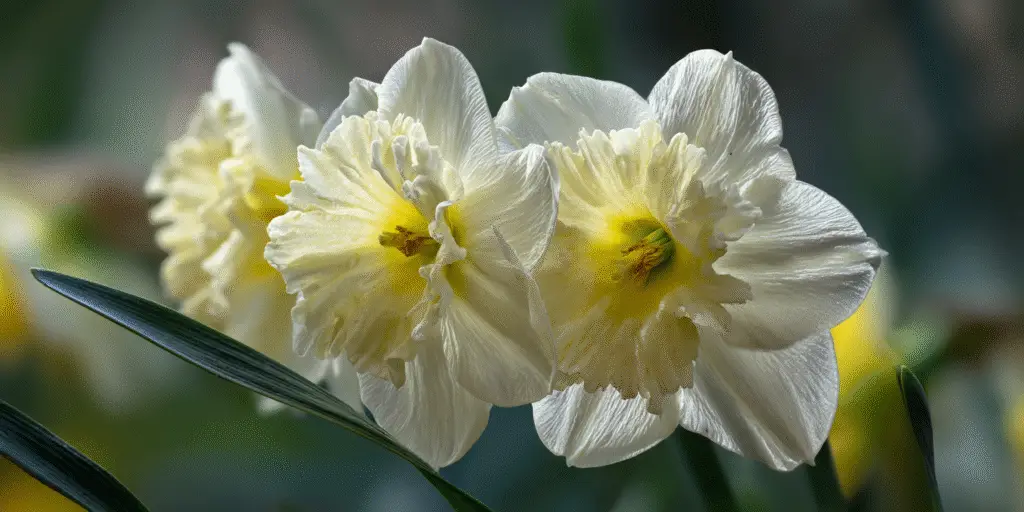
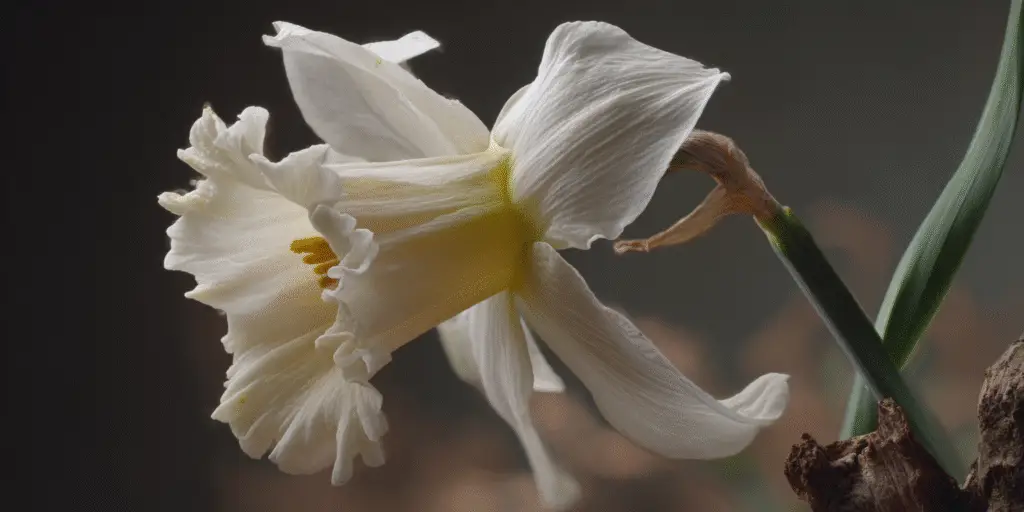
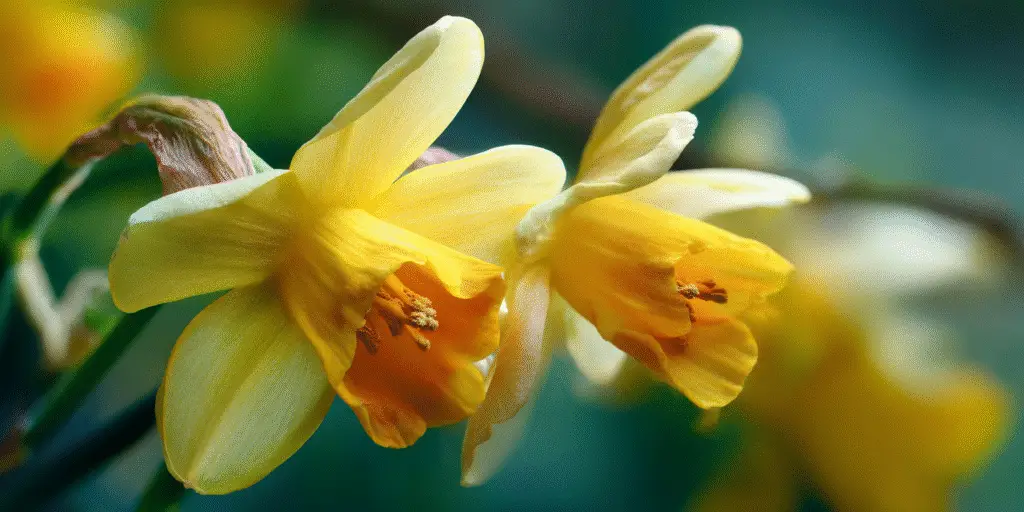
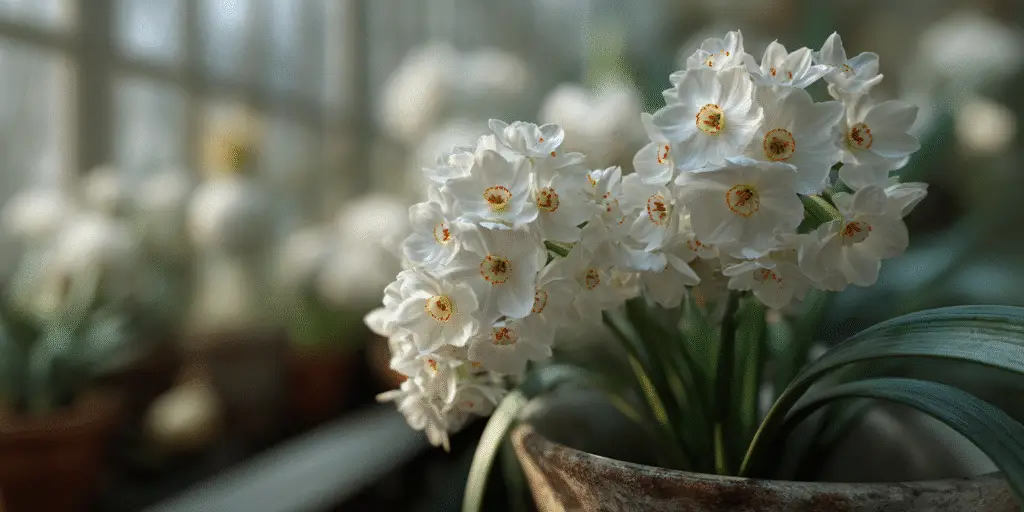
This large‑cupped daffodil is an enduring all‑yellow cultivar used for massing and cutting. Plants carry big flowers on strong stems in early to mid spring. It grows in full sun to light shade and prefers well‑drained soils. This cultivar adapts to a range of garden conditions and returns reliably where foliage can ripen. Fragrance is noticeable on warm days. All parts of Narcissus are toxic if eaten. Plant it for high‑visibility drifts and classic daffodil color.
At‑a‑glance
Group/Class: Division 2 (Large‑Cupped)
Height × spread: 18–24 in × 12–18 in (45–60 cm × 30–45 cm)
Bloom window: early to mid spring
Color & flower form: two‑tone to golden yellow perianth and large cup; one flower per stem
Fragrance: 2 noticeable
USDA hardiness: zones 3–8
Breeder / Year / Origin: Percival D. Williams, 1927, England
Awards/registration: Missouri Botanical Garden Plant of Merit
Cut‑flower notes: stems strong; condition separately; vase life relatively short, varies by handling
Pet safety: avoid
How it differs
Large‑cupped form versus trumpet types on the pillar page.
Noticeable fragrance compared with many daffodils.
Vigorous clump former for naturalizing.
Strengths
Proven workhorse for mass plantings.
Dependable perennial return with basic care.
Good stem strength for cutting.
Care in one minute
Plant bulbs 6–8 in deep (15–20 cm) in sunny, well‑drained sites.
Water during spring growth; avoid summer irrigation in dormant periods.
Let foliage mature for 6–8 weeks after bloom before removal.
Top‑dress with a balanced bulb fertilizer in fall if needed.
Divide congested clumps every few years to maintain bloom size.
Watch‑outs
Blooms can be damaged by late hard freezes.
Declines in waterlogged sites; ensure drainage.
Best uses (tags)
borders, mass plantings, naturalizing, cutting
Provenance note
Raised by Cornish breeder Percival D. Williams and introduced in 1927. Long used in public landscapes and listed as a Plant of Merit by Missouri Botanical Garden.
Written by: Your Flowers Guide editorial team We are a small independent group of flower lovers who research and review each guide using trusted horticultural and educational sources. Learn more about us