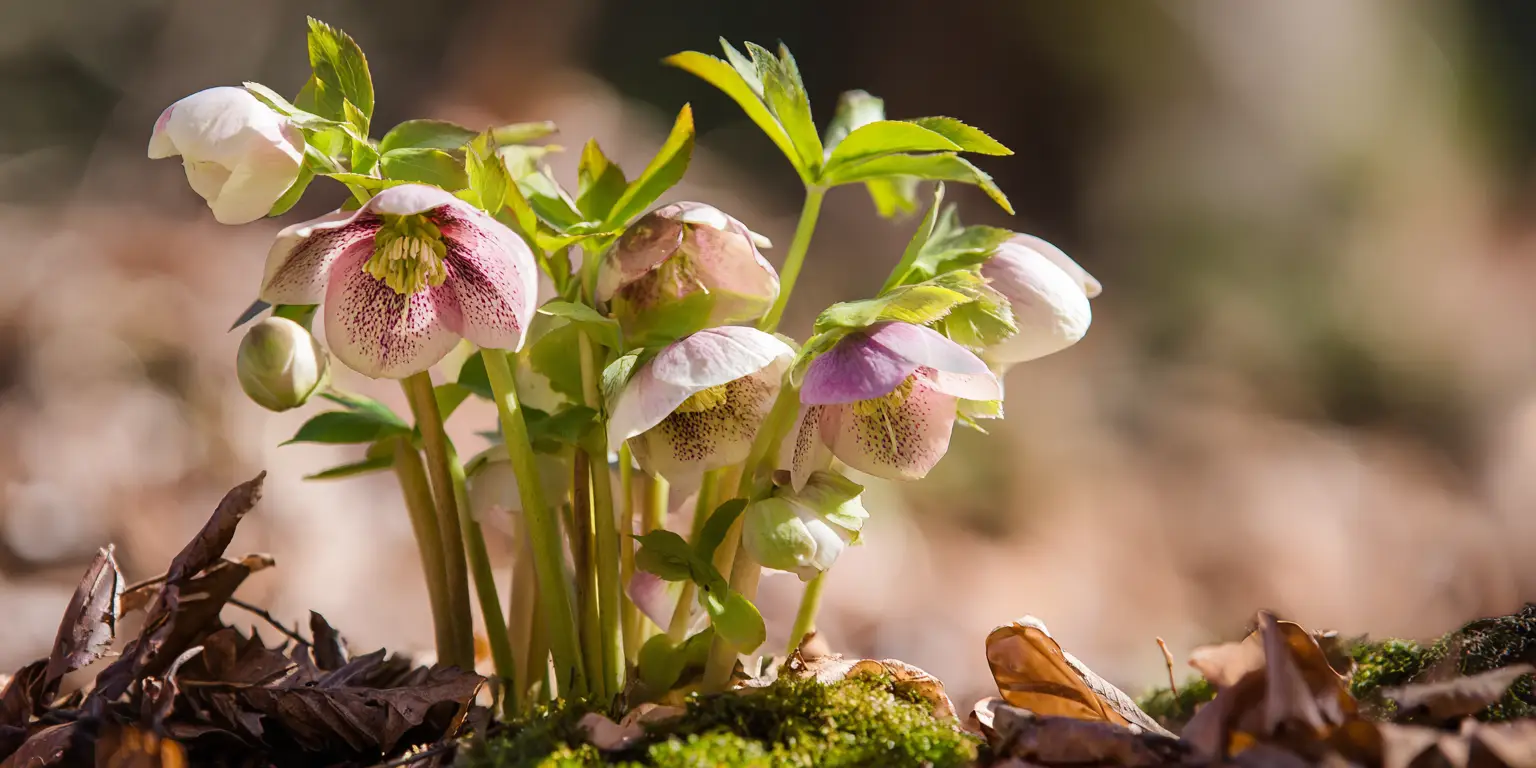
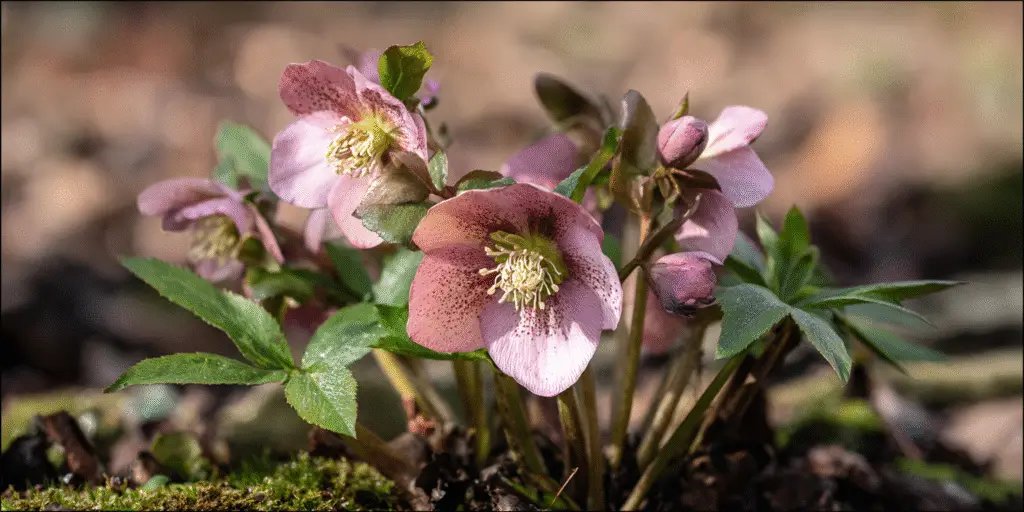
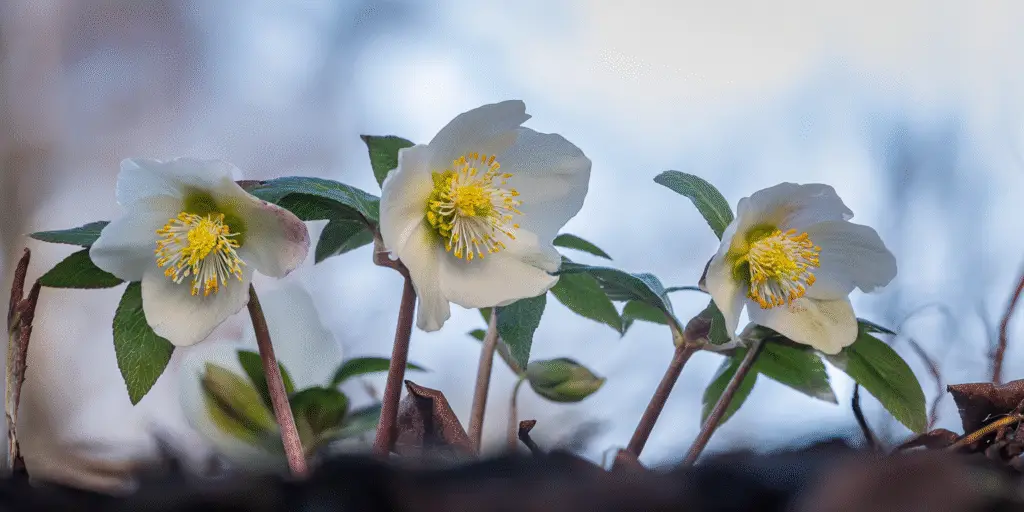
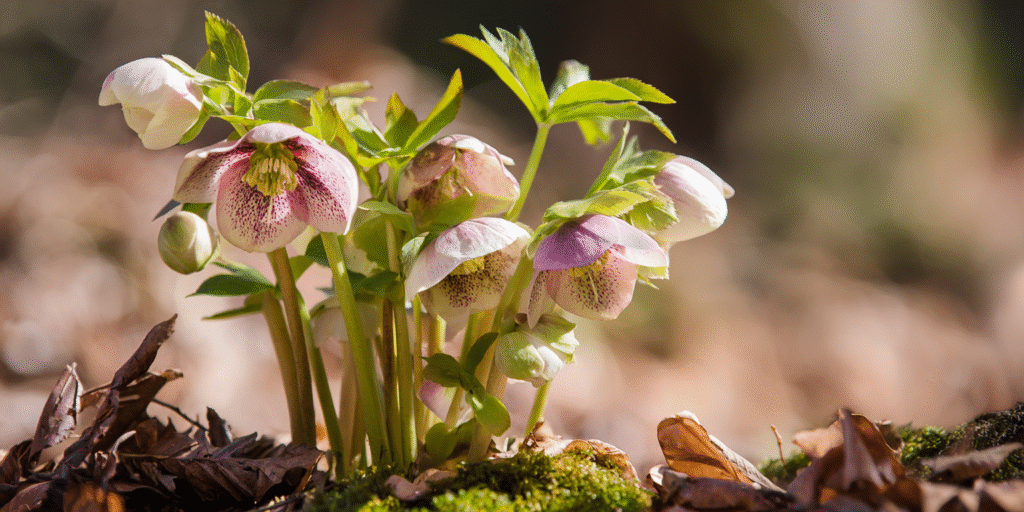
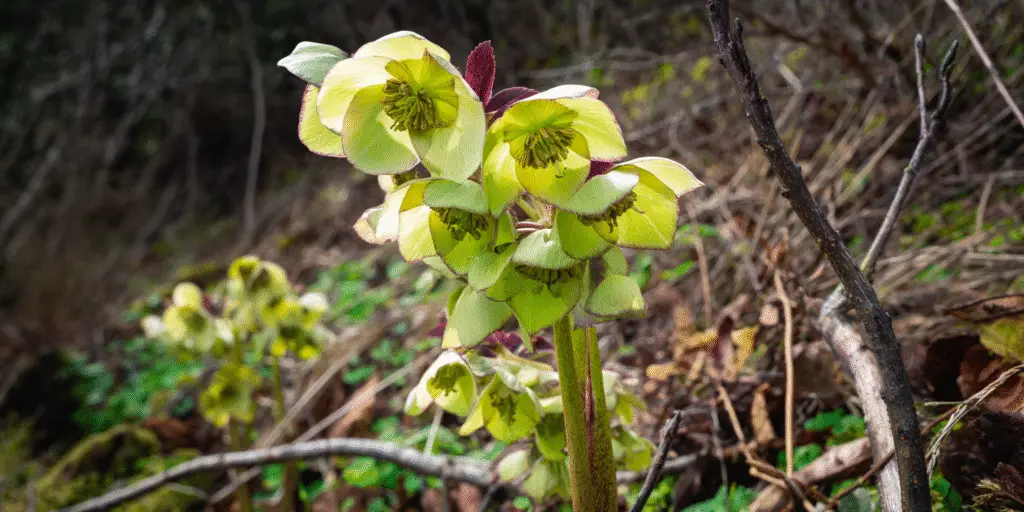
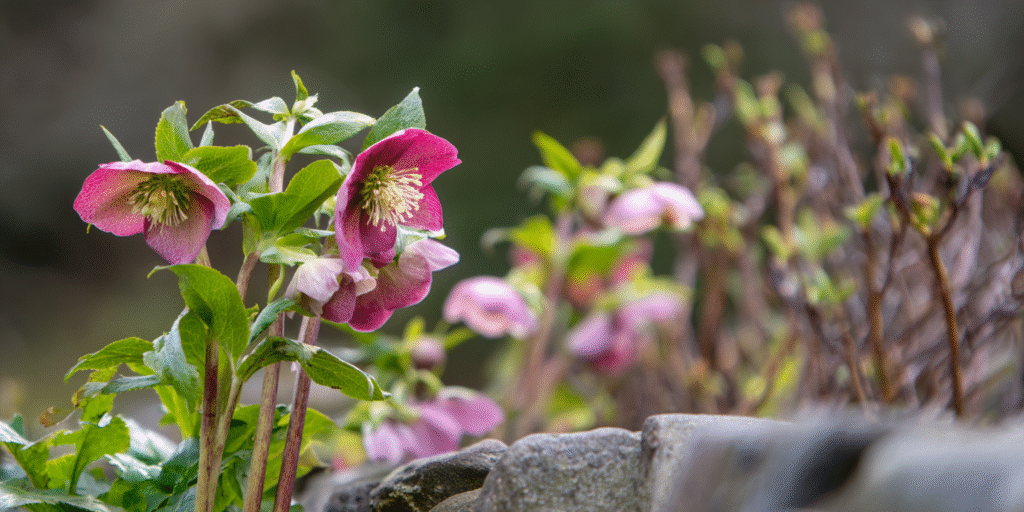
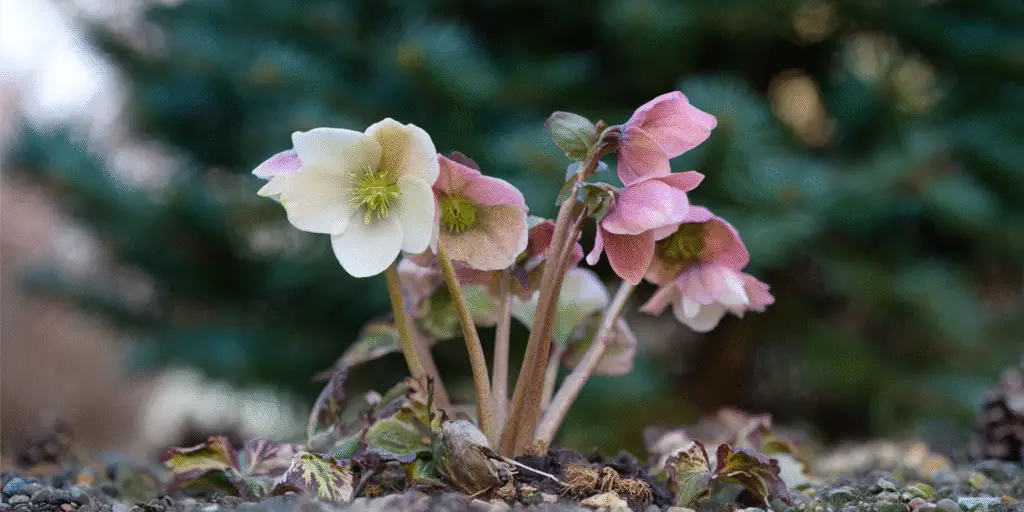
This southeastern European species is a parent of many modern Lenten roses. Plants form clumps with leathery leaves and late winter flowers. It shows good vigor and adaptability in many North American gardens. It performs best in partial shade and evenly moist, well drained soil. Flower colors range from cream to pink to green depending on form. Seedlings may vary because natural variation is common in this species.
At‑a‑glance
Group/Class: Species
Height × spread: 12 to 18 in (30 to 45 cm) × 12 to 18 in (30 to 45 cm)
Bloom window: February to April
Color & flower form: Single bowls in cream to pink to green with occasional spotting
Fragrance: 0 none
USDA hardiness: zones 4 to 9
Breeder / Year / Origin: unknown
Cut‑flower notes: Useful for cutting when flowers have shed stamens; condition well for better life
Pet safety: avoid
How it differs
Later to bloom than Helleborus niger but earlier than many spring perennials.
Less color range than the hybrid group on the pillar page.
Species seedlings may naturalize more readily than named hybrids.
Strengths
Cold hardy in much of the northern United States.
Tolerates deer browsing according to garden trials.
Long lived clumps that need little division.
Care in one minute
Choose partial shade with winter sun and summer shade.
Plant in humus rich soil with neutral to alkaline pH and good drainage.
Water to keep soil evenly moist in the first year.
Mulch in fall and remove old leaves before flowers open.
Leave clumps undisturbed for best performance.
Watch‑outs
Can self sow into nearby beds if spent flowers are not removed.
Prone to hellebore leaf spot in damp springs.
Leaves can scorch in hot afternoon sun.
Best uses (tags)
woodland, borders, shade tolerant, pollinators, early season
Provenance note
Native to Greece, Turkey, and the Caucasus. It has long been used in breeding programs that produced Helleborus × hybridus seed strains.
Written by: Your Flowers Guide editorial team We are a small independent group of flower lovers who research and review each guide using trusted horticultural and educational sources. Learn more about us