returns in
184
days
Bloom calendar
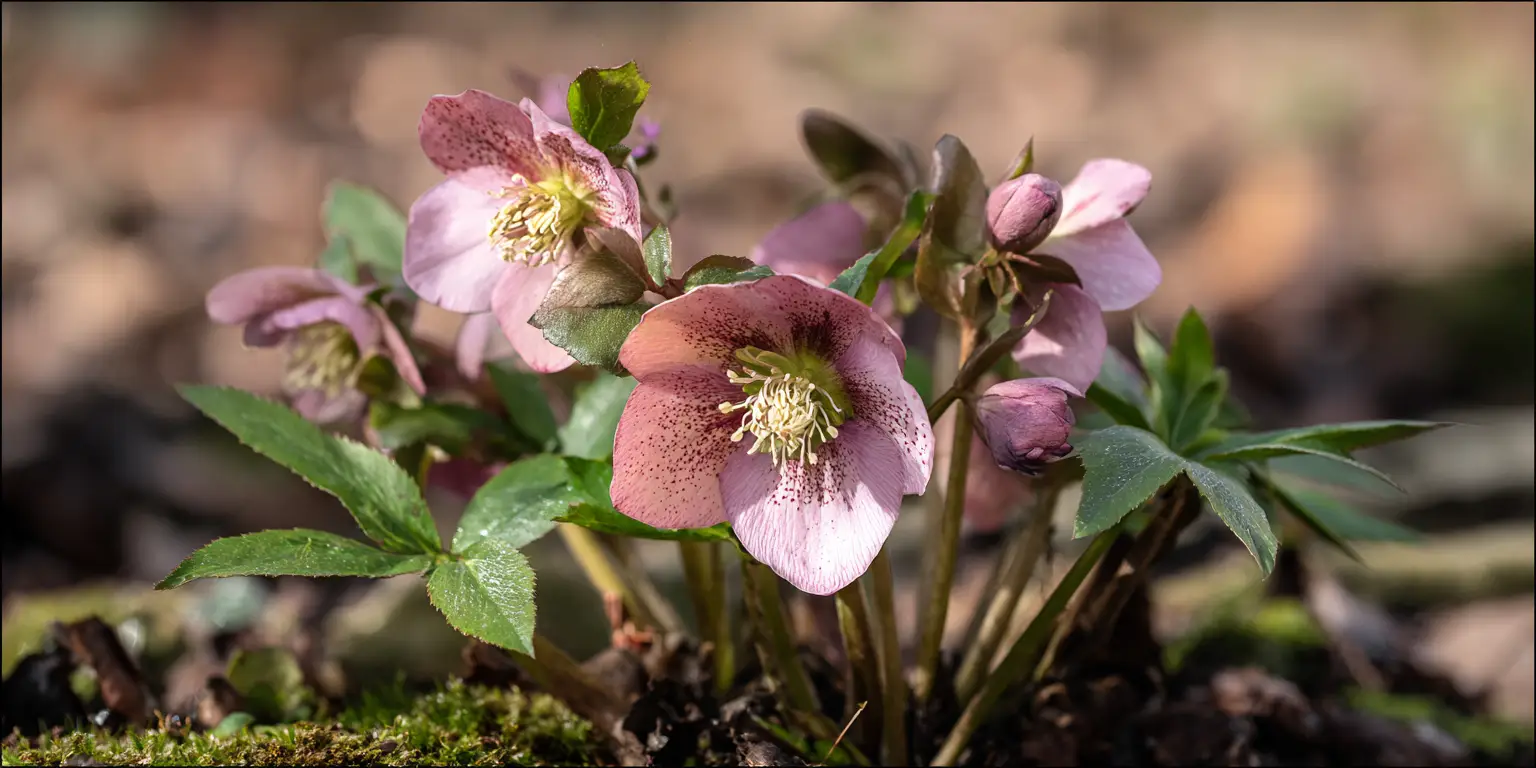
Helleborus × hybridus
Hybrid Lenten rose group
At‑a‑glance
- Group/Class: Hybrid Lenten rose group
- Height × spread: 18 to 24 in (45 to 60 cm) × 18 to 30 in (45 to 75 cm)
- Bloom window: February to April
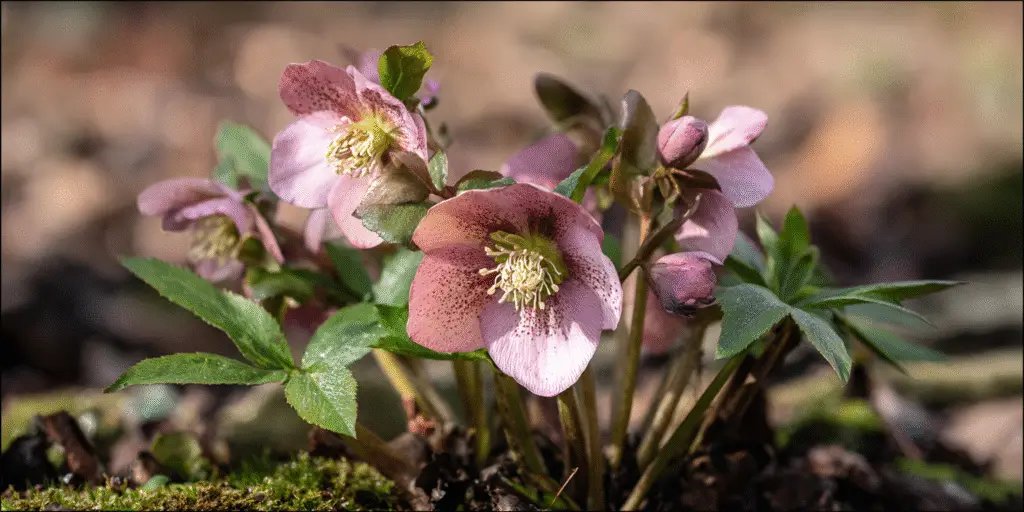
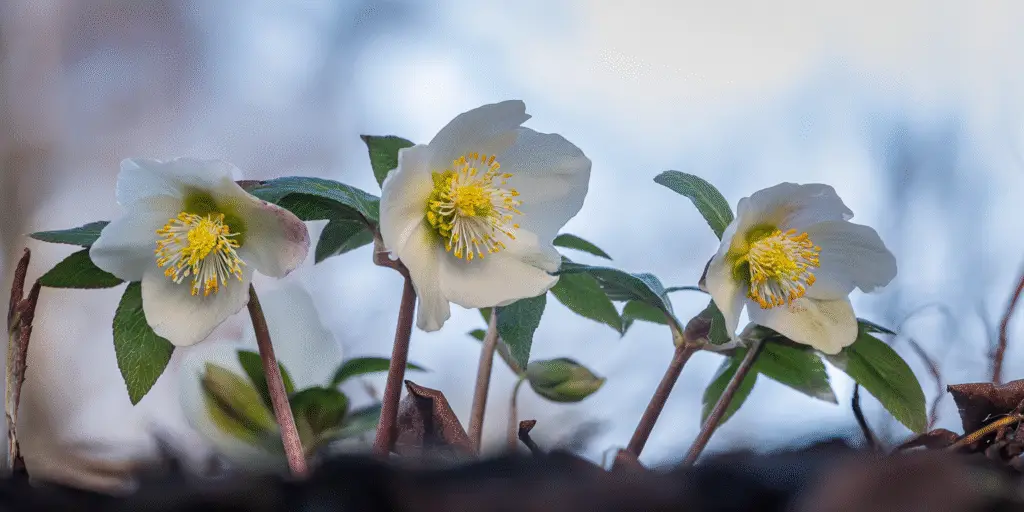
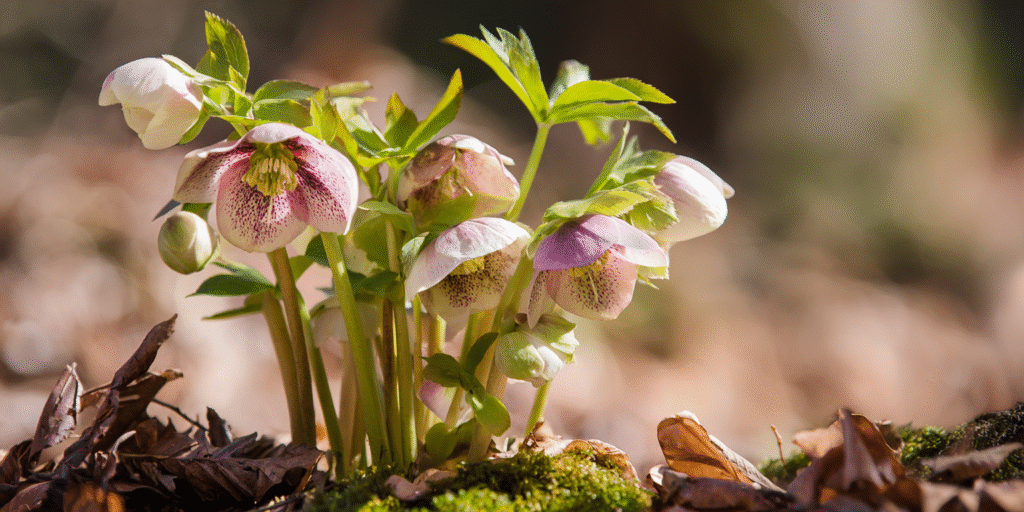
- Color & flower form: Single or double bowl shaped in white to yellow to pink to purple with spotting common
- Fragrance: 0 none
- USDA hardiness: zones 4 to 9
- Breeder / Year / Origin: unknown
- Cut‑flower notes: Stems hold best when flowers are mature and sepals feel firm; listed as good cut by several botanic sources
- Pet safety: avoid
How it differs
- Wider color and flower form range than a typical hellebore.
- More self sowing than many species in the genus.
- Often more cold tolerant than species from Mediterranean climates.
Strengths
- Evergreen foliage in many climates.
- Early season bloom for winter interest.
- Deer browsing is uncommon in trials and lists.
- Clumps thrive when left undisturbed.
Care in one minute
Site in partial shade with protection from winter wind.
Plant in humus rich soil with neutral to alkaline pH and sharp drainage.
Water regularly the first season then during dry spells.
Mulch in late fall and cut away tattered leaves as buds emerge.
Do not divide unless necessary; plants resent disturbance.
Watch‑outs
- Needs well drained soil to avoid crown rot.
- Seedlings vary from parent color and may crowd nearby plants.
- Can develop hellebore leaf spot in wet springs.
Best uses (tags)
Provenance note
This group arose from complex hybridization within the genus. Modern seed strains and tissue cultured selections broaden color and form.
References
- North Carolina Extension Gardener Plant Toolbox: Helleborus × hybridus
- Royal Horticultural Society plant profile: Helleborus × hybridus
- RHS advice: Hellebore leaf spot
Similar Flowers
Enjoying our flower guides? Add YourFlowersGuide as a preferred source on Google. It helps more readers find us.
Add to Preferred Sources