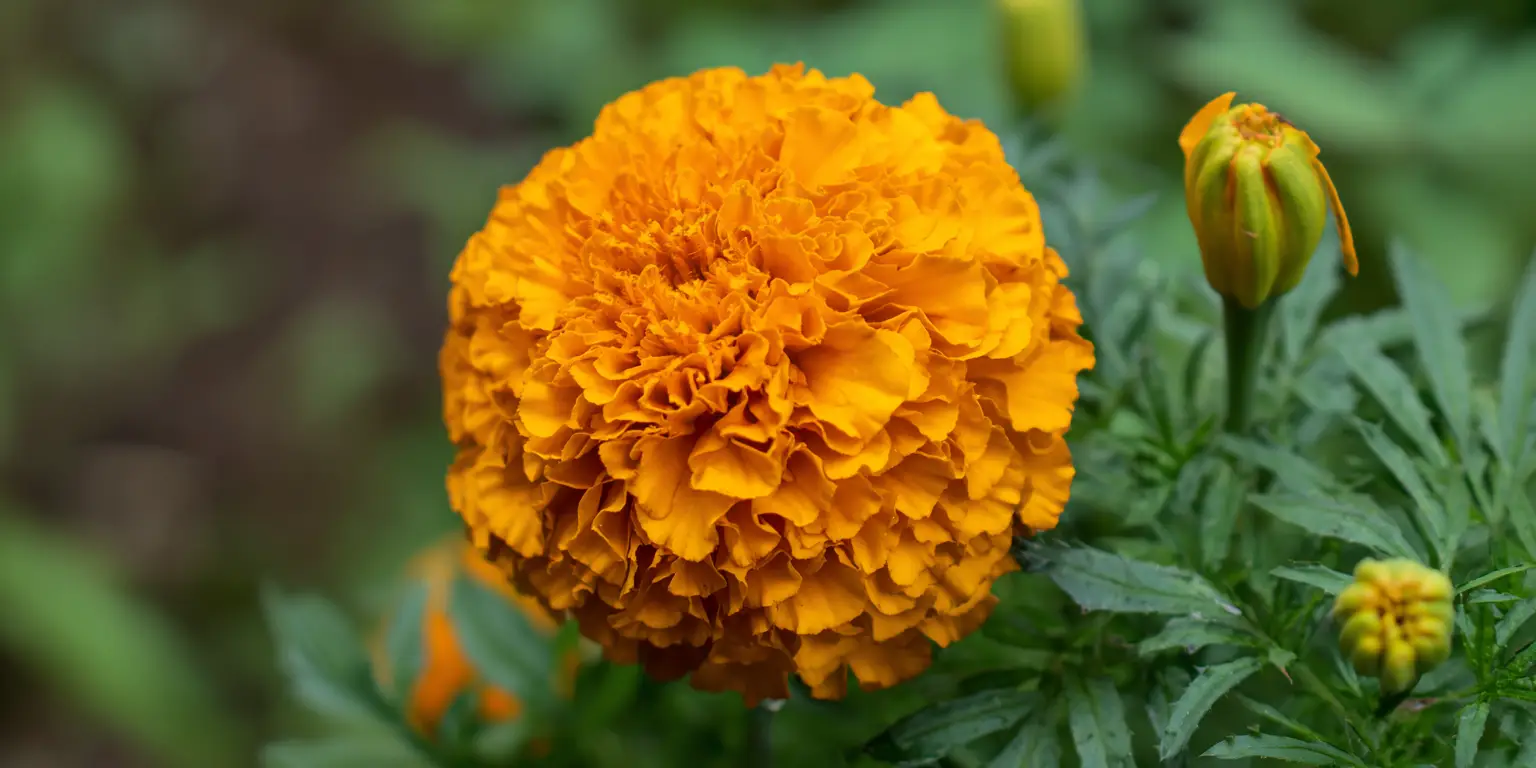
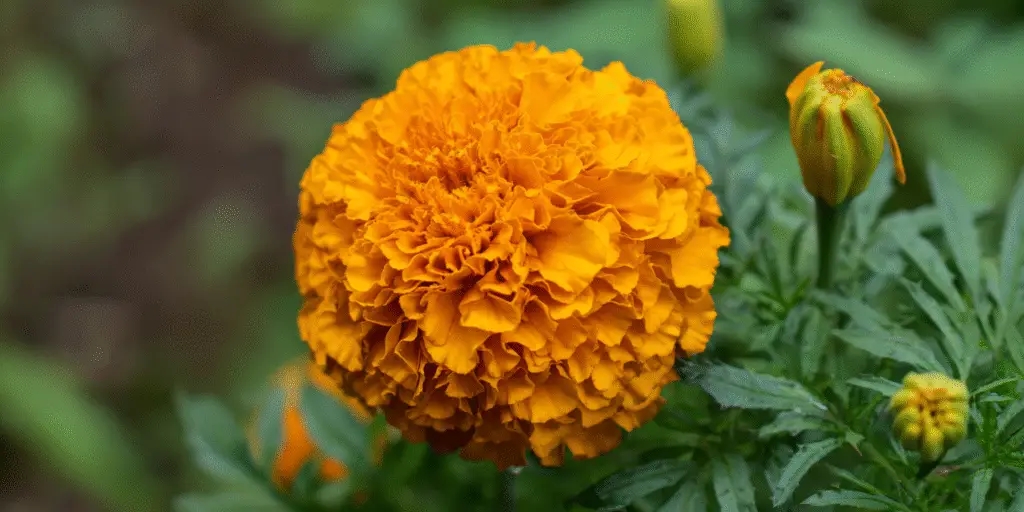
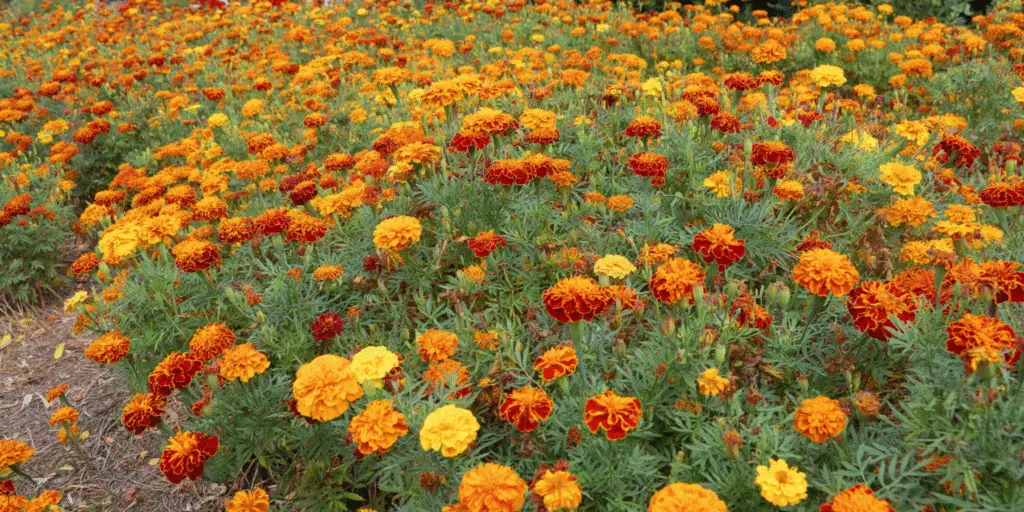
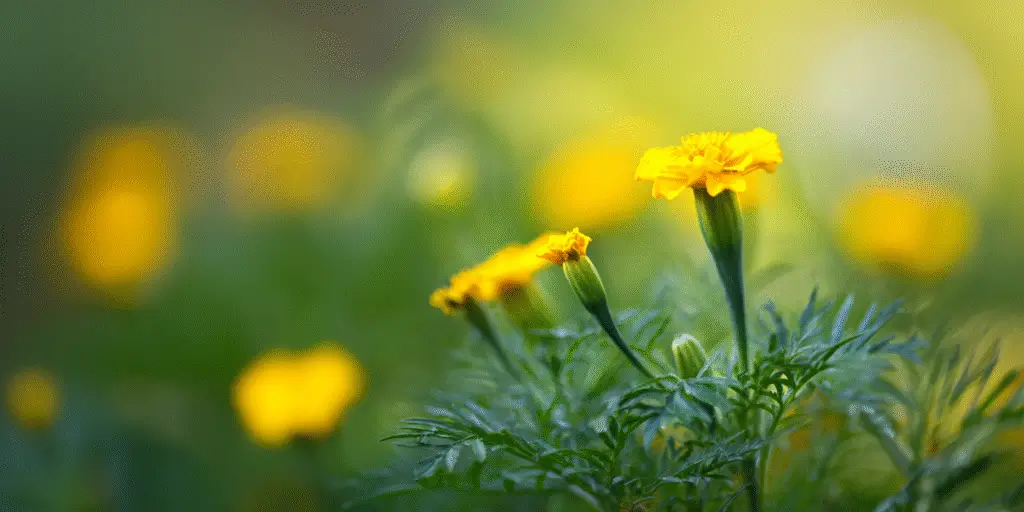
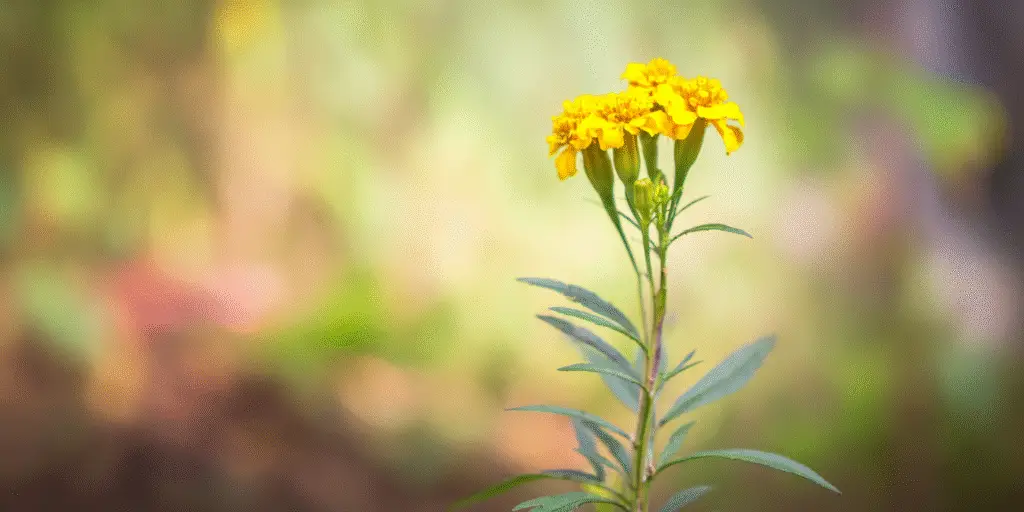
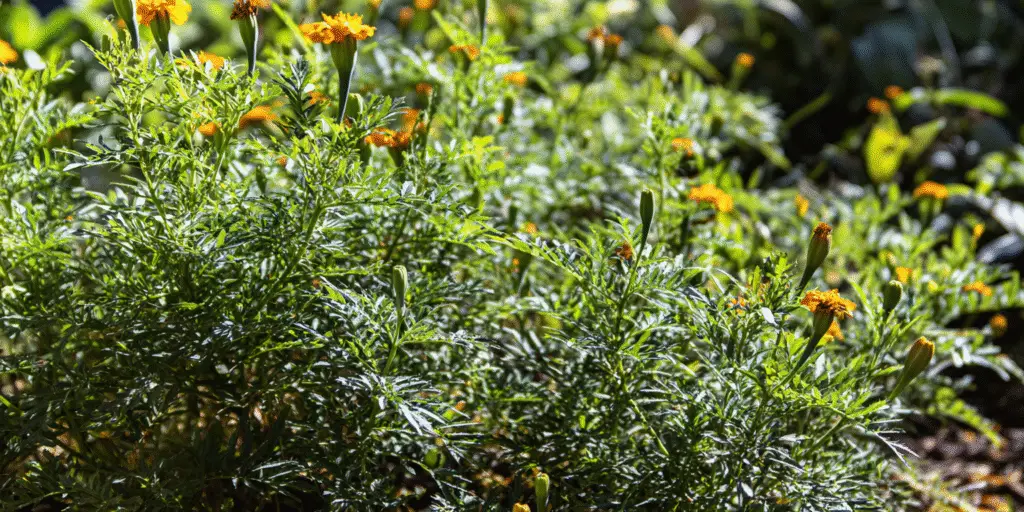
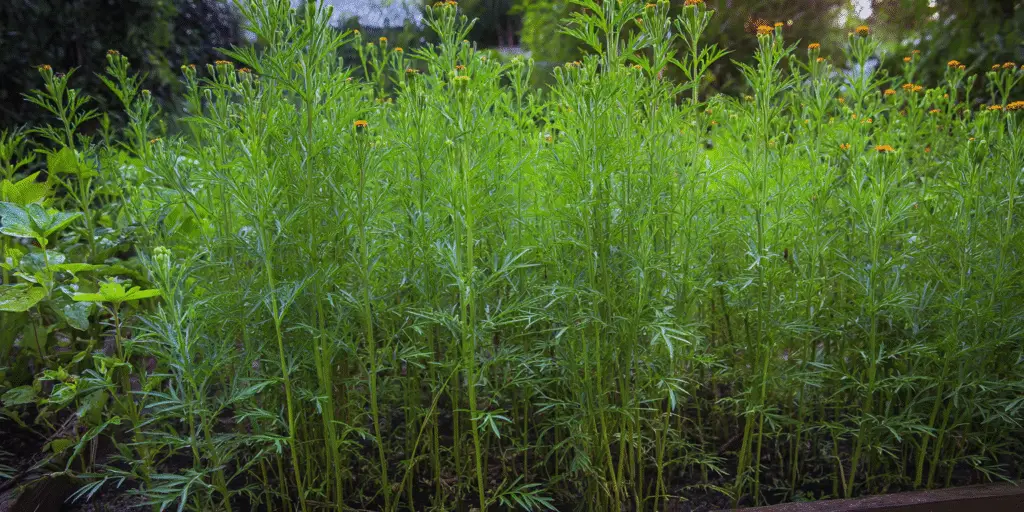
Tagetes erecta is the African or American marigold, a warm‑season annual native to Mexico and Central America. It stands out for very large, mostly double, globular blooms that hold color from early summer to frost. Plants grow best in full sun and average, well‑drained soil with steady moisture. Tall selections are wind sensitive because the heavy flowerheads can stress stems. Pinch once, then deadhead to maintain continuous bloom and a tidy mound. Across North America it is grown as an annual. Sturdy stems and durable heads make reliable cuts, with a typical vase life of 7-14 days when conditioned.
At‑a‑glance
Group/Class: African marigold (species)
Height × spread: 1-4 ft × 1-2 ft (30-120 cm × 30-60 cm)
Bloom window: June to frost
Color & flower form: Yellow to orange to creamy white; mostly double, globular 2-4 in
Fragrance: 2 noticeable
USDA hardiness: grown as annual in most of North America
Breeder / Year / Origin: Linnaeus, 1753, Mexico to Central America
Cut‑flower notes: Sturdy stems; typical vase life 7-14 days when conditioned cool
Pet safety: avoid
How it differs
Taller stature and the largest flowerheads in the marigold group.
Fuller, more spherical double blooms than French or signet marigolds.
Better suited to cutting than compact bedding types.
Tall stems may need shelter or light support in exposed sites.
Strengths
Long summer bloom to frost with regular deadheading.
Handles heat when soil moisture is steady.
Useful stems for cut work; commonly reported 1-2 week vase life.
Deer tolerant in many landscapes.
Care in one minute
Site in full sun with well‑drained soil; neutral to slightly acidic pH is fine.
Plant after last frost; water deeply once or twice a week in heat.
Feed lightly at planting; avoid high nitrogen that reduces bloom.
Pinch young plants once; deadhead spent heads; stake tall rows if windy.
No overwintering outdoors in cold zones.
Watch‑outs
Botrytis and powdery mildew can spot flowers and foliage in cool, wet weather.
Spider mites and thrips may appear in hot, dry spells.
Heavy flowerheads can snap stems in wind or heavy rain.
Written by: Your Flowers Guide editorial team We are a small independent group of flower lovers who research and review each guide using trusted horticultural and educational sources. Learn more about us