
in bloom
now
through Oct
Bloom calendar
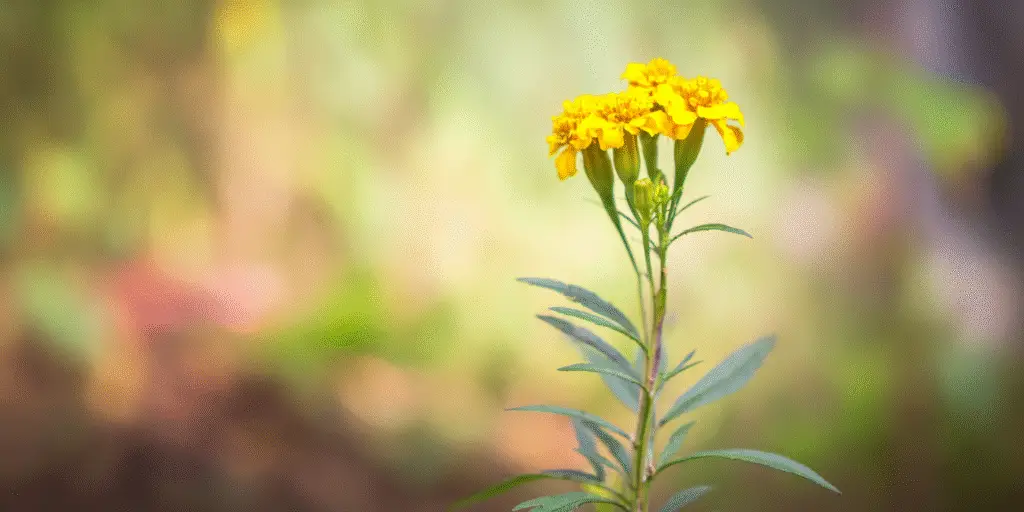
Tagetes lemmonii
Shrub marigold (species) · A. Gray, 1883, southern Arizona and northern Mexico
At‑a‑glance
- Group/Class: Shrub marigold (species)
- Height × spread: 3-4 ft × 4-6 ft (0.9-1.2 m × 1.2-1.8 m)
- Bloom window: late fall to winter; into spring in frost‑free zones
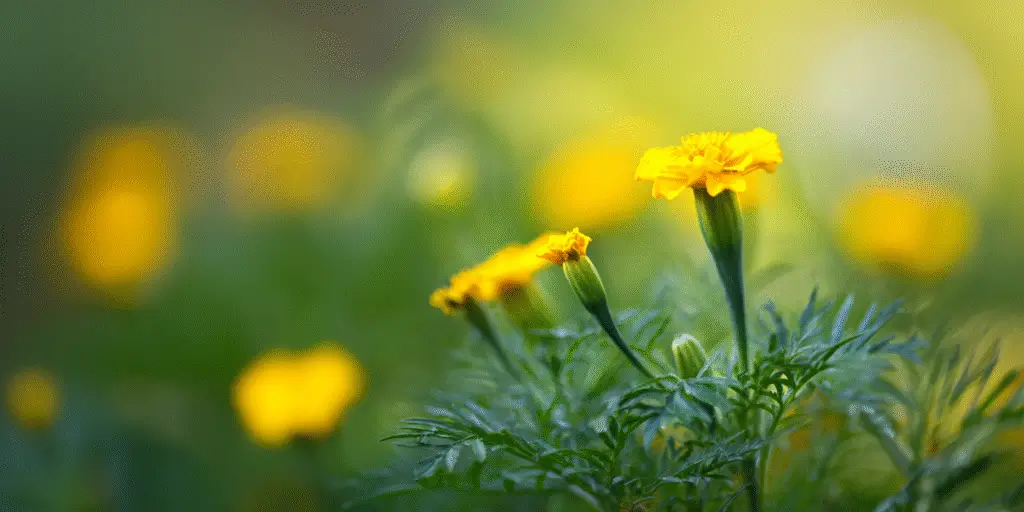
- Color & flower form: Golden yellow; small single daisies about 2 in
- Fragrance: 3 strong
- USDA hardiness: zones 8-9; grown as annual or die‑back perennial elsewhere
- Breeder / Year / Origin: A. Gray, 1883, southern Arizona and northern Mexico
- Pet safety: avoid
How it differs
- Woody, shrubby habit rather than an herbaceous annual.
- Blooms in the short‑day season instead of midsummer.
- Tolerates poor, alkaline soils and prolonged heat.
- Foliage fragrance is stronger than most marigolds.
Strengths
- Long bloom in mild winters extends garden color.
- Very heat and drought tolerant after establishment.
- Often deer resistant.
- Recovers quickly after light frost.
Care in one minute
Full sun and very well‑drained soil; avoid overwatering.
Water to establish; then infrequent deep irrigation.
Do not overfertilize; excessive nitrogen reduces bloom.
Shear or hard prune in late winter to shape and renew.
Mulch lightly in zones 8-9 after frost.
Watch‑outs
- Tender to hard frost; top growth may die below about 25°F.
- Can sprawl without periodic pruning.
- Scent is intense and may overwhelm tight spaces.
Best uses (tags)
Provenance note
Named by Asa Gray in 1883 from material collected in Arizona; native to the Sonoran region of the U.S. and Mexico.
References
- Clemson University HGIC – Lemmon’s marigold (Zones 8-9)
- UC Master Gardeners (UCCE Butte) – Mexican Bush Marigold
- Lady Bird Johnson Wildflower Center – Tagetes lemmonii
- UC ANR – Tagetes spp. plant safely note
Similar Flowers
Enjoying our flower guides? Add YourFlowersGuide as a preferred source on Google. It helps more readers find us.
Add to Preferred Sources