
in bloom
now
through Oct
Bloom calendar
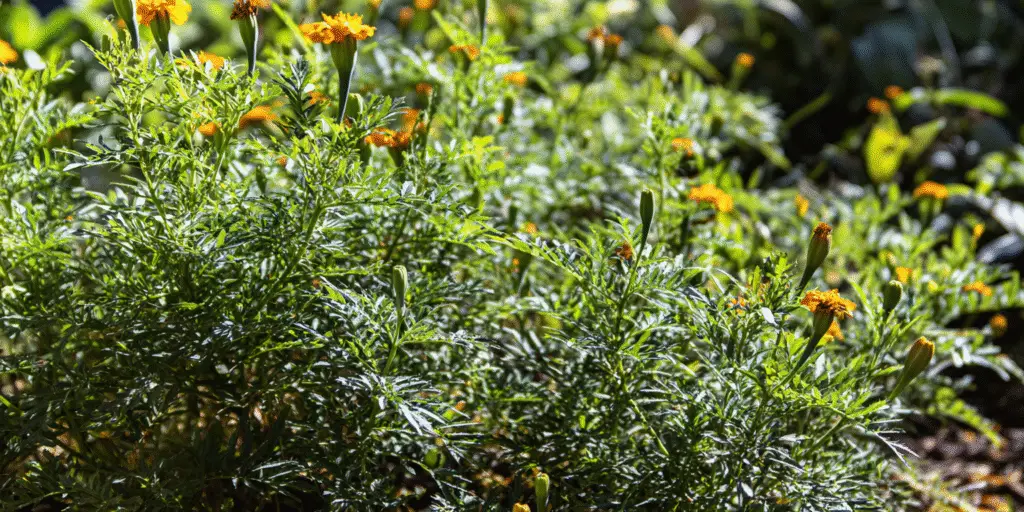
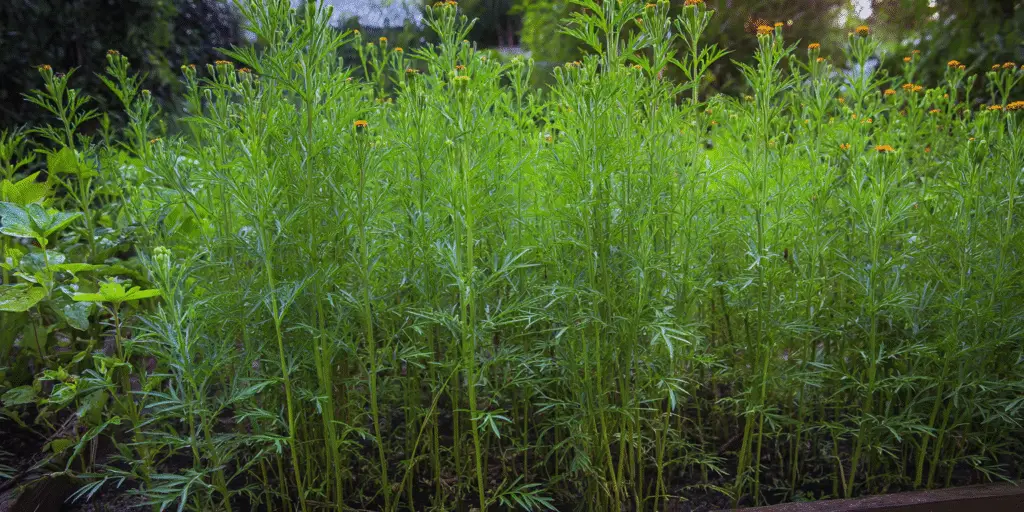
Tagetes minuta
Southern marigold (species) · Linnaeus, 1753, South America
At‑a‑glance
- Group/Class: Southern marigold (species)
- Height × spread: 3-6 ft × 1-3 ft (0.9-1.8 m × 0.3-0.9 m)
- Bloom window: late summer to fall
- Color & flower form: Small white with yellow centers; single heads in clusters
- Fragrance: 3 strong
- USDA hardiness: grown as annual in most of North America
- Breeder / Year / Origin: Linnaeus, 1753, South America
- Pet safety: avoid
How it differs
- Much taller and airier than typical bedding marigolds.
- Small white flowers instead of yellow to orange heads.
- Noted for root exudates used to suppress certain nematodes.
- Sap is a stronger skin irritant than many marigolds.
Strengths
- Rapid growth and high biomass.
- Can aid nematode management when grown and incorporated correctly.
- Tolerates heat and lean soils.
Care in one minute
Full sun; well‑drained soil.
Water to establish; then moderate irrigation as needed.
Avoid heavy nitrogen that causes lank growth.
Thin or stake tall stands to prevent lodging.
No overwintering outdoors in cold zones.
Watch‑outs
- Skin and eye irritation from sap; handle with gloves.
- May self‑seed where conditions suit it.
- Crowded, humid plantings can increase disease pressure.
Best uses (tags)
Provenance note
Described by Linnaeus in 1753; native to South America and widely naturalized.
References
- RHS – Tagetes minuta (southern marigold) profile
- Kew – Plants of the World Online: Tagetes minuta
- UF/IFAS Extension – Marigolds for Nematode Management (EDIS NG045)
- RHS – Potentially harmful garden plants list
- UC ANR – Tagetes spp. plant safely note
Similar Flowers


Enjoying our flower guides? Add YourFlowersGuide as a preferred source on Google. It helps more readers find us.
Add to Preferred Sources