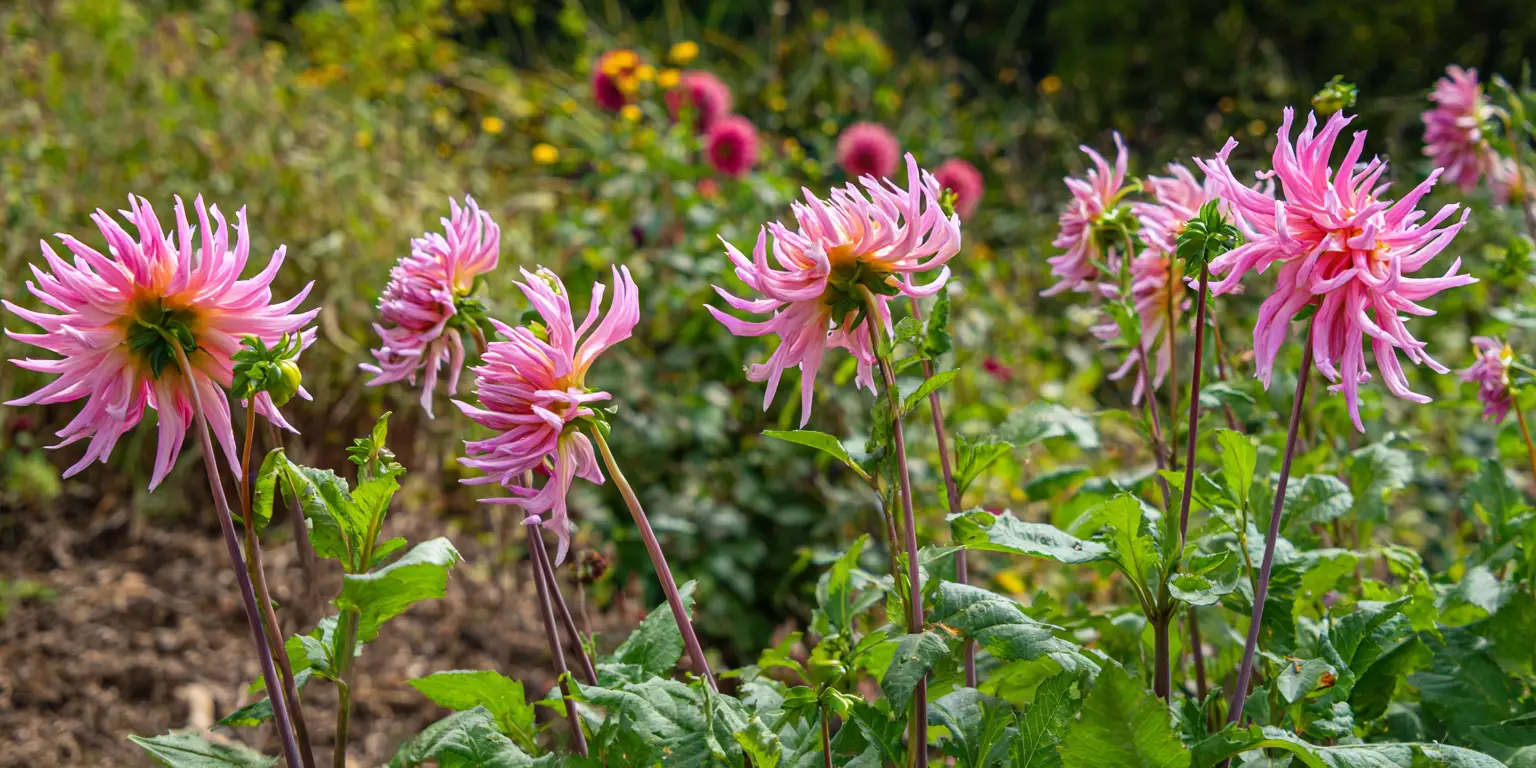
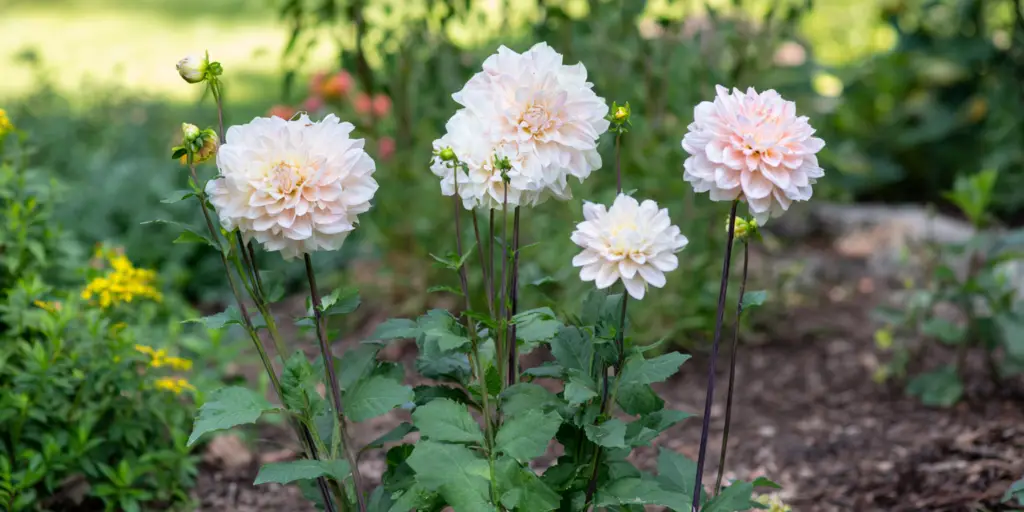
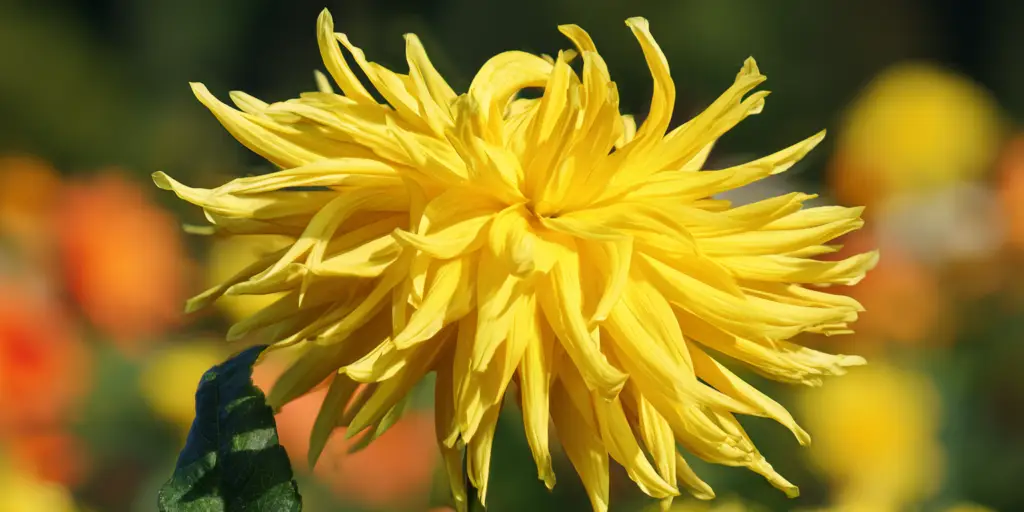
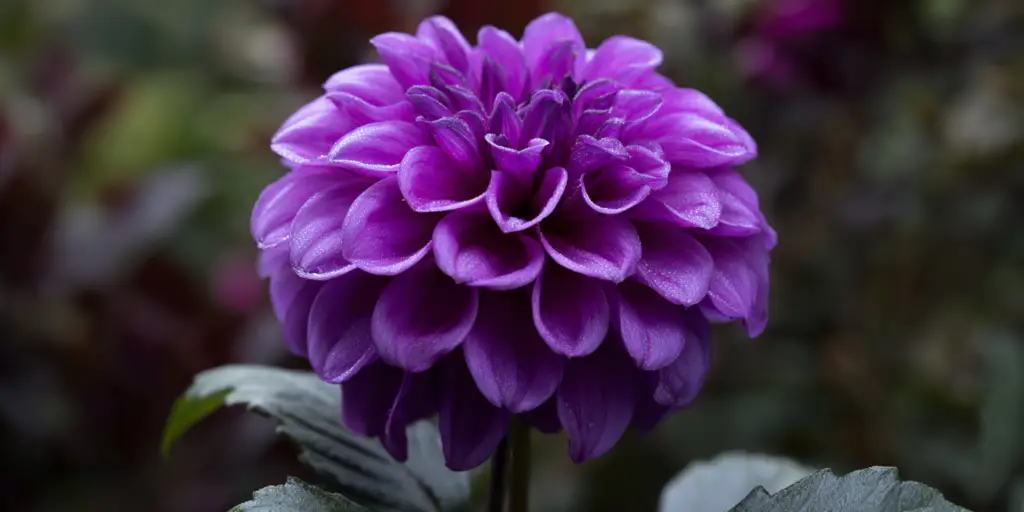
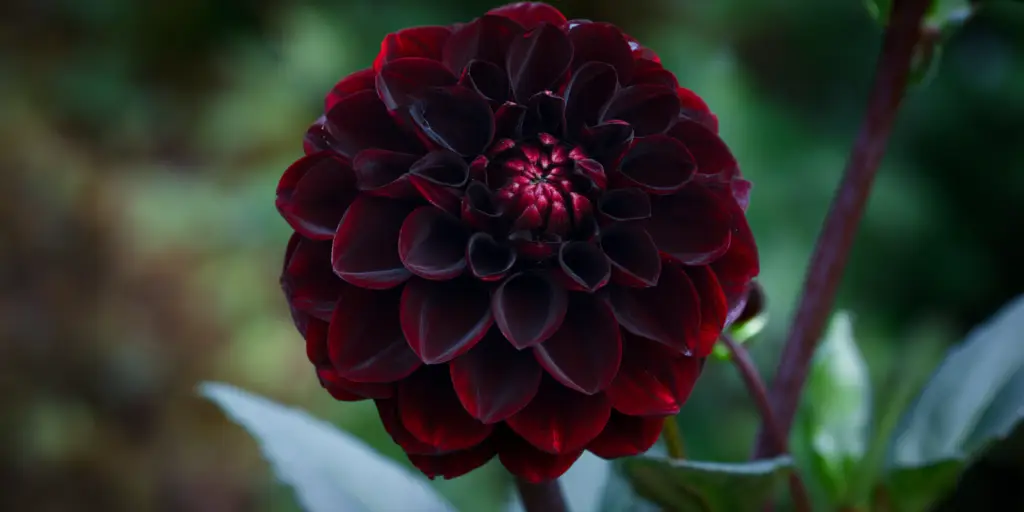
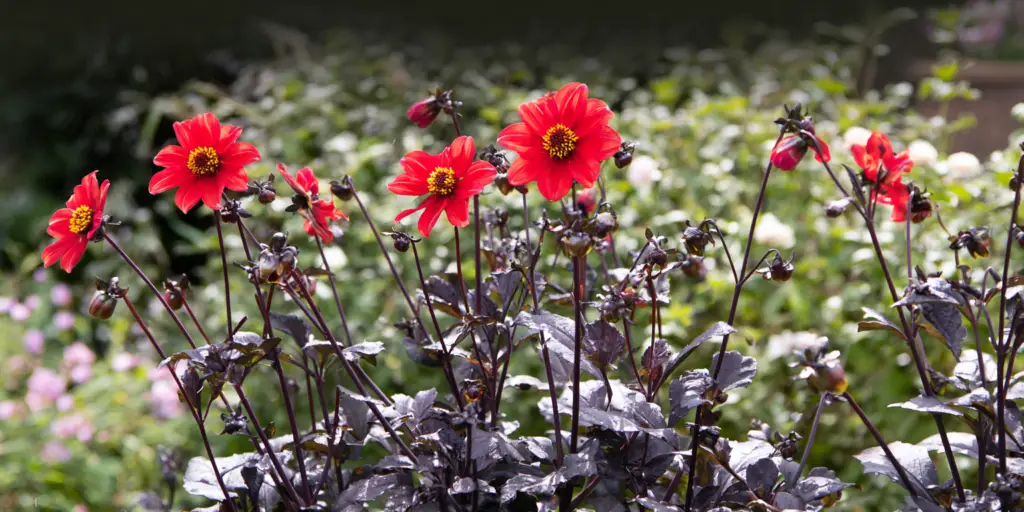
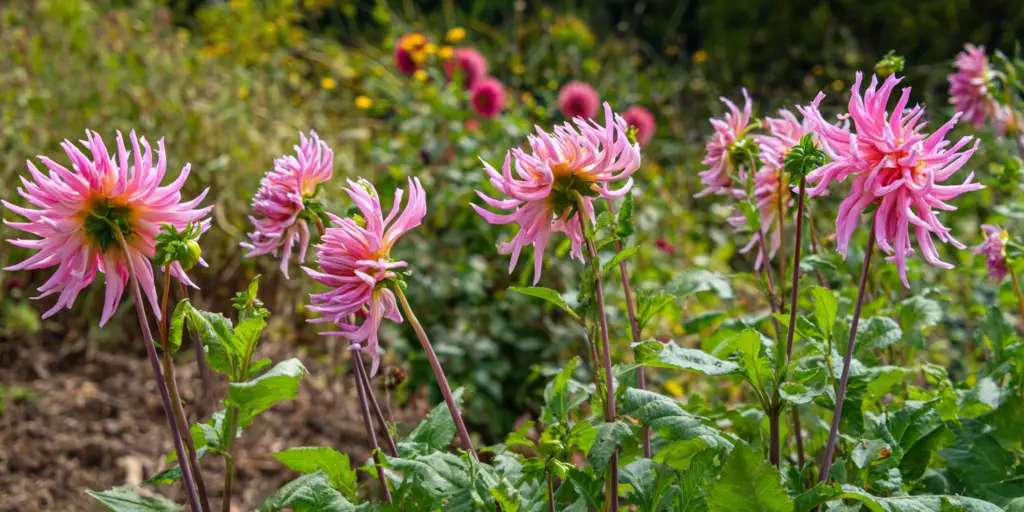
Dahlia ‘Penhill Watermelon’ is a giant decorative dahlia with ruffled pink to watermelon‑rose blooms that can show cream and lavender tones. It prefers full sun and rich, well‑drained soil. It blooms from midsummer to frost in most North American gardens. The very large flowers make a strong focal point and can be cut with careful support. Plants are tall and need staking in open sites. The tubers are frost‑tender and require winter protection where winters are cold.
At‑a‑glance
Group/Class: Decorative; giant ‘dinnerplate’
Height × spread: 5-6 ft × 2-3 ft (1.5-1.8 m × 60-90 cm)
Bloom window: mid‑summer to frost
Color & flower form: pink to watermelon with cream and lavender tints; very large, ruffled double decorative
Fragrance: 0 none
USDA hardiness: grown as annual in most regions; may overwinter in ground in Zone 7 to 10 where soils are well‑drained
Breeder / Year / Origin: Maritz, 2000, South Africa
Cut‑flower notes: very large heads; long stems; typical vase life 3 to 5 days when cut at early maturity.
Pet safety: avoid
How it differs
Extra‑tall habit compared with many dahlias.
Ruffled petals and shifting pink tones unlike standard decorative forms.
Needs strong staking because of flower size and height.
Strengths
Dramatic, oversize blooms for late‑season impact.
Good stem length for large arrangements.
Reliable display into frost with deadheading.
Care in one minute
Site: full sun; deep, fertile, well‑drained soil; neutral pH.
Water: keep evenly moist; avoid waterlogging.
Feeding: moderate feeding; avoid high nitrogen once buds develop.
Training: pinch once at 18 in; stake with multiple ties; deadhead consistently.
Overwintering: lift after frost and store around 40 to 45°F (4 to 7°C), or mulch and risk in‑ground only in mild, well‑drained Zone 7 to 10 locations.
Written by: Your Flowers Guide editorial team We are a small independent group of flower lovers who research and review each guide using trusted horticultural and educational sources. Learn more about us