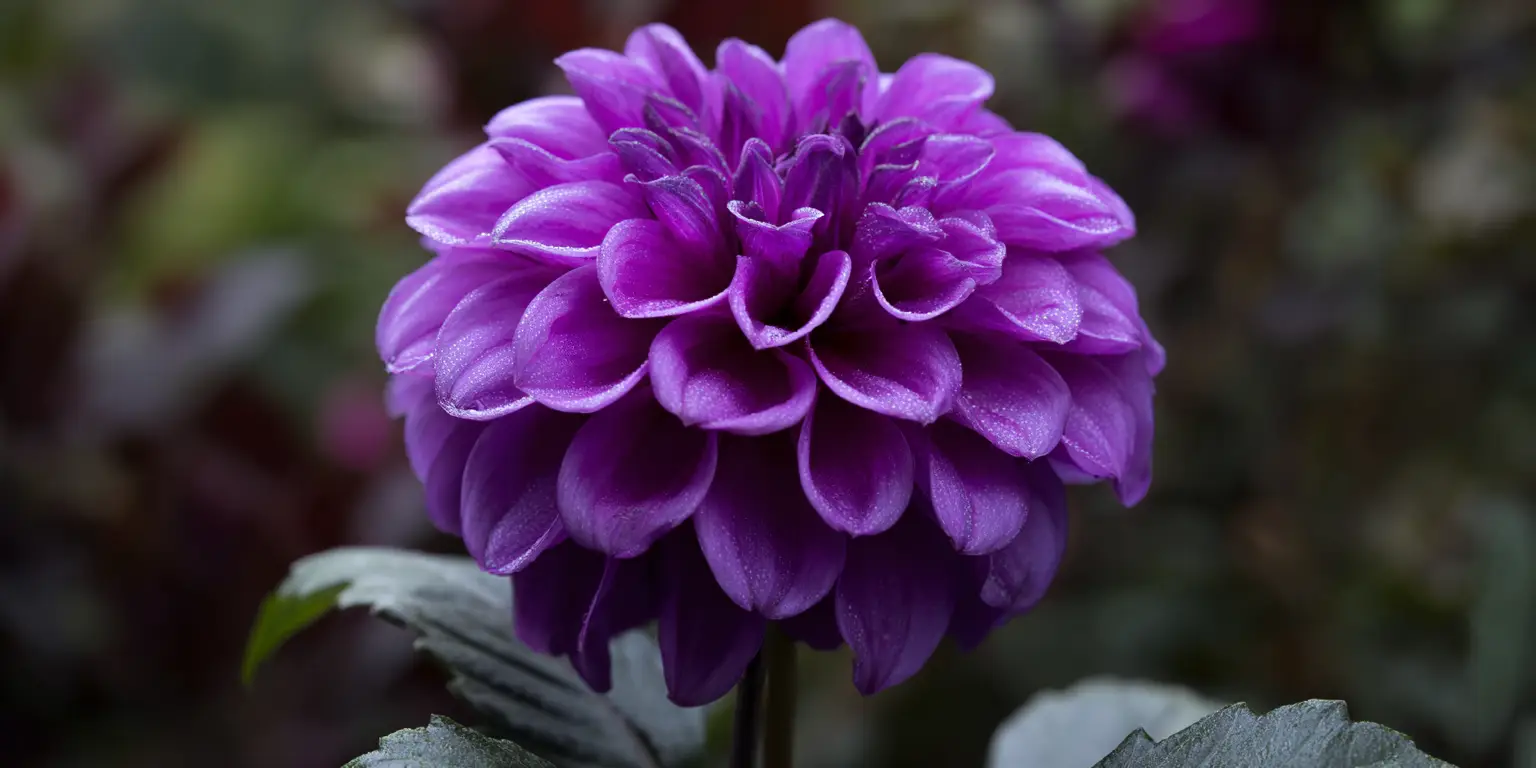
in bloom
now
through Oct
Bloom calendar
Thomas Edison
Informal Decorative · Dahliadel, 1929, USA
At‑a‑glance
- Group/Class: Informal Decorative
- Height × spread: 3-4 ft × 1.5-2 ft (0.9-1.2 m × 45-60 cm)
- Bloom window: mid‑summer to frost
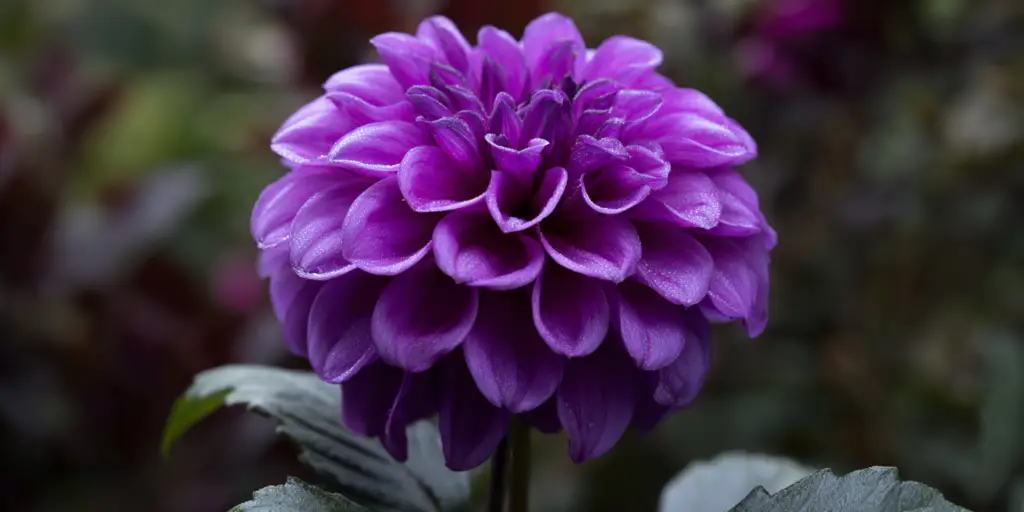
- Color & flower form: deep purple; double informal decorative
- Fragrance: 0 none
- USDA hardiness: grown as annual in most regions; may overwinter in ground in Zone 7 to 10 where soils are well‑drained
- Breeder / Year / Origin: Dahliadel, 1929, USA
- Cut‑flower notes: good stem length; typical vase life 4 to 6 days with clean cuts and cool storage.
- Pet safety: avoid
How it differs
- Distinct, saturated purple compared with many garden dahlias.
- Earlier to flower than many giant dinnerplate types.
- Moderate plant height eases staking compared with the tallest cultivars.
Strengths
- Heirloom cultivar with proven garden performance.
- Useful, long stems for cutting.
- Reliable flowering from mid‑summer to frost.
Watch‑outs
- Stems can lean in storms without support.
- Flower color can read darker in low light.
- Frost‑tender tubers require storage outside mild zones.
Best uses (tags)
Care in one minute
Site: full sun; fertile, moisture‑retentive but well‑drained soil; pH near 6.5 to 7.0.
Water: consistent moisture; avoid waterlogged soils.
Feeding: moderate fertilizer; avoid high nitrogen after buds form.
Training: pinch once at 12 to 18 in; stake and tie; deadhead to extend bloom.
Overwintering: lift after frost and store around 40 to 45°F (4 to 7°C), or mulch and risk in‑ground only in well‑drained mild zones.
Provenance note
Introduced to horticulture in 1929 by Dahliadel in the United States.
References
- Chicago Botanic Garden – Dahlia ‘Thomas Edison’ (plant finder profile)
- National Dahlia Society Picture Archive – ‘THOMAS A. EDISON’ (Dahliadel, USA, 1929)
- NC State Extension – Dahlia (care profile)
- ASPCA – Dahlia toxicity to pets
Similar Flowers
Enjoying our flower guides? Add YourFlowersGuide as a preferred source on Google. It helps more readers find us.
Add to Preferred Sources