How to Grow and Care for Scarlet Sage
Contents
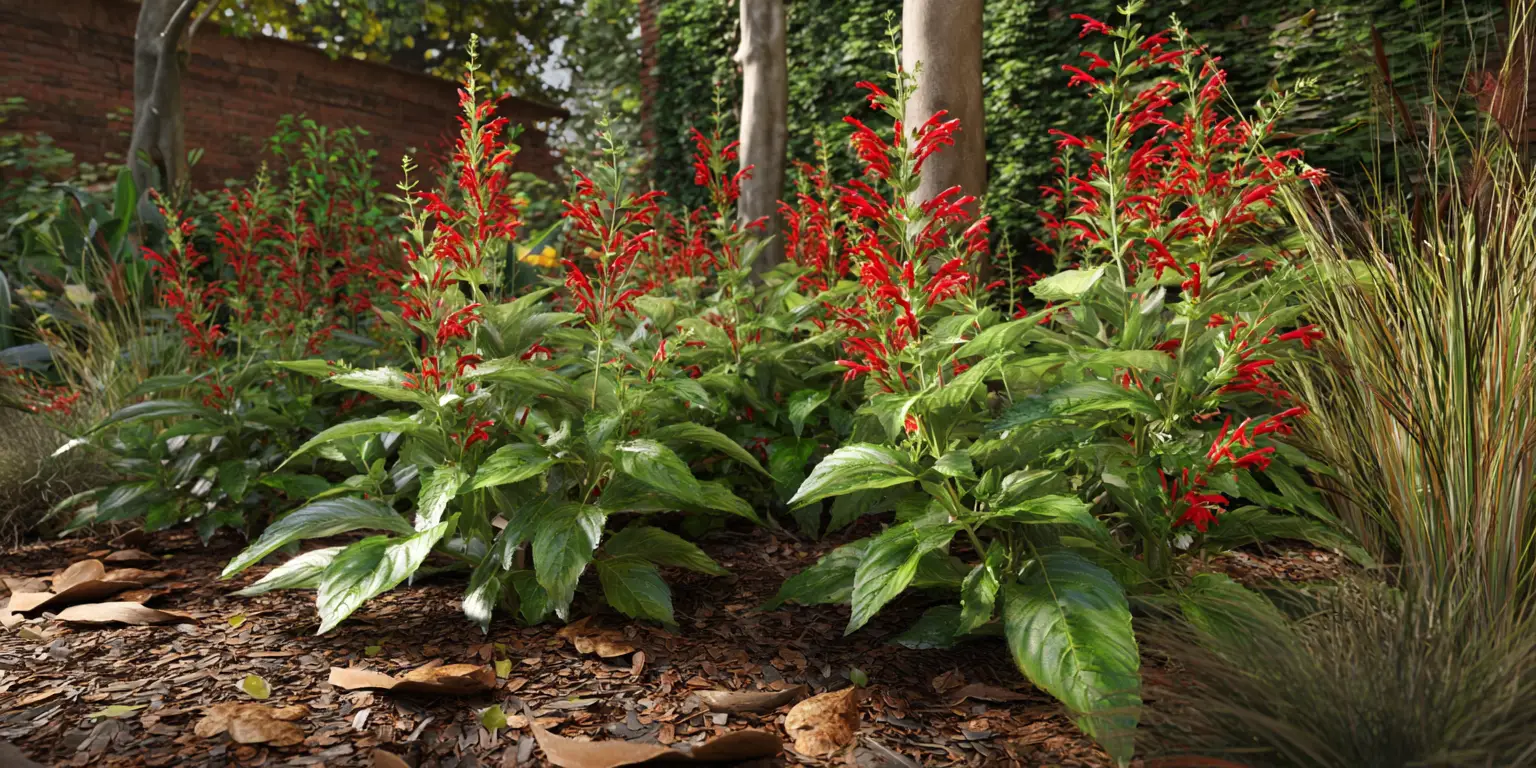
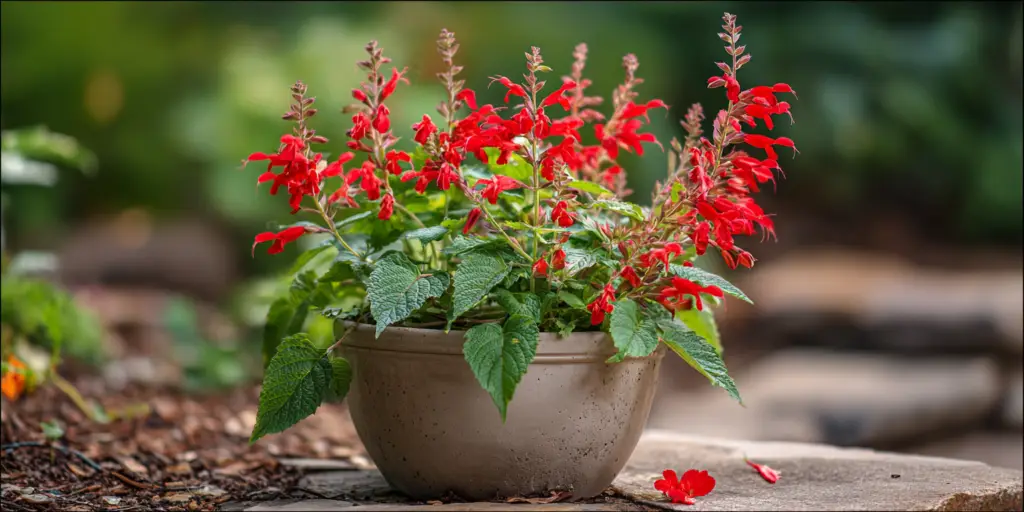
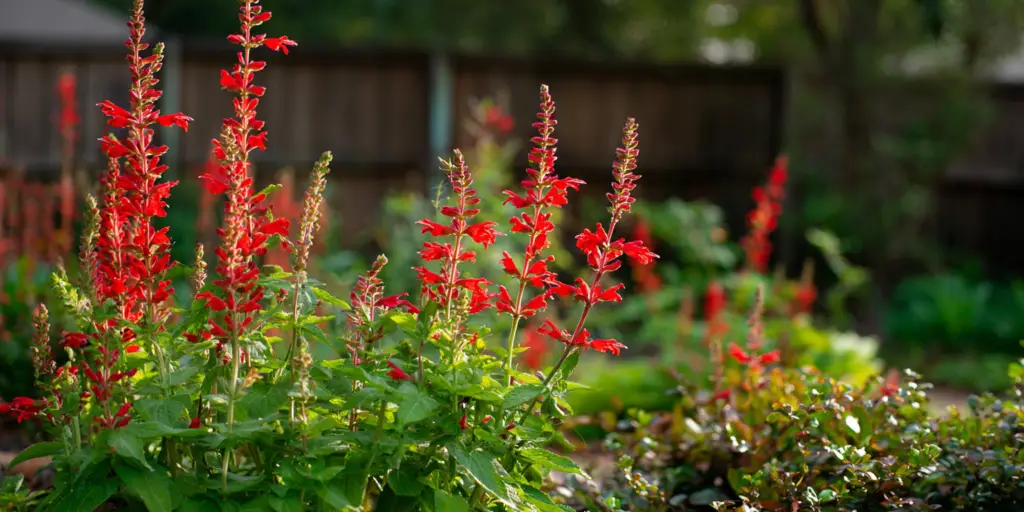
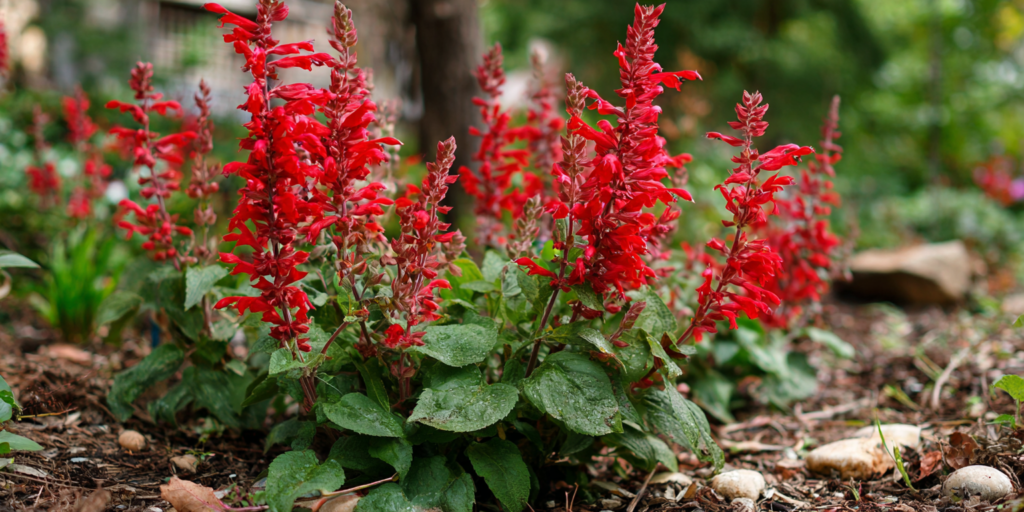
Scarlet Sage care starts with understanding the plant behind the color. Scarlet Sage (Salvia splendens Sellow ex Roem. and Schult.) is a compact, warm‑season bedding sage from Brazil that U.S. gardeners usually grow as an annual for summer to frost color. You will see it labeled as scarlet salvia or red salvia at garden centers. Do not confuse it with Salvia coccinea, which is also sold as scarlet sage in some regions. In most of the country Scarlet Sage thrives in full sun with afternoon shade in hot areas, even moisture, and well‑drained soil. If you set plants out after the last frost, space them to breathe, water consistently, and clip spent spikes, you will have bold color and tidy mounds until the first freeze. It also performs well in containers where drainage is reliable and irrigation can be controlled.
Soil & Bed Preparation
Scarlet Sage prefers a loose, well‑drained soil. Heavy clay that stays wet invites root stress and poor flowering. Sandy soil that dries in a flash can also lead to stress; compost improves both conditions. Work 2 to 3 inches of finished compost into the top 6 to 8 inches of soil to increase organic matter and to support steady growth. Aim for a bed that drains within a few hours after rain. If water puddles or the soil is slow to dry, switch to a raised bed or containers where you control drainage. Annual bedding plants respond well to soil with 4 to 6 percent organic matter. You do not need a lab measurement to start improving—simply build the habit of topping each new bed with an inch or two of compost and mixing it into the planting layer. Over time this improves tilth and reduces the need for frequent fertilizer. Raised beds warm faster in spring, drain better after heavy rain, and are convenient in areas with compacted subsoil. In arid zones, in‑ground beds conserve moisture better. If you garden where soil stays soggy after storms or if your native soil is compacted, raised beds are the safer choice for Scarlet Sage. Where summers are very hot and dry, keep raised beds well mulched and irrigated since elevated soil dries faster. To check drainage before planting, dig a hole 12 inches deep and 12 inches wide, fill it with water, let it drain, then refill. If the second filling drains within about 8 hours, drainage is acceptable for most ornamentals. If it drains in less than 1 hour the soil is very sandy and will benefit from organic matter and mulch. If it drains slower than 1 inch per hour or stands overnight, use raised beds or containers and amend heavily with compost. A soil pH of about 6.0 to 7.0 supports nutrient availability for most annuals, including Scarlet Sage. If a soil test reports pH below the target range, add lime according to lab recommendations. If pH is high, elemental sulfur applied per lab rates gradually lowers pH. Retest soil every year or two after adjusting pH to ensure you reached the target.
Planting Calendar by USDA Zone
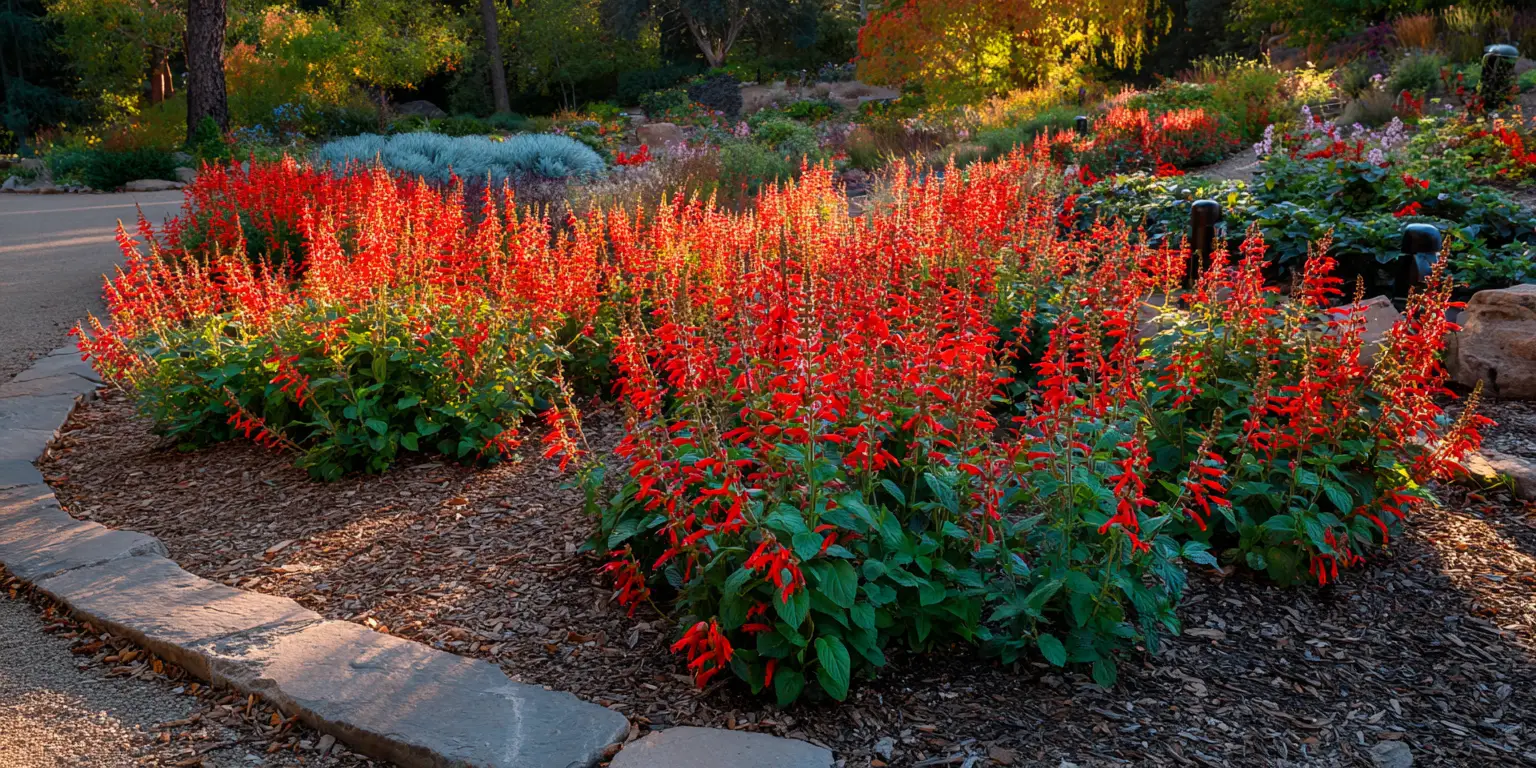
Scarlet Sage is very sensitive to cold. Use your local last frost date as the key marker. Start seeds indoors 6 to 8 weeks before your area’s average last frost. Transplant outdoors after all danger of frost has passed and when nights are reliably above 50°F (10°C). In frost‑free climates, it can be planted in late fall through spring for color during the cool dry season.
Zones 3 to 5
Start seeds indoors 8 weeks before the last frost because outdoor soil warms slowly. Harden off plants for 7 to 10 days, then transplant 1 to 2 weeks after your last frost once the soil has warmed and nights hold above 50°F. Expect flowering from mid or late summer to the first hard frost. In short growing seasons, prefer fast‑maturing compact series and larger transplants for a head start.
Zones 6 to 7
Start seeds indoors 6 to 8 weeks before last frost, or buy cell packs for convenience. Transplant shortly after your last frost date when the soil is workable and draining well. Provide consistent moisture as temperatures rise. Afternoon shade helps in heat waves. Flowering typically runs from early summer to frost.
Zone 8
Set transplants out soon after the last spring frost. In coastal or humid areas, allow extra airflow and consider morning sun with light afternoon shade. In very hot inland areas with intense sun, a site that gets shade after 2 p.m. helps blooms hold color. In milder parts of Zone 8 you can also plant in early fall for late fall to early winter color until a freeze arrives.
Zones 9 to 10
In Mediterranean or subtropical settings with mild winters, plant in fall or late winter for a long cool‑season run. Flowering is best in the cooler months. Where summers are hot and humid, early spring plantings can pause in midsummer heat, then resume bloom as nights cool. In desert sites, give filtered afternoon shade and increase mulch to moderate soil temperatures.
Zone 11
Plant from late fall through spring during the cooler, drier season. In truly frost‑free climates Scarlet Sage can behave as a short‑lived perennial, but it often declines after a year or two. Replant as needed for the freshest display.
Regional caveats
In hot and humid Gulf and Atlantic South summers, focus on airflow, morning sun, and regular deadheading. In arid and high‑elevation regions, increase mulch to conserve moisture and avoid reflected heat from south‑facing walls. Coastal wind can shred leaves and topple tall spikes; tuck plants behind a low hedge or integrate in mixed borders for shelter.
Planting: Depth & Spacing
Most Scarlet Sage is sold in cell packs or small pots. Plant at the same depth as the nursery container so the crown sits level with the soil surface. Gently loosen circling roots before planting. Space 10 to 12 inches apart for compact series. Allow 12 to 18 inches for taller selections. In mass plantings, stagger plants for quicker fill and keep at least 12 inches between rows so you can reach in to deadhead. Water immediately after planting to settle soil around roots. Sow 6 to 8 weeks before the last frost date. Press seeds onto the surface of a sterile seed‑starting mix since they germinate best with light. Mist to settle, then keep the medium evenly moist and warm. A soil temperature around 70 to 75°F supports germination, which typically takes 7 to 14 days. Grow on at 60 to 65°F with bright light to prevent stretching. Transplant seedlings to larger cells when roots fill the plug. Harden off for a week before planting out. Scarlet Sage is not sold bare‑root and divisions are uncommon for bedding types. If you want to carry a favorite plant into next season, taking softwood cuttings in late summer is more reliable than division. Root cuttings in a clean, well‑aerated medium and keep evenly moist in bright light. Harden off plants by setting them outdoors for 2 to 3 hours on day one, then add a few hours daily for a week, protecting from midday sun and wind. Plant on an overcast day or in late afternoon. Water before removing from the pack so the root ball holds together. After planting, water to settle the soil, then add mulch. If a heat spike follows, provide temporary shade with a breathable fabric for several days.
Watering & Mulching
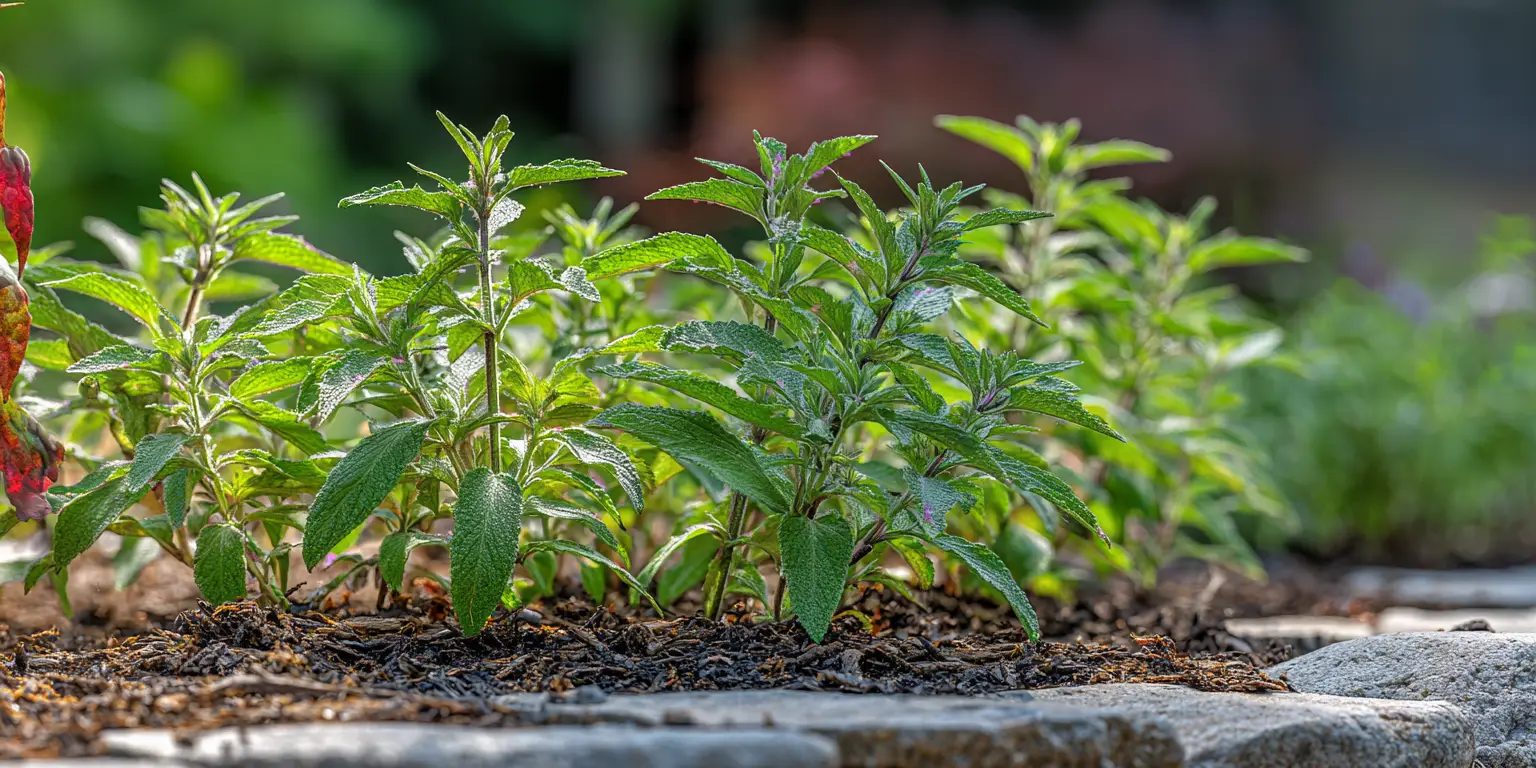
Keep new transplants evenly moist for the first 2 weeks, checking the top inch of soil daily. After establishment, a general target is about 1 inch of total water per week for in‑ground beds, delivered by rainfall or irrigation. In sandy soils you may need two smaller waterings each week. Water deeply at the base rather than lightly and often so roots grow down. Apply 2 to 3 inches of organic mulch such as shredded leaves, fine bark, or pine straw around plants, leaving a small gap at the stems. Mulch conserves moisture, suppresses weeds, and buffers soil temperature. In hot regions increase thickness to 3 inches to reduce heat stress. In cool spring weather, pull mulch back temporarily from the crown so the soil warms faster, then replace it once summer heat arrives. Good drainage is essential. Avoid planting in low spots that hold water after storms. Do not bury stems or pile mulch against them. Drip irrigation or soaker hoses keep foliage dry and reduce leaf spots and botrytis during humid stretches. If you garden on heavy soil, amend with compost and consider a raised bed to lift crowns above saturated layers. During heat waves water early in the morning so plants enter the hot hours fully hydrated. Afternoon shade from a fence or shrub line can reduce stress without sacrificing bloom. In containers, expect watering frequency to rise as summer heat increases. A finger test in the top inch of potting mix is the simplest way to stay on schedule. If your tap water is very hard, salts can build up in containers over time. Leach pots once a month by slowly watering until water flows from the drainage holes for several minutes.
Feeding
If you have a current soil test, follow the recommendations. If not, a common annual‑bed baseline is to incorporate about 1 to 2 pounds of a balanced granular fertilizer such as 5‑10‑5 or 10‑10‑10 per 100 square feet before planting. Work fertilizer into the top 4 to 6 inches along with compost, then water. This sets a moderate nutrient level that supports bloom without pushing soft, leafy growth. If plants slow or foliage pales midsummer, side‑dress with one half to 1 pound of a balanced fertilizer per 100 square feet, scratch it lightly into the soil, and water. In containers, use a slow‑release balanced fertilizer at label rate at planting, or feed with a dilute water‑soluble fertilizer every two to four weeks during active growth. Excess nitrogen will produce lush leaves and fewer spikes, so keep feedings light and steady rather than heavy. Aim to build organic matter with compost each season, which increases nutrient holding capacity and evens out moisture. If you adjusted pH with lime or sulfur, retest soil in about a year to verify that your target range was reached. Repeated applications without testing can overshoot the ideal range and reduce nutrient availability. Skip fertilizer altogether if plants are dark green, compact, and blooming well; overfeeding reduces flowering.
Pruning & Support
Scarlet Sage repeats faster if you remove faded flower spikes before they set seed. Cut spikes back to the next set of leaves. Many modern bedding series are relatively self‑cleaning, but snipping still keeps beds tidy and directs energy to new blooms. If plants get leggy in late summer, shear lightly and water well; new growth and flowers follow in two to three weeks in warm weather.
Structural support
Most bedding salvias do not need stakes. If tall selections lean in shade or wind, a discreet hoop ring placed early can help, but better light and spacing are the real fixes. In mixed borders, nestle plants near sturdy neighbors that break the wind yet allow sun to reach the canopy.
Tool hygiene
Clean snips and shears before you start and between beds. Wipe blades with 70 percent isopropyl alcohol or a 10 percent bleach solution, then rinse and dry. Removing diseased leaves as soon as you see them and keeping foliage dry with morning watering reduces common issues such as powdery mildew or botrytis in humid months.
Overwintering
In cold zones, Scarlet Sage completes its run at first hard frost. Before the first freeze, you can cut a handful of stems for short‑term indoor color. After frost blackens the foliage, remove plants and compost disease‑free debris. If you garden in Zone 10 to 11, a light mulch around the crown protects roots from temperature swings and helps conserve moisture through winter dry spells. In Zones 8 to 9 and colder, you can save choice plants by bringing containers indoors before nights fall to the low 40s. Set them in the brightest window you have, trim lightly to shape, and water just enough to prevent the mix from drying out completely. Expect slower growth and fewer blooms under short winter days. Resume regular feeding and brighter light in late winter. For reliable repeats, take 3 to 4 inch softwood cuttings in late summer from non‑flowering shoots, strip the lower leaves, and root in a clean, airy medium. Keep evenly moist in bright indirect light. Young plants pot up easily and are ready to harden off next spring. This approach preserves a favorite color form precisely, which is helpful since many bedding salvias do not come true from saved seed.
Growing Environments
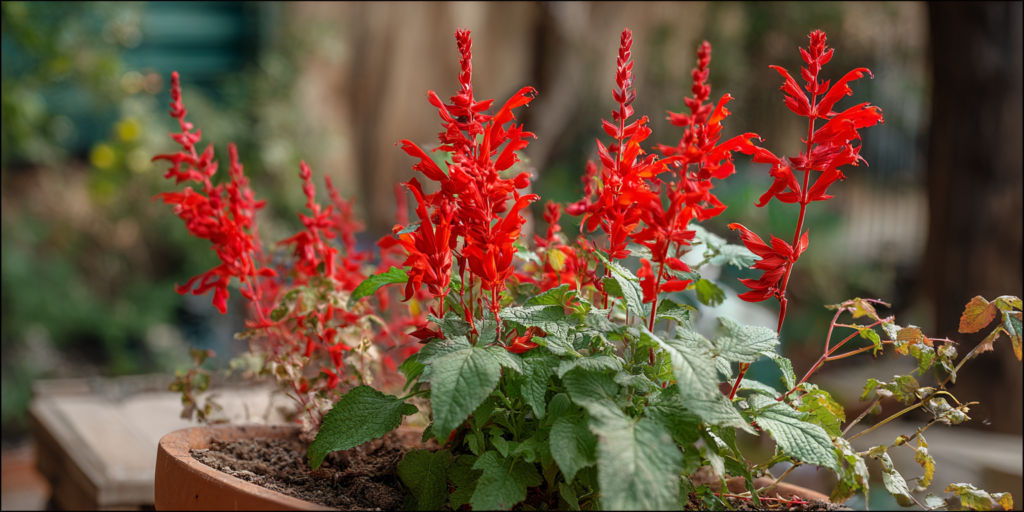
Scarlet Sage is an excellent container annual. A single plant is comfortable in an 8 to 12 inch pot. For mixed plantings use a container at least 12 inches wide and 12 inches deep so the potting mix does not dry too fast. In warm, windy sites or for larger cultivars, move up to a container that holds around 2 gallons of mix per plant for easier watering. Always use a pot with drainage holes. Use a high‑quality soilless mix based on peat or coir with perlite or pine bark for aeration. Do not use garden soil in containers because it compacts and drains poorly. Elevate pots slightly on feet so water can exit freely. If your site reflects heat from pavement or walls, a light‑colored container and a 1 to 2 inch top dress of fine bark help moderate root temperatures. Morning sun with light afternoon shade suits hot climates. In windy coastal areas, cluster pots and place the heaviest containers upwind as a windbreak. On small patios, avoid spots where roof runoff can drench plants. If deer browse in your area, Scarlet Sage is often less palatable than many annuals, but individual pressure varies; interplant with aromatic companions like lavender near garden edges.
Companion Planting & Design
Scarlet Sage’s upright spikes pair well with mounded and trailing plants. For a classic patriotic bed, weave it with blue lobelia and white alyssum from our blue and white flowers collections. For a sunset scheme, blend salmon or pink salvias with soft yellows from our sunflower and daffodils hubs. Cool palettes that include lavender‑blue accents create contrast with the red spikes, while softer whites and silvers calm the composition in strong sun.
Pollinator‑minded choices
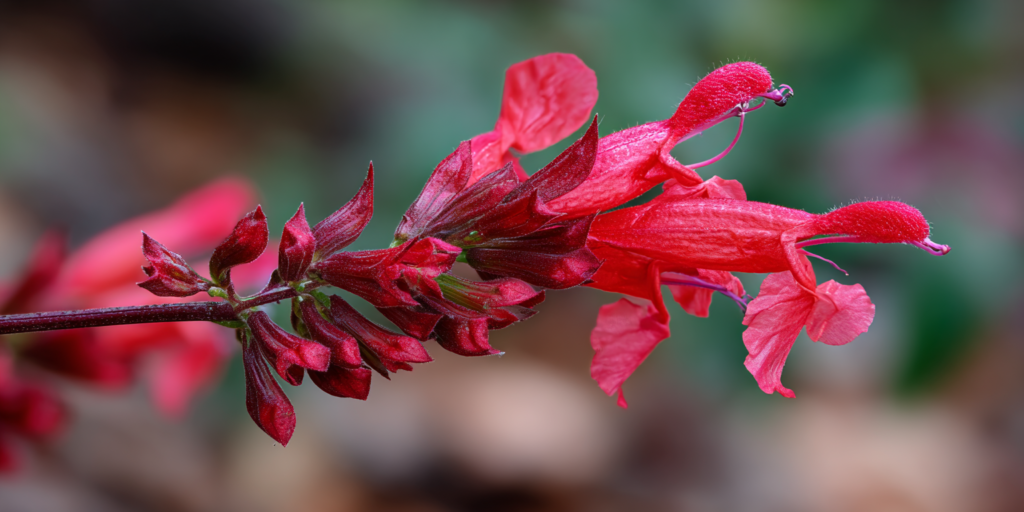
Hummingbirds and butterflies visit tubular salvia flowers, although some highly bred bedding series produce less nectar than species salvias. To support pollinators while keeping the neat bedding look, mix in nectar‑rich companions such as gomphrena, agastache, or single‑flower zinnias. Good airflow reduces foliar disease in humid climates, so maintain spacing and avoid crowding trailing partners under the salvia canopy.
Hiding fade and keeping beds fresh
As individual spikes fade, deadhead promptly and exploit the vertical form by tucking low fillers at the base. If you are designing a wedding‑season border or a special event display, plan an easy refresh by interplanting a second wave of compact annuals two to three weeks after your first planting. For event styling inspiration and bloom timing tips, browse our wedding flowers guide along with staple profiles like tulips and roses as you plan spring‑to‑summer transitions.
References
- North Carolina State University Extension. “Salvia splendens (Salvia, Scarlet Sage).”
- University of Florida IFAS Cooperative Extension. “Salvia splendens: Fact Sheet FPS‑528.”
- Missouri Botanical Garden Plant Finder. “Salvia splendens.”
- University of Minnesota Extension. “Salvia.”
- Iowa State University Extension and Outreach. “Testing and Improving Soil Drainage.”
- University of Maryland Extension. “Garden Fertilizer Basics.”
- Clemson University Home & Garden Information Center. “Changing the pH of Your Soil.”
- University of Maryland Extension. “Soil Health, Drainage, and Improving Soil.”
- University of Illinois Extension. “Caring for Annuals.”
- UF IFAS Gardening Solutions. “Salvia.”
Written by: Your Flowers Guide editorial team
We are a small independent group of flower lovers who research and review each guide using trusted horticultural and educational sources. Learn more about us