
One of the first things gardeners ask when they start growing lilacs is if there is a way to speed up the blooming process. Waiting for late spring can feel agonizing when the winter weather drags on for months. Forcing lilacs is the practice of cutting dormant branches and bringing them inside so the warmth tricks them into blooming early. People usually want to know exactly when they should head outside with their pruners to harvest these branches. The timing depends entirely on the buds themselves rather than a specific date on the calendar. You want to wait until the buds have swollen significantly and lost their tight winter coating. If you cut the branches too early when the buds are still small and flat, they will simply dry up and never open indoors. Late winter to early spring is usually the ideal window to start checking your bushes for these plump buds.
Preparing your cut branches for indoor blooming
The natural follow-up question is whether there is a special technique for cutting and preparing the wood. Many old gardening books tell you to smash the woody ends of the stems with a hammer to help them take up water. You should actually ignore this advice entirely because crushing the stems destroys the cellular structure and invites bacterial rot. Instead, you just need a sharp pair of bypass pruners to make a clean angled cut at the base of the branch. Once you bring the lilac cut branches inside, use a knife to cut a vertical slit about an inch or two up the center of the stem. This clean vertical slice exposes more surface area to the water without damaging the vascular system of the plant. Plunge the prepared stems immediately into a bucket of warm water. The warm water helps to dissolve any sap blockages and encourages the dormant tissues to wake up and begin drawing moisture up to the flower buds.
This leads to something many growers wonder about regarding the actual environment needed for indoor blooming. People often assume they need a greenhouse or a special heating mat to get the branches to bloom. The truth is that your normal household temperatures are perfectly fine for this process. You should place the bucket or vase in a bright room, but keep it out of direct sunlight which can dry the buds out before they open. Changing the water every two or three days is the most important step for success. Woody stems release sap and organic matter into the water quite quickly, creating a breeding ground for bacteria that will clog the stems. If the stems get clogged, the buds will wilt and drop off the branch. Adding a commercial floral preservative to the fresh water gives the branches the carbohydrates they need to fully develop their heavy flower clusters.
Designing with forced branches and managing fragrance
As the buds begin to open, you might wonder how intense the fragrance will be compared to the blooms outside. Indoor forced lilacs produce a classic sweet scent, though it is slightly milder than flowers that mature in the full spring sun. Even with a softer scent, a large vase of blooming branches will easily fill a dining room or kitchen with perfume. Many people ask what other early bloomers pair well with these branches to create a full spring display. You can easily combine them with bright yellow forsythia branches which require the exact same forcing method. The contrast between the rigid yellow stems and the soft pastel lilac clusters creates a classic early spring aesthetic. You can also mix them with early spring bulbs like freshly cut daffodils to anchor the lower half of your arrangement. Just remember that daffodils secrete a sap that harms other flowers, so you need to condition them in their own water for a day before mixing them with your lilac branches indoors.
By the way, a detail that catches many people off guard is the foliage that emerges along with the flowers. When you force branches indoors, the leaves often push out at the exact same time as the flower clusters. These leaves are usually a pale, tender green because they are developing without intense outdoor sunlight. Some people find that the abundant foliage hides the flowers and makes the arrangement look too bushy. You can easily solve this by carefully pinching off some of the leaf buds before they open or trimming away excess leaves once they unfurl. Leaving a few leaves adds a nice natural texture, but removing the bulk of them directs more of the branch’s energy into opening the flower buds. This small adjustment makes a huge difference in the final appearance of your indoor display.
Timing the bloom for spring holidays
A very common goal is trying to time the bloom perfectly for a specific event like Easter or a spring baby shower. Gardeners always want to know exactly how many days it will take from the moment they cut the branches to the moment the flowers open. There is no rigid timetable because the speed of blooming depends on how close the buds were to opening naturally outside. It usually takes two to four weeks for dormant branches to fully bloom in a warm house. If you are aiming for a specific weekend, your best strategy is to cut several batches of branches spaced a few days apart. This staggered harvesting guarantees that at least one of the batches will be at peak bloom when you need it. You can use this same staggering method for other spring branches like forsythia to ensure a continuous supply of color. If a batch seems to be opening too fast, you can slow the process down by moving the vase into a cool basement or garage for a few days.
A question you might not have considered yet is how this early harvest affects the lilac bush growing in your yard. People sometimes worry that cutting branches in late winter will ruin the natural spring display or harm the shrub. You are actually doing the plant a favor if you select your branches thoughtfully. Harvesting branches for indoor forcing is essentially a form of early spring pruning. You can look for branches that are crossing, rubbing against each other, or growing inward toward the center of the bush. Removing these problematic stems improves the airflow and overall shape of the plant while giving you a beautiful indoor harvest. By the time the rest of the bush blooms naturally, you will have enjoyed weeks of early flowers and left the outdoor plant healthier than it was before.
More About Lilacs
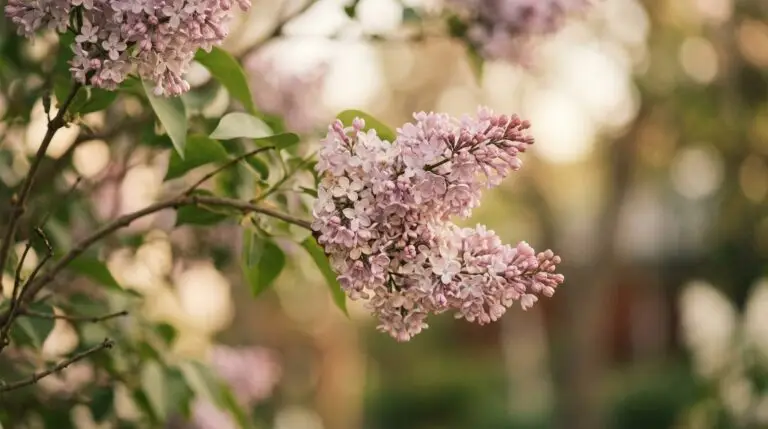
Lilac flower meaning and the nostalgic scent that connects us to spring memories

Dwarf and compact lilacs for small gardens that deliver big fragrance in limited space
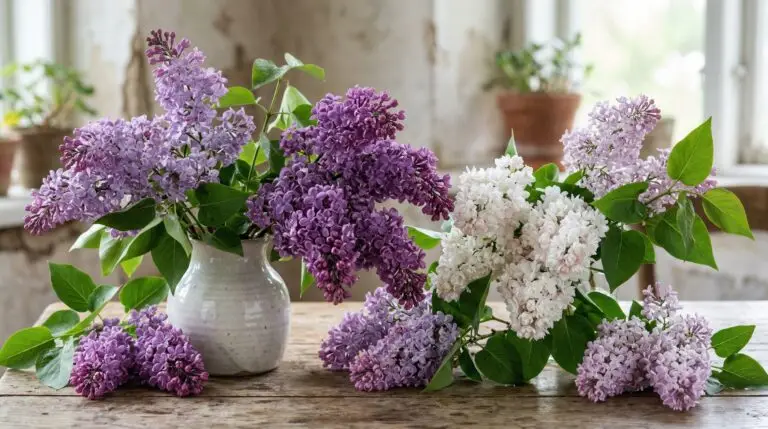
Best lilac varieties from classic purple to reblooming Bloomerang and dwarf types

Lilac festivals across America and visiting the most spectacular lilac collections