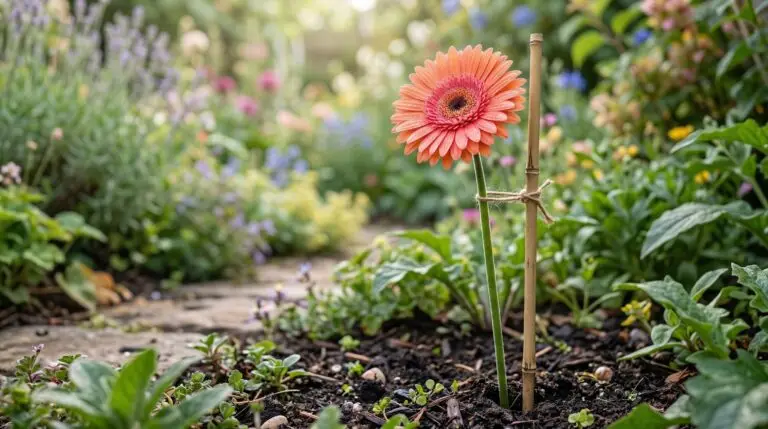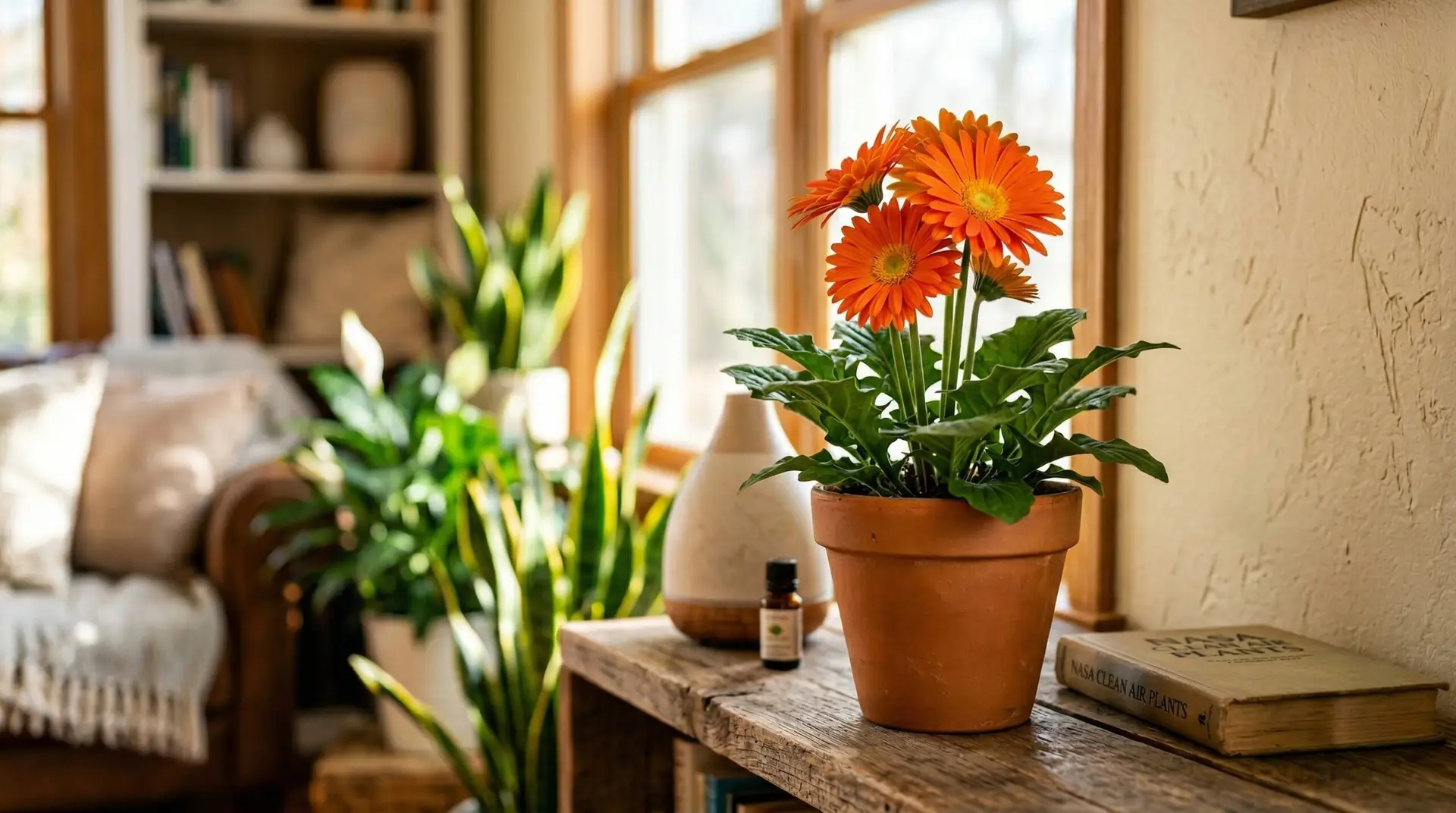
The morning light arrives late in December, slanting pale and cold across the bedroom floor. I watch the frost melt at the edges of the windowpane, where the draft slips through the old wooden sash. Just inside the glass sits a potted gerbera daisy, its bright orange petals catching the weak winter sun. The flower is a complex architecture of tiny individual blooms packed tightly onto a single disk. The thick stem is covered in fine, silvery hairs that catch the light like frost themselves. Deeply lobed leaves spread out over the damp soil in a wide rosette, reaching for whatever warmth the room can offer. It sits quietly on the sill, a spot of summer color held captive in the deep winter.
We tend to look at indoor plants as static objects, treating them like furniture or painted canvases arranged for our pleasure. We forget that a potted plant is a living, breathing organism engaged in a continuous exchange with the atmosphere of our homes. Beneath the surface of those rough green leaves, microscopic pores called stomata are opening and closing in rhythm with the light. The gerbera daisy is pulling in the stagnant, enclosed air of the bedroom and releasing fresh oxygen back into the space. This quiet respiration happens entirely without our notice, a silent biological engine running on water and winter sunlight. The plant is altering the chemistry of the room with every hour that passes.
The invisible chemistry of enclosed spaces
Our modern homes are tightly sealed against the weather, trapping airborne chemicals from synthetic carpets, fresh paint, and cleaning supplies. In the late twentieth century, scientists conducting the NASA Clean Air Study sought ways to scrub these invisible pollutants from the air of space stations. They discovered that ordinary houseplants possess a remarkable capacity to filter out volatile organic compounds. The gerbera NASA plant emerged as one of the most effective botanical filters tested in those sealed chambers. It demonstrated a specific affinity for removing benzene, a solvent found in plastics and synthetic fibers, along with trichloroethylene from the surrounding air. The plant absorbs these molecules through its leaves and sends them down to the root zone, where soil microbes break the chemicals apart and consume them as food.
This filtration process reveals the potted plant as a miniature ecosystem rather than a solitary individual. The gerbera daisy relies entirely on the unseen bacterial colonies living in the potting soil to process the toxins it pulls from the room. When we water the plant, we are sustaining this hidden microbial life as much as we are feeding the roots. Other blooming plants share this deep relationship with soil bacteria to clean the air around them. The chrysanthemum operates in much the same way, drawing heavy solvents down into its root system for the microbes to dismantle. We place these flowers on our tables for their bright petals, completely unaware of the heavy industrial labor happening beneath the soil surface.
Sharing the night air
The rhythm of plant respiration usually shifts when the sun goes down. Most green things stop producing oxygen in the dark and begin consuming small amounts of it to sustain their own metabolic needs. The gerbera daisy behaves differently, continuing to release fresh oxygen into the air throughout the night. This unusual trait makes the gerbera clean air system particularly suited to the bedroom, where we spend our longest continuous hours breathing enclosed air. Sharing a sleeping space with this plant feels like a quiet partnership, an exchange of breath between two different kinds of life in the dark. The moth orchid shares this rare nighttime habit, quietly refreshing the air while the rest of the house sleeps.
Cultivating a gerbera air purifier indoors requires a specific kind of attention, a willingness to learn the language of its leaves. The thick foliage will droop dramatically when the soil dries out, a clear physical demand for water. Too much moisture brings a different kind of trouble, as water left standing in the center of the leafy rosette will quickly rot the crown. You must water the soil directly, carefully lifting the heavy leaves to keep the base of the plant dry. The roots need oxygen just as much as they need moisture, requiring a porous soil mix that drains freely after a long drink. The plant will only maintain its respiratory work if its basic physical needs are met with consistency and care.
The light required for life
The greatest challenge of keeping these bright flowers indoors is providing enough light to fuel their biological engines. Gerbera daisies evolved under the intense sun of South Africa, and they hunger for direct, bright rays to drive their photosynthesis. A dim corner will cause the leaves to stretch and pale, slowing the plant’s growth and reducing its ability to filter the air. I move my potted plant from the east window to the south window as the seasons change, tracking the shifting angle of the sun. The plant responds to this light with slow, deliberate growth, pushing new fuzzy stems up from the center of the crown. When a new flower bud finally appears, tightly coiled and green, it feels like a reward for months of careful observation.
The bright orange petals of the gerbera daisy will eventually fade, curling inward and drying to a crisp brown. I will pinch the spent stem off at the base, an act of pruning that redirects the plant’s energy back into its leaves and roots. The loss of the flower does not diminish the value of the plant sitting on my windowsill. The wide green leaves continue their steady work, pulling in the stale air of the room and returning it scrubbed and fresh. We bring these plants into our homes seeking a connection to the living world outside our walls. In return, they quietly sustain us, breathing with us through the long winter nights and making the very air we take in a little cleaner.
More About Gerbera Daisy
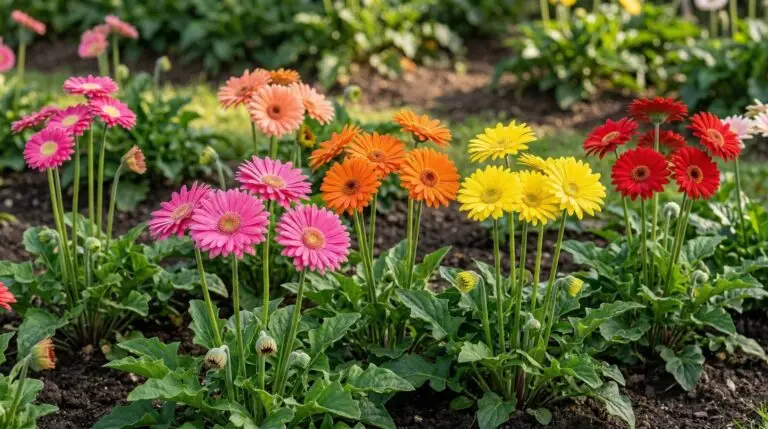
Garvinea gerberas the hardy outdoor series that changed gerbera gardening forever
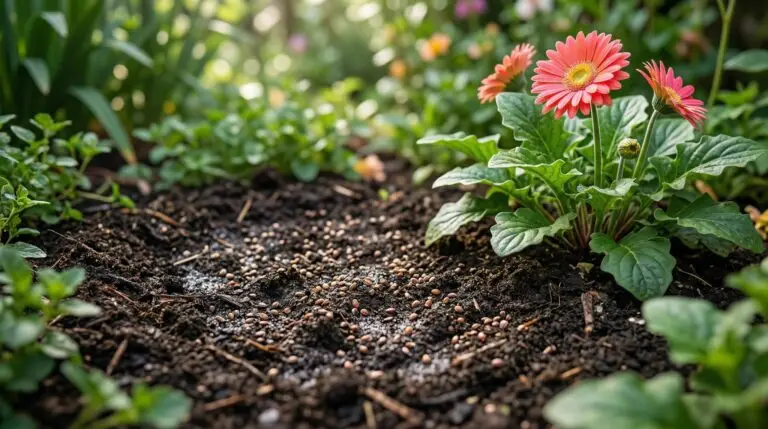
Growing gerbera daisies from seed and the patience needed for these slow starters
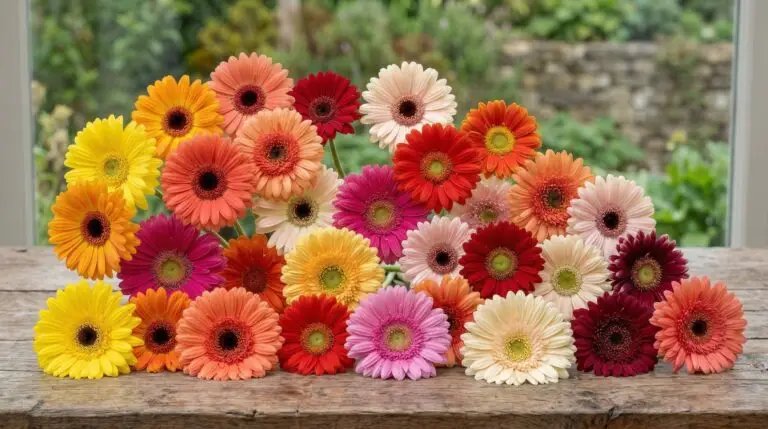
Best gerbera daisy colors and varieties from classic red to novel spider types