Gardeners often buy a beautiful rose bush in spring, and by mid-summer, half the leaves are yellow and covered in ugly dark circles. Soon, those leaves drop, leaving a bare, thorny cane with a few sad blooms at the top. This is rose black spot, and it is the single most common reason people give up on growing roses entirely. I see this exact scenario every single year, usually right after the first humid stretch of summer weather arrives. You are not a bad gardener just because your roses look terrible right now, but you do need to understand how this fungus operates if you want to fix it.
The fungus responsible for this mess thrives on wet leaves and poor air circulation. When fungal spores splash onto lower leaves during a rainstorm or a careless watering session, they need just a few hours of moisture to germinate and infect the plant tissue. Once the infection takes hold, the plant tries to defend itself by shutting down the infected leaf, which is why you see the surrounding tissue turn bright yellow before the leaf falls off completely. You cannot cure a leaf once it has black spot, and any product claiming to reverse the damage is lying to you. The entire game of managing this disease is about protecting the healthy new growth and stopping the spread.
Recognizing the problem before it spreads
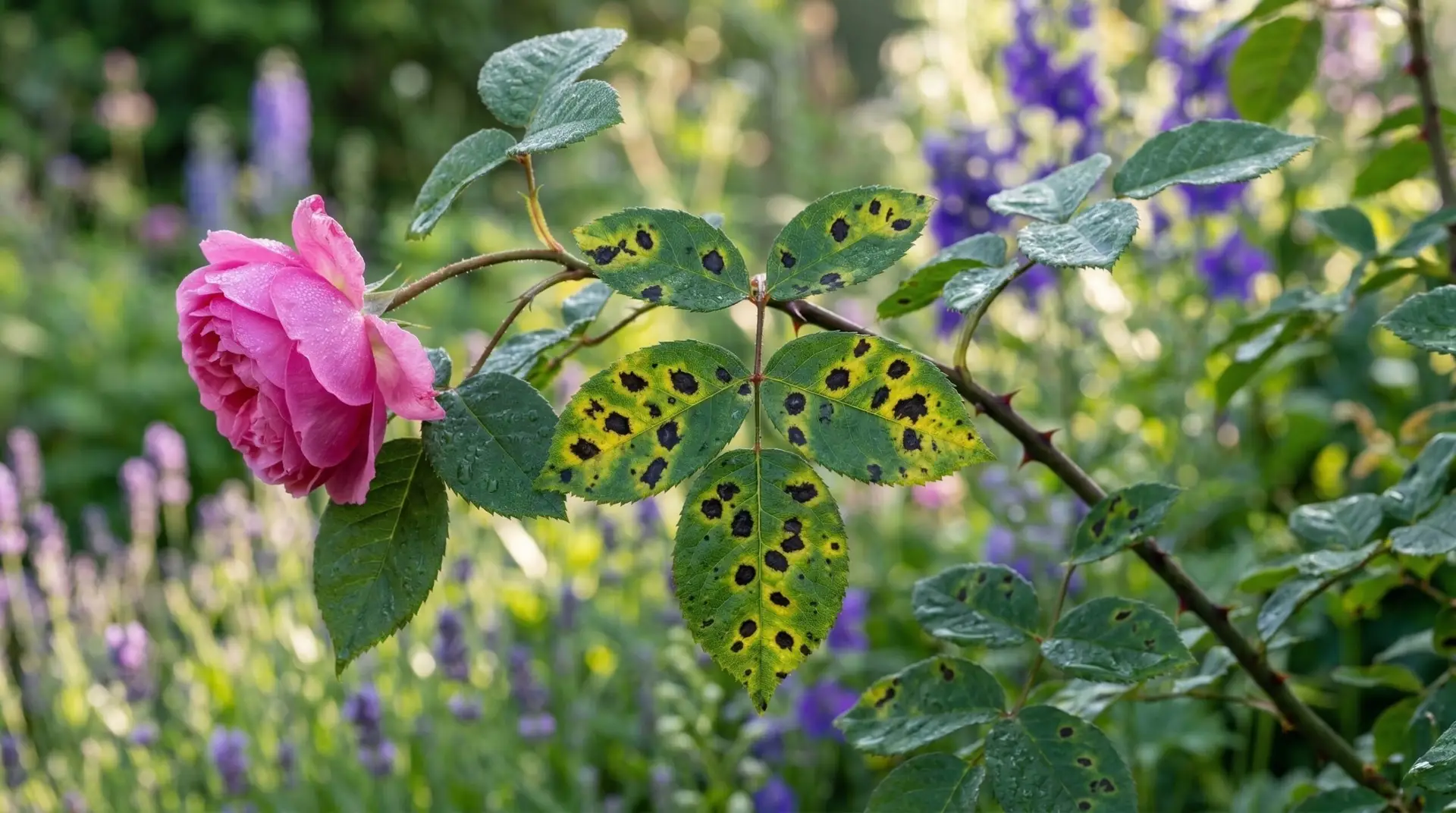
Catching the disease early makes a massive difference in how much foliage your plant will lose. The first signs almost always appear on the lower leaves of the plant, usually in late spring or early summer when the weather warms up and humidity rises. You will notice small, fringed black circles that look almost like ink drops bleeding into the green leaf tissue. If you ignore these early spots, the fungus will rapidly produce new spores that splash upward onto the rest of the plant every time it rains. By the time the upper canopy is infected, the plant is already severely stressed and will spend all its energy trying to push out new leaves instead of producing flowers.
The moment you see those fringed black circles, you need to physically remove the infected leaves from the plant and the surrounding soil. Do not throw these diseased leaves into your compost pile, because the spores will happily survive the winter there and infect your garden again next year. You must bag them up and put them in the household trash to break the cycle completely. You also need to clean up any fallen debris around the base of the rose bush, as the fungus overwinters in the soil and on old plant material. Sanitation is your first and most effective line of defense against any rose fungus, and skipping this step makes all other treatments useless.
Changing how you water and prune
Cultural practices dictate how hospitable your garden is to fungal diseases. If you water your roses from above using a sprinkler or a hose nozzle, you are practically begging for black spot to move in. Wet leaves are the primary trigger for spore germination, so you must transition to watering the soil directly at the base of the plant. Using a soaker hose or a drip irrigation system keeps the foliage completely dry while delivering moisture exactly where the roots need it. If you absolutely must water by hand with a hose, do it early in the morning so the sun has plenty of time to dry off any stray drops that hit the lower leaves.
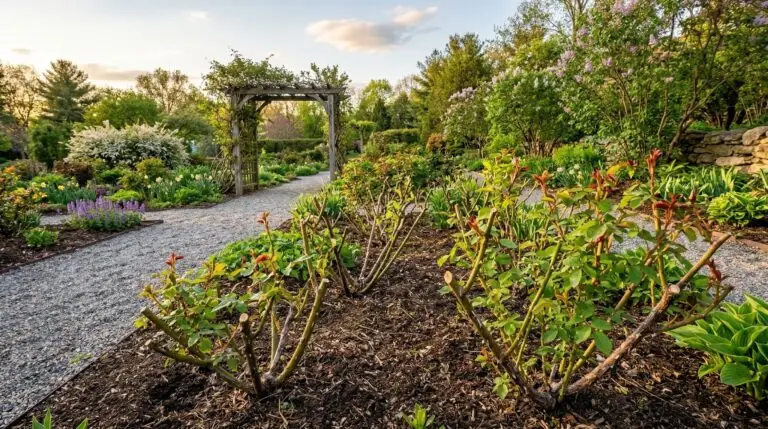
Air circulation is the second half of the cultural prevention equation. A dense, overgrown rose bush traps humidity in its center, creating a perfect microclimate for fungal spores to thrive. When you prune in the early spring, your goal should be to open up the middle of the plant to allow wind and sunlight to pass straight through the canes. You want to remove any crossing branches and thin out the weaker growth, leaving an open bowl shape that dries out quickly after a rainstorm. Good airflow is just as important for roses as it is for other densely planted ornamentals, whether you are growing phlox in a mixed border or managing a dedicated flower bed.
Using organic sprays the right way
Many gardeners turn to organic sprays when they see black spot, but they usually apply them incorrectly and end up disappointed. Organic treatments like neem oil, copper fungicides, or sulfur powders are strictly preventive tools that coat the healthy leaves to stop spores from germinating. If you wait until the plant is completely covered in spots to start spraying, you are wasting your time and your money. You have to begin your spray routine in the spring just as the new leaves are unfurling, well before you see any signs of disease. You also must reapply these treatments every seven to ten days and immediately after any heavy rain washes the protective coating away.
Spraying requires consistency and a realistic understanding of what organic products can actually achieve. Neem oil works well as a barrier, but it can burn your rose leaves if you apply it during the heat of a sunny day. Copper fungicide is highly effective against rose disease, but it can build up in your soil over time if you use it excessively year after year. Baking soda mixed with horticultural oil is a popular home remedy that changes the pH of the leaf surface, making it harder for the fungus to take hold. Whichever organic option you choose, you must coat both the top and the bottom of every single leaf for the barrier to work effectively.
Knowing when to replace a struggling plant
There comes a point where fighting black spot on a highly susceptible rose bush is simply not worth your time or energy. Older hybrid tea roses were bred almost entirely for their flower shape and color, with absolutely no regard for disease resistance. If you have a plant that defoliates completely every single July despite your best efforts at sanitation and spraying, it is time to dig it up. Gardening should not feel like a constant hospital ward where you spend your weekends nursing weak plants on life support. You are much better off removing the chronic underperformer and replacing it with a plant that actually wants to live in your climate.
Modern rose breeders have spent the last few decades developing incredibly tough varieties that naturally shrug off fungal diseases. Shrub roses and landscape roses are now widely available in garden centers, and they require a fraction of the maintenance that older cultivars demand. When you shop for a new rose, read the tags specifically looking for high disease resistance ratings rather than just falling in love with a picture of the bloom. You might also consider mixing your new roses with other resilient summer bloomers, like a sturdy dahlia, to create a diverse garden that does not rely on a single plant family for color. A mixed planting naturally slows down the spread of disease because the fungal spores cannot jump as easily from host to host.
The single most useful piece of advice I can give you about growing roses is to stop fighting nature and start selecting better genetics. You can spend hundreds of dollars on organic sprays and dedicate hours every week to picking off diseased leaves, but a genetically weak plant will always struggle. If you start with a highly resistant variety, plant it in full sun, and water it at the base, you will rarely have to think about black spot at all. Set yourself up for success at the garden center, and you will actually get to enjoy your flowers instead of constantly managing their problems.
More About Roses
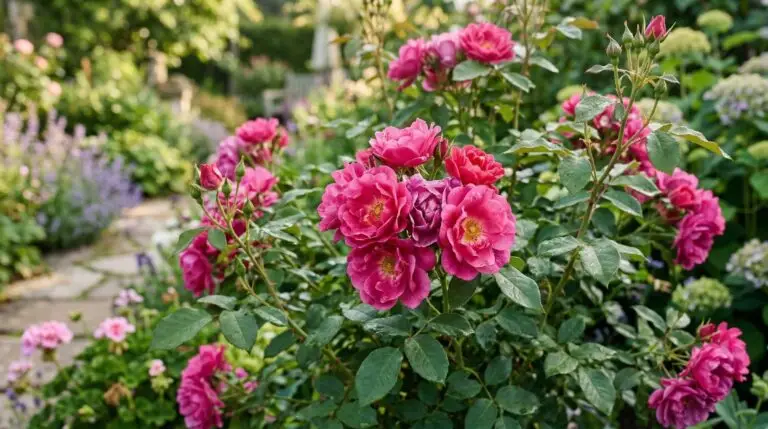
How to grow roses for beginners with disease-resistant varieties that practically care for themselves

Climbing roses that cover walls arbors and fences with cascading blooms
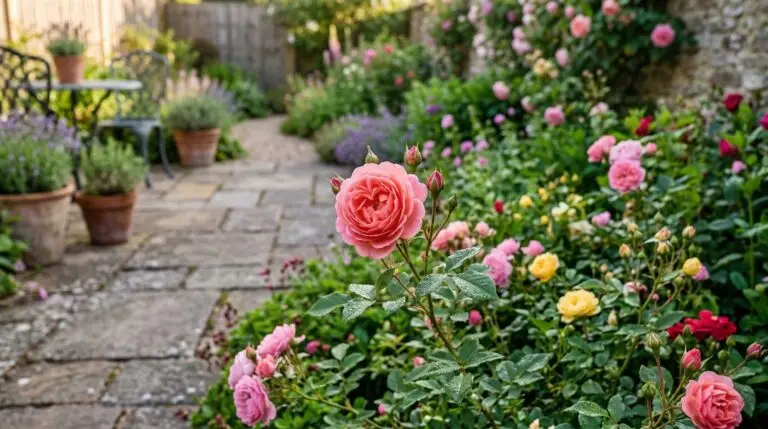
Growing roses in containers for patios balconies and small-space rose gardens

Rose flower meaning by color and the centuries-old language that speaks through roses
Roses in wedding flowers and the timeless tradition of the bridal rose bouquet
Best David Austin English roses for old-fashioned fragrance and modern disease resistance
Making rose water and rose petal recipes from your garden’s fragrant harvest

Companion plants for roses that complement without competing for the spotlight