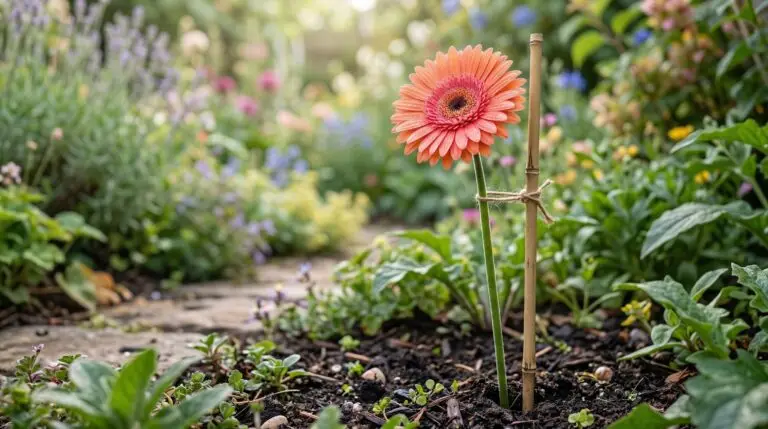
When approaching the vast world of gerbera daisies, the sheer volume of available seeds and starts can overwhelm even experienced growers. Most catalogs attempt to sell every possible variation, treating all gerberas as interchangeable plants that belong in any garden. This approach ignores the reality of how these plants have been bred over the last few decades. The modern gerbera is highly specialized, divided strictly into plants meant for greenhouse cut flower production, compact plants for windowsill pots, and rugged plants for outdoor garden beds. Choosing the right plant requires understanding these distinctions rather than just picking an appealing color from a photograph. By focusing on specific breeding lines that excel in their intended environments, you can avoid the common disappointment of watching a delicate florist variety wither in a garden border. This curation focuses only on the most reliable gerbera daisy varieties, separating the exceptional performers from the merely adequate.
The shift toward garden performance
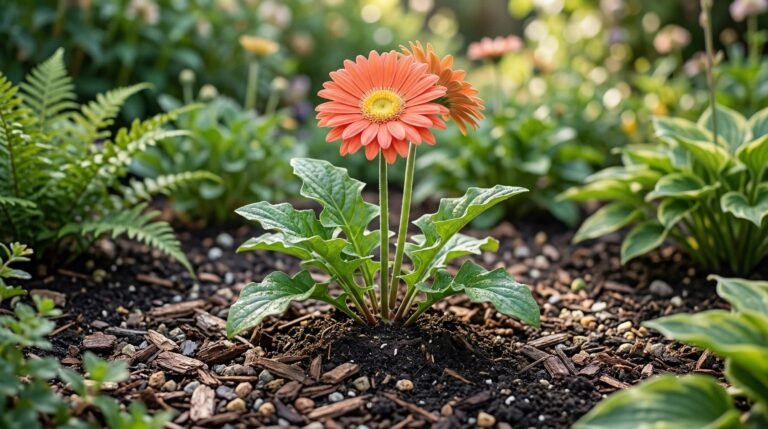
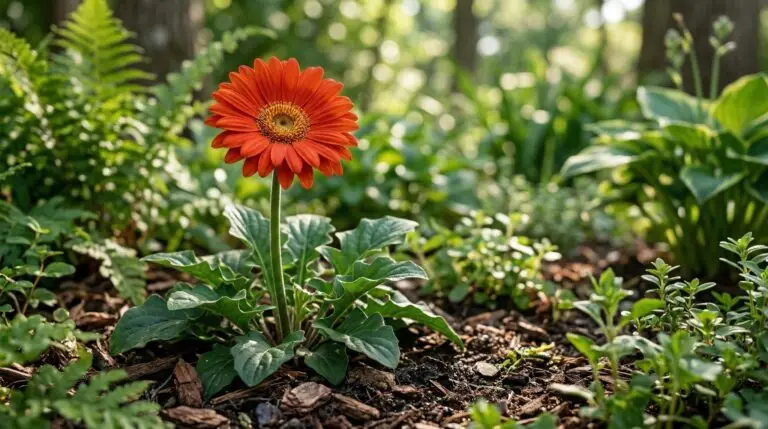
For years, planting gerberas directly in the garden was an exercise in frustration because the available plants were simply greenhouse varieties forced into outdoor service. They succumbed quickly to powdery mildew, crown rot, and minor temperature fluctuations. The introduction of the Garvinea series completely changed how we can use these plants in outdoor soil. Bred specifically for garden resilience, Garvinea varieties resist the fungal diseases that decimate standard types and tolerate surprisingly cool temperatures. They produce smaller flowers than the massive florist types, but they compensate by producing dozens of blooms continuously from spring until the first hard frost. If you want a gerbera that behaves like a reliable perennial rather than a fragile annual, the Garvinea series is the only logical choice. Many traditional guides still recommend planting standard florist types in garden beds, but in practice, they underperform significantly compared to these dedicated landscape varieties.
Precision breeding for containers
When growing plants in containers, the sprawling, long-stemmed habit of a cut-flower gerbera looks awkward and unbalanced. For pots and window boxes, the Revolution series offers a highly engineered alternative that maintains a tight, uniform shape. Revolution gerberas are bred to hold their large flowers on thick, short stems just above a compact mound of dark green foliage. This creates a balanced ratio of flower to foliage that looks intentional rather than overgrown. The Flori Line series provides a similar level of compact precision, but it offers an even wider range of gerbera daisy colors, including complex bicolors and striking dark central eyes. Both of these series are intended for controlled container environments where soil moisture and temperature are managed carefully. They lack the rugged disease resistance of the Garvinea plants, but they deliver superior visual impact when given the sheltered conditions of a patio pot or a bright indoor windowsill.
The appeal of spider forms
Most people associate gerberas entirely with the classic, broad-petaled daisy shape, entirely missing the textural variety available in other forms. Spider types represent a distinct departure from the standard look, featuring long, narrow petals that twist and curve outward from the center. These types of gerberas offer a delicate, refined appearance that contrasts sharply with the bold, heavy look of traditional varieties. In floral arrangements, spider gerberas provide a visual complexity somewhat similar to a cactus-flowered Dahlia, breaking up the visual weight of mixed bouquets. Varieties like ‘Gerrondo’ push this textural boundary even further, producing nearly spherical blooms packed with hundreds of tightly arranged petals. While standard flat faces are excellent for bold color blocks, the spider and double forms invite closer inspection and add necessary texture to both garden beds and cut flower vases. I frequently bypass standard singles in favor of these narrow-petaled forms because they elevate a common flower into something unexpected.
Navigating the color spectrum
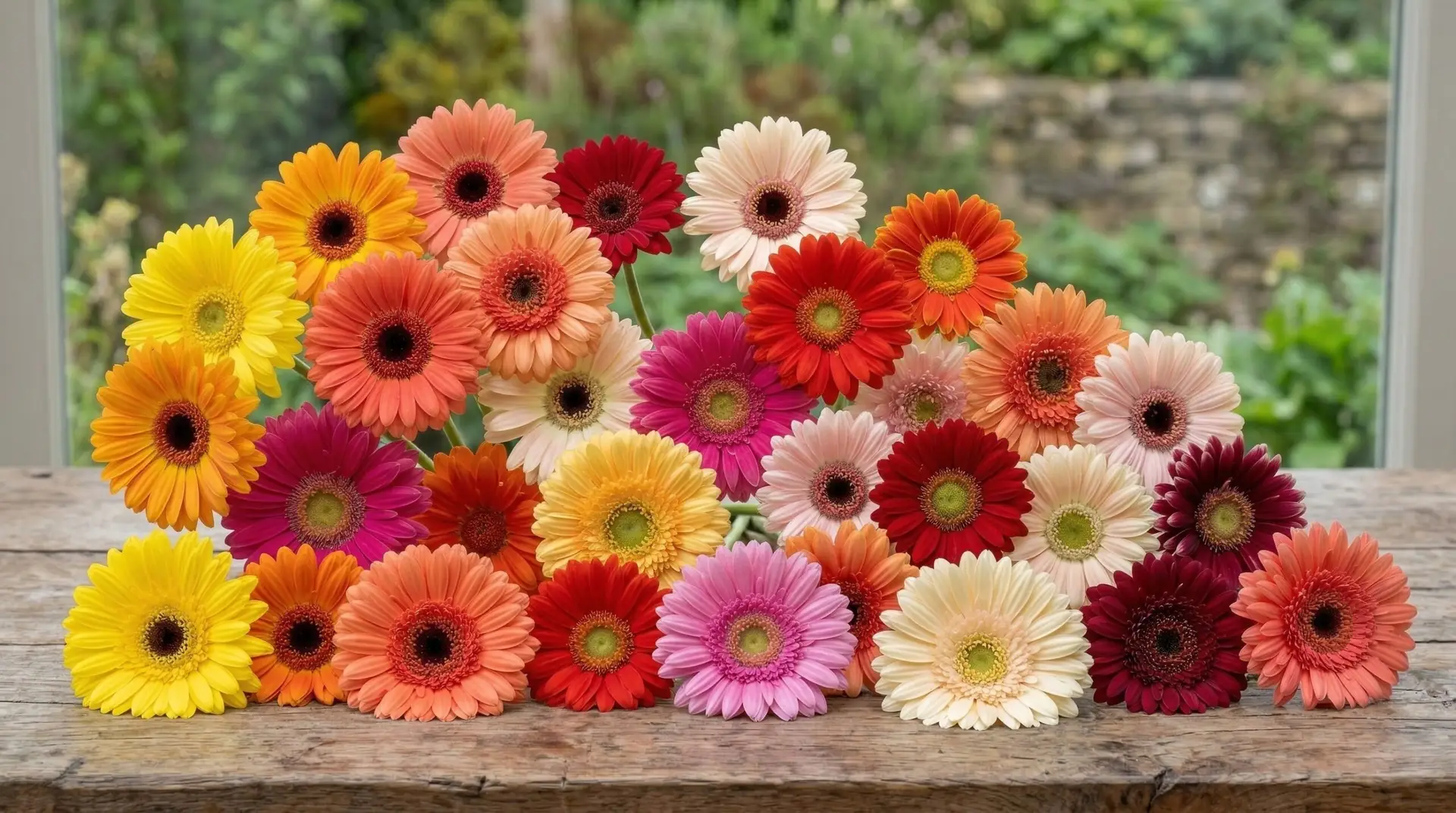
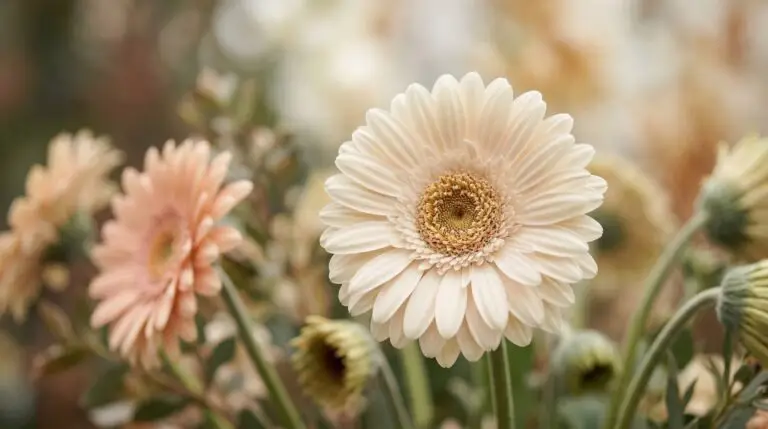
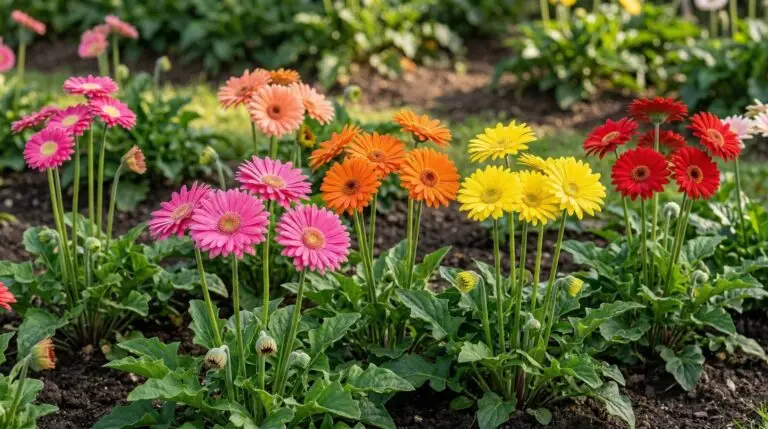
The available gerbera daisy colors span almost the entire warm side of the color wheel, stopping short only of true blues and purples. Breeders have refined the clarity of their reds, oranges, and yellows to a level of saturation rarely found in other daisy species. When selecting colors, the most interesting choices often feature a dark, nearly black central disk, which grounds the bright petals and prevents the flower from looking washed out. Bicolored varieties, where the petals fade from a dark base to a lighter tip, offer more visual depth than solid, monochromatic blooms. If you prefer a more subdued palette, the pastel pinks and pure whites provide a crispness that rivals the classic Shasta Daisy while offering a much larger, more substantial bloom. I recommend avoiding the artificially dyed or painted gerberas commonly sold in grocery stores, as these unnatural neon shades obscure the genuine, clear colors that make the natural plant so appealing.
Top recommendation for home growers
After evaluating the numerous types of gerberas available to modern growers, the clear standout for the home gardener is the Garvinea ‘Sweet’ series. Specifically, ‘Sweet Spice’ offers a rich, deep magenta flower that resists fading even in intense summer sun. While the Revolution and Flori Line series are excellent for precise container work, the Garvinea line fundamentally solves the historical problems of growing gerberas outside of a greenhouse. It transforms a high-maintenance, frustrating plant into a durable, heavy-blooming garden staple. The stems are long enough for casual cutting, the color saturation is excellent, and the plant survives conditions that would rot a standard gerbera in weeks. By choosing a variety bred specifically for your intended use, you ensure a healthy plant that delivers the continuous color gerberas are known for.
More About Gerbera Daisy
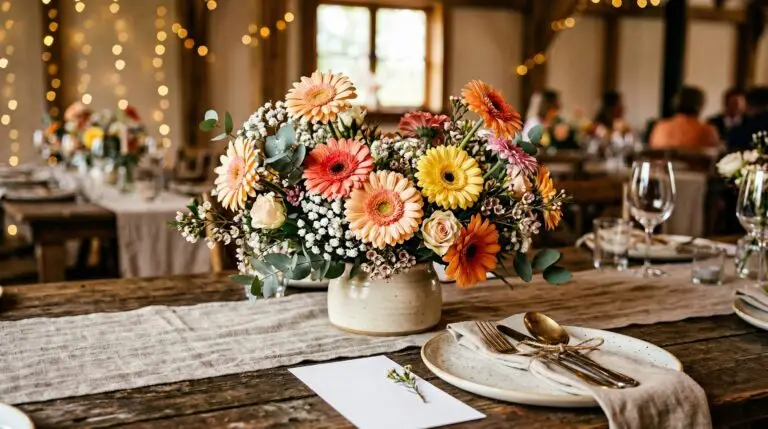
Gerbera daisies in wedding bouquets for colorful fun alternatives to traditional flowers
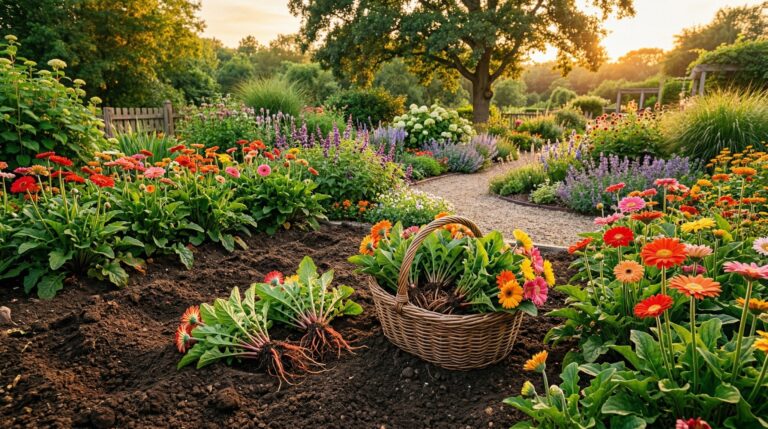
Overwintering gerbera daisies in cold climates and bringing them back year after year
Gerbera daisy meaning and why these happy flowers represent cheerfulness and joy
How to grow gerbera daisies for bold cheerful color in gardens and containers
Why gerbera daisies die indoors and the crown rot problem that kills most gift plants
Garvinea gerberas the hardy outdoor series that changed gerbera gardening forever
Growing gerbera daisies from seed and the patience needed for these slow starters