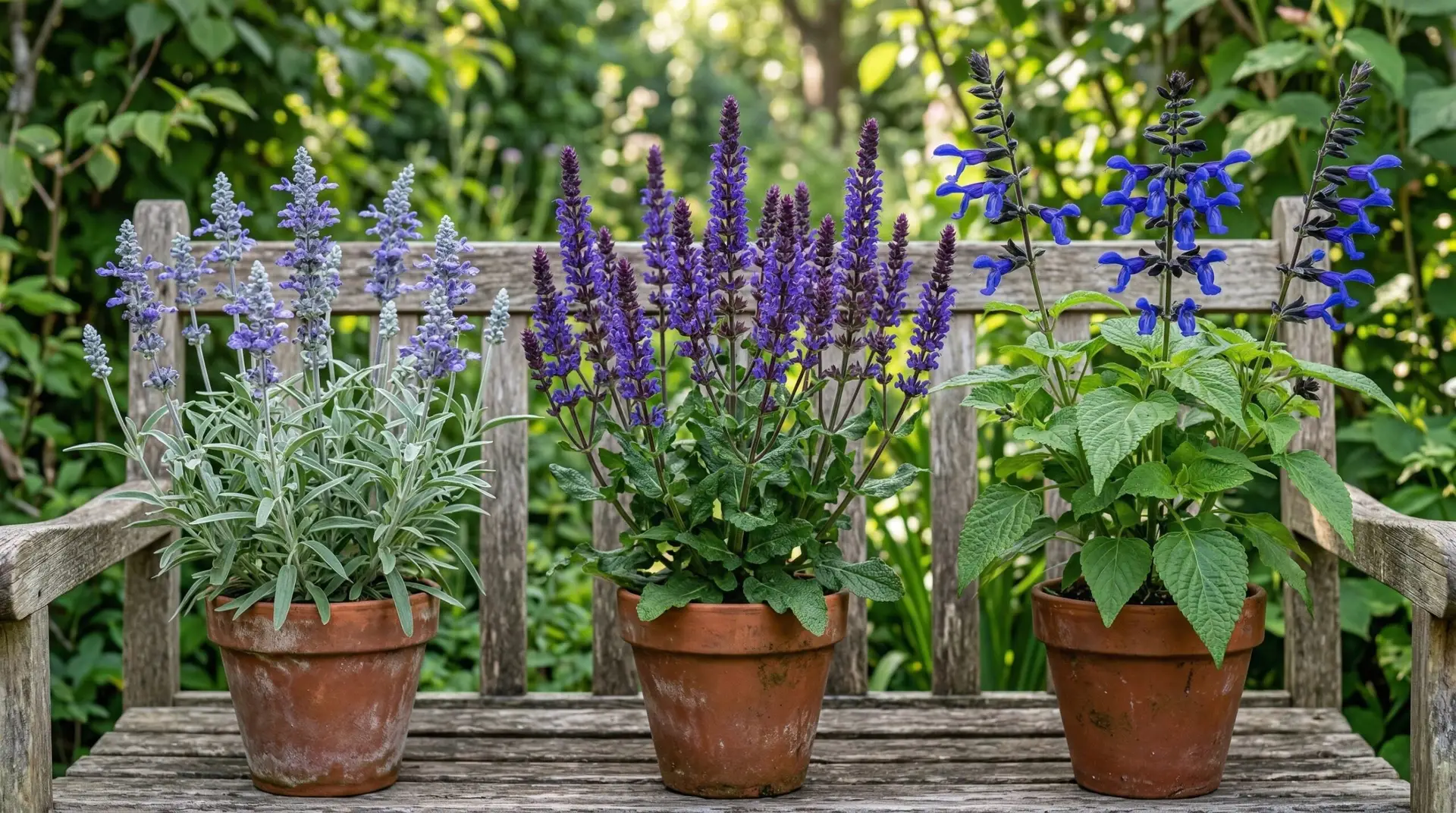
Walking into a garden center in spring means facing tables full of blue salvia. The tags often label them simply as annual or perennial, but the reality is more complicated. The choice you make determines whether you plant once for years of early summer color or buy flats every spring for continuous blooms until frost. Understanding how these plants differ in growth habit, bloom timing, and cold hardiness helps you pick the right one for your specific garden goals. The three most common types you will encounter are woodland salvia, mealycup salvia, and anise-scented salvia.
The distinction between an annual and a perennial salvia usually comes down to your local climate rather than the plant itself. Many salvias sold as annuals in cold climates are actually tender perennials that live for years in southern states. True cold-hardy perennials survive freezing winters and return reliably from their root systems each spring. Tender perennials will die at the first hard frost unless you live in a warm climate or bring them indoors for the winter. Knowing which category your blue salvia falls into prevents expensive disappointments and helps you plan your garden beds effectively.
Understanding cold hardy woodland salvia
If you want a plant that survives freezing winters and returns year after year, woodland salvia is the most reliable choice. Botanically known as Salvia nemorosa, this plant thrives in United States Department of Agriculture hardiness zones three through eight. It forms a dense clump of wrinkled, aromatic leaves that stays close to the ground. In late spring or early summer, it sends up dozens of rigid spikes covered in small, densely packed blue or purple flowers. The mature plant usually reaches eighteen to twenty-four inches tall and wide. This compact size makes it a tidy addition to the front or middle of a flower border.
The main trade-off with woodland salvia is its bloom cycle. Unlike annual types that flower continuously, this perennial puts on a massive, unified show for about three to four weeks and then stops. To get a second, smaller flush of color in late summer, you must shear the entire plant back by half after the first flowers fade. You will need a pair of sharp shears to cut the stems down to the basal foliage. If you skip this maintenance step, the plant will look untidy and produce very few new blooms. Gardeners who want a low-maintenance, long-blooming perennial alternative often look toward Catmint or Russian Sage, though neither offers the intense, dark violet-blue color of woodland salvia.
The continuous color of mealycup salvia
Mealycup salvia, or Salvia farinacea, is the plant most northern gardeners buy as an annual bedding plant. It is only winter hardy in zones eight through ten, meaning a typical winter in colder regions will kill the roots completely. Garden centers sell these in affordable flats or small pots for mass planting in garden beds and containers. The stems and flower calyxes have a slightly fuzzy, silvery-white appearance that makes the deep blue petals stand out clearly. The plants grow in a narrow, upright habit. They usually reach twelve to twenty-four inches in height depending on the specific variety and soil fertility.
The greatest advantage of mealycup salvia is its relentless flower production. Once planted in the spring, it will push out new flower spikes continuously until a hard frost kills the plant in autumn. You do not need to deadhead or shear this plant to keep the color coming. This self-cleaning nature saves significant time during the hottest parts of summer. The primary drawback is the recurring cost and labor of buying and planting new flats every single spring. You are trading the permanence of a hardy perennial for the convenience of non-stop summer color.
The tall architectural presence of anise sage
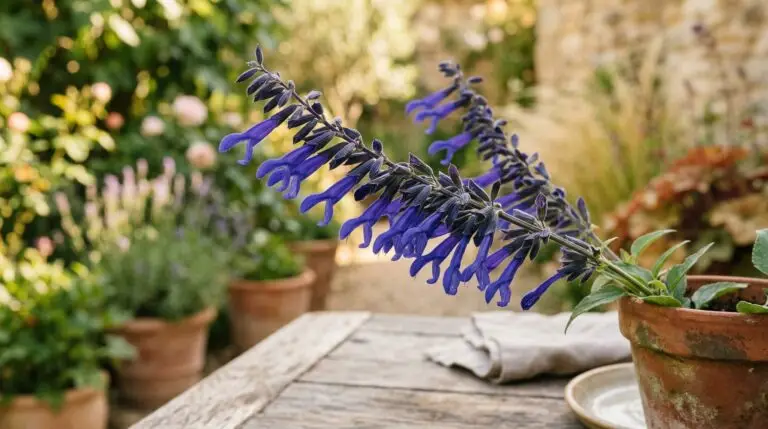
Salvia guaranitica, commonly called anise-scented sage, offers a completely different scale and shape compared to the other two options. This tender perennial is hardy in zones seven through ten, though many gardeners in colder zones grow it as a large annual. It grows rapidly in a single season, easily reaching three to five feet tall with a wide, branching habit. The flowers are much larger than those of woodland or mealycup types. They form long, tubular blossoms in striking shades of cobalt blue or deep purple. The leaves are large, bright green, and release a distinct licorice scent when brushed or crushed.
Anise sage requires ample space and sometimes needs staking if grown in rich soil or windy locations. The large tubular flowers make it one of the most effective plants for attracting hummingbirds to a garden. It typically begins blooming in mid-to-late summer, right when many early perennials are looking tired. Because of its size and bold texture, it pairs exceptionally well with other large, warm-weather lovers like Scarlet Sage or tall zinnias. If you have a small garden, this large plant might overwhelm your space. It works perfectly at the back of a deep border where it can lean on surrounding plants for support.
Making the right choice for your garden space
Choosing between these three types of blue salvia depends entirely on your climate, available space, and maintenance preferences. If you live in a cold climate and want to invest in permanent garden beds, woodland salvia makes the most financial sense. The initial purchase price is higher than a flat of annuals, but the long-term value is much better. You will plant it once, watch it slowly expand over the years, and enjoy a heavy burst of early summer color. You just have to accept the required mid-summer pruning and the reality that it will not provide color in August without that effort.
Gardeners who rely on containers or want a solid block of blue color all summer long should choose mealycup salvia. The continuous bloom cycle and tidy, upright habit make it ideal for filling gaps between shrubs or lining a front walkway. You must factor the annual replacement cost into your spring budget, but the payoff is a completely maintenance-free color display from June through October. If you have a large garden and want to draw wildlife, the massive size and late-season nectar supply of anise sage provides the best results. By matching the plant’s natural growth cycle to your specific needs, you can easily find the right blue salvia for your yard.
More About Blue Salvia
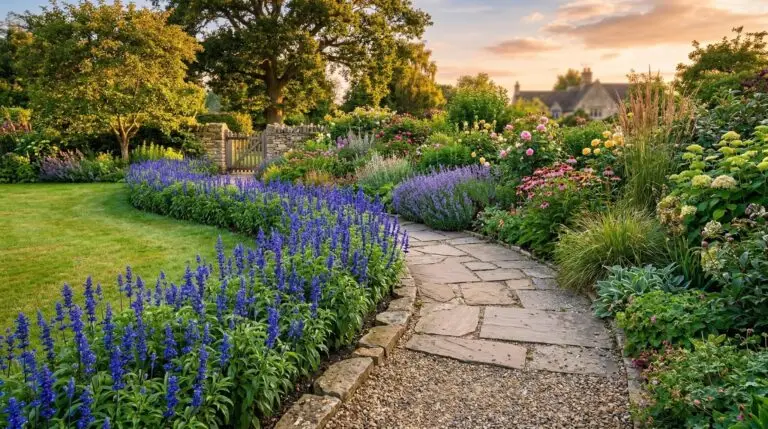
Growing blue salvia as a fragrant edging plant along walkways and garden paths
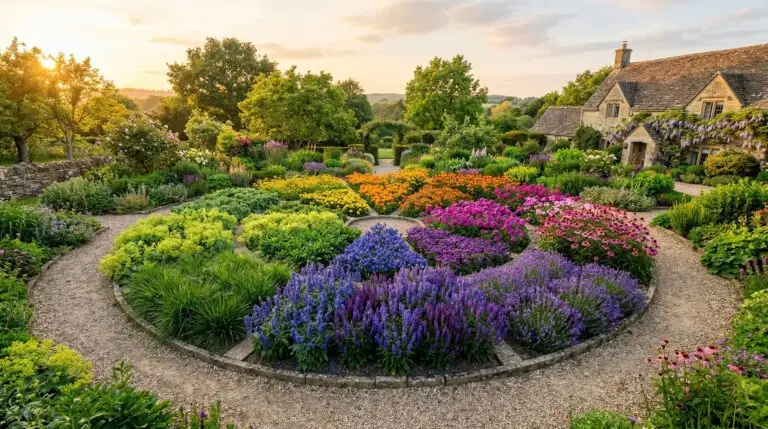
Blue salvia and yellow marigold together for a classic complementary color garden
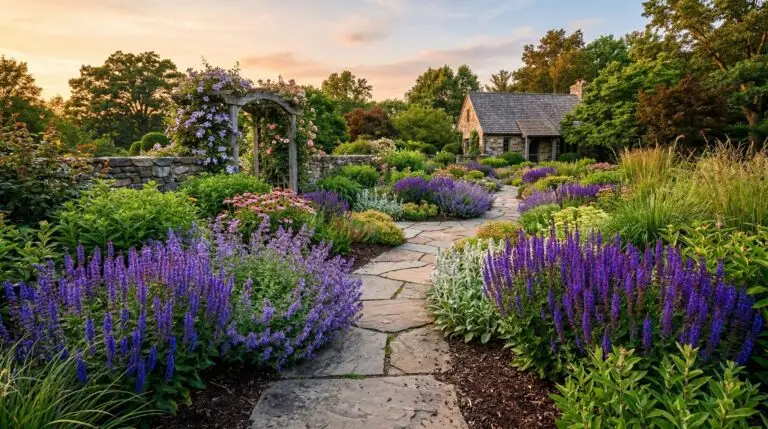
How to overwinter blue salvia in cold climates and bring it back stronger
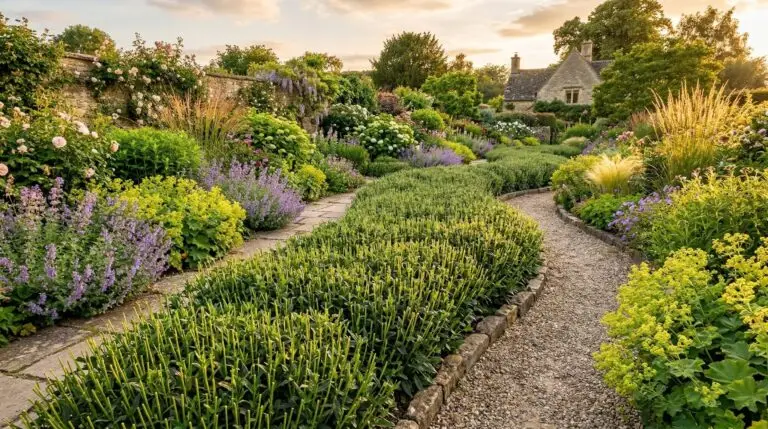
How to prune and deadhead blue salvia for a second and third flush of blooms
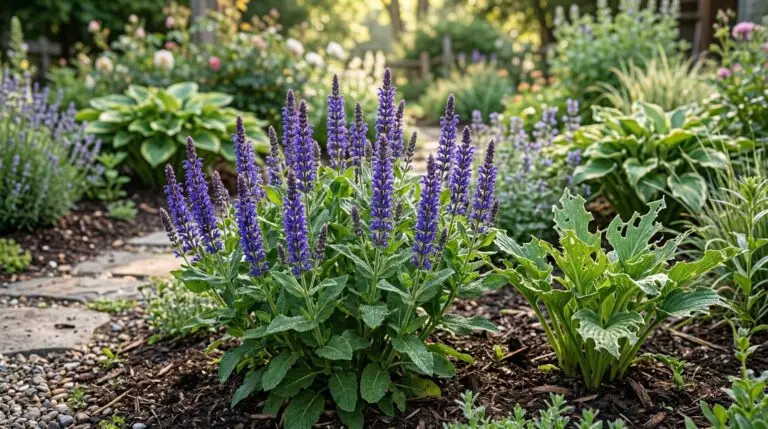
Blue salvia as a deer-resistant flower for gardens where deer are a constant problem
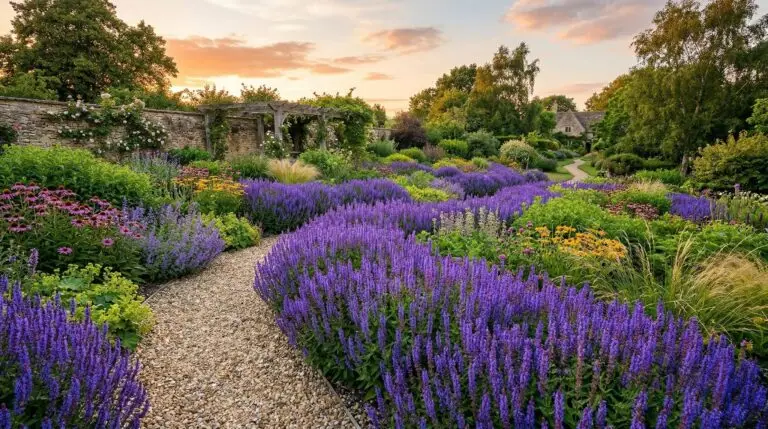
Blue salvia in mass plantings for dramatic sweeps of color in large gardens
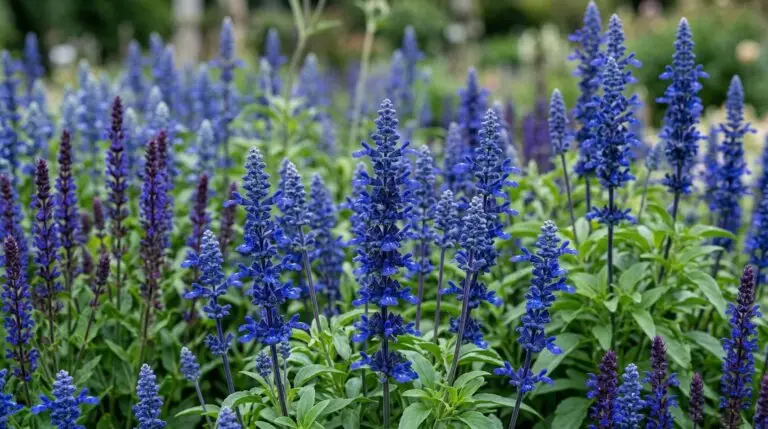
Best blue salvia varieties for non-stop color from late spring through first frost
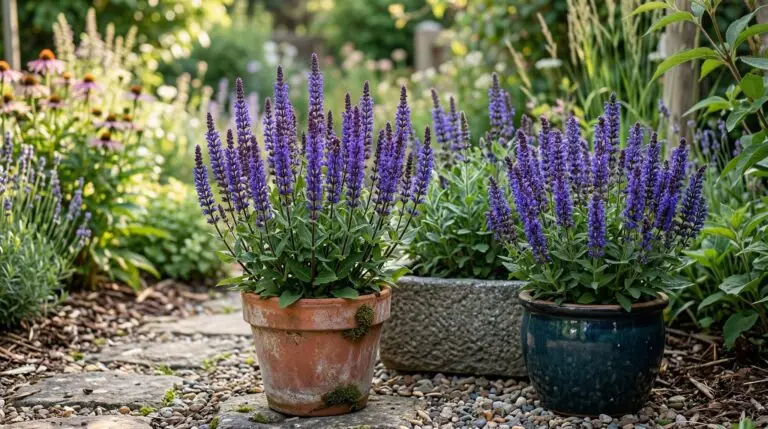
How to grow blue salvia in containers for a burst of color on sunny patios