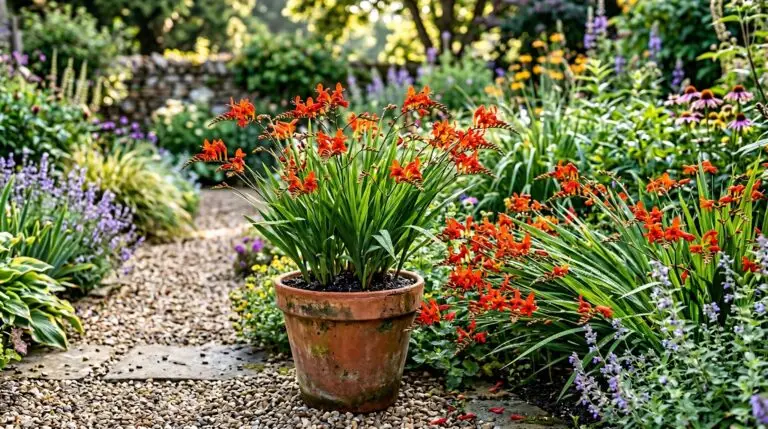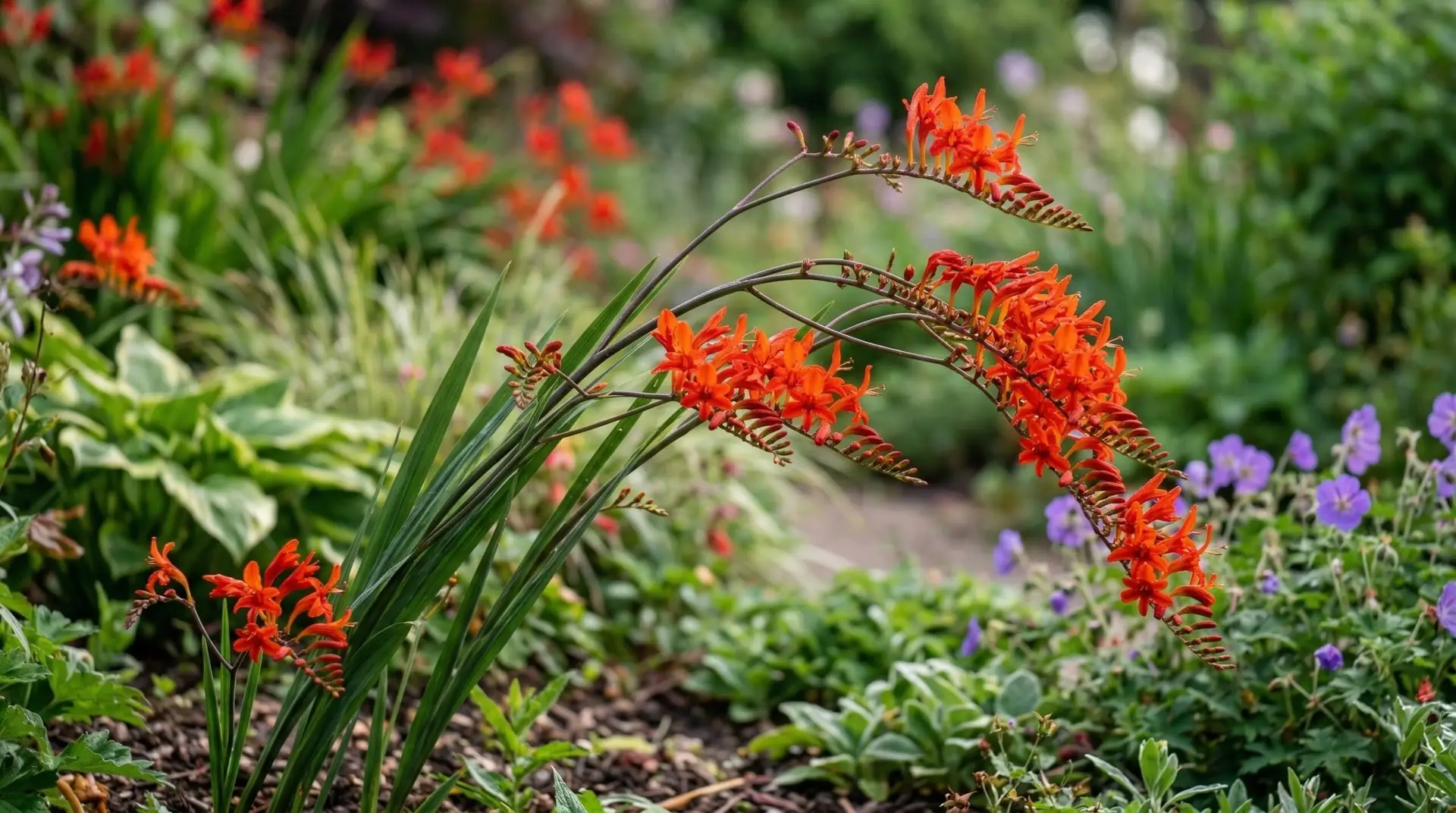
Late August arrives with a heavy, golden heat that seems to press the garden into submission. Most early summer blooms have long since faded, leaving behind exhausted foliage and seed heads baking in the afternoon sun. Out of this late season lull emerges a flash of intense, unapologetic color rising above sword-like leaves. The slender, arching stems of crocosmia hold tight rows of tubular buds that open from bottom to top in shades of burnt orange, deep crimson, and saturated gold. Bringing a crocosmia cut flower indoors captures that wild, late summer heat and distills it into a vase. The delicate curve of the stem offers a sense of untamed movement that formal garden flowers rarely provide. Gardeners looking for something to wake up their quiet indoor spaces find exactly what they need in these fiery, graceful sprays.
Translating that outdoor wildness into an indoor display requires understanding how these stems behave once separated from the soil. The architecture of a crocosmia arrangement relies entirely on the natural swooping habit of the flower spikes. Instead of forcing them into rigid, symmetrical domes, the designer must let the stems dictate the shape of the composition. A few carefully placed stems can transform a simple glass jar into a dynamic, asymmetrical sculpture that draws the eye across the room.
The architecture of the arching stem
Traditional floral design often leans heavily on round, face-forward blooms that create solid masses of color. Crocosmia introduces a completely different structural element to the vase through its horizontal and cascading lines. The freesia-like sprays shoot outward, creating negative space and giving the arrangement a much needed sense of breathing room. When you place a crocosmia stem in a vessel, it wants to lean, curve, and reach beyond the rim. This wandering habit is exactly what makes the flower so useful for softening the stiff edges of a mixed bouquet. A heavy ceramic pitcher or a wide-mouthed glass urn provides the visual weight needed to anchor these restless, reaching stems. The tension between a solid, grounded vase and the airy, darting flowers creates a highly satisfying visual balance.
Finding the right companions for such distinct shapes takes a bit of garden foraging. The linear quality of the stems pairs beautifully with the fluffy, diffused textures of late summer ornamental grasses. Panicum or fountain grass plumes echo the arching habit of the crocosmia, creating a cohesive, meadow-like feeling. Together, they build a delicate framework that holds the heavier focal flowers without looking crowded or over-engineered.
Knowing when to cut for the vase
Harvesting these bright spikes requires a careful eye and a sharp pair of bypass pruners. The ideal moment to cut a stem is when the lowest one or two blossoms on the spike have just opened, leaving the rest of the buds tightly closed but showing strong color. If you wait until the entire spray is blooming, the lower flowers will quickly wither and drop once brought indoors. Cutting early in the morning, before the sun has a chance to pull moisture from the leaves, ensures the stems are fully hydrated. You want to follow the stem down into the foliage and make a clean, angled cut near the base of the plant. Immediately plunging the freshly cut stems into a bucket of cool, clean water prevents the vascular system from sealing over. This prompt hydration is the secret to achieving a long crocosmia vase life, keeping those upper buds firm and ready to unfurl over the coming days.
Once the bucket is full, letting the stems rest in a cool, dark room for a few hours before arranging makes a noticeable difference. This conditioning period allows the plant tissues to draw up maximum water and firm up before they are handled and manipulated. Stems that skip this resting phase often develop a limp, drooping appearance at the very tip of the flower spike. A well-conditioned stem will hold its graceful curve without sagging, giving you a sturdy material to work with at the design table.
Designing with summer fire
The color palette of crocosmia demands companions that can hold their own against such intense saturation. Deep burgundy, bronze, and mustard yellow flowers create a rich, autumnal harmony that feels appropriate for the shifting season. Bringing in a dark, velvet-petaled dahlia provides a heavy, grounding focal point that contrasts perfectly with the delicate, hovering crocosmia blossoms. If you want to lean into the brightest end of the spectrum, adding a rusty-hued sunflower amplifies the warm, golden tones of the arrangement. The broad, flat face of the sunflower offers a resting place for the eye, while the crocosmia stems shoot out like sparks from a fire. Even a heavily scented, warm-toned lily can share the stage, provided the colors remain in that same family of sunset hues. Mixing these bold characters results in a display that feels generous, abundant, and completely tied to the late summer garden.
Working with the foliage of the crocosmia plant adds another layer of texture to the design. The stiff, pleated leaves look like green swords and can be cut to provide a strong vertical contrast to the arching flower stems. Placing a few of these rigid leaves at the back or center of the vase gives the softer elements a sturdy backdrop. The leaves last just as long in water as the flowers do, making them a practical and visually striking addition to the mix.
Sustaining the display indoors
A well-tended crocosmia arrangement can easily last a week or more on the dining room table. The progression of the blooms is a quiet daily event, with the lower flowers fading as the higher buds swell and pop open. To keep the display looking fresh, you must pinch off the spent blossoms at the bottom of the spike every day or two. This grooming prevents the decaying petals from dropping into the water and encourages the stem to send its energy to the unopened buds. The water in the vase needs to be changed completely every other day to prevent bacterial buildup, which clogs the stems and shortens their lifespan. Giving the stems a fresh, quarter-inch trim each time you change the water keeps the vascular tissue open and drinking freely. Keeping the vase away from direct sunlight and ripening fruit will also slow down the aging process of the flowers.
There is a distinct satisfaction in watching the final, smallest bud at the tip of the arch finally open. By this time, the lower portion of the stem is bare, but that single remaining spot of color holds a quiet, stubborn beauty. The garden outside is slowing down, the days are getting shorter, and the morning air carries a chill. Yet, resting in a glass jar on the kitchen counter, that last spark of orange continues to burn, holding onto the heat of summer just a little bit longer.
More About Crocosmia
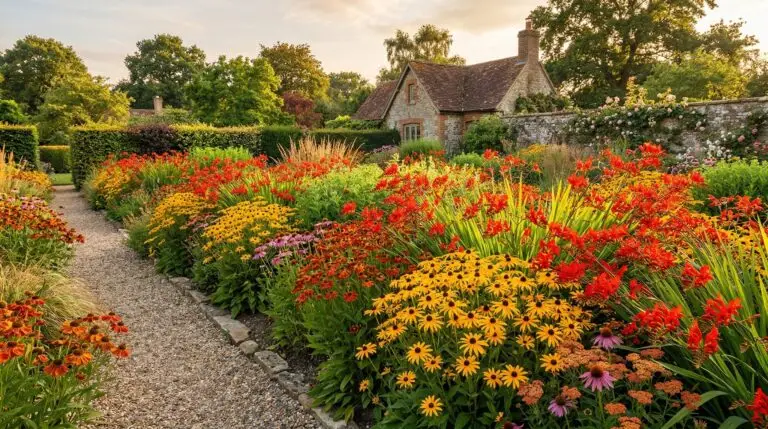
Crocosmia companion plants: what to grow, what to avoid

Overwintering crocosmia corms in cold climates zones 5 and below
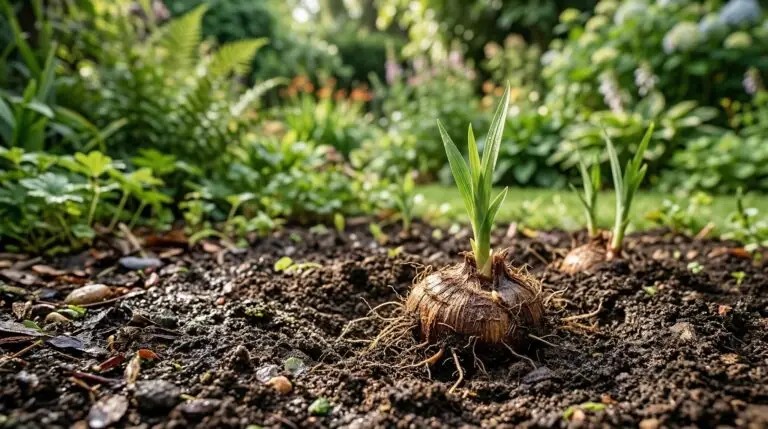
How to grow crocosmia for fiery arching sprays of color in midsummer gardens
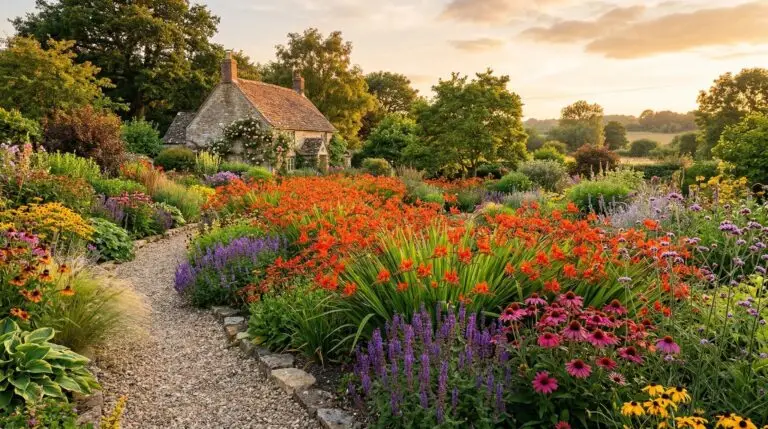
Designing a late summer garden with crocosmia that peaks when spring flowers are gone
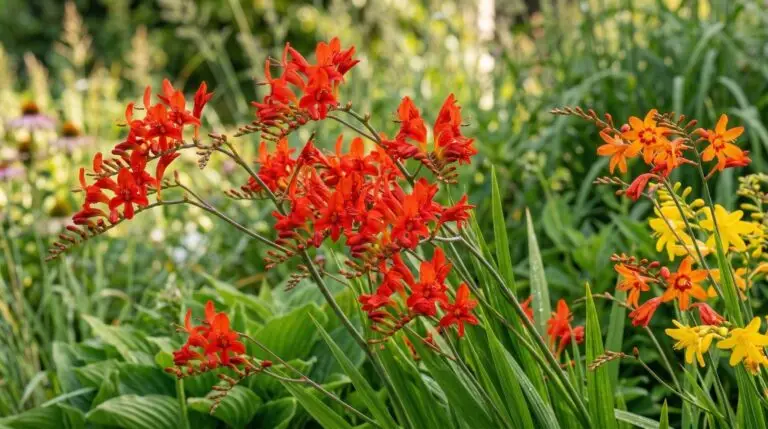
Best crocosmia varieties from fiery Lucifer to golden Emily McKenzie
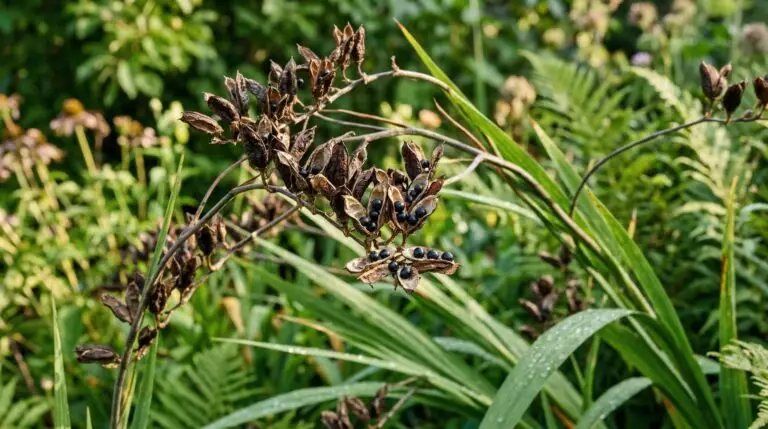
Crocosmia seed pods and how to propagate new plants from seed for unique varieties
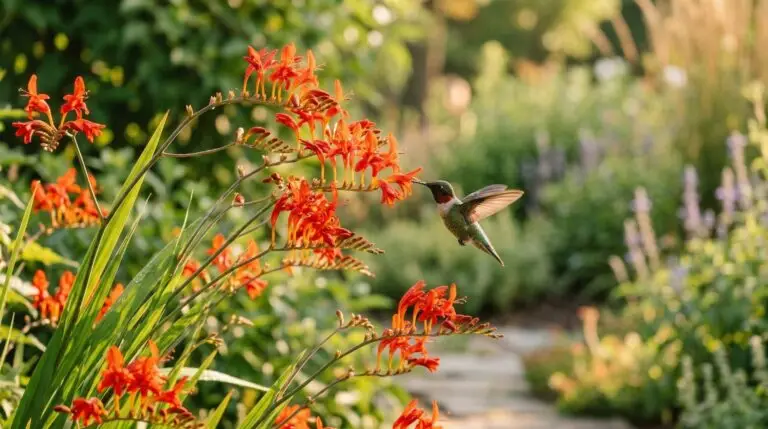
Crocosmia as a hummingbird magnet and why they prefer these tubular flowers