You wait all spring for your tall garden phlox to grow, anticipating those massive flower heads, only to find the leaves covered in a dusty white film by July. This is phlox powdery mildew, and it is the single most common frustration home gardeners face with this particular plant. People usually notice it when the lower leaves start looking like they were sprinkled with flour, eventually turning yellow and dropping off entirely. The bad news is that once the white powder completely covers the foliage, you cannot reverse the damage or make the leaves green again. The good news is that this fungal disease follows very specific rules, and understanding those rules makes it highly preventable. By changing a few basic habits in your garden, you can stop the fungus from taking hold in the first place.
Understanding the environment that fuels powdery mildew
Powdery mildew spores exist everywhere in the outdoor environment, just waiting for the right weather conditions to wake up and multiply. This specific fungus thrives when the days are warm, the nights cool down, and the ambient humidity stays high. Phlox naturally grows with a dense cluster of stems and tightly packed leaves, which creates the exact microclimate the spores need to survive. When you have a thick clump of foliage, air cannot move through the center of the plant to dry out the trapped moisture. The stagnant, humid air inside that dense cluster allows the fungal spores to germinate and spread rapidly across the leaf surfaces. This cause-and-effect relationship explains why plants crammed against solid fences or tucked behind taller shrubs always get sick first.
How you water your garden plays a massive role in whether these spores successfully colonize your plants. A frequent mistake gardeners make is running overhead sprinklers in the late afternoon or evening, soaking the entire garden right before the sun goes down. Wet leaves sitting in the dark overnight provide a perfect breeding ground for all kinds of fungal diseases, including powdery mildew. When water sits continuously on phlox foliage, it gives the spores the moisture they require to anchor themselves into the leaf tissue. The direct fix is to change your watering method by applying water only at the base of the plant using a soaker hose or a watering can. Keeping the leaves completely dry denies the fungus the surface moisture it needs to establish a foothold on your plants.
Preventive maintenance through thinning and spacing
The most effective mechanical defense against this disease involves aggressively thinning the stems early in the season. Gardeners naturally want huge, bushy plants, so they tend to leave every single spring shoot intact to maximize the flower count. Leaving all those stems guarantees a congested plant and a severe mildew problem by midsummer. When the phlox emerges in spring and reaches about six inches tall, you need to use sharp clippers to cut out the weakest stems right at the soil line. Leaving only five or six strong, thick stems per plant opens up the interior structure so the wind can blow straight through it. Good airflow acts as an invisible shield, drying out the humidity and making the environment completely inhospitable to fungal spores.
Spacing your plants properly is the second half of the airflow equation. Crowding is a major contributor to poor ventilation, especially in mature perennial beds where everything has grown together over the years. If you plant your phlox right up against large, dense neighbors like bee balm, you end up creating a solid wall of vegetation that blocks the breeze. You need to give each phlox plant at least two feet of clear breathing room on all sides to maintain healthy foliage. Moving nearby plants further away or digging up and dividing the phlox clump every three years prevents the root system from becoming overcrowded. Giving the plant physical space to breathe is often all it takes to keep the leaves clean through the hottest parts of the summer.
Reactive treatments for early and late infections
If you decide to use organic fungicides, timing is the only thing that determines your success or failure. Once you see the white powder, the fungus is already feeding on the nutrients inside the leaf tissue. You cannot cure the heavily infected leaves, but you can definitely stop the spores from spreading to the newer, healthy growth at the top of the plant. Horticultural oils, neem oil, or sulfur-based sprays work very well if you apply them the moment you spot a single white patch. You have to spray the tops and the bottoms of the leaves completely until the liquid drips off, ensuring total coverage. Because these treatments wash off in the rain, you must reapply them after every heavy summer storm to maintain the protective barrier.
Sometimes a plant gets entirely overtaken by the disease before you have a chance to intervene. If the whole plant looks white and the lower leaves are shriveling up and dying, spraying fungicide will just waste your time and money. At this severe stage, the best approach is strictly damage control to protect the plant’s root system for the following year. Cut the worst infected stems all the way down to the ground and put that diseased material straight into the trash. Never put mildew-covered leaves in your compost bin, because home compost piles rarely get hot enough to kill the dormant fungal spores. The trimmed plant will survive the winter just fine and push up fresh, clean growth next spring, giving you another chance to get ahead of the problem.
Choosing resistant varieties to avoid the fight entirely
There comes a time when you have to admit that a specific plant is just a lost cause. Many older, heirloom phlox varieties are genetic magnets for powdery mildew, and they will get sick no matter how much space or airflow you provide. If you fight this exact same disease on the exact same plant every single year despite doing everything right, you need to dig it up and throw it away. Gardeners waste countless hours and resources trying to rescue inherently weak plants when vastly superior options sit on the shelves at the local nursery. Replacing a perpetually diseased plant with something healthier is the smartest, most practical gardening decision you can make. You should never feel guilty about removing a plant that brings you more frustration than joy.
Plant breeders have spent decades developing modern phlox varieties that naturally fight off powdery mildew spores without any chemical help. When you shop for replacements, you need to look specifically for plant tags that explicitly claim high mildew resistance. These modern cultivars have slightly different leaf textures and internal defenses that prevent the fungus from taking hold even in terrible humidity. When you pair a highly resistant phlox with other tough, drought-tolerant perennials like coneflower, you build a resilient garden bed that practically takes care of itself. Starting with strong genetics is always easier than trying to fix a weak plant with sprays and constant pruning.
The most useful single piece of advice for dealing with phlox powdery mildew is to stop waiting for the problem to appear. Gardening requires anticipation, and this particular fungal disease is entirely predictable in the humid summer months. Start your preventive spraying routine and stem thinning in late spring while the plant still looks perfectly green and healthy. By staying ahead of the environmental conditions that favor the fungus, you deny the disease the opportunity to establish itself. If you put in the work early, you will finally get to enjoy those tall, clear blooms without looking at a dusty white mess underneath them.
More About Phlox
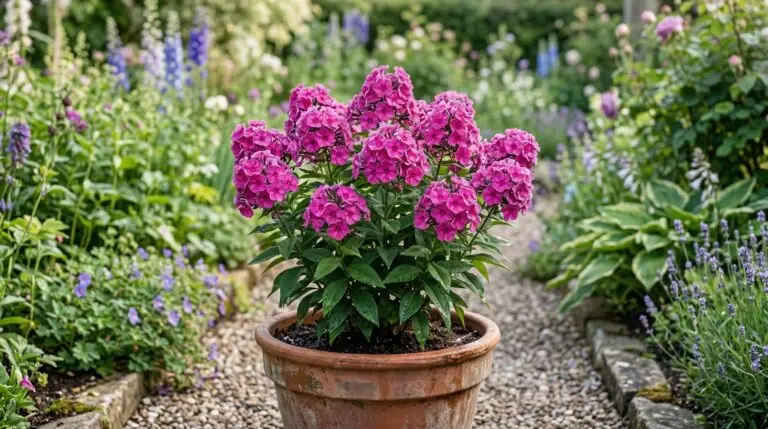
Growing phlox in containers for fragrant summer displays on patios and balconies
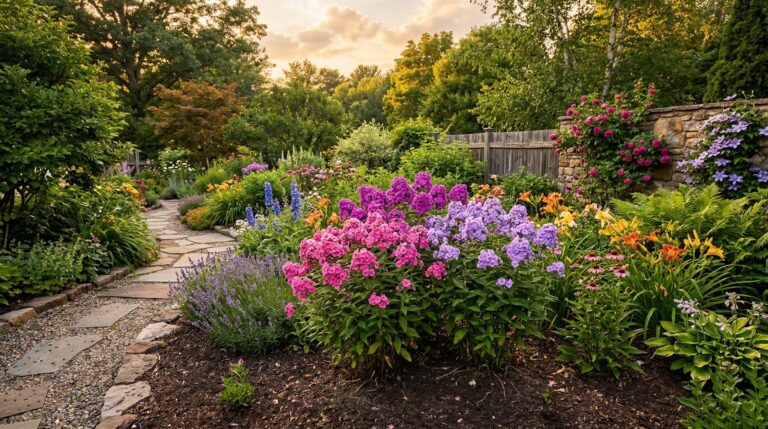
Dividing tall garden phlox every few years for stronger plants and more flowers
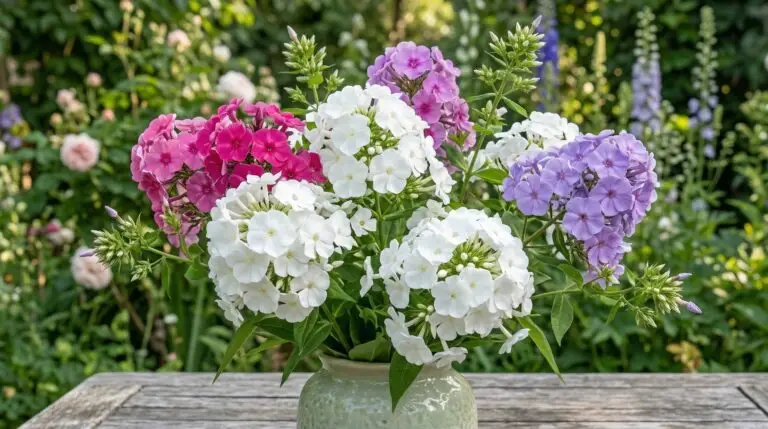
Best phlox varieties from mildew-resistant David to brilliant Starfire
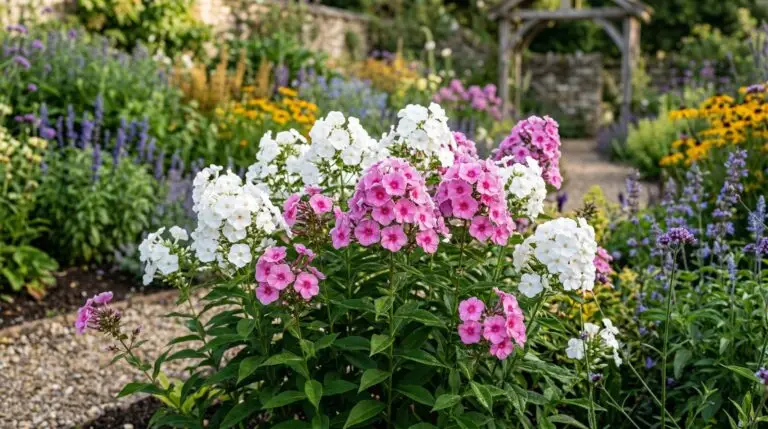
How to grow garden phlox for fragrant flower clusters that dominate the midsummer border
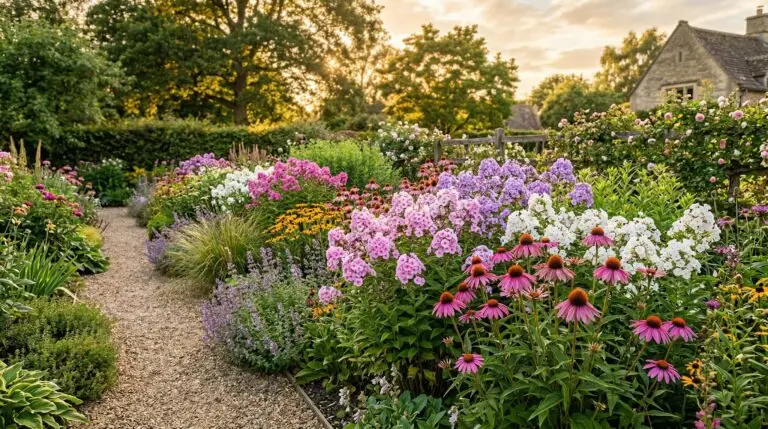
Companion plants for phlox: what to grow and what to avoid
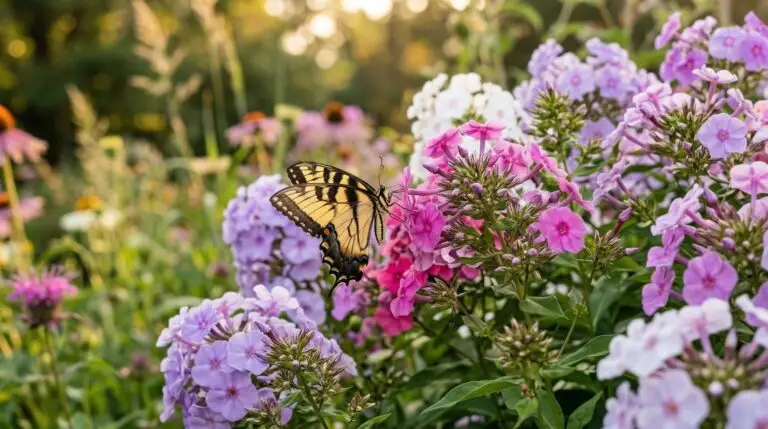
Phlox as a butterfly and hummingbird magnet for fragrant pollinator gardens
Phlox flower meaning and the sweet agreement this bloom represents in the language of flowers

Creeping phlox for spring ground cover that turns slopes into rivers of color