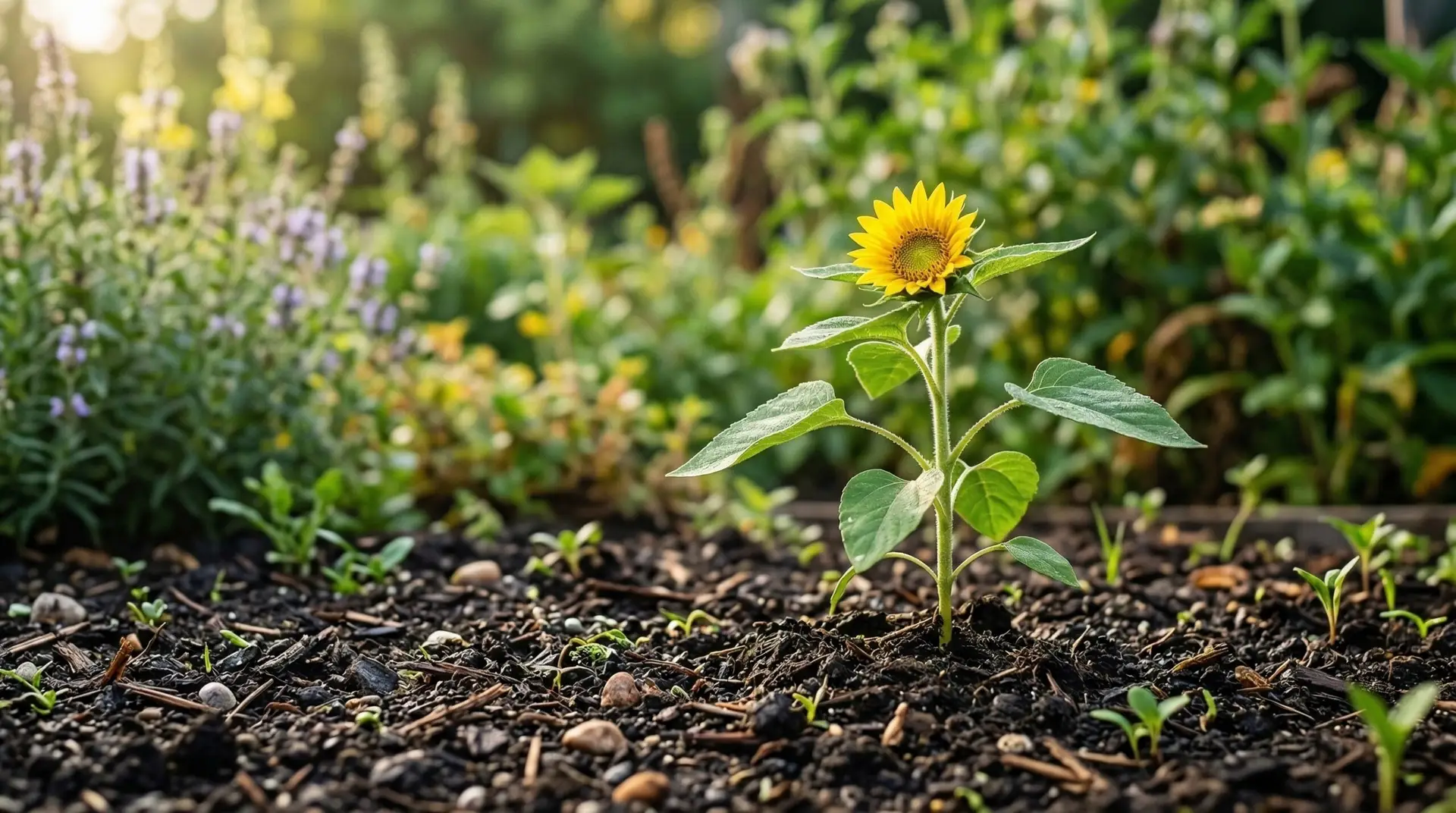
I have spent countless summer afternoons observing the aggressive, upward thrust of Helianthus annuus in trial gardens across the country. Growing a giant sunflower is an exercise in managing a plant with a singular biological directive to reach the sun at all costs. These are not the polite, knee-high border plants bred for containers, but rather massive agricultural specimens that require serious real estate and resources. Achieving a twelve-foot stalk with a head the size of a dinner plate demands more than just pushing a seed into the dirt. You must understand the specific needs of a plant that builds pounds of biomass in a mere hundred days. Success comes from combining the right genetics with precise soil preparation and consistent water management.
Selecting the right genetics for maximum height
The foundation of any towering summer project is the seed itself, because no amount of fertilizer will turn a dwarf variety into a giant. When growing sunflowers for maximum height, you need to select specific cultivars bred for extreme vertical growth and large terminal blooms. ‘Russian Mammoth’ is the traditional standard, reliably reaching ten to twelve feet with heads that easily span fourteen inches across. For those looking to push the boundaries, ‘Titan’ and ‘Mongolian Giant’ offer thicker stalks and potentially larger seed heads, though they often require a longer growing season of up to 110 days. These giant varieties are determinate, meaning they channel all their energy into producing one massive flower at the top of a single, unbranched stalk. Understanding this growth habit helps you realize why protecting that central growing tip from deer or insect damage early in the season is an absolute requirement.
Preparing the soil for aggressive feeders
A plant that grows an inch or more a day places an enormous demand on the soil profile. Giant sunflowers develop a deep taproot, a primary root that grows straight down to anchor the heavy top weight and access deep water reserves. To accommodate this taproot, you need to loosen the soil to a depth of at least two feet before planting. The ideal soil pH for growing sunflowers falls between 6.0 and 7.5, which allows the roots to efficiently absorb the heavy amounts of nitrogen required for early vegetative growth. I always recommend working a thick layer of well-rotted compost or aged manure into the planting site a few weeks before sowing. This organic matter provides a slow, steady release of nutrients while improving the soil structure to prevent waterlogging, a condition that quickly rots sunflower taproots.
Direct sowing and establishing the taproot
While garden centers often sell started sunflower seedlings in small plastic pots, giant varieties should always be direct sown into the garden. Transplanting disturbs the taproot, and a stunted taproot inevitably leads to a stunted plant that will never reach its true genetic potential. Wait until the soil temperature has reliably warmed to 60 degrees Fahrenheit before planting your seeds about an inch deep. Because these plants will eventually cast a large shadow, you must space the seeds at least two to three feet apart to prevent competition for water and sunlight. If you want to fill the visual space between these widely spaced stalks early in the season, you can sow a fast-growing border of Zinnia or Cosmos seeds, which thrive in the same warm, sunny conditions. Keep the seedbed consistently moist for the first two weeks, as the emerging seedlings are highly vulnerable to drying out before their roots reach deeper soil moisture.
Managing water and structural integrity
Once the plants reach three feet in height, your watering strategy must shift from frequent shallow sprinkling to infrequent deep soaking. Applying a heavy volume of water at the base of the plant once a week encourages the roots to chase the moisture downward, creating a much stronger anchor against late summer storms. Even with a strong root system, a twelve-foot stalk carrying a heavy seed head becomes highly susceptible to wind damage. I strongly advise driving a tall, sturdy stake into the ground near the base of the plant when it is still small, tying the stalk loosely to the support as it grows. This single-stalk management is quite different from growing a Mexican Sunflower, which develops a wide, branching, shrub-like habit that requires entirely different spatial planning. Proper staking ensures your giant sunflower care efforts are not ruined by a single strong gust of wind in August.
Late season maintenance and seed development
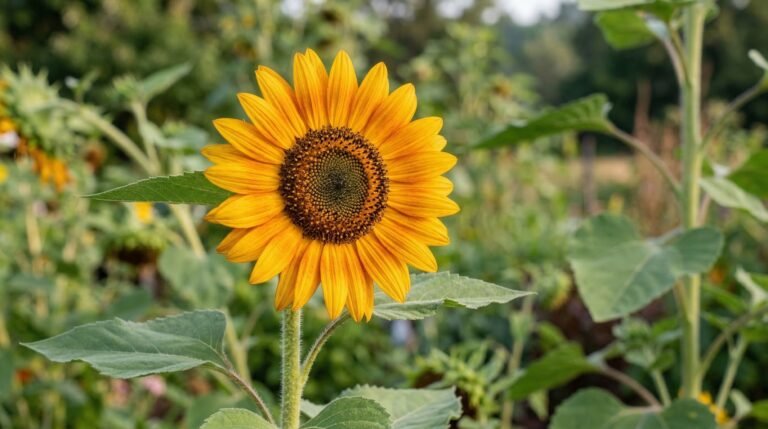
As the summer wanes, the bright yellow ray petals will begin to wither and drop, signaling that the plant is shifting its energy into maturing the hundreds of seeds packed into the central disk. The sheer weight of the maturing head will cause the top of the stalk to nod downward, which is a natural process rather than a sign of water stress. If you intend to harvest the seeds for roasting or winter bird feed, you will need to protect the head from local wildlife by tying a breathable paper bag or fine mesh sack over the flower once the petals fall. The seeds are fully mature when the back of the flower head turns from green to a dry, papery brown. You can then cut the head off with about a foot of stalk attached and hang it in a dry, well-ventilated garage to cure completely. Pulling the massive, woody stalks out of the ground before the first frost will save you from wrestling with deeply anchored, frozen roots later in the year.
More About Sunflower
Why sunflowers follow the sun and the fascinating science of heliotropism
Sunflower flower meaning and why this golden bloom represents adoration and loyalty
Dwarf sunflowers for containers and small gardens that still bring big sunshine energy
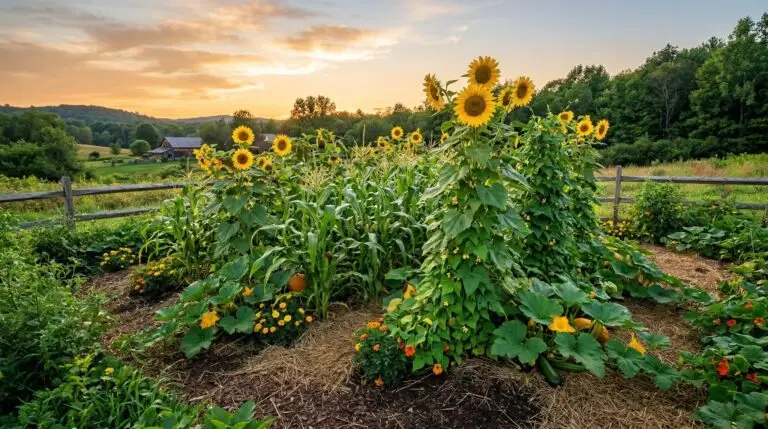
Sunflower companion plants: what to grow and what to avoid
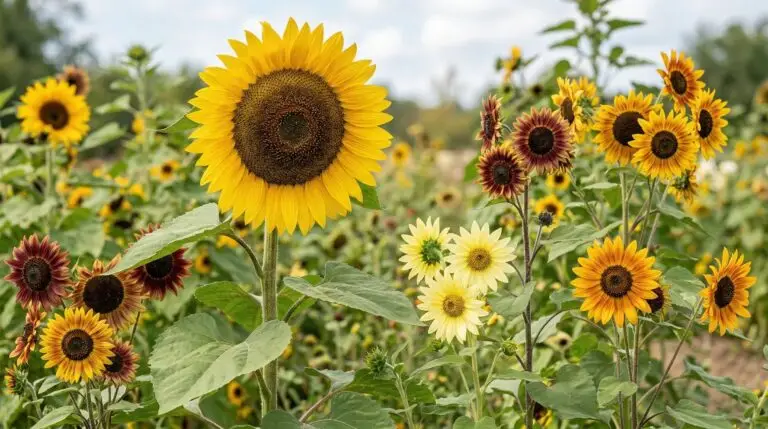
Best sunflower varieties from single-stem giants to branching bouquet types
Growing sunflowers with children for the easiest and most exciting garden project ever
Harvesting sunflower seeds for roasting eating and saving for next year’s garden
Pollen-free sunflowers for cutting gardens and allergy-friendly bouquet arrangements