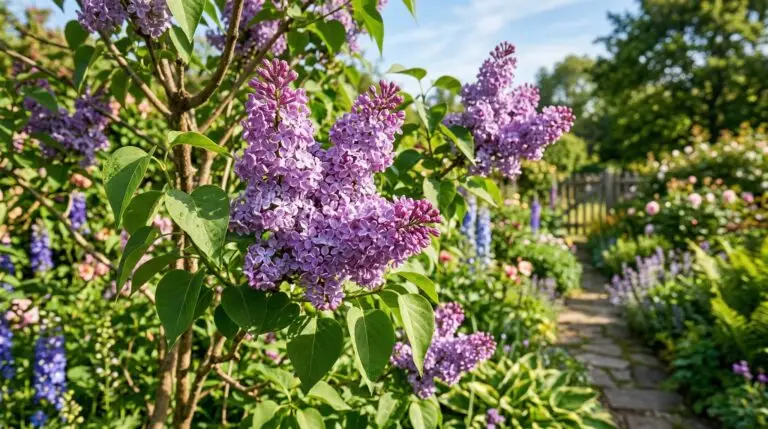
Spring arrives and the entire neighborhood suddenly smells like sweet perfume from the massive old lilac bushes planted fifty years ago. Those traditional French lilacs are beautiful, but they easily grow twelve feet tall and wide, taking up half the yard and shading out everything underneath them. Many home gardeners look at their small suburban lots or townhome patios and assume they simply do not have the room for that kind of spring display. The good news is that plant breeders have spent decades developing a dwarf lilac or a compact lilac that fits perfectly into tight spaces without sacrificing that classic fragrance. These smaller shrubs max out around three to five feet tall, making them entirely manageable for modern yards. They fit neatly into foundation plantings, line narrow walkways, and even thrive in large pots on a sunny deck.
Choosing the right small lilac bush for the space
When looking for a reliable small lilac bush, the Korean Meyer lilac variety called Palibin is often the most dependable choice for a beginner. This shrub stays naturally rounded at about four feet tall and covers itself in pale lilac-pink flowers just as the traditional varieties are finishing their bloom cycle. The scent is slightly spicier than a standard lilac, but it carries beautifully across the yard on a warm afternoon. Another excellent option for tight spaces is Tinkerbelle, which produces deep wine-red buds that open into pale pink flowers. Both of these varieties have excellent resistance to powdery mildew, which is the white dusty fungus that turns the leaves of older lilacs gray and ugly by late August. Gardeners in the South may find Palibin easier to grow because it handles humidity better than many traditional types, while northern gardeners will appreciate that both shrubs survive harsh winters without any special protection.
Reblooming varieties that earn their keep
The garden centers are currently filled with reblooming varieties like Bloomerang Dwarf and Baby Kim, which promise flowers in spring and again in late summer. It helps to set realistic expectations for these shrubs before bringing them home and putting them in the ground. The spring flush of flowers is heavy and abundant, much like the bright yellow show of a Forsythia before it fades to plain green leaves. After a brief resting period in early summer, these lilacs will push out a second set of flowers on new growth, but this late summer display is always lighter and more scattered than the spring show. Baby Kim is especially useful for very small spaces because it stays under three feet tall and wide, forming a dense little mound of glossy foliage. To get the best possible second bloom from any reblooming type, clip off the dead spring flowers as soon as they fade and give the shrub a light dose of balanced granular fertilizer.
Designing with small lilacs around the foundation
Using a small lilac bush in a foundation planting requires a bit of measuring before putting a shovel into the dirt. Even though these are dwarf varieties, they still need proper air circulation to prevent fungal diseases from taking hold in the damp spring months. Plant them at least three feet away from the side of the house, which looks awkwardly far away when the shrub is just a tiny nursery twig, but makes perfect sense once the plant matures. A dwarf lilac looks beautiful planted near a front porch or under a low window where the sweet fragrance can drift right into the house. They pair exceptionally well with low-growing evergreen shrubs, which provide a solid green backdrop that makes the pale purple and pink lilac blossoms stand out clearly. Laying down a thick layer of natural wood mulch around the base will keep the soil moist and suppress weeds, but keep the mulch pulled a few inches away from the woody stems to prevent rot.
Growing compact lilacs in containers
Growing a dwarf lilac in a pot is entirely possible and makes a great solution for patio gardeners, but it requires more attention than planting one in the ground. The container needs to be large, at least twenty inches across, with several drainage holes drilled into the bottom because lilac roots will rot quickly in soggy soil. A standard bag of affordable potting mix works fine, but mixing in a few handfuls of perlite and some compost will help keep the soil loose while holding just enough moisture. Potted shrubs dry out much faster than those in the ground, so they might need water every single day during a hot July stretch. In northern zones, the roots are vulnerable to freezing when exposed above ground in a pot, so the container needs to be moved into an unheated garage or shed for the winter. The shrub will drop its leaves and go completely dormant, requiring only a cup of water once a month to keep the root ball from turning to dust until spring arrives.
Getting the best blooms year after year
The single biggest mistake people make with any lilac is planting it in the shade and then wondering why it never flowers. These shrubs need at least six hours of direct, harsh sunlight every day to form flower buds for the following year. Digging the planting hole twice as wide as the root ball helps the young roots spread out, but do not plant the shrub any deeper than it sat in the nursery pot. Burying the crown of the plant will eventually suffocate it and lead to rot. They also prefer sweet soil, which means a neutral to slightly alkaline pH, which is the opposite of what acid-loving plants like azaleas prefer. If the native soil is highly acidic, sprinkling an inexpensive cup of garden lime or leftover wood ashes around the base of the plant in late fall will keep the soil chemistry right where the lilac needs it. Pruning a compact lilac is very simple because their slow growth rate means they rarely need the aggressive chopping required by older varieties or a fast-growing Viburnum hedge. Just snip off the dead flower heads in early summer and remove any broken or crossing branches to keep the center of the bush open to the breeze.
Newly planted compact lilacs often look like they are doing absolutely nothing for the first full year in the ground. The leaves might look a bit tired, and the shrub probably will not grow more than an inch, but all the real work is happening below the soil line as the roots establish themselves. By the third spring, the plant will suddenly push out thick new branches and cover itself in flower buds. Be patient with the process, keep the weeds away from the base, and water deeply during dry spells. That first morning you step outside and catch the sweet scent of lilac drifting off a bush no taller than your waist makes all the waiting worthwhile.
More About Lilacs

Pruning and rejuvenating old lilac bushes that have become overgrown and leggy

Companion plants for lilacs: what to grow and what to avoid
Why lilacs stop blooming and the pruning timing mistake almost everyone makes
Lilacs for warm climates and the low-chill varieties that bloom without cold winters

Lilac flower meaning and the nostalgic scent that connects us to spring memories

Best lilac varieties from classic purple to reblooming Bloomerang and dwarf types

Lilac festivals across America and visiting the most spectacular lilac collections