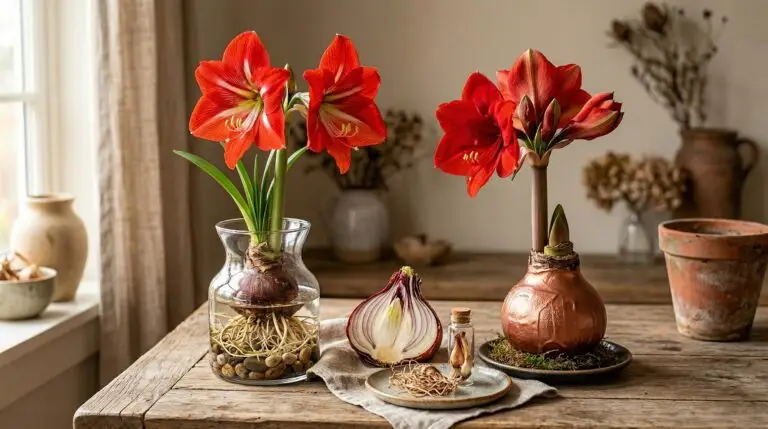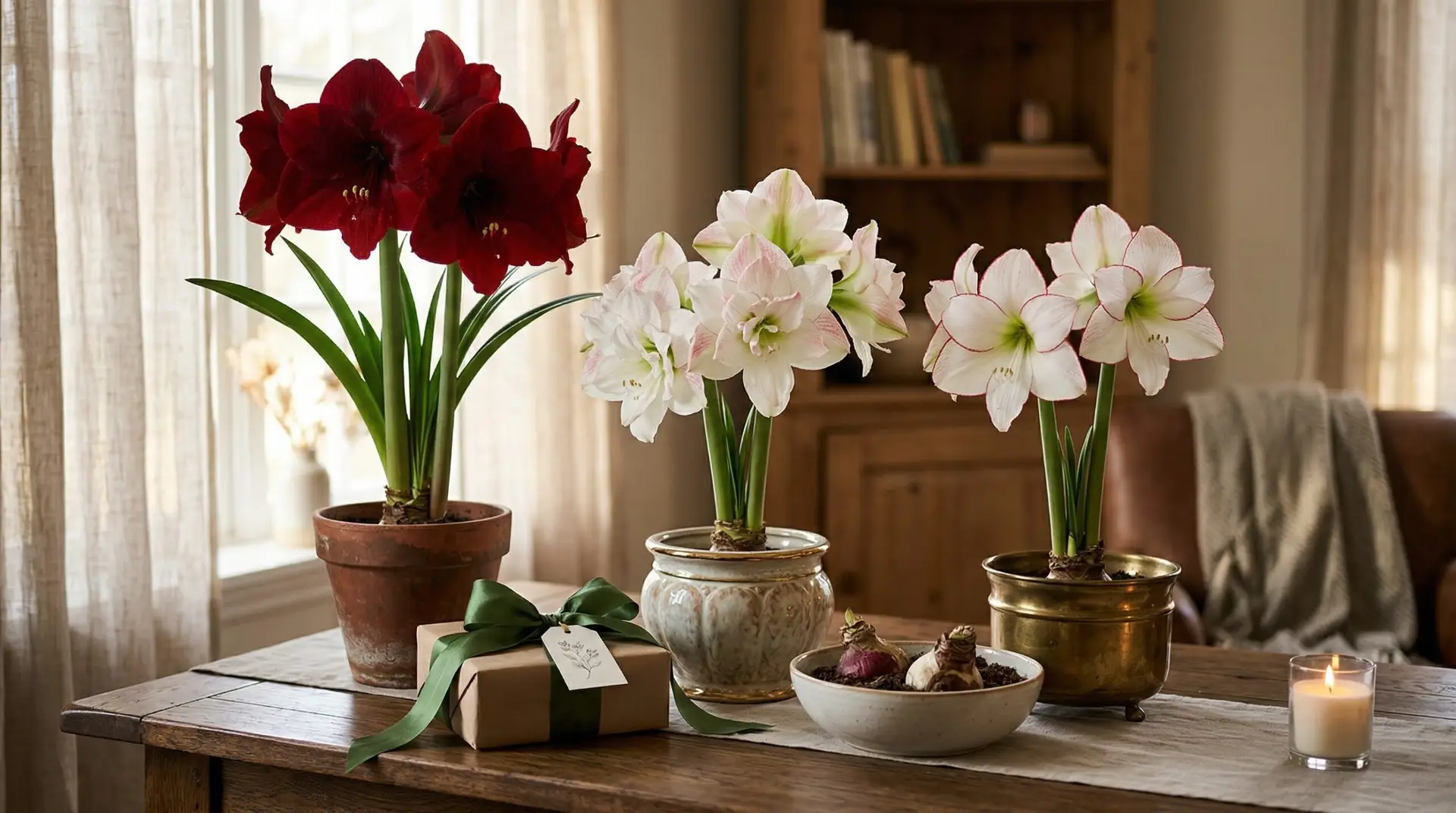
The standard boxed amaryllis kit found on supermarket shelves does a disservice to a truly remarkable winter flower. These mass-produced kits usually contain undersized bulbs, cheap plastic pots, and desiccated disks of coir that yield weak stems and generic blooms. When you choose to give an amaryllis, you are offering someone a slow, unfolding performance during the darkest months of the year. To make this a memorable gift, you must bypass the pre-packaged options and assemble the components yourself. Curating your own amaryllis gift allows you to select premium bulbs, choose unusual cultivars, and present them in vessels that the recipient will actually want to keep. This approach elevates the flower from a disposable holiday novelty to a deliberate, thoughtful offering. You take on the role of the nurseryman, ensuring the foundation is solid before the gift ever changes hands.
Selecting a bulb worthy of giving
The foundation of a successful amaryllis gift is the physical size and weight of the bulb itself. Bulb size is measured in centimeters around the circumference, and this measurement directly dictates the number of stems and flowers the plant will produce. Pre-packaged kits rarely offer bulbs larger than 24 to 26 centimeters, which typically yield a single stem with two or three small flowers. For a gift that makes a genuine impression, you should seek out jumbo bulbs measuring at least 34 to 36 centimeters. These massive, heavy spheres contain enough stored energy to produce two or even three thick stems, each bearing four to six large blooms. Finding bulbs of this caliber requires ordering from specialist nurseries or visiting independent garden centers early in the autumn season. Do not settle for a bulb that feels light or soft, as a premium bulb should feel as dense as a large onion. Like a premium Moth Orchid, a top-tier amaryllis provides weeks of indoor color, but the bulb requires far less initial effort from the recipient to initiate its display.
Cultivars that stand apart from the standard red
Most people associate the amaryllis strictly with the bright, flat red of varieties like Red Lion. While traditional reds have their place, the most memorable gifts come from the more nuanced, overlooked corners of the amaryllis world. The cybister varieties, with their spidery, narrow petals, offer an elegant alternative to the heavy trumpet shapes of standard hybrids. A cybister like Evergreen produces pale chartreuse flowers that feel sophisticated and unexpected in the middle of winter. The narrow petals curl backward, giving the blooms a kinetic, almost bird-like appearance. Cybister bulbs are naturally smaller than standard Dutch hybrids, but they make up for their size by sending up multiple slender stems that look far more refined on a dining table or windowsill. Giving a green or pale yellow amaryllis shifts the plant away from strict holiday associations and allows it to function as a striking piece of interior design. It becomes a sculptural element rather than just another festive decoration.
If you prefer a more traditional flower shape, look for the detailed patterning found in the papilio hybrids. The Butterfly amaryllis, Hippeastrum papilio, displays maroon stripes over a creamy green background, resembling the wings of a large moth. This variety is an excellent choice for a recipient who appreciates botanical curiosities or indoor gardening. Papilio hybrids tend to retain their foliage year-round and are more likely to rebloom successfully for the average home grower than the highly bred double-flowered varieties. Many garden centers push massive, ruffled double blooms like Nymph or Aphrodite, but these heavy flowers often snap their own stems under their weight. The simpler, stronger stems of the papilio and cybister types make them far more reliable choices for a gift. The papilio varieties bring a wilder, more natural aesthetic into the home, appealing to those who find heavily hybridized flowers too artificial. You want to give a plant that stands tall and proud, not one that requires immediate staking and constant adjustment.
Presenting the bulb with intention
The vessel and the planting medium are just as important as the bulb when assembling an amaryllis gift. Avoid the flimsy plastic pots that come with commercial kits and select a heavy, glazed ceramic or terracotta pot. The pot should be only an inch or two wider than the bulb itself, as amaryllis prefer a tight fit to anchor their tall, heavy stems securely. Plant the bulb in a high-quality, fast-draining potting mix, leaving the top third of the bulb exposed above the soil line. To finish the presentation, cover the exposed soil with a layer of preserved forest moss, smooth river stones, or tumbled glass. This top dressing hides the utilitarian soil and gives the gift a polished, finished appearance from the moment you hand it over. A beautifully potted amaryllis feels as luxurious as a blooming Gardenia, yet it thrives in the dry air of a heated winter home where more delicate indoor plants usually fail.
Setting expectations for the recipient
A thoughtful curator does not just hand over a plant, they provide the knowledge needed to enjoy it fully. Include a handwritten card that outlines the specific care requirements for the amaryllis bulb. The most common mistake recipients make is overwatering the bulb before it has established a root system, which causes the bulb to rot from the inside out. Amaryllis bulbs hold all the moisture they need to begin their growth cycle. Instruct your recipient to water the pot thoroughly just once after receiving it, and then withhold water completely until the green tip of the flower stalk emerges. Once the stem begins its rapid ascent, they can resume regular watering whenever the top inch of soil feels dry. You should also note the name of the specific cultivar on the card, as this small detail adds a layer of provenance and care to the gift. Providing this context guarantees that the recipient will feel confident rather than burdened by their new plant.
Among all the varieties available today, the single best amaryllis bulb to give as a gift is Apple Blossom. While it is not the rarest cultivar on the market, it earns its place as the premier choice through sheer reliability and quiet beauty. The flowers open to reveal a soft, watercolor blend of pure white and pale pink, completely avoiding the aggressive visual noise of the solid red varieties. Apple Blossom consistently produces thick, sturdy stems that do not require staking, and the jumbo-sized bulbs of this variety are relatively easy to source from reputable growers. The pale pink coloration bridges the gap between the deep winter holidays and the early days of spring, making it an appropriate gift for any occasion between November and February. It offers the perfect balance of elegance and vigor, ensuring that your recipient will experience a flawless sequence of blooms exactly when they need a reminder of the growing season ahead.
More About Amaryllis
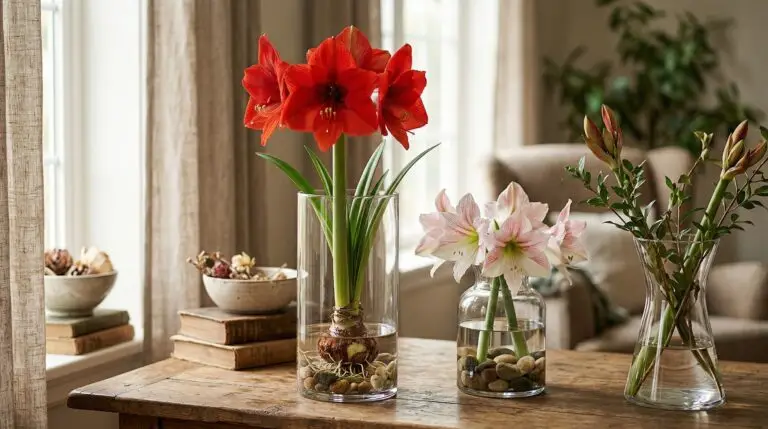
Creative ways to display amaryllis bulbs as winter home decor
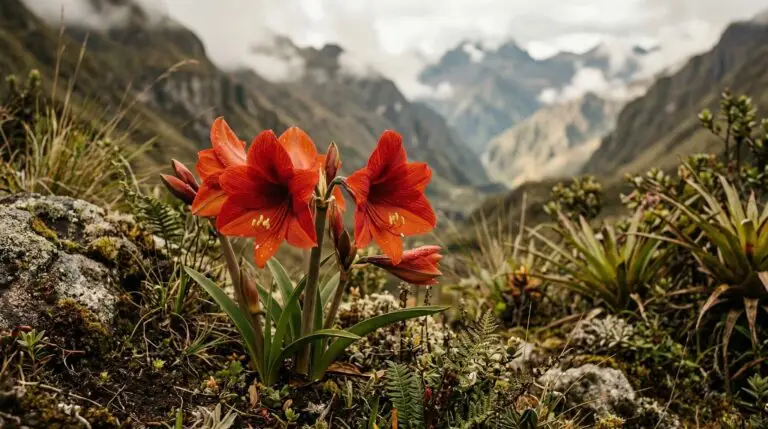
The fascinating history of amaryllis from South American wildflower to holiday tradition
How to grow amaryllis outdoors in warm climates for year-round garden color
Common amaryllis problems including leaning stalks and split bulbs
Amaryllis color guide and the most striking varieties to grow at home
How to force amaryllis bulbs to bloom indoors for the holidays
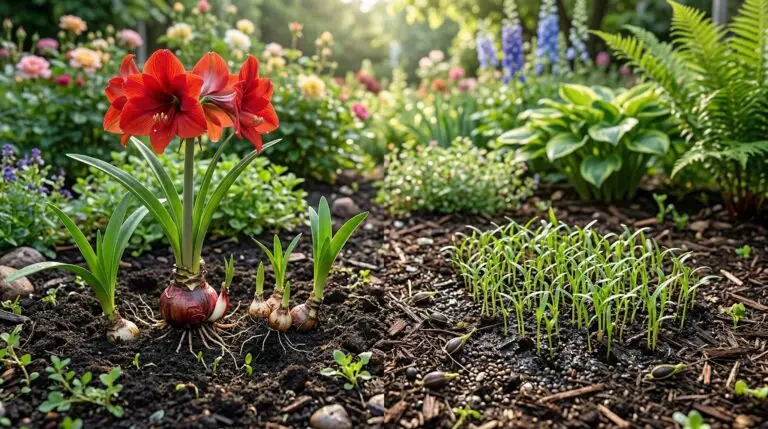
How to propagate amaryllis from offsets and seeds for a growing collection
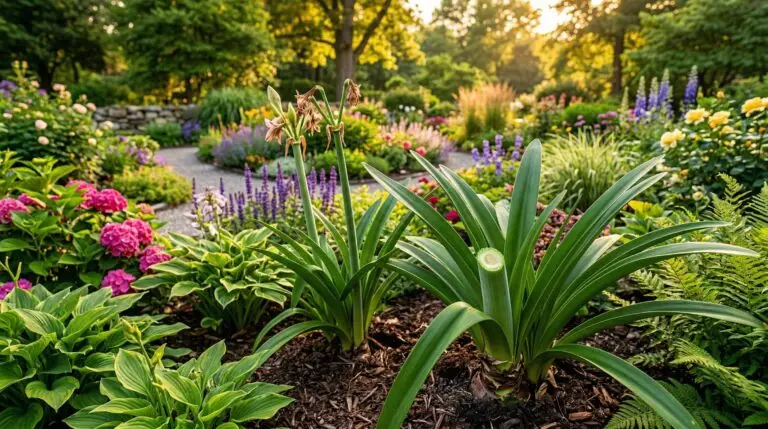
What to do with amaryllis after it finishes blooming so it flowers again next year