The Greek origin of a North American flame
In the mid-eighteenth century, Swedish botanist Carl Linnaeus sat at his desk examining dried plant specimens sent from the distant colonies of North America. He encountered a cluster of small, intensely bright blossoms that seemed to glow even after making the long oceanic crossing pressed between sheets of paper. Linnaeus reached back into classical antiquity to name the genus, selecting the Greek word “phlox,” which translates directly to “flame.” The original species that inspired this name possessed a fiery magenta hue that illuminated the shaded edges of Appalachian forests and open prairies alike. Long before European cultivation refined its shape, the wild phlox captured the attention of early botanical explorers like John Bartram, who carefully collected seeds to ship to eager collectors in London and Paris. These early transatlantic shipments marked the beginning of a cultural exchange that would transform a humble native wildflower into an international garden staple. The flame that Linnaeus saw in the dried petals soon ignited an intense interest among European gardeners who sought to bring the bright colors of the New World into their formal estates.
Sweet agreement in the Victorian language of flowers
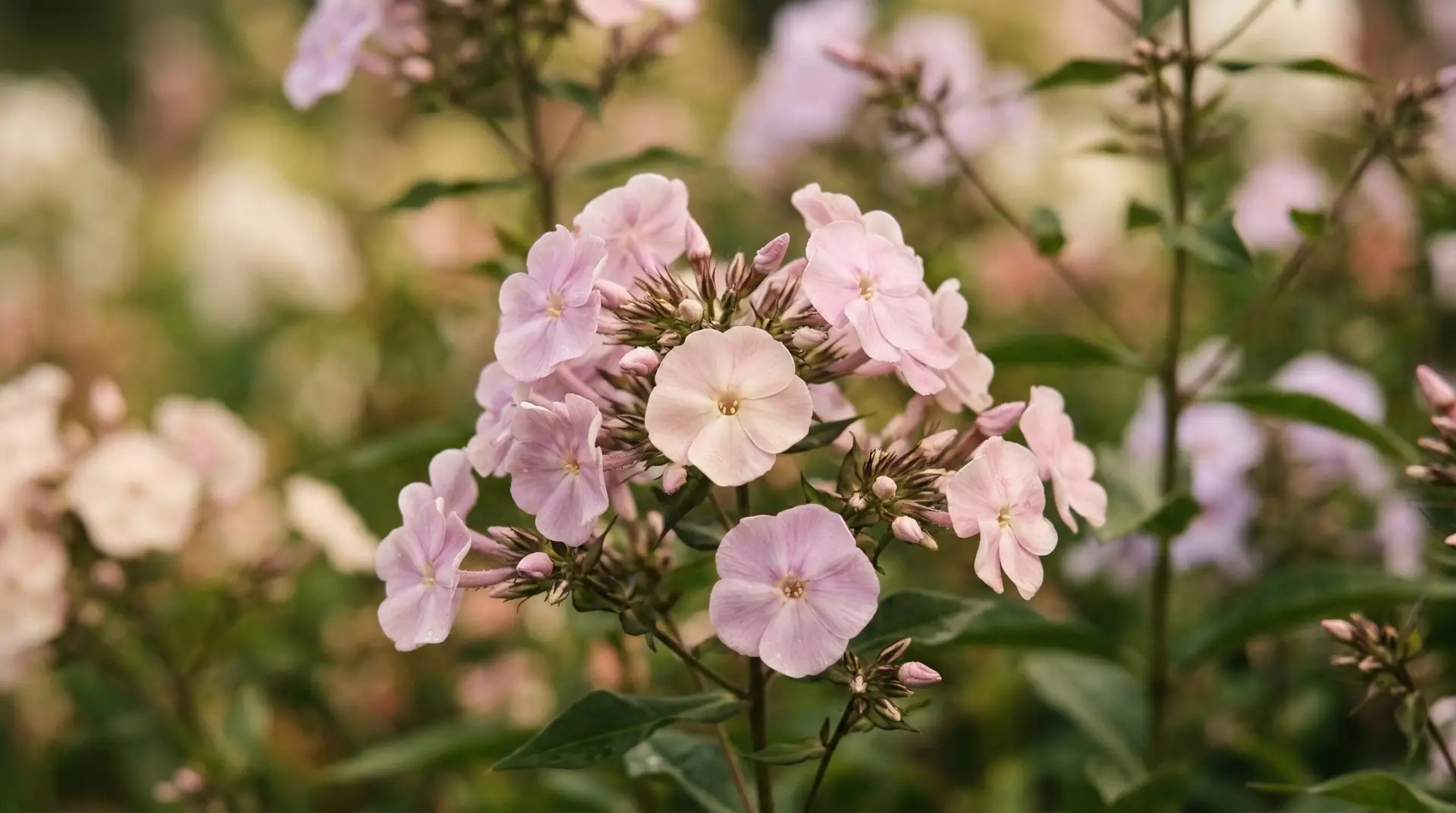
By the nineteenth century, the literal flame of the phlox had evolved into a metaphor for human connection within the highly structured world of Victorian floriography. While a suitor might rely on the bold declarations of a rose to express passionate, consuming love, phlox occupied a quieter, more profound space in the floral dictionary. The Victorians assigned phlox the specific meaning of “sweet agreement” and the sentiment “our souls are united.” This made the flower an ideal gift for a spouse of many years or a trusted confidant, communicating a harmonious partnership rather than the turbulent beginnings of a romance. Senders would carefully arrange clusters of white or pale pink phlox in small tussie-mussies to communicate intellectual understanding and emotional stability. The dense, interlocking nature of the individual flowers on a single stem perfectly mirrored the concept of two lives closely bound together in mutual respect. Giving someone a bouquet containing phlox was a formal acknowledgment that the relationship had matured into a state of absolute trust and shared vision.
Indigenous traditions and the early American garden
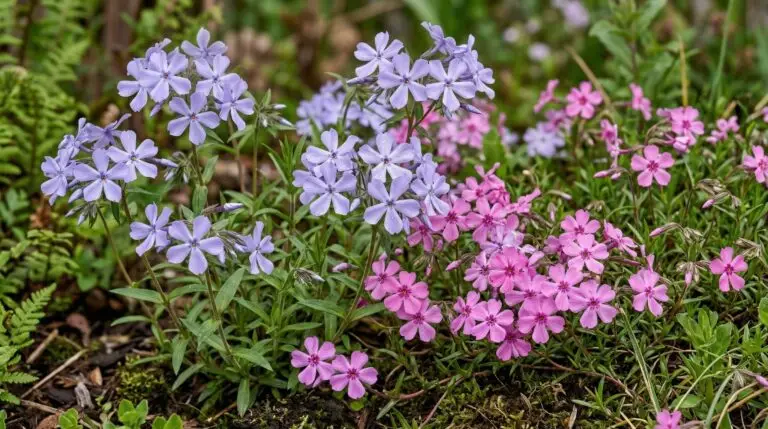
Long before Victorian society assigned romantic sentiments to these blossoms, the indigenous peoples of North America held deep cultural connections to the native phlox species covering the continent. Various tribes recognized the creeping varieties of phlox as one of the earliest and most reliable indicators that the harsh winter had finally broken. The Algonquian peoples of the Eastern seaboard named the April full moon the “Full Pink Moon” in direct reference to the widespread blooming of Phlox subulata, which blanketed the rocky hillsides in sheets of bright color. Beyond its role as a seasonal calendar, certain species of phlox found use in traditional Native American medicinal practices. Healers prepared infusions from the leaves and roots to treat stomach ailments and applied poultices of the crushed plant to soothe skin conditions. Early European settlers observing these practices quickly adopted the plant into their own dooryard gardens, valuing both its practical applications and its cheerful spring appearance. The plant became a familiar fixture around colonial homesteads, which was a rare point of shared botanical knowledge between indigenous populations and the newly arrived colonists.
Cultivating harmony across continents
The transformation of phlox from a wild American botanical specimen to an essential component of the global garden required decades of careful observation and selective breeding. During the late nineteenth and early twentieth centuries, French and German horticulturalists took a particular interest in Phlox paniculata, the tall garden phlox. These European breeders applied rigorous scientific methods to develop new cultivars with larger flower heads, stronger stems, and an expanded palette of colors like pure white, soft pink, and deep violet. The goal was to create a plant that could provide reliable structure and continuous color in the elaborate herbaceous borders popular at the time. This intense period of European refinement closely mirrors the history of the lily, as both plants were collected from the wild, bred for specific aesthetic traits abroad, and eventually reintroduced to their native lands in highly altered forms. The resulting hybrids achieved a visual harmony that perfectly matched the plant’s symbolic meaning of agreement, offering a unified block of color that anchored the garden design. Modern hybridizers still rely on the foundational breeding techniques established by these early European horticulturalists to create disease-resistant varieties.
The enduring legacy of a united soul
The historical path of phlox from indigenous medicine to Victorian symbol of unity continues to influence how we interact with the plant in modern gardens. Gardeners today plant tall garden phlox to bridge the difficult transition period between the fading blooms of early summer and the arrival of autumn asters. This practical application of the plant creates a literal harmony in the garden bed, tying different seasons together with its steady presence. The dense clusters of flowers still attract a steady stream of butterflies and hummingbirds, establishing a quiet agreement between the cultivated garden and the local wildlife. When we plant phlox, we participate in a horticultural tradition that stretches back centuries, connecting our modern aesthetic choices with the botanical explorations of the eighteenth century. The flame that Linnaeus recognized in the original specimens still burns brightly in the perennial border, and it is a living reminder of the plant’s wild origins. Phlox remains a powerful symbol of united souls, bringing together the rich cultural history of the past with the ongoing life of the contemporary garden.
More About Phlox
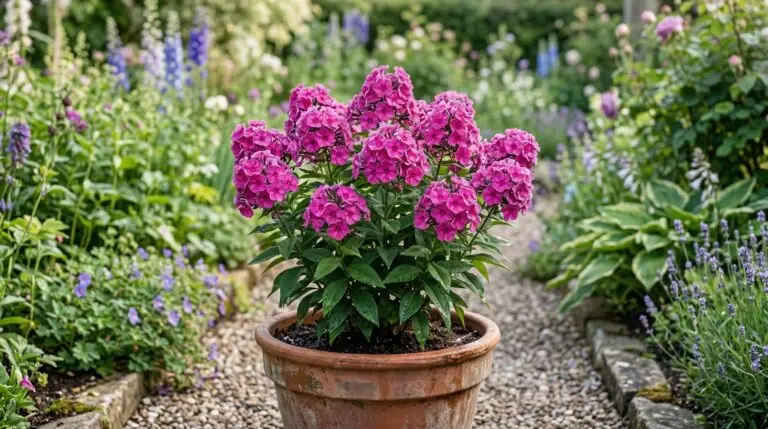
Growing phlox in containers for fragrant summer displays on patios and balconies
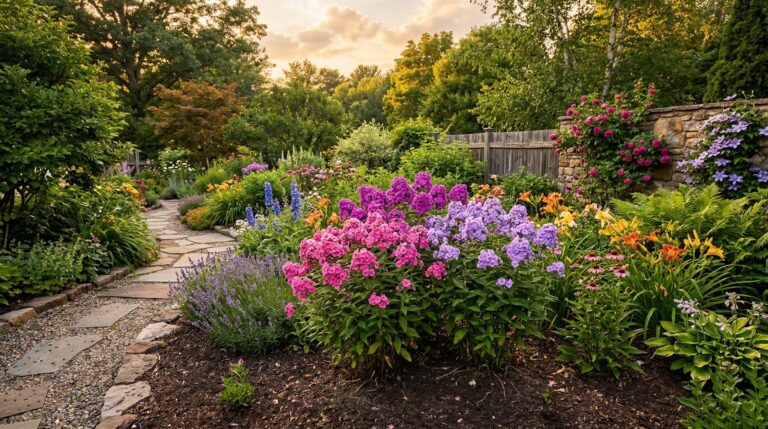
Dividing tall garden phlox every few years for stronger plants and more flowers
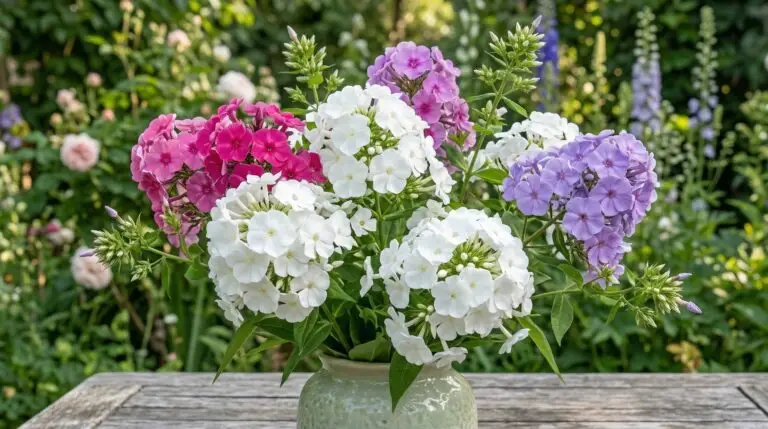
Best phlox varieties from mildew-resistant David to brilliant Starfire
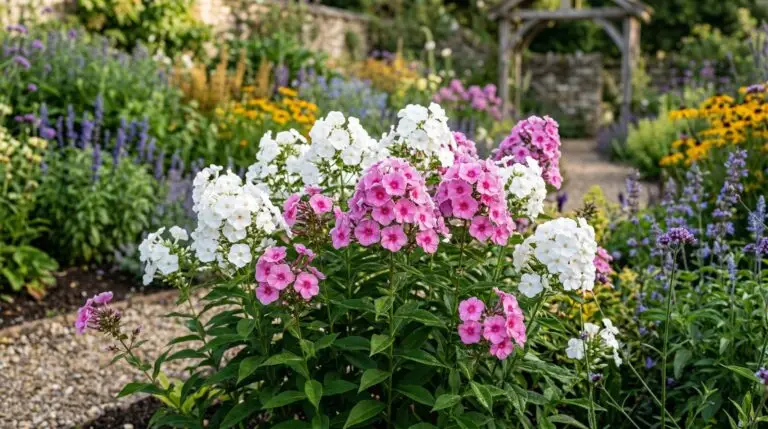
How to grow garden phlox for fragrant flower clusters that dominate the midsummer border
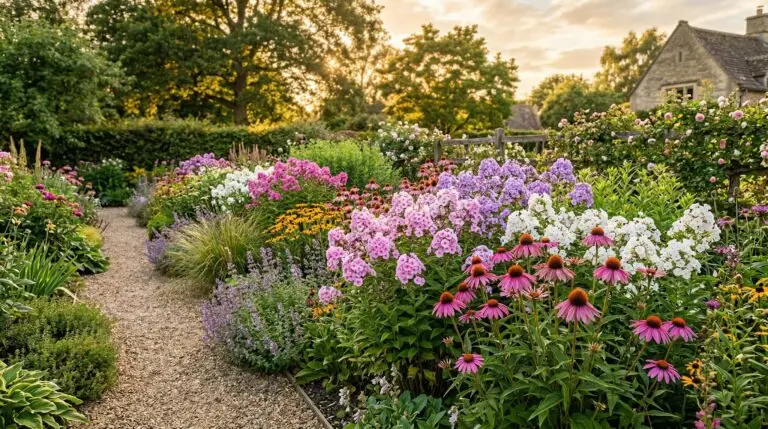
Companion plants for phlox: what to grow and what to avoid
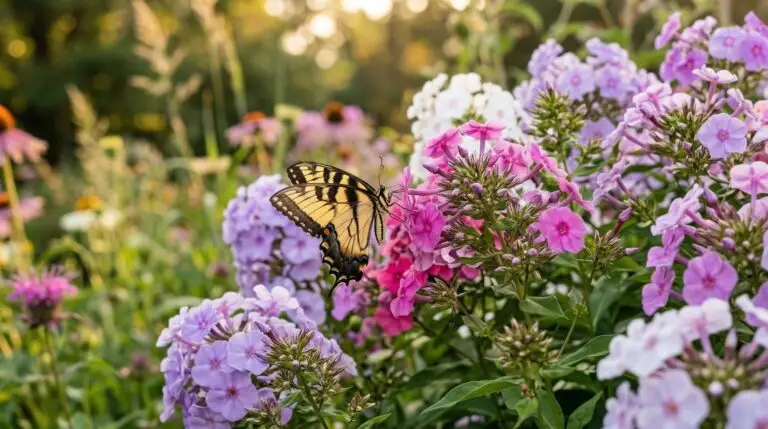
Phlox as a butterfly and hummingbird magnet for fragrant pollinator gardens
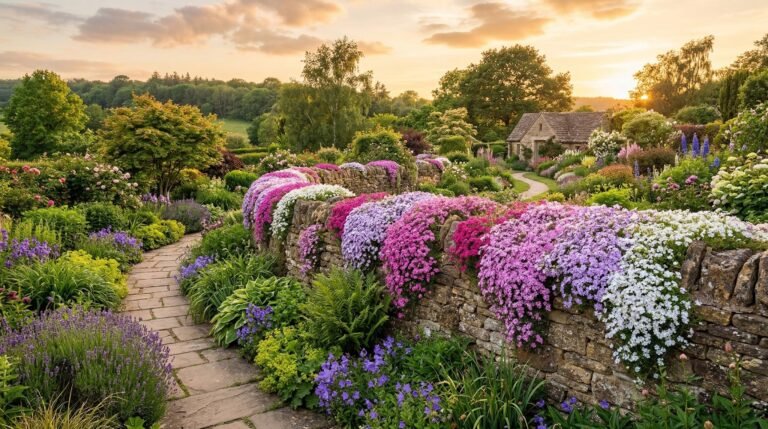
Creeping phlox for spring ground cover that turns slopes into rivers of color
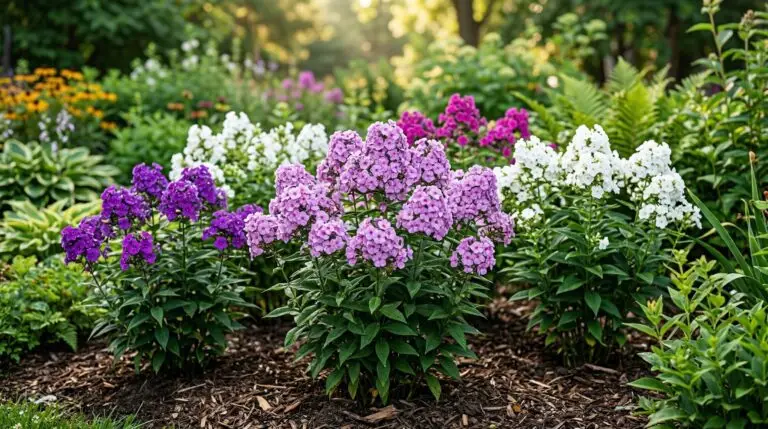
Phlox powdery mildew and how to finally beat this persistent fungal problem