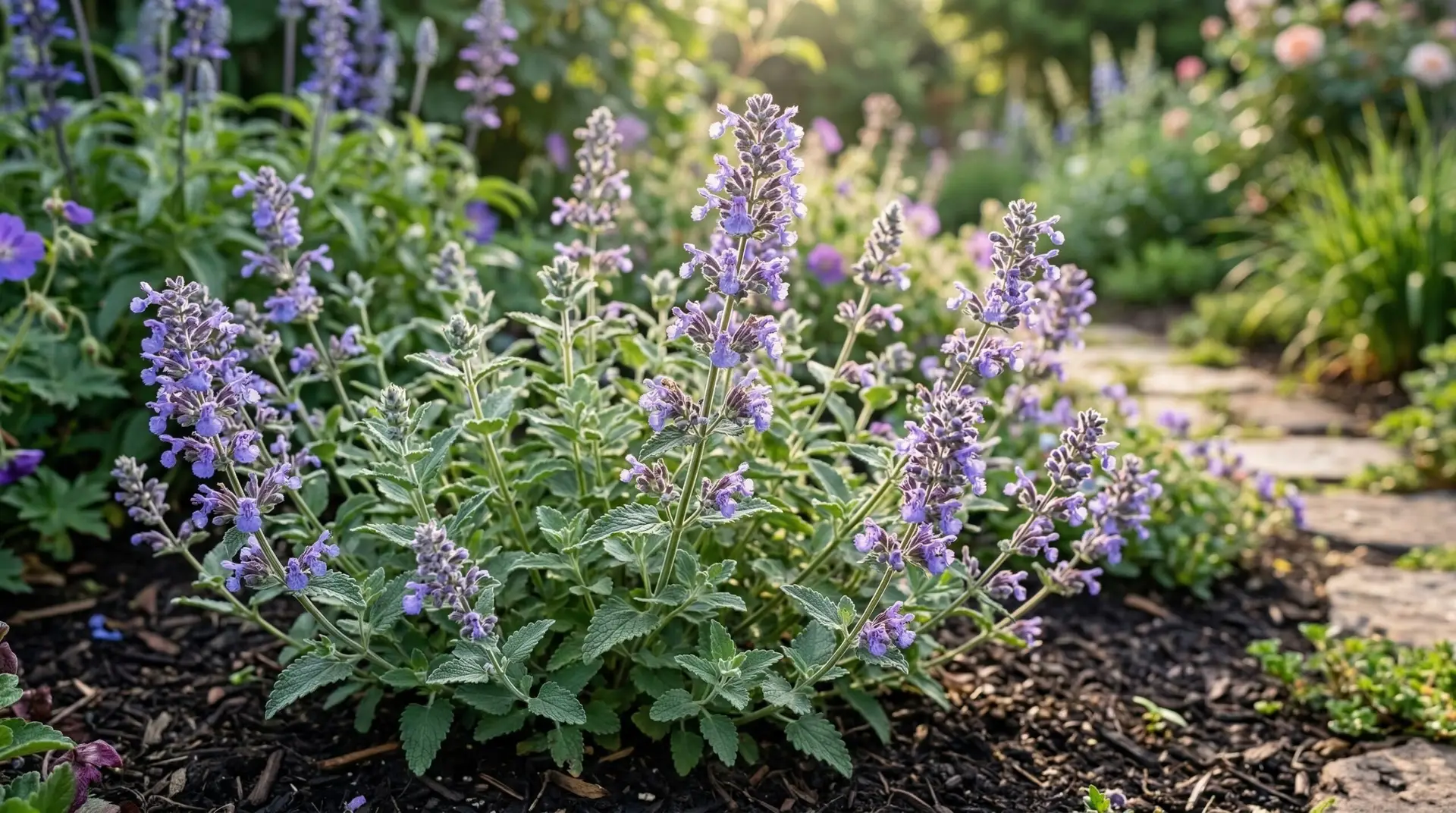
One of the first things gardeners ask when they start growing herbs or planning a perennial border is whether catmint and catnip are actually the same plant. The names are thrown around interchangeably at garden centers, leading people to buy one when they really wanted the other. This confusion makes perfect sense because both plants belong to the exact same botanical family and share a similar minty, earthy scent when you brush against their foliage. They even attract similar types of small pollinating insects during the height of summer. However, they are entirely different species with completely different jobs in the garden. Catnip is primarily grown as a treat for feline companions, while catmint is planted for its long-lasting purple blooms and tidy growth habit. Understanding this basic difference saves you from the frustration of planting an unruly weed in your front border or disappointing your indoor cat with a mild-mannered ornamental plant.
The botanical distinction between the two plants
When people ask about catmint vs catnip, the clearest answer comes down to their botanical names and physical appearances. True catnip goes by the botanical name Nepeta cataria, and it looks exactly like the wild, weedy herb it is. It produces somewhat coarse, heart-shaped green leaves and small, unremarkable white flowers that grow on tall, rather floppy stems. The foliage has a slightly fuzzy texture and a pale green color that blends into the background of most garden beds. Catmint, on the other hand, usually refers to Nepeta x faassenii, which is a sterile hybrid bred specifically for garden performance. This ornamental version produces neat mounds of silvery-gray foliage topped with loose spikes of soft purple or blue flowers. These colorful blooms appear continuously from late spring through late summer, drawing the eye from across the yard. You can easily tell them apart just by looking at the color of their flowers and the tidiness of their overall growth habit.
How cats react to different nepeta varieties
The natural follow-up question is whether your neighborhood cats will destroy your new garden beds if you plant the ornamental version. This leads to something many growers wonder about when deciding where to place these plants in their yard. The intense feline attraction to catnip comes from a specific essential oil called nepetalactone, which Nepeta cataria produces in very high concentrations. When a sensitive cat smells this compound, it triggers a strong physical response that leads to rolling, chewing, and general garden destruction. Catmint contains this exact same compound, but in much lower amounts that rarely register to a passing animal. Most cats will completely ignore catmint if they walk past it, though a few particularly sensitive felines might occasionally stop to sniff or rub against the leaves. You can safely plant catmint in your front yard without worrying about attracting every stray cat in the neighborhood to roll around in your flower beds.
Choosing the right plant for your garden space
Once you know the difference in how they look and how cats react, you have to decide which one actually belongs in your soil. This brings up the question of how these plants behave over a long growing season and what kind of maintenance they require. Catnip is best treated as a utilitarian herb, planted in a dedicated patch out of the way, or even grown in an enclosed wire cage if your own cats are too aggressive with it. It gets tall, looks messy by midsummer, and self-seeds aggressively if you let the white flowers go to seed. Catmint acts as a front-of-the-border staple that pairs beautifully with other sun-loving perennials. Many gardeners use it as a softer, more forgiving alternative to lavender, because it tolerates heavy clay soil and frequent rain much better than Mediterranean herbs do. It is also an excellent companion to blue salvia, creating a continuous wave of purple and blue tones that attract bees and butterflies for months on end.
Harvesting and using the foliage at home
People often wonder if they can harvest and dry the leaves of both plants for indoor use. You can certainly harvest from both, but the resulting dried herbs have very different applications. If your goal is to make toys for your pets, you must harvest the leaves and stems of Nepeta cataria just before the white flowers open, as this is when the essential oils are at their absolute peak. Drying these coarse leaves in a dark, well-ventilated room preserves the strong scent that cats love. You can also brew dried catnip leaves into a mild herbal tea for humans, which has a long history of use as a nighttime relaxation aid. Catmint leaves are rarely harvested for cats or for tea, as their flavor and scent are much weaker and somewhat more medicinal. The primary reason to cut catmint is simply to tidy up the plant and encourage a fresh flush of purple blooms for the garden.
Managing growth and preventing unwanted spread
By the way, people often ask if they need to worry about these plants taking over their entire yard like traditional peppermint does. Neither catmint nor catnip spreads through aggressive underground runners, so you do not need to bury plastic pots or install root barriers to contain them. However, Nepeta cataria will drop hundreds of viable seeds, meaning you will spend your spring pulling up tiny catnip seedlings from every crack in your sidewalk. This leads to a question many gardeners never consider until their second year of growing: do I need to deadhead these plants to keep them under control? For the weedy catnip, you absolutely must cut the flowers off before they dry out if you want to stop its spread. For ornamental catmint, the popular faassenii hybrids are completely sterile and will never produce a single viable seed. You only need to shear catmint back halfway after its first major flush of blooms to encourage a second round of purple flowers that will last until the first hard frost.
More About Catmint
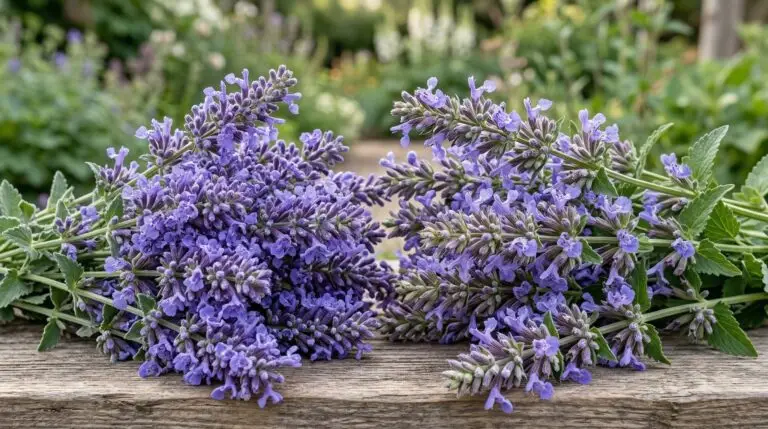
Catmint versus lavender and which fragrant purple perennial works better in your garden
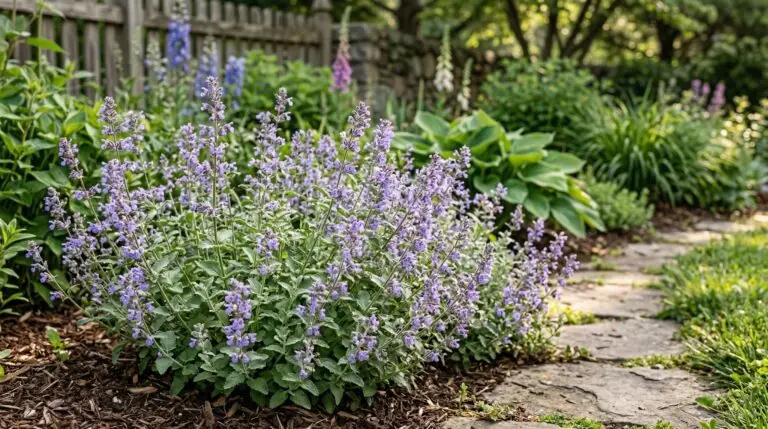
Catmint as the ultimate deer-resistant and drought-tolerant perennial for easy gardens

Designing a low-water perennial border with catmint as the anchor plant

How to shear back catmint for a second flush of blooms and a tidy appearance
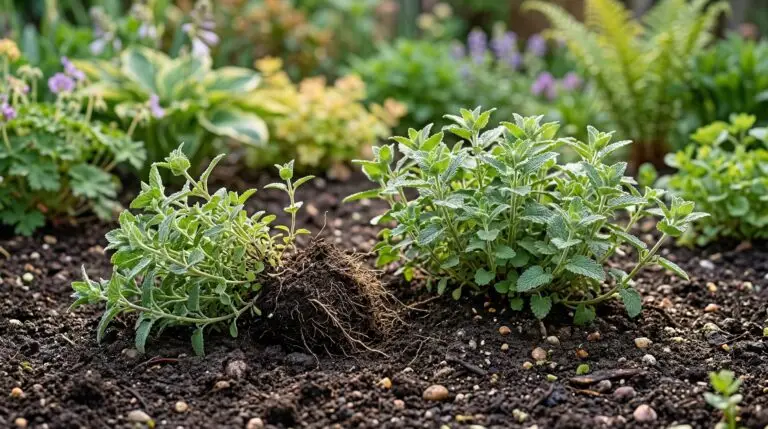
How to propagate catmint from stem cuttings and division in spring

How to use catmint as a flowering ground cover that chokes out weeds
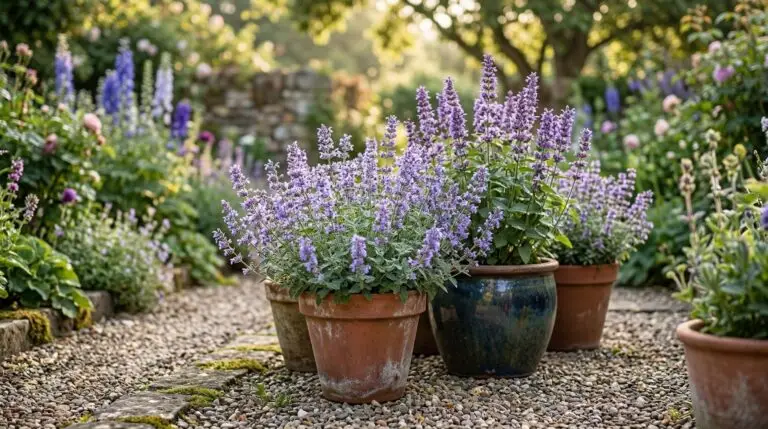
Growing catmint in containers for a fragrant pollinator-friendly balcony
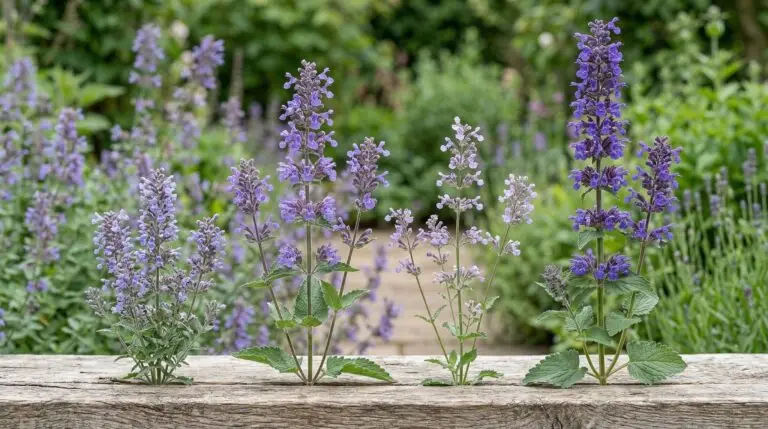
Best catmint varieties from compact Walker’s Low to towering Six Hills Giant