Late August heat bakes the garden soil and pulls the essential oils to the surface of every leaf. The scent of lavender hangs heavy in the still afternoon air, signaling that the flowers are ready for harvest. Snipping the square stems just above the woody base produces a satisfying, crisp sound. The leaves release a sharp, medicinal odor that mixes with the floral sweetness of the blooms. Sticky resin coats your fingers as you gather the purple spikes into thick bunches. You lay the stems in a shallow woven basket, keeping the flower heads aligned to prevent tangling. This physical act marks a distinct shift in the gardening year, moving from the active labor of cultivation to the quiet work of preservation.
Bringing the fresh harvest indoors immediately alters the atmosphere of a house. You tie the bunches with plain cotton twine and hang them upside down from wooden racks in a dark, dry room. The space quickly transforms into a temporary drying shed, filled with a crisp, clean fragrance that permeates every corner. Over the next few weeks, the stems lose their moisture and become brittle to the touch. The flowers fade from brilliant violet to a soft, dusty purple, indicating they are ready for crafting.
Capturing the scent in simple sachets
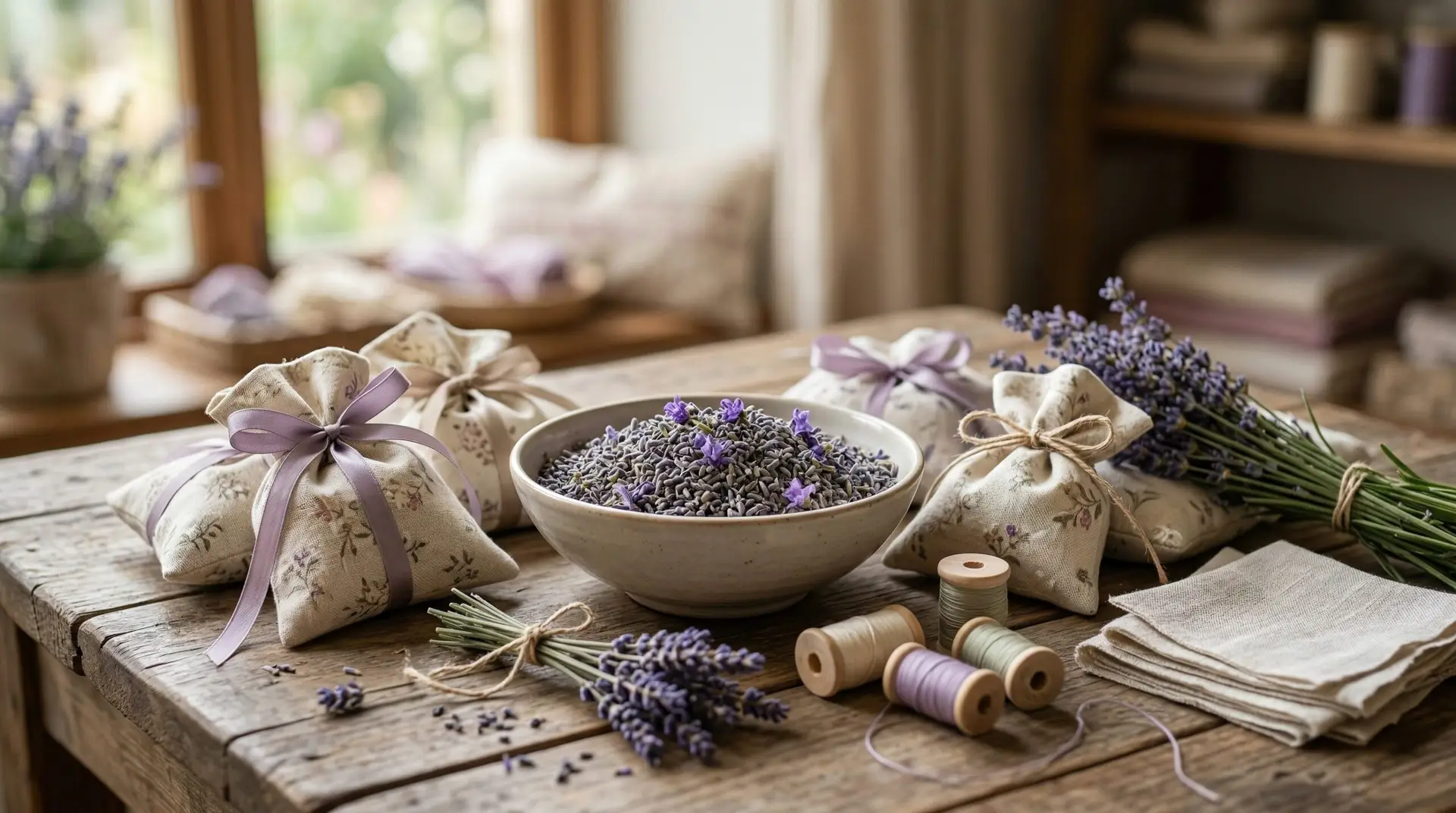
The most traditional way to use this dried harvest is by making simple lavender sachets. Stripping the cured buds from their stems is a repetitive, meditative task that leaves a concentrated perfume on your skin. You hold a bundle over a wide ceramic bowl and gently roll the flower heads between your palms. The small, dry calyxes detach and fall in a soft rain, filling the vessel with a deep, earthy scent. You can sift the buds through a coarse mesh screen to remove tiny bits of broken stem and leaf. This extra step ensures a pure, refined filling for your crafts. These loose buds perfectly fill small fabric pouches made from scrap linen, muslin, or cotton. Tucking these sachets into wool sweaters or stacking them in linen closets imparts a clean fragrance that protects and freshens fabrics for months.
Sewing the pouches offers a practical way to repurpose remnant fabrics with a relatively loose weave. The open gaps between the fabric threads allow the essential oils to escape slowly into the surrounding air. A simple running stitch holds the fabric squares together, creating a humble but highly effective vessel for the flowers. When the scent eventually fades in the middle of winter, a firm squeeze of the fabric crushes the remaining oil glands to release another strong wave of fragrance. This simple action revives the sachet for another full season of use.
Blending botanicals for lasting potpourri
Creating lavender potpourri requires a layered approach to fragrance and visual texture. While lavender provides a strong, camphor-like base note, it benefits immensely from the addition of other garden botanicals. You might dry whole rose blooms or separate their individual petals to add a softer, sweeter element to the mixture. Dried lemon peel, whole cloves, and broken cinnamon sticks introduce a warm spice that grounds the highly floral components. A handful of dried mint leaves can also lift the fragrance profile and add a bright green color to the bowl. Mixing these ingredients in a large glass jar allows the different scents to meld together in the dark for a few weeks before you set them out on display.
Displaying the finished potpourri in shallow wooden or ceramic bowls brings the memory of the summer garden into the winter living room. The visual mixture of faded purples, deep reds, and earthy browns provides a quiet reminder of warm afternoons. Stirring the dried elements with your fingers occasionally brings the heavier spices back to the surface. A few drops of pure lavender essential oil can revive the bowl when the natural plant oils finally dissipate. This simple maintenance keeps the botanical blend active and fragrant throughout the coldest and darkest months of the year.
Weaving stems into traditional wands
While sachets and potpourri rely on fully dried buds, lavender wands require fresh, pliable stems straight from the garden. This historic craft involves bending the green stalks back over the flower heads to cage the blooms securely inside. Choosing varieties with exceptionally long stems makes the weaving process much easier. You start with an odd number of long stems, tying them tightly with thread just below the heavy flower clusters. Carefully folding each green stem downward creates a natural ribbed structure around the purple heads. Weaving a long satin ribbon over and under the stems secures the cage and traps the flowers permanently inside the woven handle.
The weaving process demands patience and a gentle touch to avoid snapping the fresh, water-filled stalks. As the ribbon spirals down the bundle, it compresses the flowers and releases a sharp, green version of the familiar scent. The finished wand is a delicate rattle and an elegant drawer freshener. Because the buds are entirely enclosed by the stems and ribbon, they will never shed dust or debris onto clean clothing.
Bringing the harvest full circle
Larger harvests invite more substantial projects like structured botanical wreaths. A base of woven grapevine provides a sturdy, rustic foundation for small bundles of dried lavender stems. Wrapping green floral wire around the stems secures them to the vine, gradually building a thick, textured ring of muted purple. The wire must be pulled tight, as the lavender stems will shrink slightly as they continue to dry on the wreath form. Adding stiff, flat-topped flowers like yarrow creates necessary visual contrast and structural support among the delicate lavender spikes. Hanging the finished wreath on an interior door ensures that every opening and closing sends a faint breeze of fragrance into the hallway.
The act of preserving lavender transforms a fleeting summer bloom into a permanent fixture of the home. Each hand-sewn sachet, bowl of potpourri, and woven wand holds a specific memory of the garden at its absolute peak. The physical labor of harvesting and crafting slows the inevitable transition between the seasons. You are left with the scent of August sun pressed into linen and glass, waiting quietly in the dark for the snow to fall.
More About Lavender
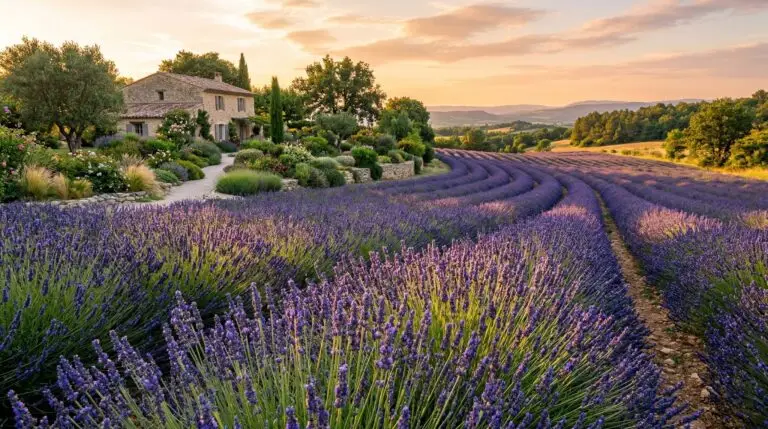
Harvesting and drying lavender at the perfect moment for the strongest fragrance
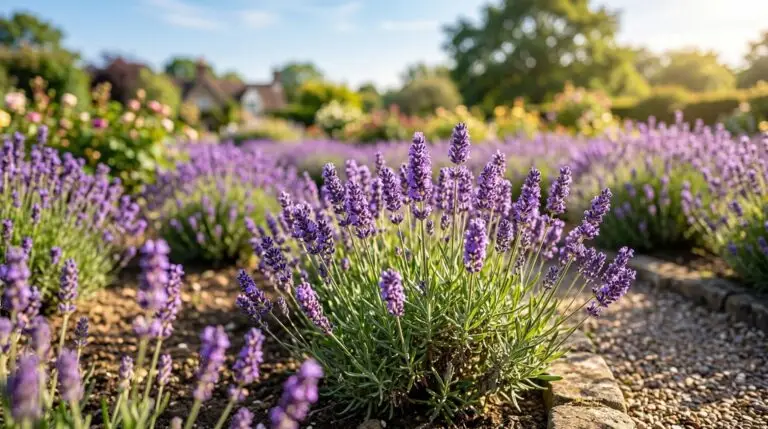
How to grow lavender for fragrant purple spikes and the Mediterranean garden of your dreams
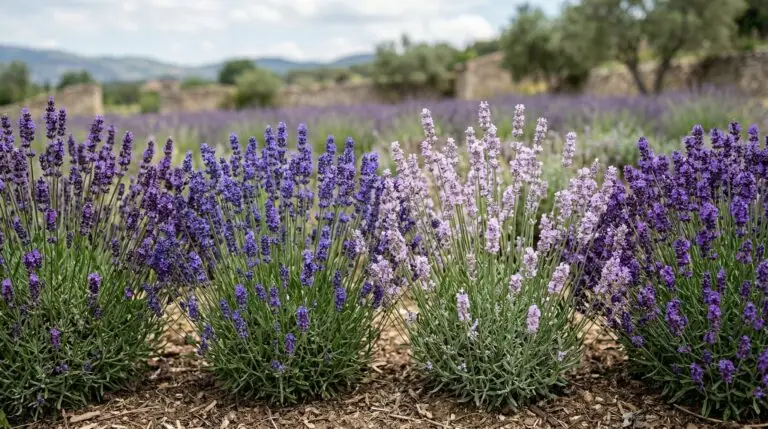
Best lavender varieties from English Hidcote to French Provence and Spanish butterfly types
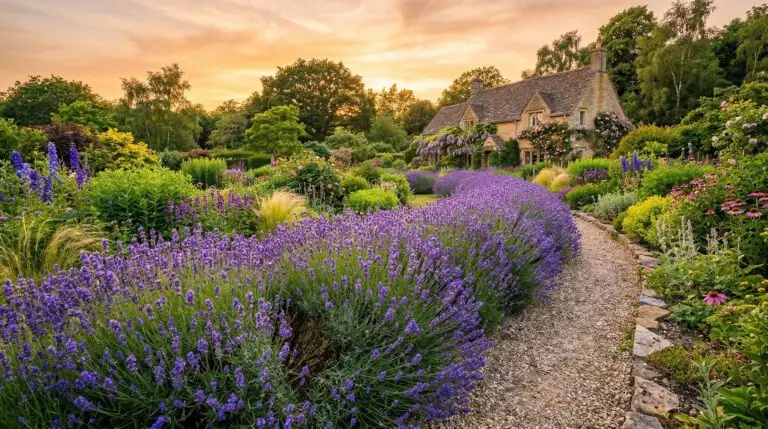
Pruning lavender at the right time to prevent woody bare stems and keep plants compact
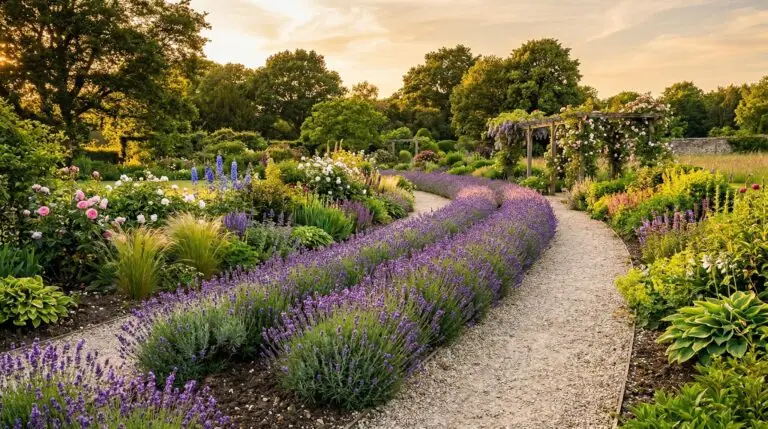
Designing a lavender hedge border that lines your garden path with fragrance
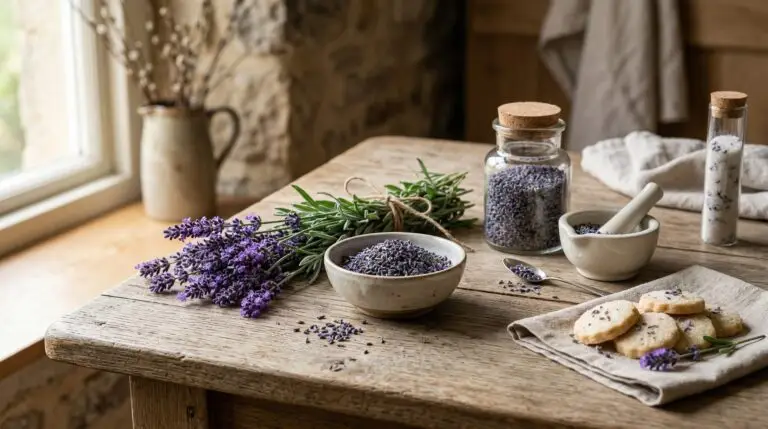
Cooking with lavender from herb-crusted lamb to lavender lemonade and shortbread
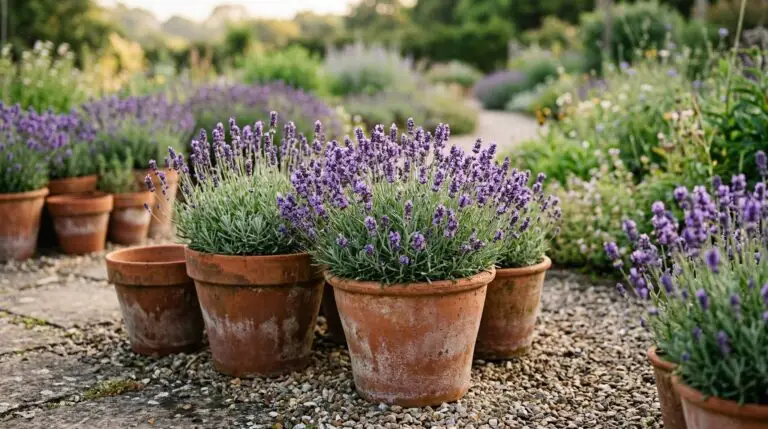
Growing lavender in containers for fragrant patio and balcony gardens