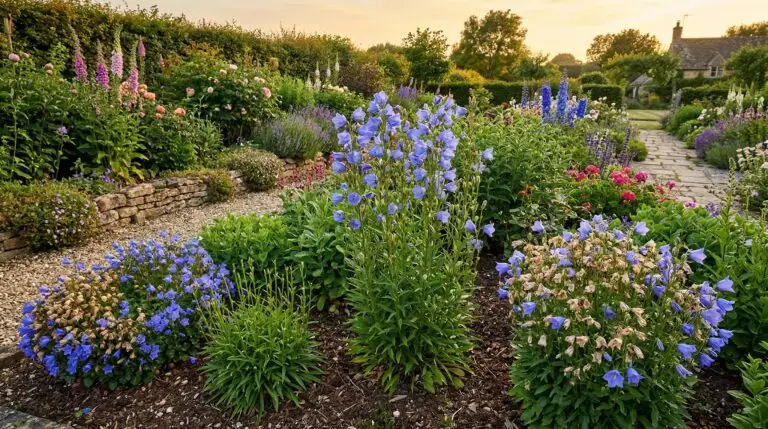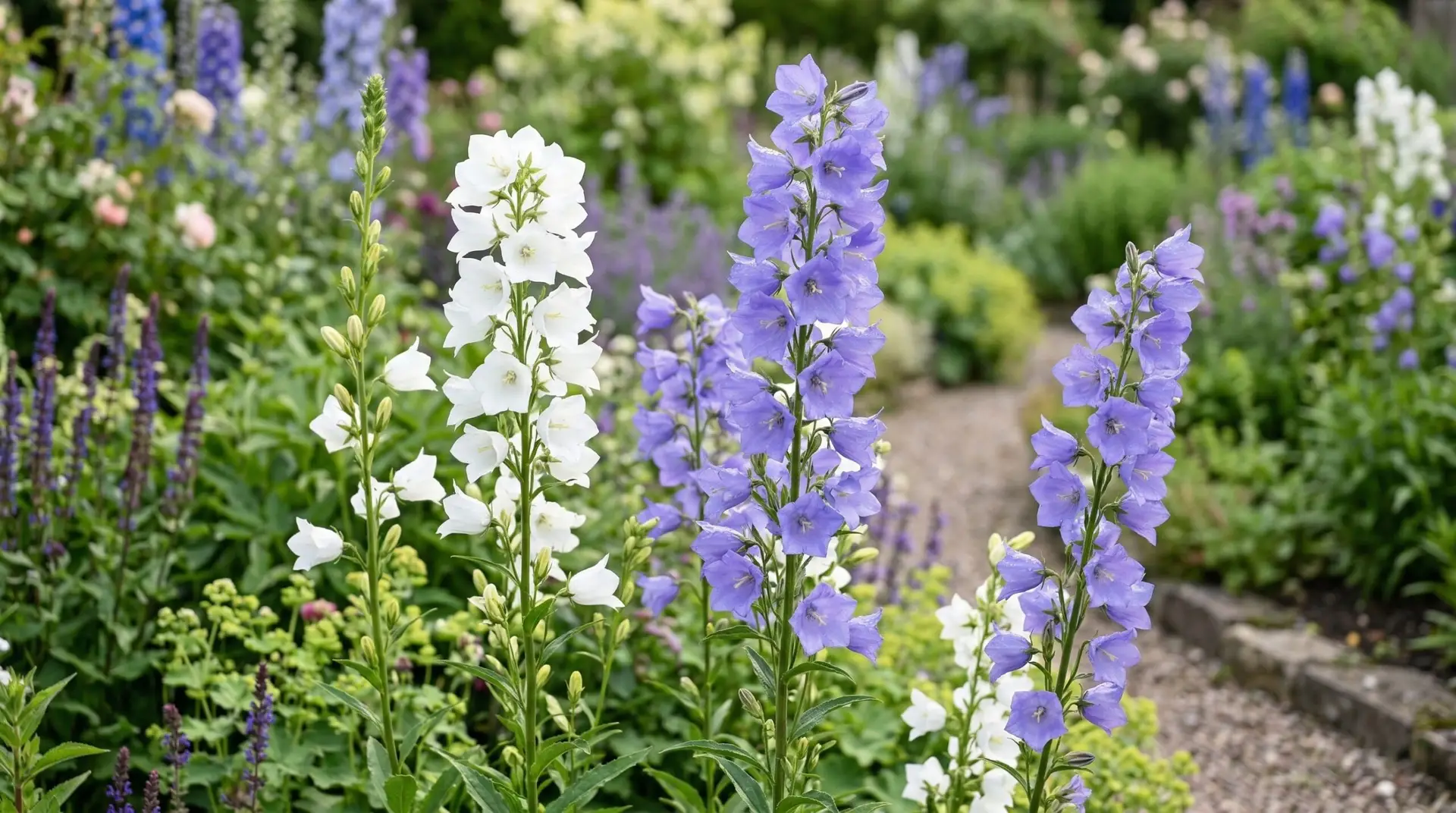
Early summer mornings in the cutting garden have a specific quiet rhythm, marked by the soft snap of shears and the smell of damp earth. The rising sun catches the dew on the delicate cups of bellflowers, turning their purple and white petals translucent in the slanting light. These are the moments when a gardener begins to compose a bouquet in their mind, long before the stems ever reach a vase. The bellflower, known botanically as Campanula, brings a specific old-fashioned charm to floral design that feels both effortless and entirely deliberate. Their nodding heads and graceful stems evoke the relaxed abundance of a traditional cottage plot. Bringing these bellflower cut flowers indoors translates that relaxed garden energy directly to the dining room table or a bedside nightstand. There is something deeply satisfying about arranging stems you grew yourself, watching the papery bells catch the indoor light.
Creating a true cottage flower arrangement begins with understanding the nature of the plants you are growing for the vase. Bellflowers offer a wide range of heights and forms, though not all of them make excellent cut flowers. The low-growing alpine types are better left creeping over stones, while the taller, upright species provide the structural stems needed for floral design. Gardeners who prioritize bouquets usually focus on a few reliable tall species that produce abundant, long-lasting blooms.
Choosing the best bellflowers for cutting
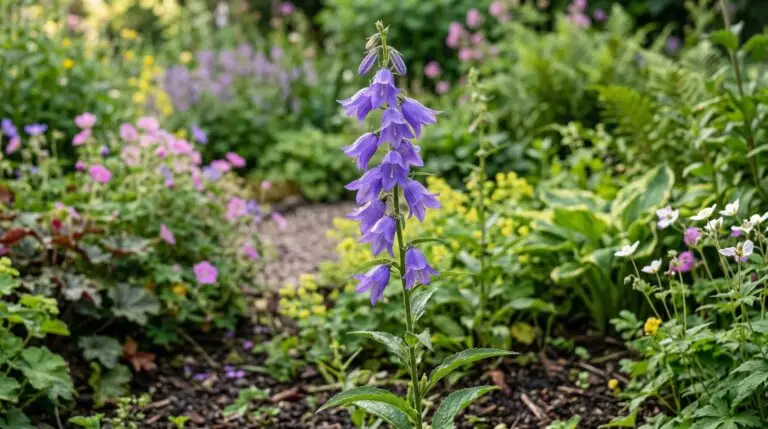
The peach-leaved bellflower, Campanula persicifolia, is perhaps the most elegant choice for the vase, producing tall, slender stems lined with outward-facing, saucer-shaped blooms. These stems add a wonderful airy quality to an arrangement, giving the eye a place to rest between heavier, more solid flowers. For a completely different texture, the clustered bellflower, Campanula glomerata, produces dense, globe-like heads of upward-facing flowers on sturdy stems. These dense clusters provide a solid punch of deep violet or pure white, anchoring the lower half of a mixed bouquet. Canterbury bells, Campanula medium, offer the classic, oversized cup-and-saucer shape that many people immediately associate with the name. Their large, prominent flowers demand attention in an arrangement and work beautifully as the primary focal point. Growing a mix of these three types gives a floral designer plenty of options for creating different shapes and textures within a single vase.
Growing these specific varieties requires a bit of planning, as their bloom times and lifecycles differ slightly. Canterbury bells are biennials, meaning they spend their first year growing a rosette of leaves and save their floral display for their second summer. The peach-leaved and clustered types are reliable perennials that will return to the cutting patch year after year with minimal division. Planting a dedicated row of these reliable producers in the cutting garden ensures you never have to strip your garden borders bare to fill a vase.
Harvest timing and stem conditioning
The secret to a long-lasting campanula bouquet lies entirely in how the stems are treated during the first few hours after cutting. Harvest your bellflowers early in the morning, before the heat of the day draws moisture out of the petals and leaves. You want to cut the stems when the lowest one or two buds have fully opened, but the upper buds are still tightly closed and showing just a hint of color. These upper buds will continue to open over the next week in the vase, extending the life of the arrangement significantly. Bring a bucket of clean, cool water directly into the garden with you, plunging the stems in immediately after making a sharp, angled cut. Bellflowers produce a milky sap when cut, which can foul the vase water and shorten the life of other flowers in the arrangement. Some growers prefer to sear the freshly cut ends in boiling water for ten seconds to seal the sap, though simply resting them in a separate bucket of water for a few hours before arranging works just as well.
Once the stems have rested and the sap has stopped flowing, prepare them for the final vase by stripping away any leaves that will sit below the water line. Foliage left in the water decays rapidly, promoting bacterial growth that clogs the stems and causes the flowers to wilt prematurely. Give the stems one final trim under running water before placing them in their permanent container. Adding a standard commercial floral preservative to the vase water helps the unopened buds develop fully and keeps the water clear for several days.
Designing the cottage garden bouquet
A successful cottage flower arrangement relies on a mix of forms, combining spike flowers, round focal flowers, and airy filler to create a sense of gathered abundance. Tall spires of foxglove make natural companions for bellflowers, echoing their tubular shape while providing strong vertical lines at the back of the vase. To soften the edges, weave in trailing vines of sweet peas, allowing their delicate, ruffled blooms to spill over the rim of the container. You can introduce a classic rose to serve as the heavy, romantic center of the arrangement, letting the lighter bellflowers hover just above the dense petals. For a looser, more meadow-inspired look, mix your campanula stems with the daisy-like faces of cosmos, which share the same delicate, swaying movement. The contrast between the open, flat faces of the daisies and the deep cups of the bellflowers creates visual interest without feeling overly formal or stiff.
Color plays just as large a role as shape when pulling these elements together on the design table. The cool blues, lavenders, and crisp whites of bellflowers naturally cool down the hot pinks and yellows of summer annuals. Try pairing deep violet clustered bellflowers with a pale pink snapdragon for a soft, pastel combination that feels perfectly suited to a June afternoon. Darker purple varieties also look striking against lime green foliage or the chartreuse flowers of lady’s mantle, making the purple tones appear even richer.
Arranging flowers from your own garden connects you to the changing seasons in a very tangible way. A vase of bellflowers sitting on a kitchen counter is a quiet marker of early summer, a temporary capture of the garden at its most generous moment. As the days pass, the lower bells will eventually fade and drop, while the tight green buds at the very tip slowly swell and open to replace them. You will find yourself pausing to pull away the spent blooms, adjusting the remaining stems, and watching the shape of the arrangement shift over the week. This daily interaction with the flowers is part of the pleasure of bringing the garden inside. The beauty of these cottage arrangements lies in their imperfection, their movement, and their fleeting nature. The bellflower, with its nodding grace and quiet charm, asks only for a simple glass pitcher and a patch of morning sunlight to completely transform a room.
More About Bellflower
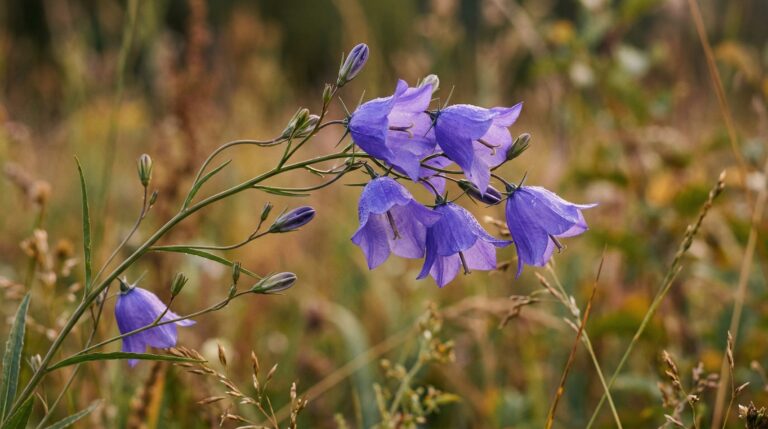
Bellflower meaning across European folklore and its place in wedding traditions
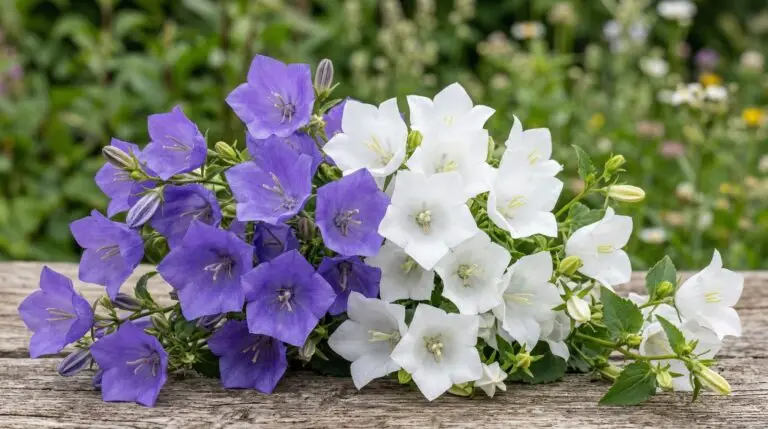
Carpathian bellflower as the perfect low-growing perennial for rock gardens
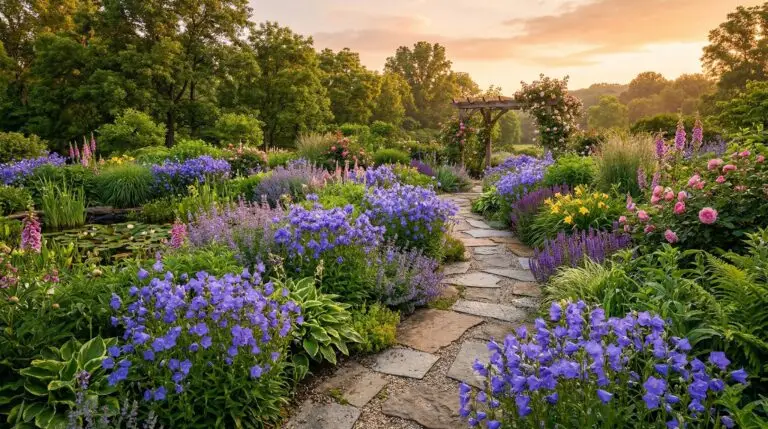
Bellflower and lavender planted together for a dreamy purple and blue summer garden
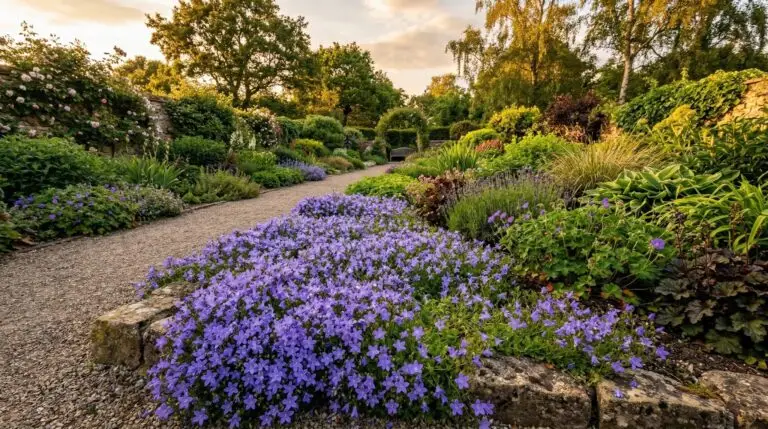
Bellflower ground covers that spread beautifully between stepping stones and rock walls
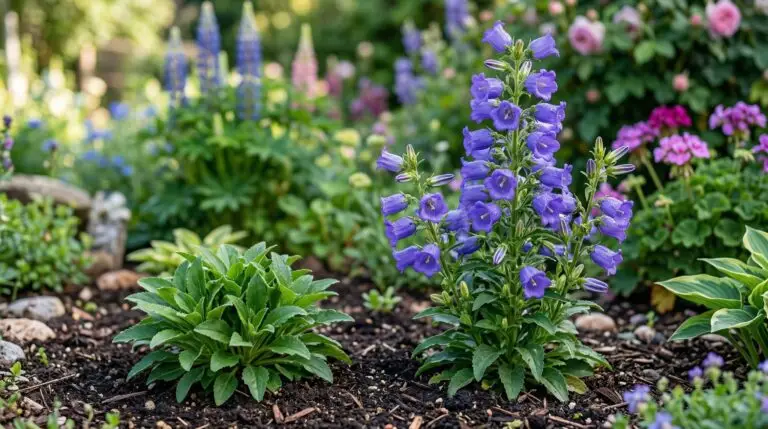
How to grow Canterbury bells from seed for old-fashioned garden charm
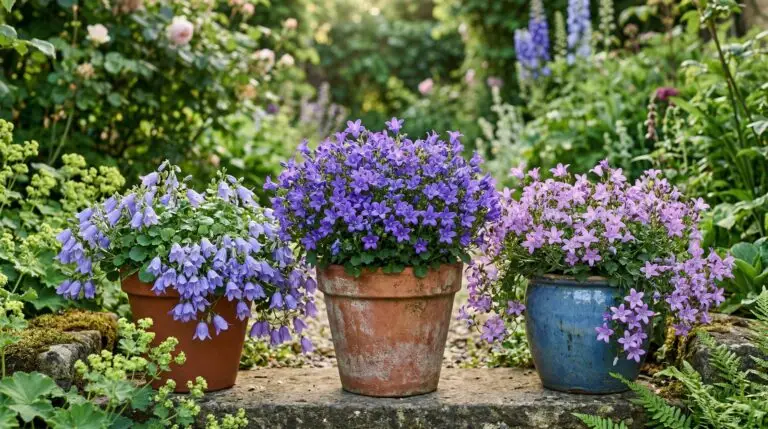
Growing bellflowers in containers for balconies and small urban gardens
How to control invasive bellflower that has taken over your garden beds