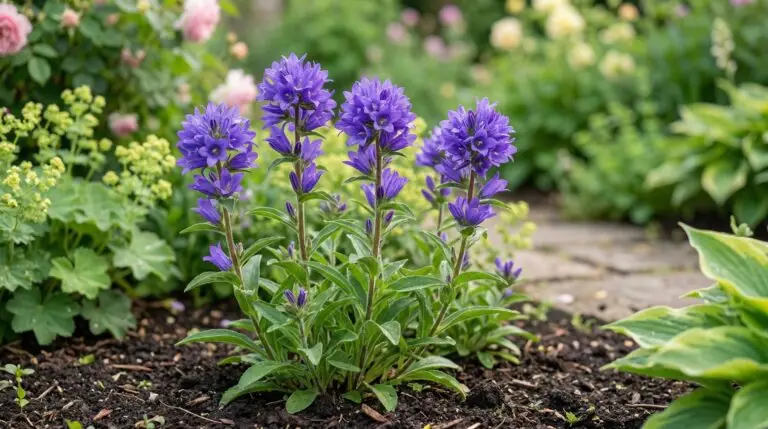
High in the limestone crevices of the European Alps and the Dalmatian mountains, plants face a brutal reality of freezing winds and virtually no soil. The alpine species of the genus Campanula have evolved remarkable biological strategies to thrive in these exact conditions. While many gardeners are familiar with the tall border varieties of the bellflower family, the miniature, rock-dwelling species possess a completely different set of survival mechanics. These diminutive plants produce massive root systems that seek out microscopic fissures in solid rock, anchoring themselves against gravity and weather. By studying how these alpine campanula species operate in the wild, we learn exactly how to cultivate them in rock gardens, stone walls, and alpine troughs.
The secret to their resilience lies largely out of sight beneath the surface of the rock. Many alpine campanulas develop specialized contractile roots, a botanical adaptation where the root actually shrinks longitudinally as it matures. This physical contraction pulls the crown of the plant deeper into the rock crevice or soil surface, protecting the sensitive growing points from freezing temperatures and grazing animals. Above ground, their leaves are often thick, waxy, or covered in fine hairs to reflect excess ultraviolet light and reduce water loss through transpiration. Understanding this rugged anatomy explains why a campanula rock garden requires perfect drainage and lean conditions to succeed.
The biology of rock crevice survival
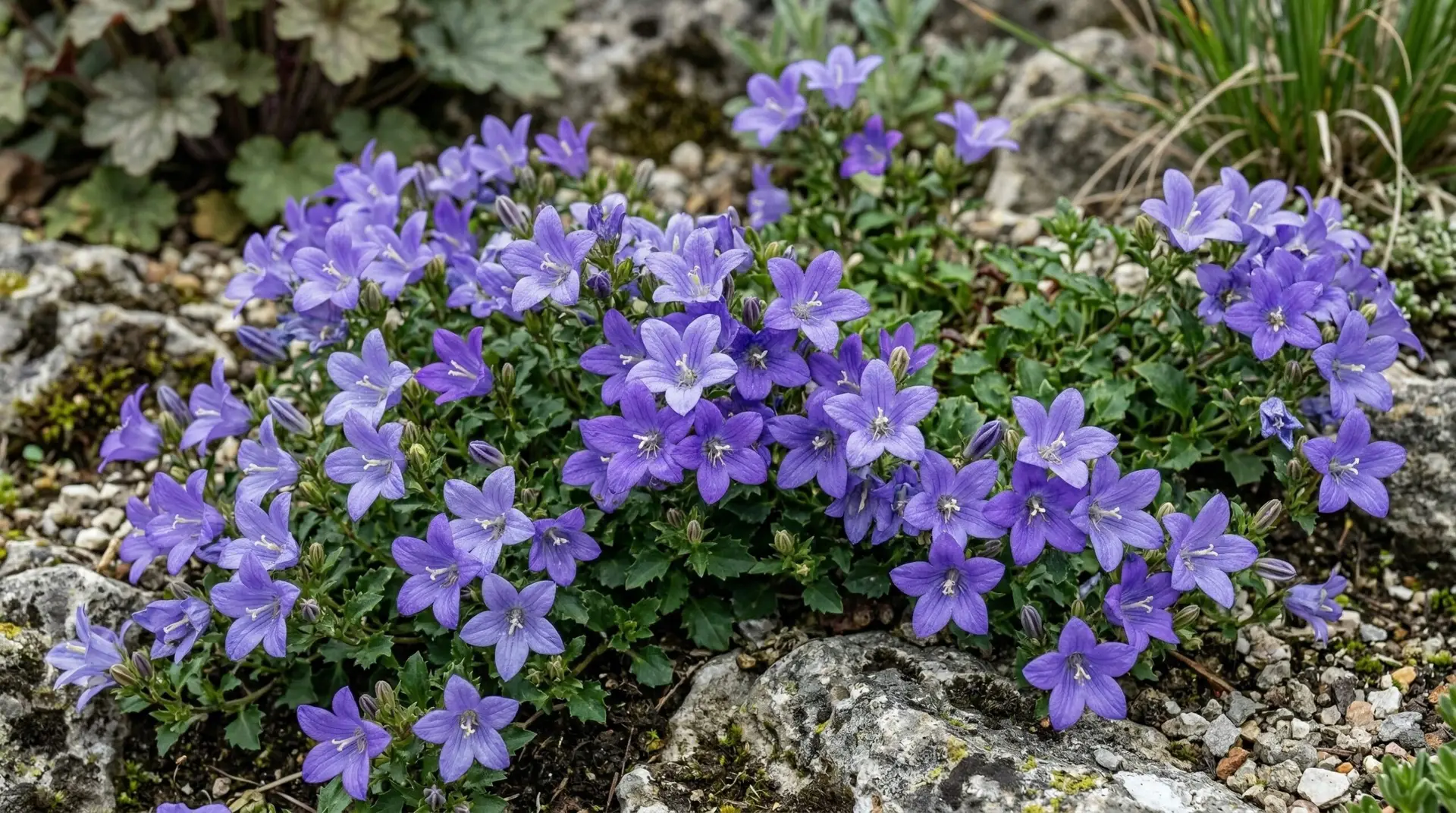
When we look at Campanula portenschlagiana, native to the Dinaric Alps of Dalmatia, we see a plant that has mastered the vertical environment. In its natural habitat, it grows directly out of sheer limestone cliffs, a habit that makes it exceptionally suited for cascading over dry stone walls in a garden setting. The plant manages this vertical existence by producing a woody caudex, a thickened stem base that stores water and carbohydrates to sustain the plant during prolonged dry spells. The roots exude weak organic acids that slowly dissolve the surrounding limestone, allowing the plant to mine essential minerals directly from the rock face. When you plant Campanula portenschlagiana in a garden wall, you provide the exact sharp drainage and mineral-rich environment its biology demands. If you were to plant this same species in heavy, moisture-retentive clay, the woody caudex would quickly succumb to fungal pathogens and rot.
The thermal dynamics of a stone wall also play a role in the life cycle of these trailing species. Rocks absorb solar radiation during the day and release it slowly throughout the night, creating a stable microclimate that protects the plant roots from sudden temperature drops. Campanula portenschlagiana utilizes this radiant heat to trigger early spring growth and sustain its prolific blooming period. The foliage forms a dense, evergreen mat that shades the root zone, conserving whatever minimal moisture accumulates in the rock crevices. This self-shading mechanism is a common evolutionary trait among cliff-dwelling plants, allowing them to create their own localized humidity.
Alpine species for trough and scree gardens
Scree slopes present a different type of geological challenge, characterized by loose, shifting gravel that constantly threatens to bury or uproot vegetation. Campanula cochleariifolia, commonly known as the fairy’s thimble, evolved specifically to navigate this unstable terrain. Instead of a single deep taproot, this species utilizes a network of fine, thread-like underground rhizomes that run horizontally just below the surface of the gravel. When shifting rocks bury a section of the plant, these rhizomes simply send up new shoots through the debris to reach the sunlight. This creeping habit makes Campanula cochleariifolia an ideal candidate for alpine troughs and scree gardens, where it can weave through the gravel topdressing just as it does in the wild. Its behavior in these environments closely mirrors the survival strategies of other mountain natives like the gentian, which also rely on specialized root systems to anchor themselves in shifting alpine soils.
The foliage of Campanula cochleariifolia offers another clue to its mountain origins. The specific epithet “cochleariifolia” refers to its small, spoon-shaped basal leaves, which are arranged in tight rosettes that hug the ground to avoid the desiccating alpine winds. When the plant prepares to bloom, it sends up wiry, leafless stems that hold the nodding, bell-shaped flowers above the turbulent boundary layer of air near the soil surface. This precise stem height ensures the flowers are visible to passing pollinators while keeping the vital vegetative growth safely sheltered below. In a trough garden, providing a thick layer of coarse gravel mulch replicates this natural environment, keeping the foliage dry while allowing the rhizomes to travel freely beneath the surface.
Starry blooms and pollinator dynamics
While many campanula species produce the classic bell-shaped flowers that give the genus its common name, others have evolved flat, star-shaped blooms to accommodate different pollinator interactions. Campanula garganica, native to the Gargano peninsula in Italy, is a prime example of this floral divergence. Its flowers open wide to expose the reproductive organs, creating a flat landing pad for specific species of solitary bees and hoverflies. The floral biology of the entire genus uses a mechanism called protandry, an evolutionary strategy to prevent self-pollination. When the flower first opens, the male anthers release their pollen onto the outside of the female style, which has not yet become receptive to fertilization. The anthers then wither away, and only after the pollen has been carried off by visiting insects do the female stigmas open at the tip of the style to receive pollen from a different plant.
This precise timing mechanism ensures genetic diversity, which is essential for populations isolated on fragmented mountain peaks. The wide-open starry flowers of Campanula garganica make this mechanical process highly visible to the observant gardener. You can watch as the central style acts first as a pollen presenter and later as a pollen receiver. This species also exhibits a strong preference for eastern or northern exposures in the wild, avoiding the most intense afternoon heat that could desiccate its relatively exposed floral organs. Gardeners can apply this field observation by placing Campanula garganica on the cooler sides of a rockery or stone trough, where the blooms will last significantly longer.
Translating mountain ecology to the garden
Successfully growing these alpine campanula species requires us to abandon traditional gardening practices that favor rich compost and frequent watering. The biology of these plants demands a growing medium that is poor in organic matter but rich in mineral content, mimicking the crushed limestone and granite of their native ranges. A proper rock garden or alpine trough soil mix often consists of equal parts coarse sand and gravel mixed with a small fraction of loam. This gritty composition ensures that water moves instantly away from the crown of the plant, preventing the fungal rot that is the primary cause of death for alpine plants in cultivation. Companion plants should share this requirement for rapid drainage and low fertility, making species like blue flax excellent neighbors in a constructed scree bed.
The placement of rocks matters just as much as the soil mixture when cultivating these mountain species. Rocks in a crevice garden should be buried deeply, with only a third of their mass exposed above the soil line, creating deep, cool root runs where moisture condenses underground. When you plant a species like Campanula portenschlagiana or Campanula garganica between these tightly spaced stones, you force their roots deep into the earth, increasing their drought tolerance and winter hardiness. The stones are also a physical barrier against encroaching weeds that might outcompete the slow-growing alpine species. By studying the mechanics of how these plants interact with geology in the wild, we move beyond simply decorating with flowers and begin participating in their specialized ecology.
The true marvel of the alpine campanula lies in its phenotypic plasticity, the biological ability to alter its physical form in response to environmental pressures. If you take a cutting of Campanula cochleariifolia from a harsh, wind-scoured ridge and grow it in a sheltered greenhouse, the plant will produce larger leaves and longer internodes, relaxing its tight, defensive posture. Yet, the moment you return it to a rocky trough exposed to the elements, the new growth will immediately revert to the compact, ground-hugging habit dictated by its genetic memory. These tiny plants are not fragile novelties struggling to survive, but highly engineered organisms perfectly calibrated to conquer stone and wind. Whenever you see a mass of blue bells spilling from a dry stone wall, you are witnessing a masterclass in botanical adaptation.
More About Campanula
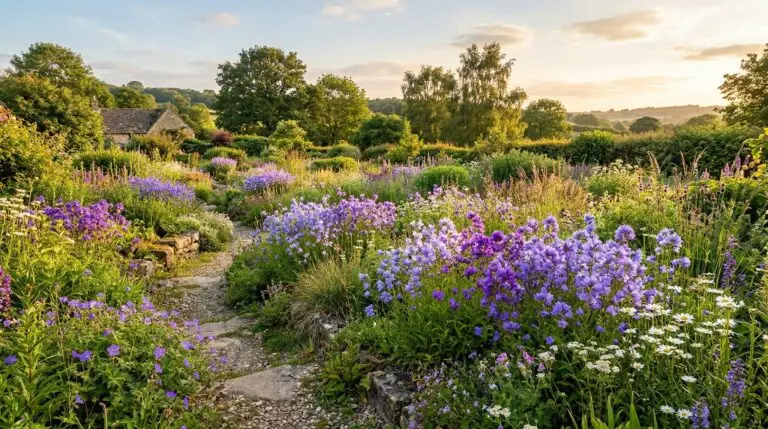
Campanula in European wildflower meadows and how to recreate the look at home
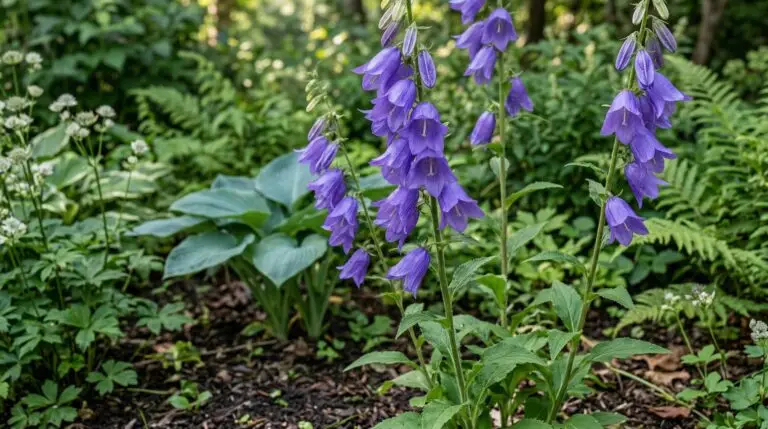
Campanula for shady garden spots where color is hard to find
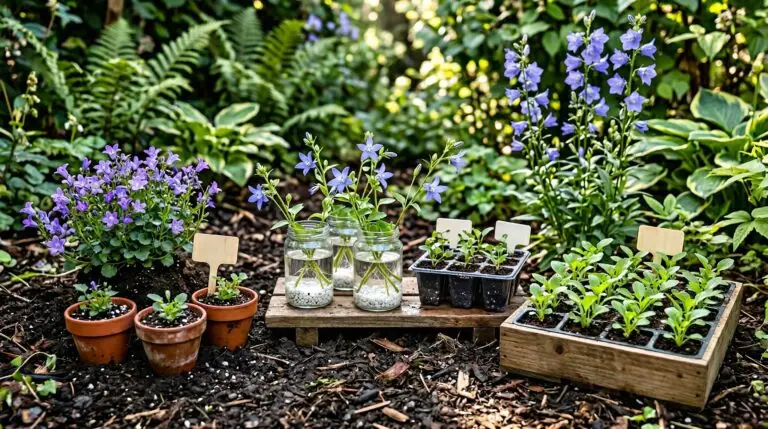
How to propagate campanula from stem cuttings root division and seed
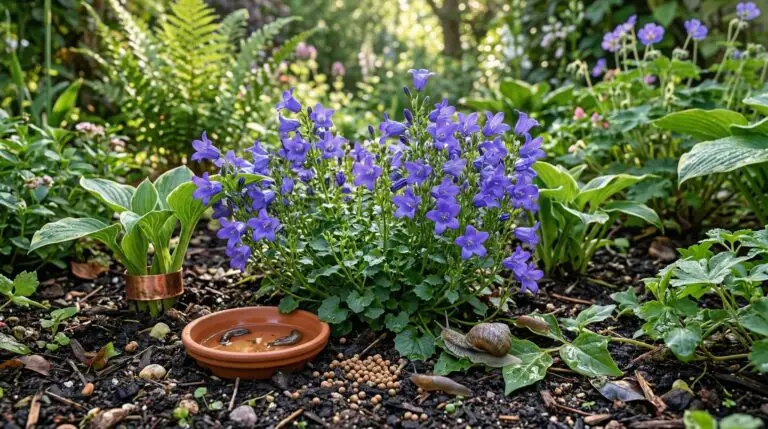
Campanula pests including slugs and rust and organic prevention methods
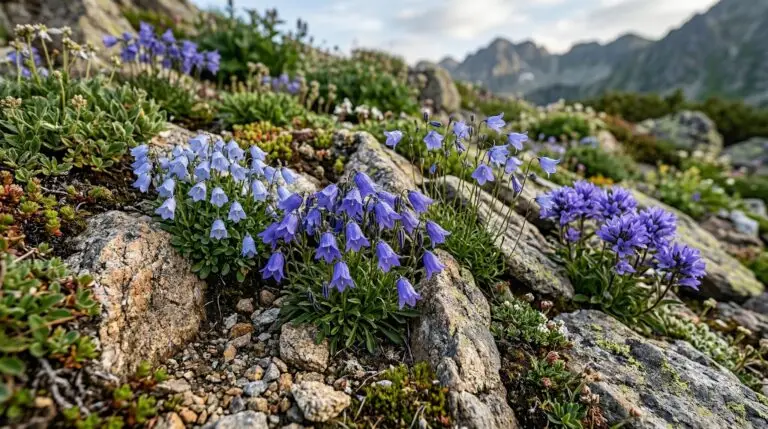
How campanula adapts to different growing conditions from mountains to meadows
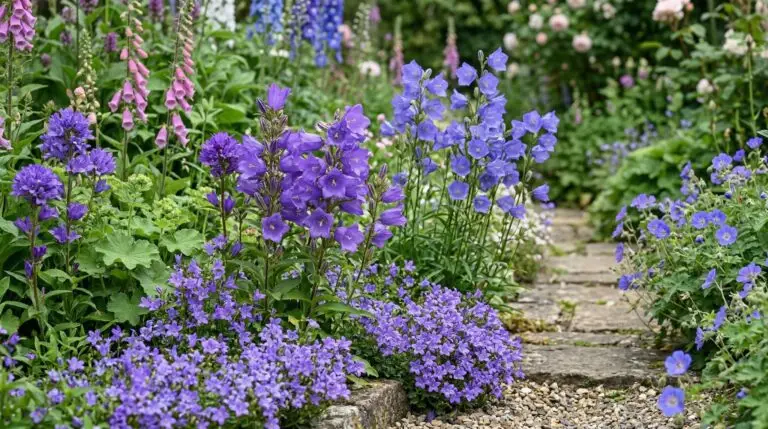
Campanula persicifolia the elegant peach-leaved bellflower for cottage gardens
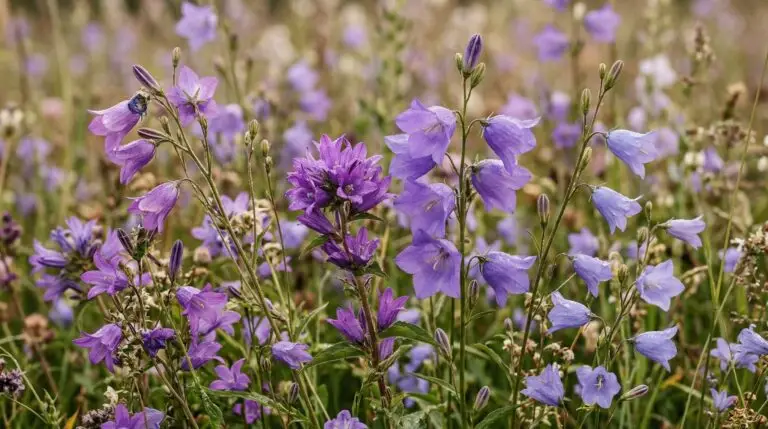
The botanical diversity of campanula with over 500 species across the world
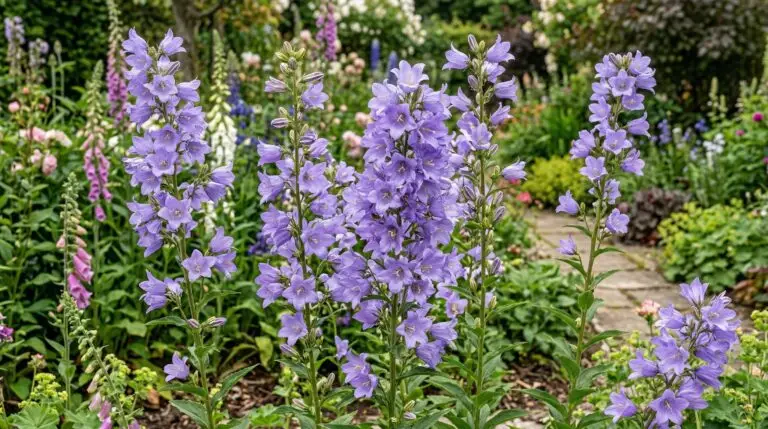
Campanula lactiflora and the tall milky bellflowers for the back of the border