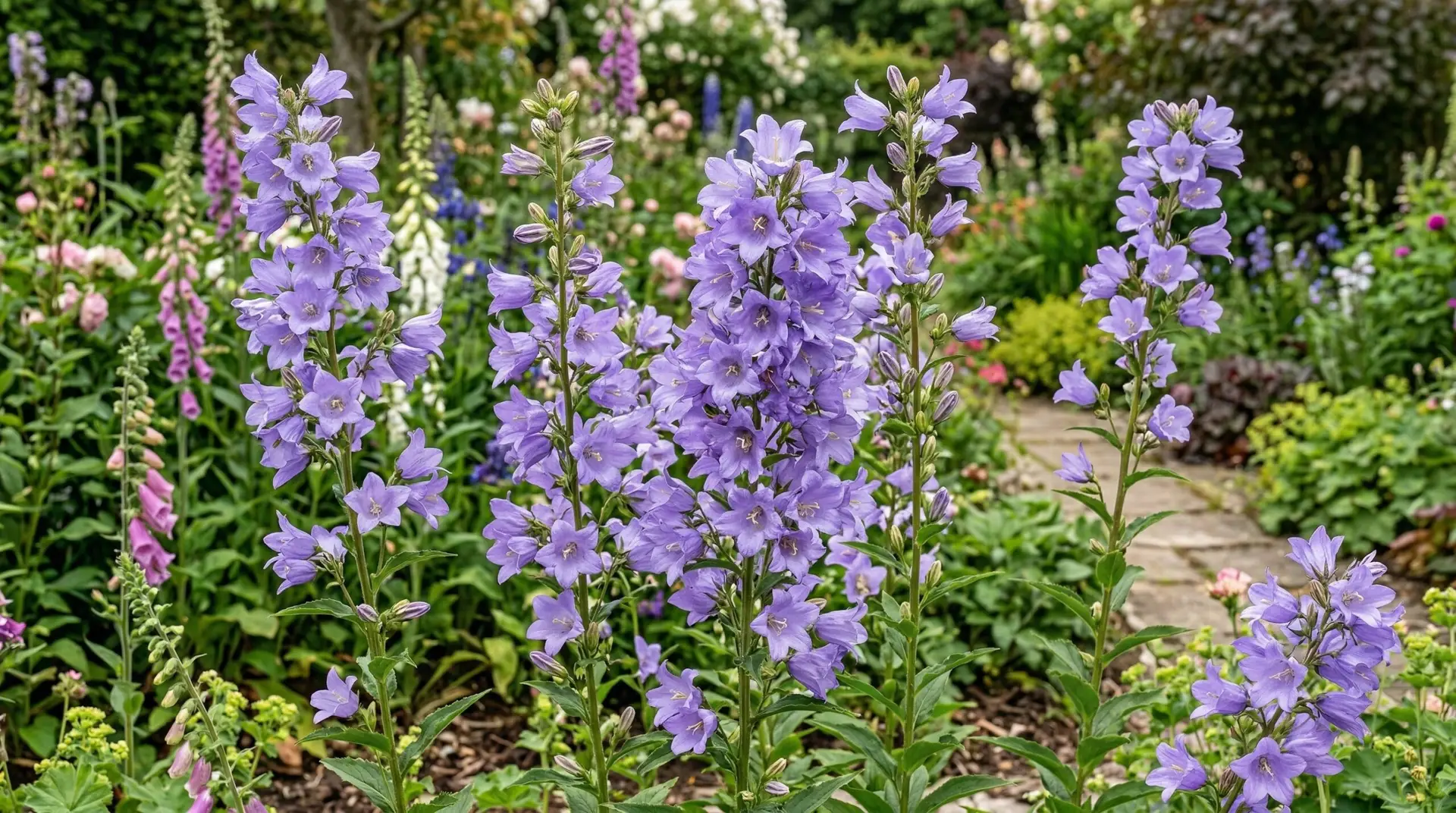
There is a specific kind of magic that happens in the back of a flower border when the midsummer heat finally settles in. Most gardeners are familiar with the shorter, creeping types of bellflower that spill over rock walls and edge garden paths. My own obsession lies with the giants of the genus, specifically the towering presence of campanula lactiflora. This plant, commonly known as the milky bellflower, brings an entirely different scale to the garden with stems that routinely push past four feet tall. The sheer volume of flowers it produces is hard to comprehend until you grow a mature clump yourself. Instead of solitary bells, the thick stems branch out at the top to form massive domes of starry, open-faced flowers. Watching those green buds swell and finally split open into a cloud of soft color is one of the most satisfying moments of the gardening year.
Contents 5 sections
The structure and habit of a tall campanula
Growing a tall campanula requires a different mindset than tucking a small alpine plant into a crevice. These are substantial perennials that demand real estate in the garden and put on an enormous amount of vegetative growth in a few short months. By early June, a healthy clump of campanula lactiflora will form a dense thicket of rigid, leafy stems rising steadily toward the sky. The foliage is slightly rough to the touch and forms a solid green backdrop for the plants growing in front of it. I often use a technique called the Chelsea chop on the front third of the clump, cutting those stems back by half in late May. This simple action forces the plant to branch lower down and delays the flowering of those specific stems by a few weeks. The result is a staggered display of blooms that extends the season and creates a slightly tiered effect rather than one massive, top-heavy canopy.
Choosing between the classic varieties
When you start collecting milky bellflowers, you quickly realize that the named varieties offer very distinct personalities in the garden. My personal favorite will always be ‘Loddon Anna’, a variety that produces the most delicate, soft lilac-pink flowers. The color is difficult to pin down exactly, shifting from a warm blush in the morning light to a cooler, almost silvery pink by dusk. If you prefer a stronger presence, ‘Prichard’s Variety’ delivers deep violet-blue flowers that anchor the back of the border with serious weight. The blue varieties tend to fade beautifully as they age, leaving you with a multi-toned head of flowers where the fresh dark blooms mix with the older, paler ones. I have also grown the pure white ‘Alba’, which lights up the evening garden but shows every tiny blemish when the rain bruises the petals. Selecting the right variety often comes down to the color temperature you want to establish in that specific garden bed.
Companions that hold their own
A plant of this size needs neighbors that can match its scale without competing for the exact same visual space. I love planting campanula lactiflora alongside towering spikes of Delphinium elatum, allowing the rounded domes of the bellflower to contrast directly with the sharp, vertical lines of the delphiniums. The flowering times overlap perfectly in my garden, creating a classic midsummer combination that feels deeply traditional and incredibly rewarding to pull off. Later in the season, tall varieties of Phlox step in to fill the gaps, their own domed flower heads echoing the shape of the campanula as it begins to fade. You have to be careful not to crowd the base of the milky bellflower, as it needs good air circulation to prevent mildew on the lower leaves. I usually leave about two feet of breathing room around the crown, filling the middle ground with airy plants that will not smother the heavy basal foliage.
The honest work of keeping them upright
I will not pretend that growing a four-foot-tall perennial topped with heavy flowers is a maintenance-free experience. The absolute truth is that campanula lactiflora will flop over if you do not stake it early in the season. There is nothing quite as frustrating as watching a perfectly grown clump get flattened by a sudden July thunderstorm, the heavy, waterlogged flower heads dragging the entire plant into the mud. I have learned to place sturdy metal linking stakes around the perimeter of the plant when the stems are only a foot tall. As the plant grows, the foliage completely hides the hardware, and the stems lean naturally against the metal without looking pinched or artificial. Some growers swear by pushing twiggy brushwood into the soil for the stems to grow through, which works well if you have access to the right kind of branches. Taking the time to support them properly in spring guarantees that you get to enjoy the flowers exactly where they belong at eye level.
The quiet reward of the late summer garden
The real joy of this plant reveals itself in how it responds to the gardener’s attention as the season progresses. When the main central flower heads finally finish their display, you can cut them back to the next set of leaves to trigger a whole new phase of growth. The plant will push out lateral branches loaded with smaller, but equally beautiful, clusters of flowers that keep the color going well into late August. I often cut these secondary stems to bring indoors, where they last for nearly a week in a heavy glass vase. Occasionally, a self-sown seedling will appear in a gravel path or at the edge of a bed, offering a slight variation in color from the parent plant. Discovering these unexpected volunteers feels like a quiet reward for the work of maintaining the larger border. The reliable return of those thick, fleshy shoots breaking through the soil every spring is exactly what keeps this tall campanula permanently rooted in my garden.
More About Campanula
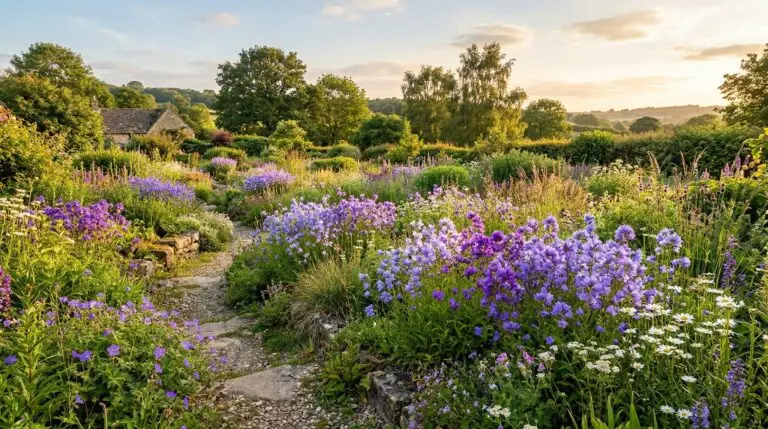
Campanula in European wildflower meadows and how to recreate the look at home
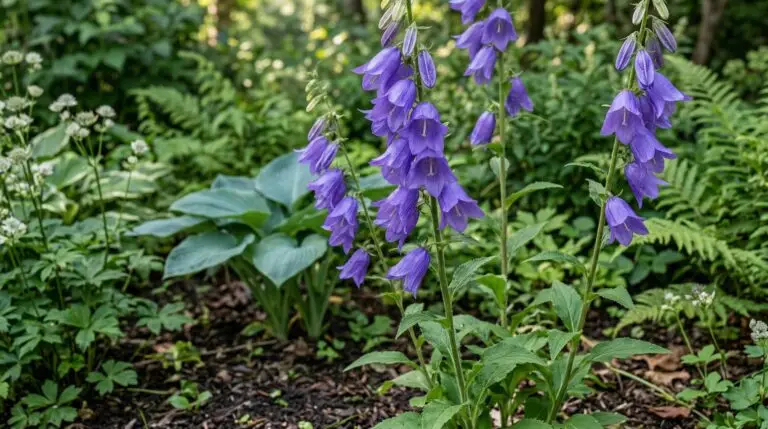
Campanula for shady garden spots where color is hard to find
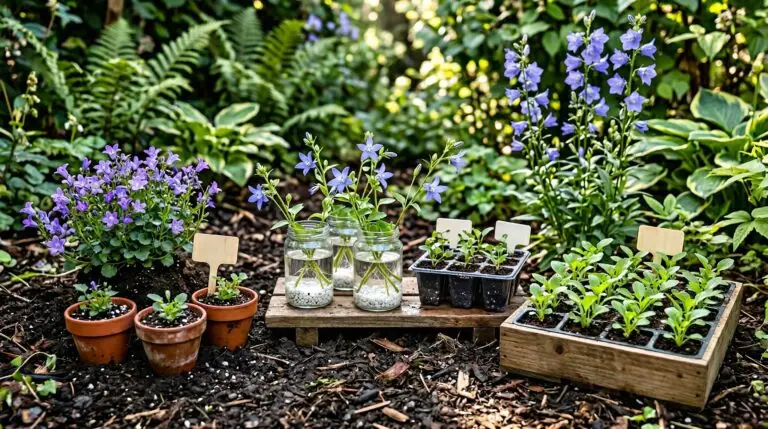
How to propagate campanula from stem cuttings root division and seed
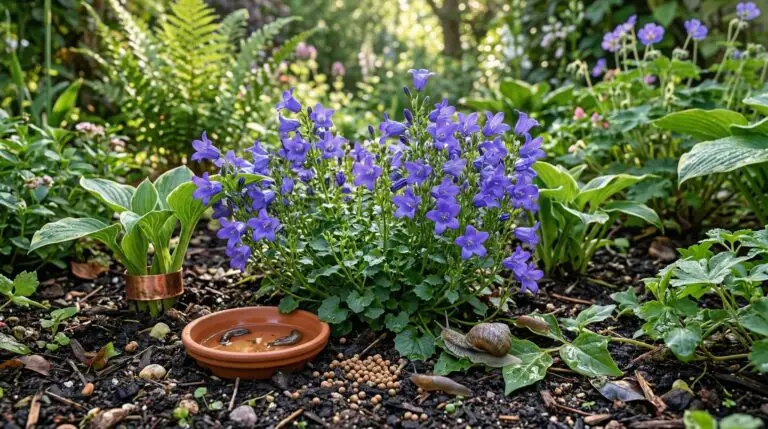
Campanula pests including slugs and rust and organic prevention methods
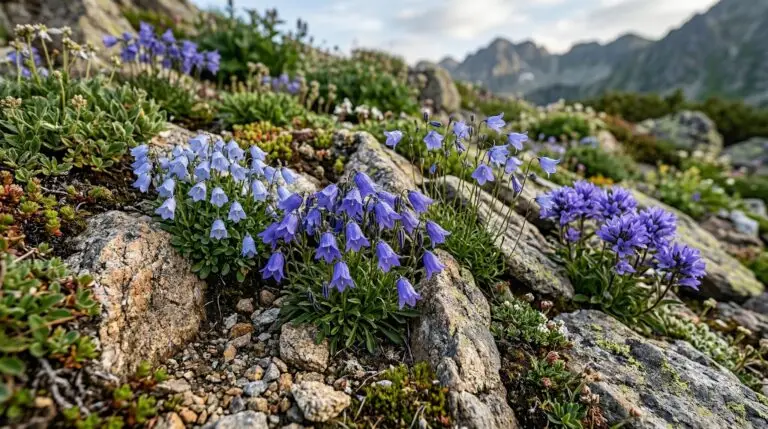
How campanula adapts to different growing conditions from mountains to meadows
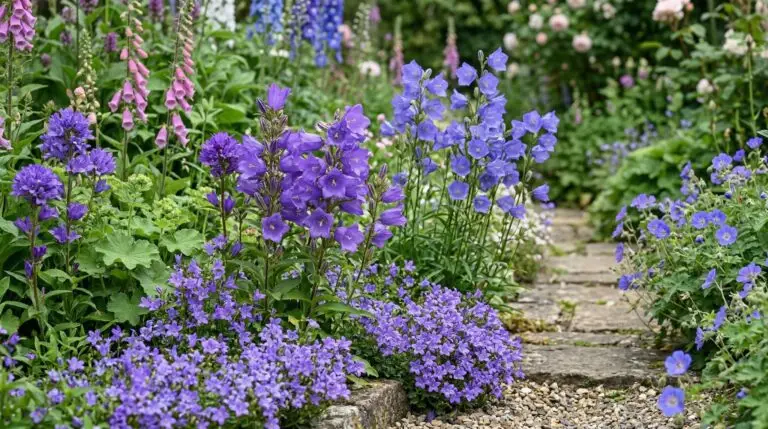
Campanula persicifolia the elegant peach-leaved bellflower for cottage gardens
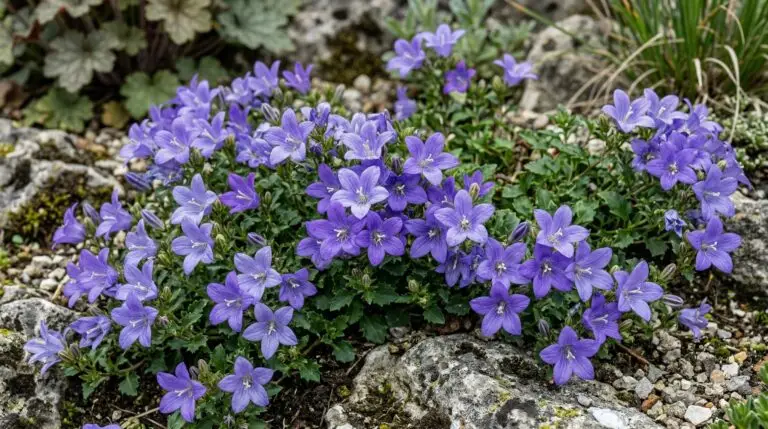
A guide to campanula species for rock gardens alpine troughs and stone walls
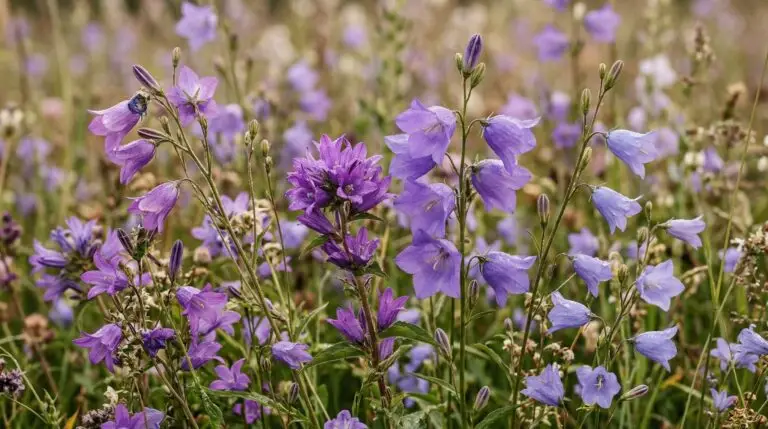
The botanical diversity of campanula with over 500 species across the world
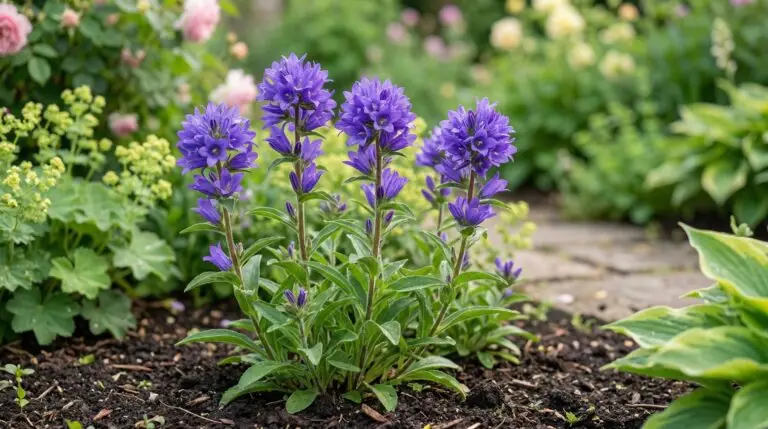
Growing campanula glomerata for intense purple clusters in summer borders
Enjoying our flower guides? Add YourFlowersGuide as a preferred source on Google. It helps more readers find us.
Add to Preferred Sources