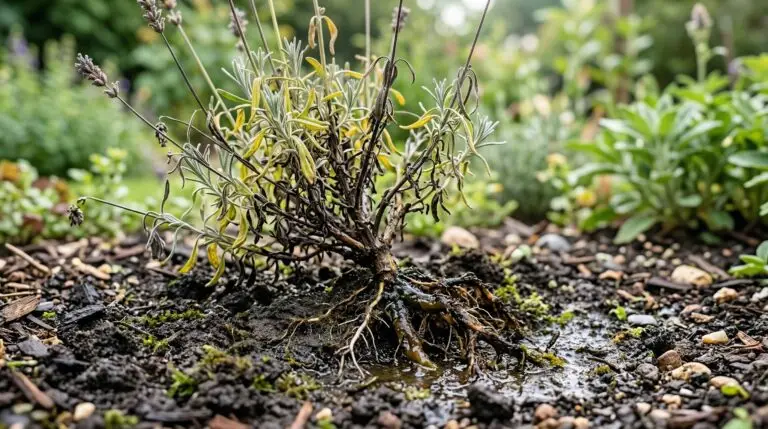
Walking out to the patio in mid-July only to find a newly bought lavender plant turning a sickly shade of gray-brown is a rite of passage for many gardeners. The instinct is to grab the watering can, assuming the summer heat has dried the poor thing out. Nine times out of ten, that extra drink of water is the final nail in the coffin for a plant that is actually drowning in its own container. Growing lavender in pots requires unlearning almost everything taught about typical container gardening. Most patio flowers want rich, moisture-retaining soil and regular watering to survive the summer sun. Lavender, on the other hand, wants to be treated a bit rough, thriving in conditions that would make a standard petunia wither in days.
Getting that environment right takes a little trial and error, but the reward is a plant that brushes against your legs and releases that unmistakable fragrance every time you walk past. Potted lavender brings an immediate, structural beauty to a patio, acting as a silvery focal point that anchors the space. It handles the baking heat of a concrete balcony better than almost anything else available at the local nursery. The trick is resisting the urge to pamper it with expensive fertilizers or constant attention. Once the right foundation is set up, this is a plant that prefers to be completely ignored for days on end. Learning to step back and let the plant do its thing is often the hardest part for anyone used to fussing over a summer garden.
Choosing the right pot and soil mix
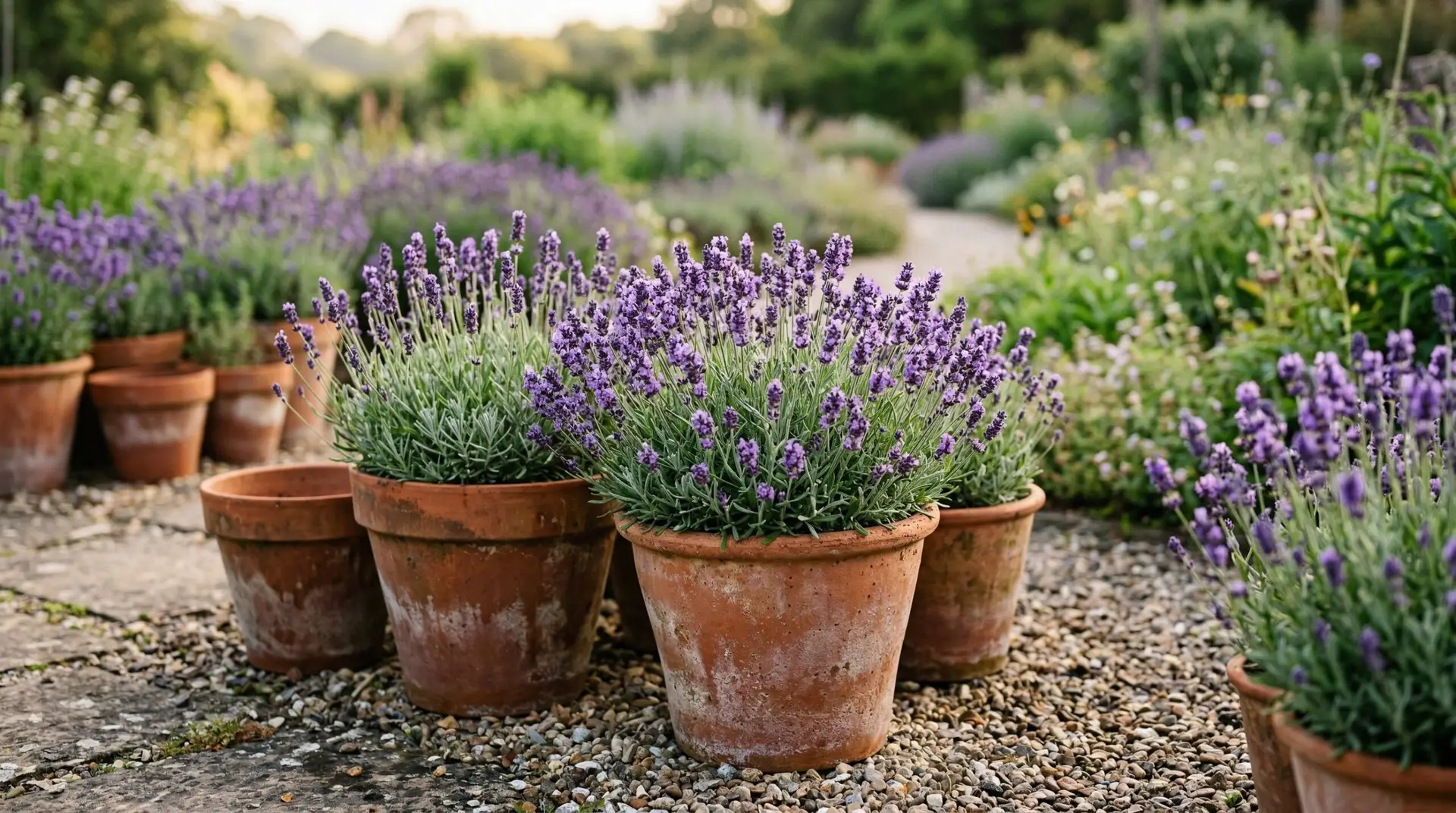
The foundation of a healthy potted lavender starts before the plant ever leaves its nursery pot, beginning with the container itself. Plastic and glazed ceramic pots hold onto moisture for dear life, creating a humid environment around the roots that lavender absolutely hates. Plain, unglazed terra cotta is the only way to go for these plants, as the porous clay breathes and allows excess moisture to evaporate straight through the sides of the pot. A thick terra cotta pot also adds a heavy base to keep top-heavy plants from blowing over in summer storms, while adding to that classic Mediterranean patio style. If a decorative glazed pot is already sitting empty on the porch, use the terra cotta pot as an insert and empty the decorative cachepot every single time it rains. Standing water is the fastest way to kill lavender, so the container must have a large drainage hole at the bottom, no exceptions.
Standard potting soil straight from the bag is far too dense and spongy for a plant that evolved to grow in gravelly limestone. Most commercial mixes are loaded with peat moss, which acts like a sponge and holds water against the roots long enough to cause rot. A much better approach is to buy the cheapest, most basic potting soil available and heavily amend it with coarse materials to create a fast-draining mix. Mixing equal parts of potting soil and coarse sand, perlite, or even inexpensive poultry grit from a farm supply store creates the perfect texture. The water should run out of the bottom of the pot almost immediately after watering, leaving the roots damp but never sitting in mud. Adding a handful of garden lime to the mix helps raise the pH, creating the sweet, alkaline soil conditions that keep the foliage looking silver and healthy all season long.
Selecting compact varieties for small spaces
Garden centers often sell massive, sprawling varieties of lavender that look great in a field but quickly outgrow a standard patio container. Those large types will become woody and split open in the center when confined to a pot, looking ragged by the end of their second year. Compact English lavender varieties like Munstead or Hidcote are much better suited for container life, staying tightly mounded and rarely exceeding two feet in height. These smaller types produce an abundance of deeply colored, highly fragrant flower spikes that attract every bee in the neighborhood. They also pair beautifully with other sun-loving herbs, and placing a pot of lavender next to a container of rosemary creates a drought-tolerant corner that smells incredible in the summer heat. Sticking to these dwarf varieties means the plant can live happily in the same twelve-inch pot for several years before needing an upgrade.
Gardeners in the South or those dealing with extremely humid summers often find English lavender difficult to keep alive, no matter how well the pot drains. In these regions, Spanish or French lavenders are much more forgiving of the humidity and heat, though they are less cold-hardy when winter arrives. Spanish lavender is easy to spot by the little rabbit ears or bracts sticking up from the top of the flower heads, and it blooms continuously through the hottest parts of the year. The fragrance is slightly more camphorous than the English types, but the visual impact on a balcony is unmatched. Surrounding these pots with bright, heat-loving flowers like geranium completes the Mediterranean look while keeping the maintenance requirements similar across the entire patio. Choosing the right variety for the local climate prevents a lot of frustration and wasted money at the garden center.
Watering rules and summer maintenance
The most common mistake made with container lavender is watering it on a rigid schedule instead of watching the plant and feeling the soil. During the heat of summer, the soil in a terra cotta pot will dry out quickly, but the plant has deep taproots designed to seek out whatever moisture remains. After trying rigid schedules and soil meters for several years, the method that consistently works is to wait until the pot feels noticeably light when lifted. When it is time to water, soak the pot thoroughly until water pours out the drainage hole, and then walk away until the soil is completely dry again. Giving the plant a little splash of water every day encourages shallow root growth and almost guarantees rot at the soil line. If finding this balance proves too frustrating, switching to a more forgiving plant like catmint offers a similar purple-blue aesthetic with far less fuss about soil moisture.
Pruning is the other necessary chore to keep container lavender looking fresh rather than woody and neglected. Right after the first heavy flush of flowers fades in early summer, grab a pair of sharp shears and cut the entire plant back by about a third. This simple haircut removes the spent blooms and encourages a second, slightly smaller flush of flowers later in the season while keeping the foliage dense. Never cut down into the hard, brown, woody stems at the base of the plant, as lavender rarely sprouts new growth from old wood. Taking off just the green, leafy growth keeps the plant in a neat dome shape that looks tidy on a balcony. A second, lighter trim in late summer prepares the plant for the cooler months ahead, ensuring it does not flop over under the weight of winter snow or heavy rain.
Overwintering containers in different climates
Winter survival is the final hurdle for potted lavender, and the approach changes drastically depending on the local growing zone. In mild southern climates, the pots can usually stay right where they are on the patio, provided they are not sitting in a spot that collects standing water during winter rains. The plants will stop growing and may look a bit dull, but they handle the occasional light frost without skipping a beat. In northern zones, however, a terra cotta pot left exposed on a freezing balcony will crack, and the roots inside will freeze solid and die. The roots of a potted plant are essentially exposed to the ambient air temperature, making them far more vulnerable to cold than a plant insulated by the ground. Moving the pots against a south-facing brick wall can offer enough radiant heat to protect them in borderline climates, but harsher zones require a different strategy entirely.
For gardeners dealing with heavy snow and deep freezes, an unheated garage or enclosed porch is the safest place for container lavender from December through March. The goal is to keep the plant dormant but protected from extreme temperature swings and freezing winds. During this storage period, the lavender will look completely dead, with gray, brittle-looking foliage that sparks panic in first-time growers. The seedlings look dead for about two weeks after transplanting in the spring too, but they are not, so just give them time. Water the dormant pots very sparingly, perhaps once a month, just to keep the roots from desiccating entirely in the dry winter air. When the danger of hard frost passes in the spring, move the pots back out into the sun gradually, and watch as the center of the plant pushes out fresh, green growth.
Growing lavender in pots is a skill built entirely on restraint and observation, demanding that gardeners step back and let the plant dictate its needs. The initial setup requires hauling heavy terra cotta pots and mixing coarse soil on a tarp, but that effort pays off for years to come. Losing a plant or two to overwatering is just part of the learning curve, teaching a valuable lesson about the difference between damp and drenched soil. Once the rhythm of the soak-and-dry watering method clicks, maintaining these plants becomes one of the easiest chores in the summer garden. A thriving pot of lavender transforms a stark balcony or paved patio into a space that smells rich and earthy every time the wind blows. The persistence required to figure out the right soil and watering balance is entirely justified the first time you harvest a handful of stems from your own backyard.
More About Lavender
Lavender flower meaning and why this herb has calmed humanity for thousands of years
Harvesting and drying lavender at the perfect moment for the strongest fragrance
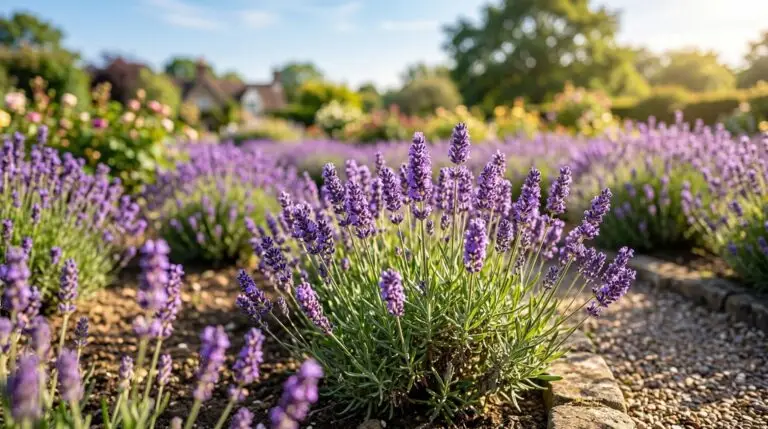
How to grow lavender for fragrant purple spikes and the Mediterranean garden of your dreams
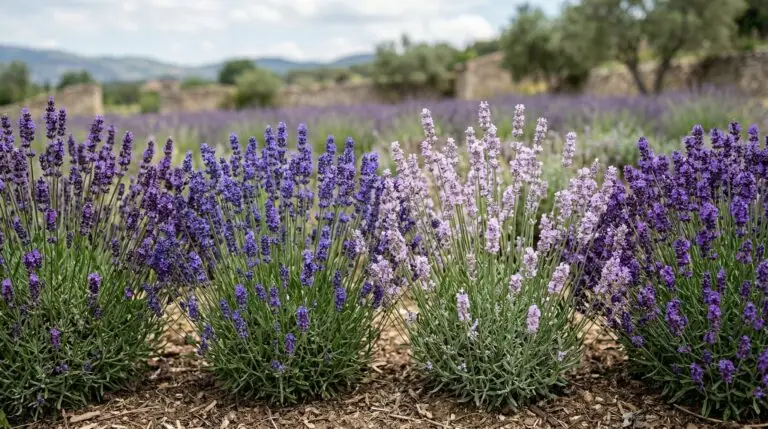
Best lavender varieties from English Hidcote to French Provence and Spanish butterfly types
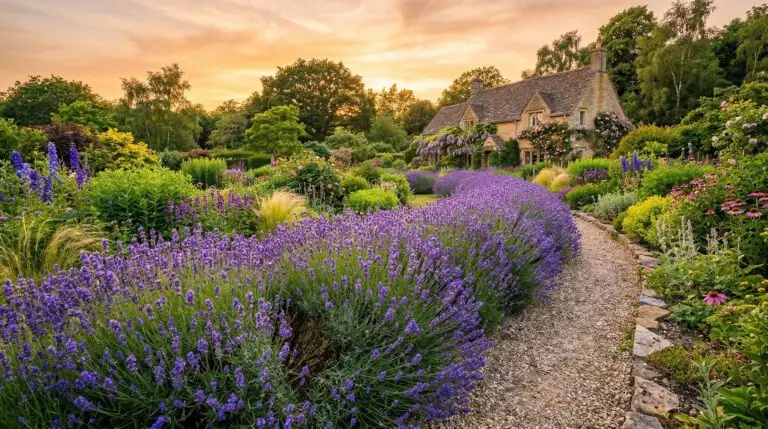
Pruning lavender at the right time to prevent woody bare stems and keep plants compact
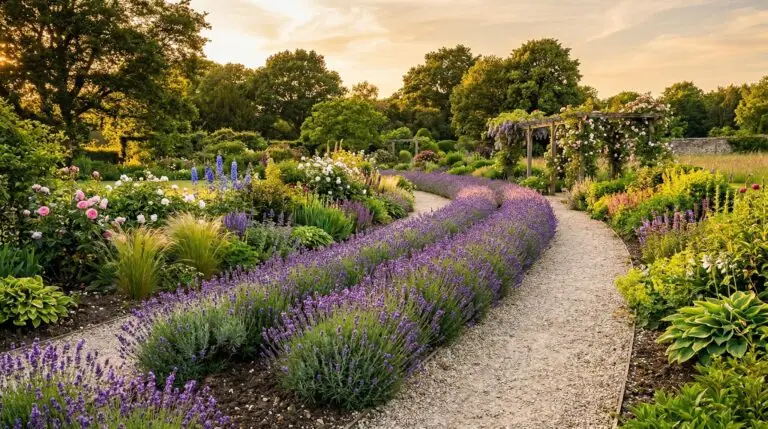
Designing a lavender hedge border that lines your garden path with fragrance
Cooking with lavender from herb-crusted lamb to lavender lemonade and shortbread
Lavender sachets potpourri and dried flower crafts using your garden harvest