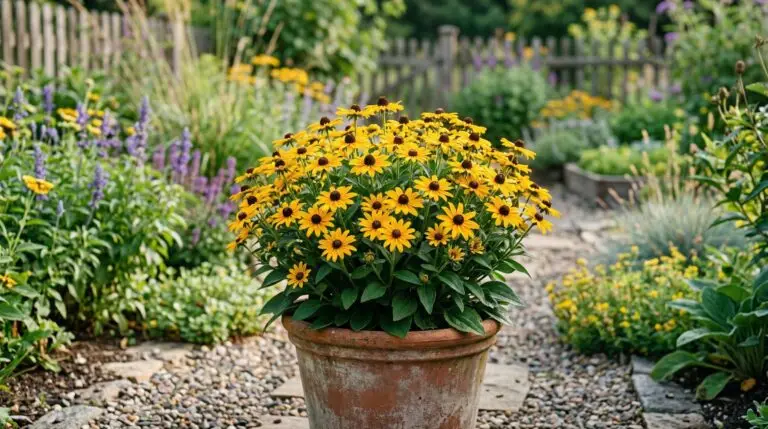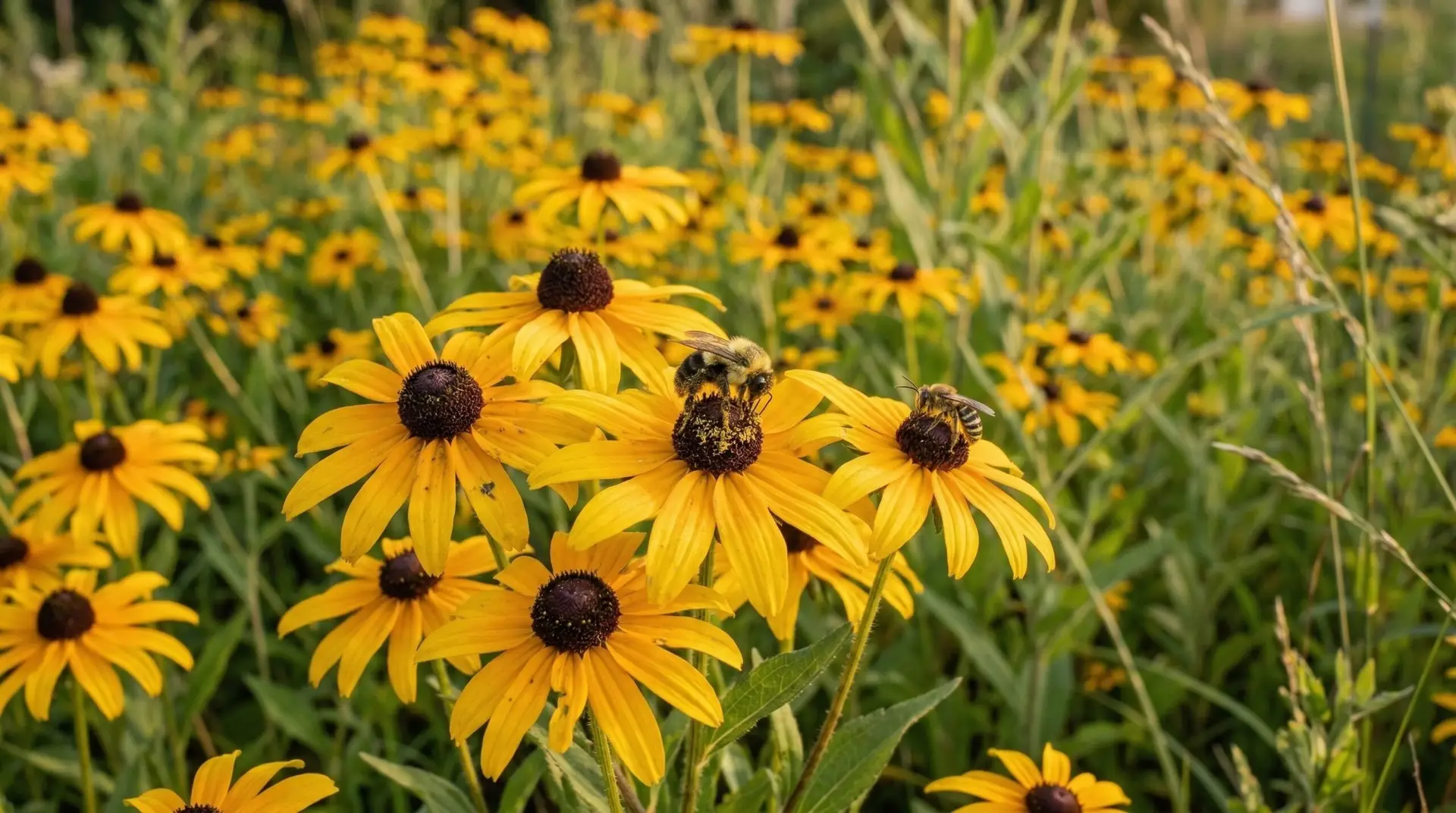
The morning air hangs heavy with August humidity, clinging in silver beads to the rough, bristly stems of the black eyed Susans. I watch the early light catch the dew on their dark, domed centers before the sun climbs high enough to burn the moisture away. A single sweat bee, metallic green and impossibly small, lands on the edge of a golden petal and begins its slow walk toward the pollen. This is not a static garden scene, but a living intersection of hunger and provision. The flowers hold their bright heads up like signal flares for the waking insects against the slight breeze. Every part of this rudbeckia native plant feels purposeful. The sandpaper texture of its leaves deters grazing deer, and the wide petals offer a resting place for passing wings. It asks for very little from the soil, yet it gives back a wealth of sustenance to the creatures that depend on it.
When we plant pollinator garden flowers, we are essentially building a specialized feeding station for a specific local population. The black eyed Susan excels at this task because its anatomy perfectly matches the needs of native insects. Butterflies require a flat surface to rest their wings while they drink nectar, and the stiff, radiating petals of the Rudbeckia provide an ideal platform. Solitary bees do the quiet, uncelebrated work of pollinating our wild spaces, and they gather heavily around the dark central cone. This cone is actually a dense cluster of hundreds of tiny, individual flowers, each blooming in a slow progression moving outward to the peak. A foraging insect can spend a long time on a single plant, moving methodically between the microscopic blooms. Watching them work requires a deliberate slowing down on the part of the observer. It demands a willingness to stand completely still and trace the invisible lines of flight connecting one flower to another.
The ecological value of these plants extends far beyond the nectar they offer to flying adults. The hairy, textured leaves of the black eyed Susan provide essential food for the caterpillars of several butterfly and moth species, including the silvery checkerspot. Finding half-eaten leaves in the garden is not a sign of failure, but rather proof that the ecosystem is functioning exactly as it should. A plant that goes untouched by insects is essentially a plastic statue, taking up space while giving nothing back to the local ecology. When I see the ragged edges where a caterpillar has made its meal, I know that a future butterfly is being built from the substance of my garden. The black eyed Susan absorbs the energy of the summer sun and translates it into leaf tissue, which then becomes the energy of the flying insect. This is the fundamental math of a native garden. We plant flowers to feed the insects, which in turn feed the birds, weaving a tight net of survival across the backyard.
The architecture of a native meadow
Bringing these wild plants into a cultivated space changes the way a gardener thinks about order and control. Black eyed Susans do not stay neatly within the boundaries we draw for them in the spring soil. They drop seeds with abandon, and their offspring emerge in the gravel paths, between the cracks of the stone wall, and crowded against the base of a coneflower. Thinning these seedlings feels like a small act of cruelty, but crowded plants compete for light and water until none of them thrives. I pull the excess plants by the base of their fuzzy stems, feeling the slight resistance of their shallow roots before they give way. The ones that remain grow stronger, forming deep colonies that mimic the structure of a natural prairie. They intertwine their roots with their neighbors, sharing the limited moisture in the ground. This creates a dense living mulch that shades out unwanted weeds and cools the earth.
As the summer stretches into its final, hottest weeks, many of the delicate spring ephemerals have long since vanished beneath the soil. The black eyed Susans seem to gather strength from the intense heat and the dry earth. They bloom with a fierce, saturated yellow that demands attention, anchoring the late summer beds with their solid presence. Soon, the tall wands of goldenrod will open their own yellow sprays, creating a continuous corridor of nectar for the migrating monarchs. The garden at this time of year is a place of frantic preparation, a final rush to gather energy before the frost arrives. The petals of the older Susans begin to droop and fade to the color of old parchment, but the dark cones remain firmly attached to the stems. Even in their decline, the flowers retain a structural dignity that holds the eye. They ground the shifting seasons with their unyielding posture against the wind.
A quiet harvest in the cold
The conventional rules of garden maintenance dictate that we cut down dead stems in the autumn, leaving the earth bare and tidy for the winter. I have learned to ignore this advice, choosing instead to let the black eyed Susans stand tall through the snow. The dark, dried seed heads become striking silhouettes against the white winter ground, catching the low January sunlight. More importantly, these rigid stems are natural bird feeders, packed with tiny, nutrient-dense seeds that sustain overwintering flocks. On bitter mornings, I watch goldfinches clinging sideways to the blackened cones, their olive winter plumage blending into the muted colors of the dormant garden. They pluck the seeds with precise, rapid movements, scattering chaff onto the snow below. Leaving the garden messy requires a certain tolerance for decay. That decay is precisely what allows life to persist through the freezing months.
Beneath the frozen ground, the roots of the black eyed Susan are resting, holding fast to the earth they have claimed. Native perennials invest heavily in their underground architecture, building deep fibrous networks that prevent erosion and improve the structure of the soil. These roots engage in a quiet exchange with microscopic fungi, trading the sugars they produced in the summer for essential minerals locked in the dirt. When the spring thaw finally arrives, this hidden energy will push new green rosettes through the wet leaf litter. The plants will emerge alongside the late-blooming aster, beginning the long climb toward the sun all over again. Gardening with such resilient species teaches a profound patience, a recognition that the most vital work often happens out of sight. We learn to trust the invisible cycles of the soil. We know that the plants will return when the light and temperature dictate.
Time measured in petals and seeds
To sit beside a patch of black eyed Susans is to witness the slow, deliberate turning of the ecological year. They mark the height of summer with their brilliant yellow rays, feed the autumn migrations, and remain dark sentinels through the depths of winter. They are common plants, frequently overlooked by those searching for rare or difficult botanical specimens. Yet their true value lies exactly in this reliable, uncomplaining abundance. They belong entirely to this place, perfectly adapted to its unpredictable rains, its heavy clay soils, and its specific community of insects. When I watch a bee dusted in yellow pollen lift off from a dark central cone, I am seeing a relationship that has refined itself over thousands of years. The garden becomes more than a collection of plants. It becomes a living memory of the wild earth, repeating its ancient rhythms one season at a time.
More About Black-eyed Susan
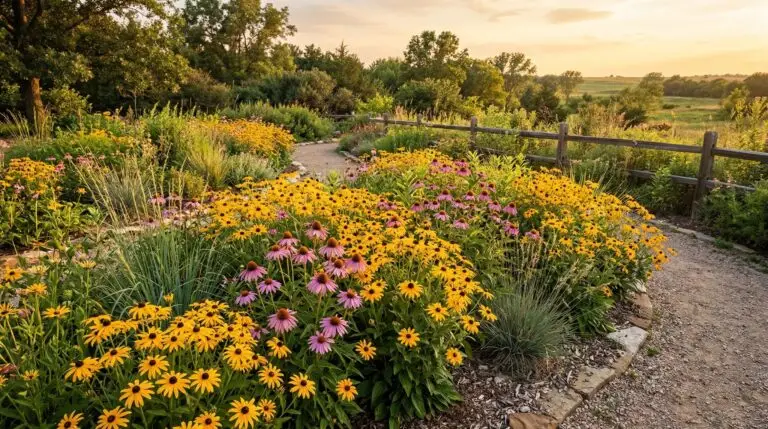
Black eyed Susan and coneflower planted together for the ultimate prairie garden
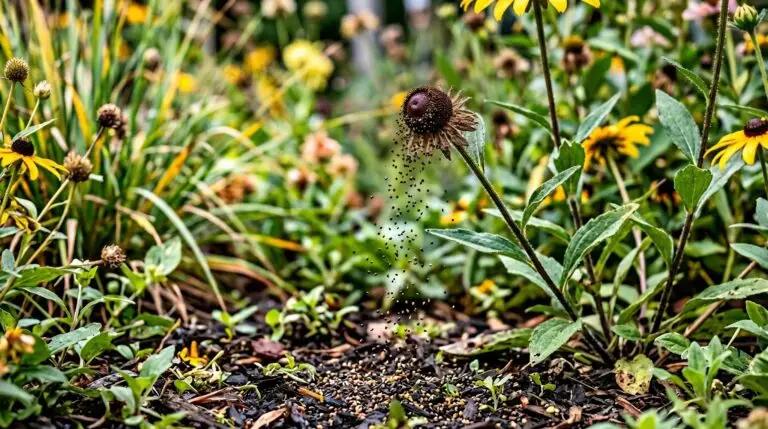
How to keep black eyed Susans from taking over your garden while still enjoying them
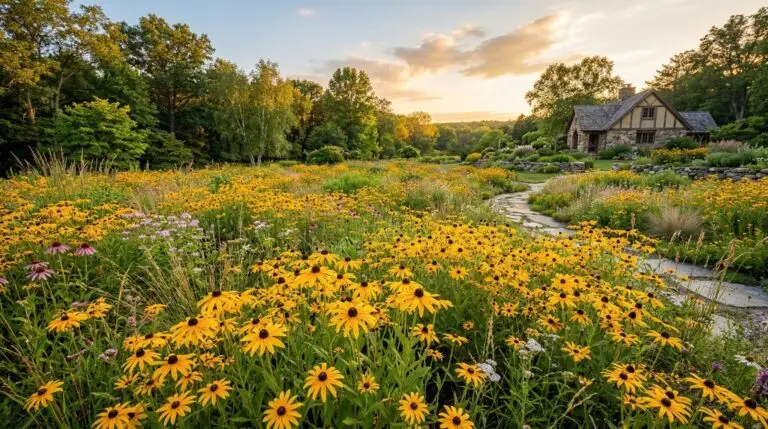
Naturalizing black eyed Susans along roadsides and meadows for wild beauty
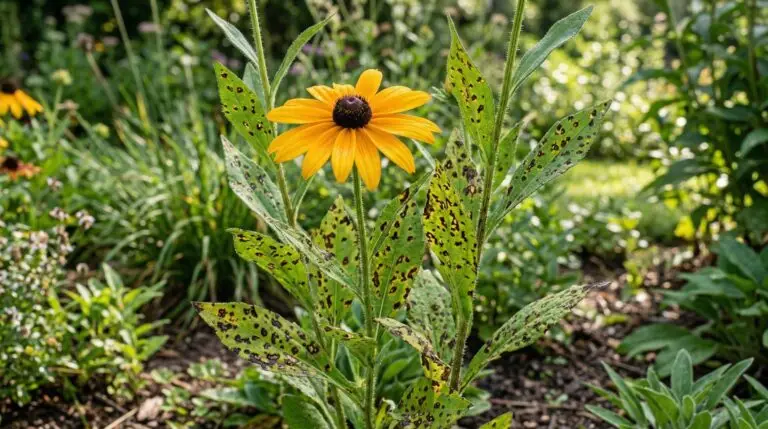
Black eyed Susan problems including leaf spot and aphids and organic solutions
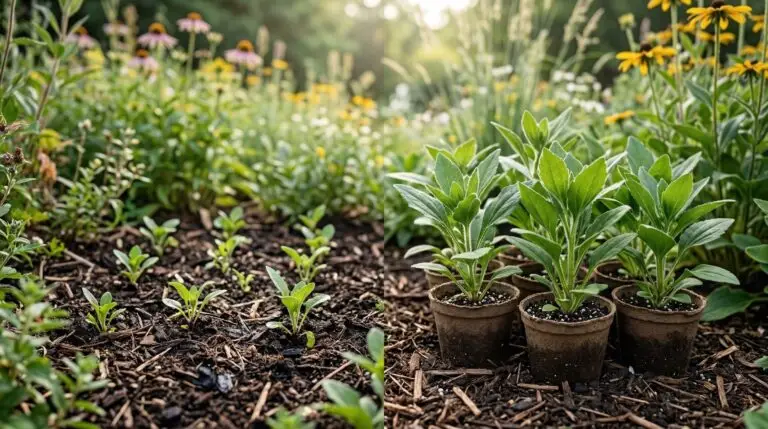
How to grow black eyed Susans from seed for masses of golden summer blooms
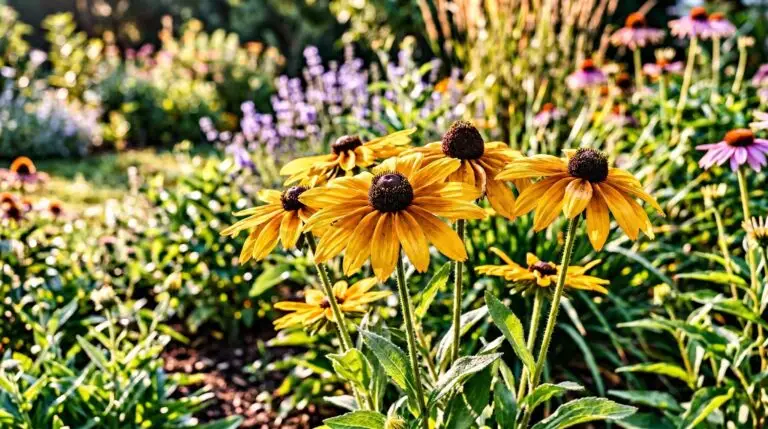
Using black eyed Susans as cut flowers for cheerful late summer bouquets
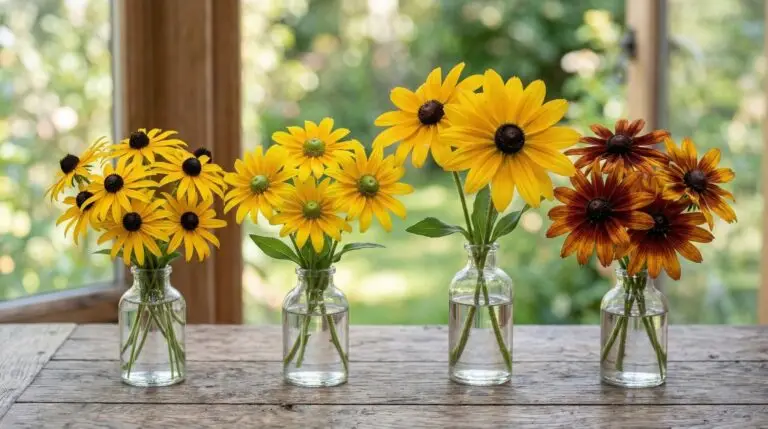
Black eyed Susan varieties from classic Goldsturm to dramatic Cherokee Sunset