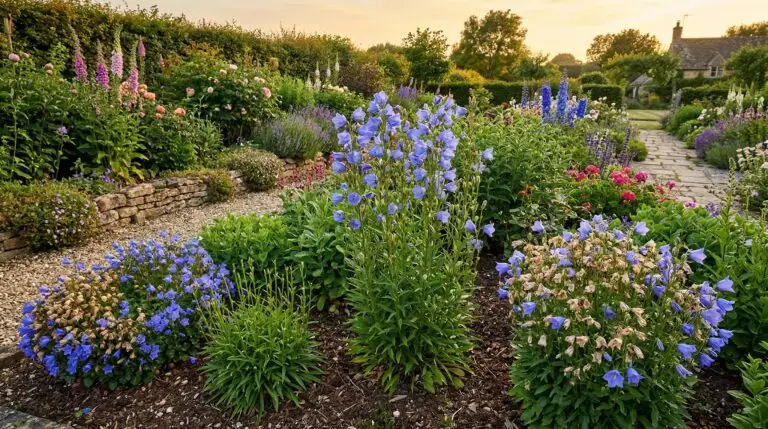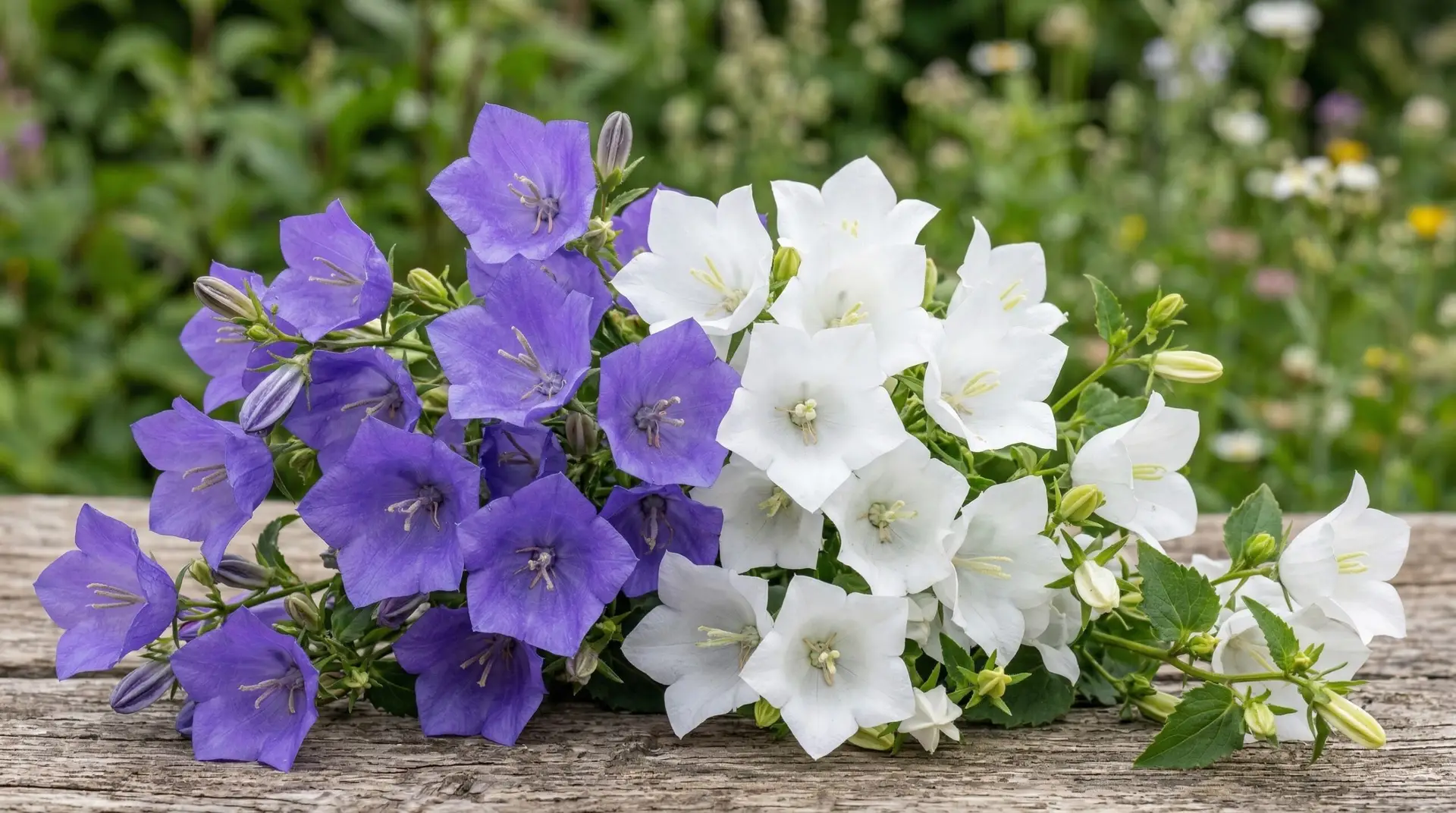
Alpine plants face a unique evolutionary pressure that results in a fascinating visual contradiction. Because their growing season is brutally short and their environment is subjected to high winds, they must keep their vegetative growth low to the ground to avoid freezing and desiccation. Yet, to ensure survival, they must attract pollinators quickly, resulting in flowers that appear almost comically large compared to their tiny leaves. The Carpathian bellflower, known botanically as Campanula carpatica, perfectly illustrates this biological strategy. When you observe this plant in bloom, the upward-facing, cup-shaped flowers form a nearly solid canopy of color that completely obscures the neat mound of foliage below. Understanding this ratio of flower to foliage helps us appreciate why this species has become a staple for those looking to cultivate alpine environments at home.
Evolutionary roots in the Carpathian mountains
To understand how to grow Campanula carpatica successfully, we have to look at the environment that forged it. This species is endemic to the Carpathian Mountains of Central and Eastern Europe, where it grows in limestone crevices and rocky scree slopes. In these high-altitude habitats, water from melting snow or sudden rainstorms drains away almost instantly through the porous rock. The plant adapted by developing a robust, deep-reaching root system capable of anchoring it against gravity and seeking out moisture trapped deep between stones. Above ground, the plant forms a tight, mat-like rosette of heart-shaped leaves that hugs the earth to escape the sheer force of mountain winds.
This evolutionary history explains exactly how this plant behaves in a cultivated setting. When gardeners attempt to plant a rock garden bellflower in rich, moisture-retentive potting soil or heavy garden clay, the plant inevitably suffers from crown rot. The roots are biologically programmed to expect rapid oxygen exchange and swift water movement, and they will suffocate when trapped in stagnant moisture. By mimicking its native scree slopes with a mixture of coarse sand, gravel, and lean topsoil, you satisfy the plant’s fundamental biological requirements. Giving the roots the sharp drainage they expect ensures the longevity of the perennial, allowing it to persist in the garden for many years.
The biology of the campanulate bloom
The genus name Campanula translates to little bell in Latin, describing the distinctive floral morphology that defines this massive group of plants. In Campanula carpatica, the bell is wide and shallow, opening more like an upward-facing bowl than a drooping pendant. This specific shape has a distinct ecological purpose in cold mountain environments. The open, bowl-like structure operates as a miniature parabolic reflector, capturing solar radiation and creating a microclimate inside the flower that is significantly warmer than the surrounding ambient air. This thermal reward is highly attractive to native bees and flies foraging in the chilly alpine atmosphere.
The intense blue and violet pigments found in these flowers also play a role in pollinator attraction at high altitudes. Ultraviolet light is much stronger in the thin mountain air, and the cellular structure of the petals reflects these UV wavelengths in patterns that are invisible to the human eye but act as glowing landing pads for insects. You can observe similar intense pigmentation strategies in other high-altitude specialists like Gentian, which also rely on vivid coloring to secure pollination before the snow returns. The resulting color is so pure and saturated that it stands out clearly against the gray limestone and pale grasses of its native habitat. When you plant these species in your garden, you are essentially setting up a highly evolved optical communication system designed for the mountains.
Cultivars that preserve wild resilience
While the wild species is a fascinating subject of study, botanists and horticulturists have selected specific genetic variations that offer more uniform growth in domestic gardens. The most widely grown varieties are ‘Blue Clips’ and ‘White Clips’, which were bred to maintain the tough, resilient nature of the wild species while producing an even denser proliferation of blooms. These cultivars form perfectly symmetrical mounds that rarely exceed eight inches in height, making them ideal candidates for edging pathways or tucking into the crevices of a dry-stacked stone wall. The genetic stability of these selections means they bloom reliably from early summer through early autumn, provided the spent flowers are removed to prevent the plant from putting its energy into seed production. Even when not in bloom, the neat, bright green foliage provides excellent textural contrast against rough stone surfaces.
The biological mechanism of deadheading is particularly interesting in these alpine cultivars. In its native habitat, Campanula carpatica has a brief window to produce seeds, so the plant naturally stops flowering once a certain number of seed capsules begin to swell. By snipping off the fading blooms of ‘Blue Clips’ or ‘White Clips’, you interrupt this hormonal signaling process. The plant registers that it has not yet successfully reproduced and triggers the development of secondary floral buds to try again. This simple manipulation of the plant’s reproductive drive allows gardeners to extend the flowering display for months beyond its natural mountain schedule.
Creating alpine conditions in the home garden
Successfully cultivating this species outside of the mountains requires a thoughtful approach to soil mechanics and companion planting. The goal is to construct a planting area that prioritizes mineral content over organic matter. A standard mix for a rock garden should consist of equal parts topsoil, coarse horticultural grit, and crushed gravel, creating a substrate that offers zero resistance to water flow. You can arrange large limestone or sandstone rocks to create crevices, planting the Carpathian bellflower directly into these narrow gaps where its roots can dive deep and its foliage can spill over the warm stone. The stones themselves absorb heat during the day and radiate it at night, smoothing out temperature fluctuations around the plant’s crown.
Because these plants have adapted to such specific, lean environments, they pair naturally with other species that share their disdain for rich, damp soil. Planting them alongside companions like Blue Flax creates a biologically compatible community where all the plants thrive under the same watering and feeding regimes. You will find that these rock garden communities require almost no supplemental fertilizer, as excessive nitrogen simply fuels weak, floppy vegetative growth at the expense of the flowers. Keeping the soil lean forces the plants to maintain their compact, weather-resistant habits. This approach mimics the sparse nutrient profile of a mountain slope, keeping the plants structurally sound and disease-free.
The true wonder of Campanula carpatica reveals itself in how it handles the transition into winter dormancy. As temperatures drop and daylight wanes, the plant withdraws its resources from the sprawling summer stems and concentrates its energy into a tight, resting rosette at the soil surface. The outer leaves often take on a reddish or purplish hue, a biological response where anthocyanins function as a cellular antifreeze to protect the plant tissues from ice crystal damage. These pigments absorb excess light during cold, bright winter days, preventing damage to the dormant photosynthetic machinery. When you see this tiny, tough rosette persisting through the frozen months, you gain a profound respect for the precise evolutionary engineering that allows such a delicate-looking flower to survive the harshest conditions on earth.
More About Bellflower
Bellflower meaning across European folklore and its place in wedding traditions
Bellflower and lavender planted together for a dreamy purple and blue summer garden
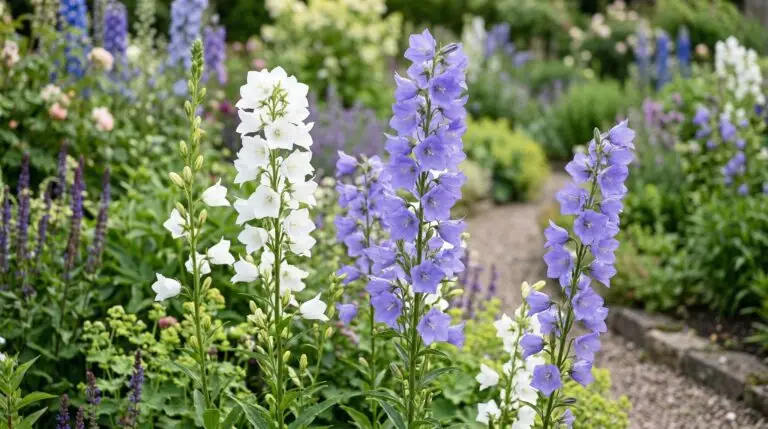
Using bellflowers as cut flowers for charming cottage-style arrangements
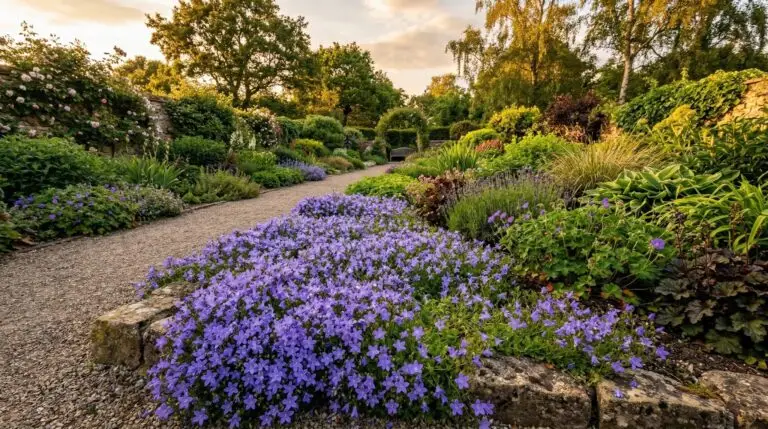
Bellflower ground covers that spread beautifully between stepping stones and rock walls
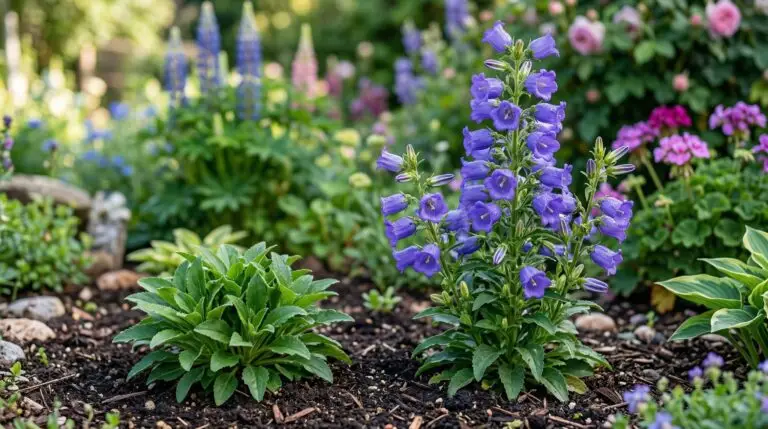
How to grow Canterbury bells from seed for old-fashioned garden charm
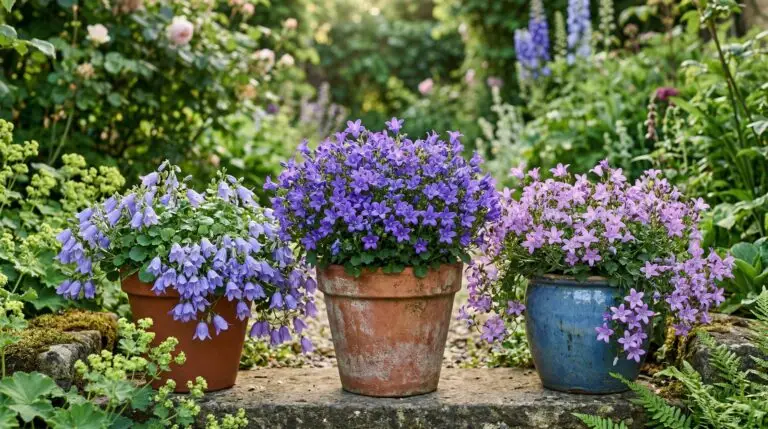
Growing bellflowers in containers for balconies and small urban gardens
How to control invasive bellflower that has taken over your garden beds