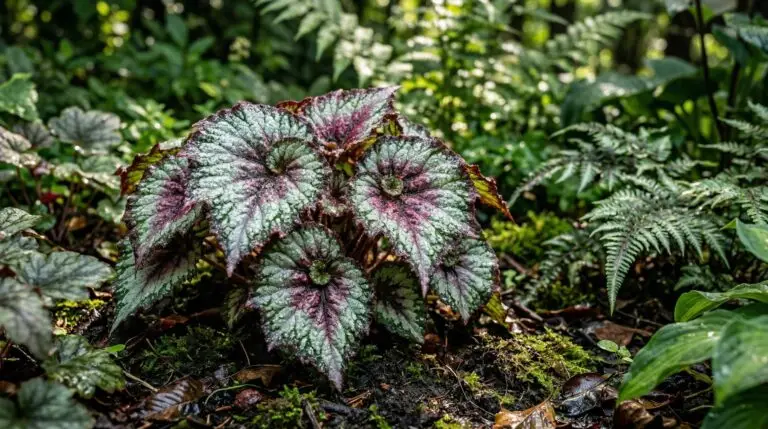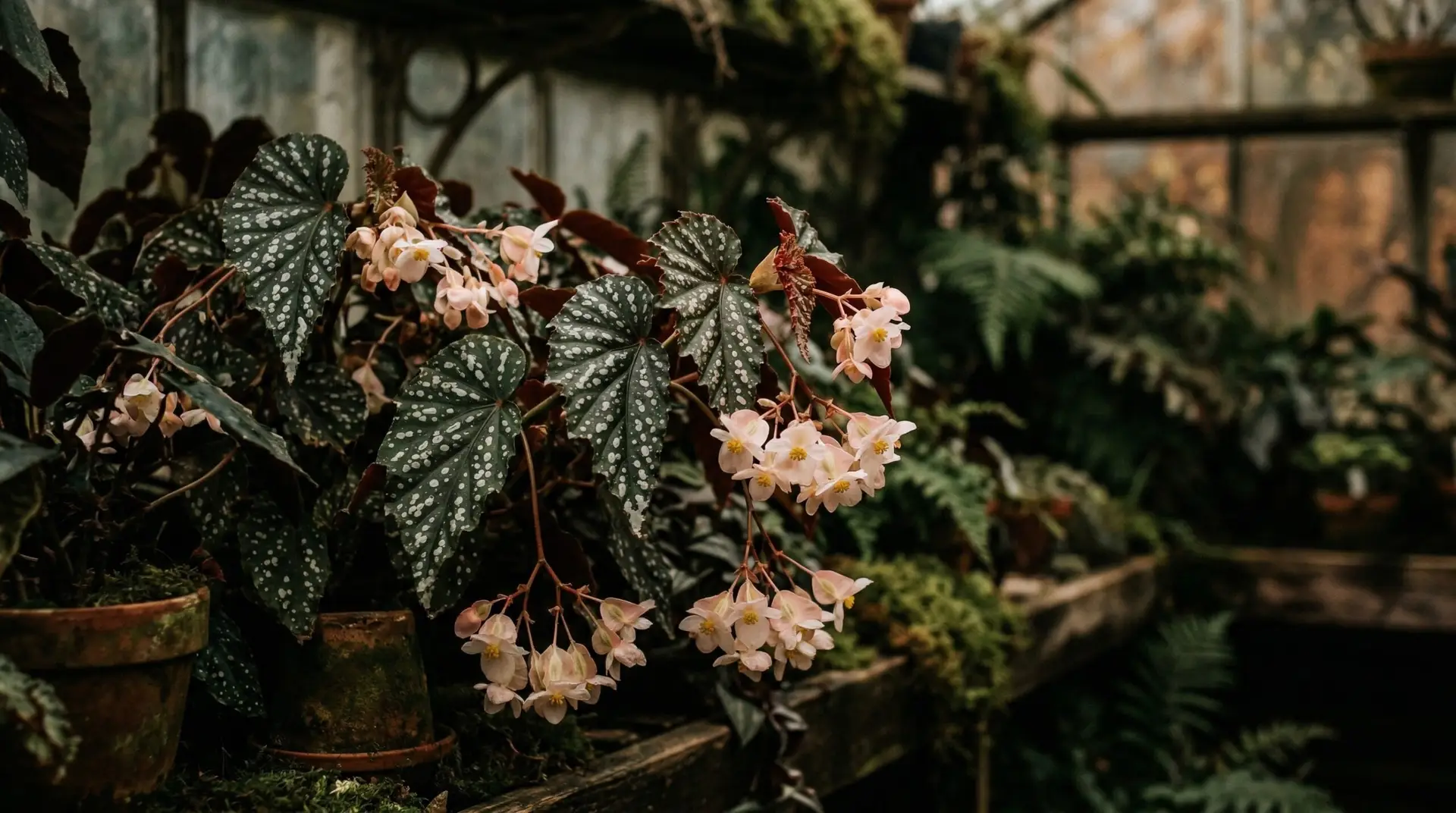
French botanist Charles Plumier sailed to the Caribbean in the late 1600s to catalog the unknown flora of the New World for European science. During his expeditions through the dense, humid understory of the tropical forest, he encountered a plant with uniquely asymmetrical leaves and bright, fleshy flowers. The plant thrived in the damp shade, possessing a strange, lopsided beauty that distinguished it from the perfectly symmetrical blooms favored in European gardens at the time. Following the tradition of his era, Plumier chose to name this botanical discovery after a powerful patron rather than its native origins or physical characteristics. He named the plant after Michel Bégon, a French naval officer and the intendant of Santo Domingo who had organized and funded Plumier’s expedition. The naming of the begonia cemented a practice where European botanical history was written through the lens of political patronage and colonial administration. Before it ever sat on a windowsill in London or Paris, the begonia was a symbol of political favor, scientific ambition, and the vast reach of the French empire.
The language of flowers in the Victorian era
When the begonia finally made its way into widespread European cultivation in the nineteenth century, it entered a society obsessed with assigning hidden meanings to every bloom. The Victorians developed complex floral dictionaries to communicate sentiments that strict social etiquette prevented them from saying aloud. In this highly codified system of floriography, the begonia was assigned a rather severe message: caution, or a direct warning to “beware.” Botanists and cultural historians suggest this meaning stemmed from the plant’s physical characteristics, specifically its unusually lopsided leaves and the sour, sometimes toxic sap found in certain species. The asymmetrical foliage suggested an imbalance or a situation that was not quite what it seemed. Unlike a traditional garden rose that communicated straightforward romantic love, the begonia was the flower of hesitation and watchful eyes. Giving a begonia in a small bouquet to a suitor or a business associate was a polite but firm way to signal that the recipient was under scrutiny or that a situation required careful navigation.
Symbolism and placement in Eastern traditions
While European society viewed the begonia with suspicion, Eastern cultures embraced the plant for entirely different reasons. In Chinese cultural history, the begonia holds a prominent place in literature, painting, and traditional philosophy. Ancient Chinese legends associate the flower with unrequited love, telling the story of a woman whose tears fell to the ground while waiting for her lover to return, causing the first begonias to sprout from the damp earth. Because of this origin story, classical Chinese poetry from the Tang and Song dynasties sometimes uses the begonia to represent a beautiful but melancholic longing. In the practical application of feng shui, however, the begonia takes on a much more positive and active role in the home. Practitioners use the plant to encourage harmony, wealth, and good fortune within domestic spaces. Placing a red or pink begonia near an entrance or in a specific corner of a room is believed to balance the energy of the space and bring a sense of calm to the household.
Medicinal uses and botanical economics
Beyond its role in poetry and parlor games, the begonia has a quiet history of practical use in traditional medicine and local economies. In parts of Central and South America, indigenous populations utilized the sour, moisture-rich stems of certain wild begonia species as a hydration source during long journeys through the forest. The sap, which contains oxalic acid, gives the plant a tart flavor similar to rhubarb, and traditional healers sometimes used it in poultices to treat minor skin irritations or sores. As European botanists began to understand the vast diversity of the begonia family, the plant also became a valuable economic commodity. Plant hunters in the eighteen hundreds scoured the Andes and the Himalayas for new, undocumented begonia species to send back to wealthy collectors in England and France. The discovery of the tuberous begonia in Bolivia sparked a massive commercial breeding frenzy, turning the humble forest plant into a highly profitable crop for European nurseries. This economic boom laid the groundwork for the massive global trade in ornamental begonias that exists today.
The evolution from warning to gratitude
As the centuries passed and the begonia transformed from a rare tropical specimen into a beloved household staple, its cultural baggage began to shift. The strict Victorian warning to “beware” lost its relevance in the twentieth century as social communication became more direct and the plant became a familiar sight in window boxes. Instead, a new begonia meaning emerged, focusing on gratitude, individuality, and peaceful communication. The plant’s ability to thrive in shaded environments and produce continuous blooms made it a reliable, comforting presence rather than an object of suspicion. People began giving potted begonias as a way to say thank you for a favor or to express appreciation for a steady, uncomplicated friendship. The plant became associated with people who possess a quiet strength, reflecting the begonia’s ability to bloom beautifully without needing direct, harsh sunlight. Just as a cheerful carnation has long served as a dependable symbol of affection, the begonia found its modern place as a humble but beautiful expression of sincere thanks.
Cultivation history and modern giving
The transition of the begonia from a symbol of caution to one of gratitude is closely tied to the history of its cultivation. During the nineteenth and twentieth centuries, European and American horticulturists worked extensively with the plant, crossing different species to create the wax begonias, large tuberous varieties, and intricately patterned Rex begonias that dominate modern gardens. These breeders sought to amplify the plant’s resilience and its capacity to bloom in deep shade, turning a delicate tropical import into a robust garden performer. Modern hybridizers still use variations of the same techniques developed centuries ago to produce new leaf patterns and flower colors. Today, when we purchase a begonia for a friend’s porch or a colleague’s desk, we are participating in a tradition of exchange that spans hundreds of years. The begonia is now a popular gift for housewarmings, hospital visits, and thank-you gestures, chosen for its longevity and bright colors. The history of the begonia reminds us that the meaning of a plant changes alongside the people who grow it, turning an ancient warning into a modern expression of peace.
More About Begonia
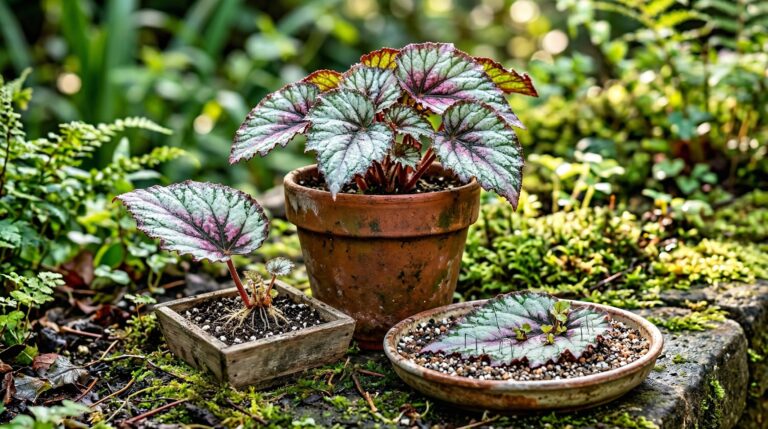
How to propagate begonias from leaf cuttings and stem cuttings step by step
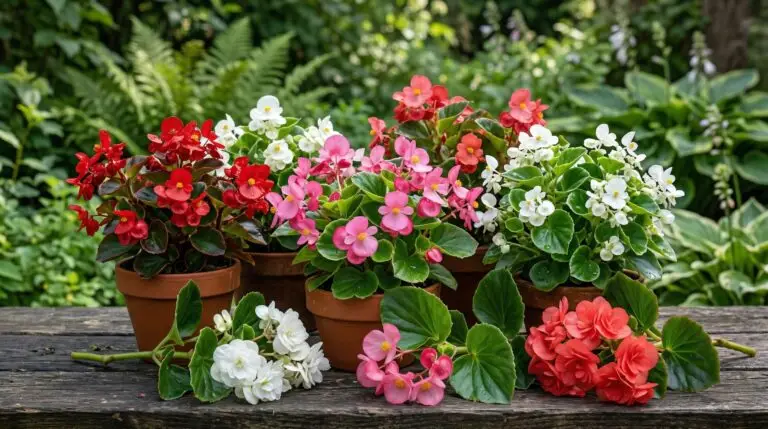
Best begonia varieties for shade gardens that add color where sun rarely reaches
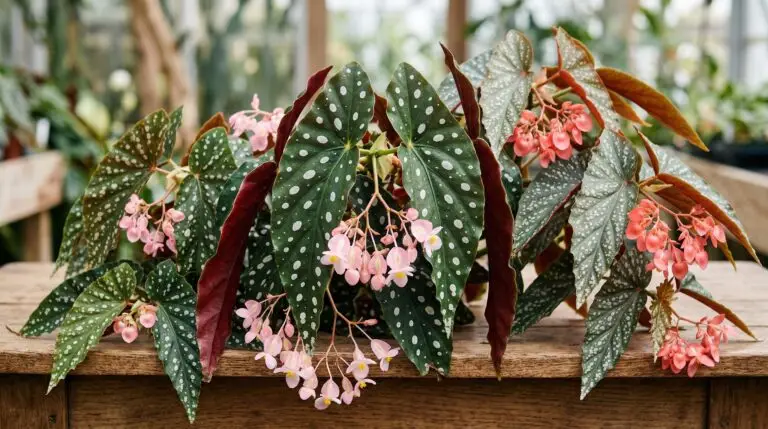
Angel wing begonias as statement houseplants with polka dot leaves and hanging clusters
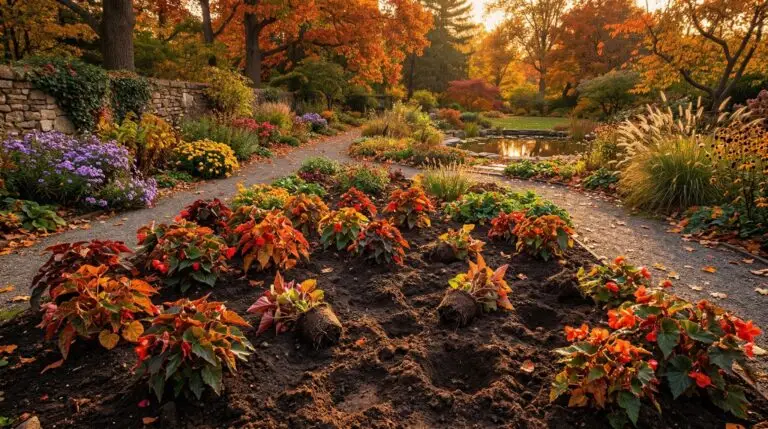
How to overwinter begonia tubers and bring them back bigger next summer
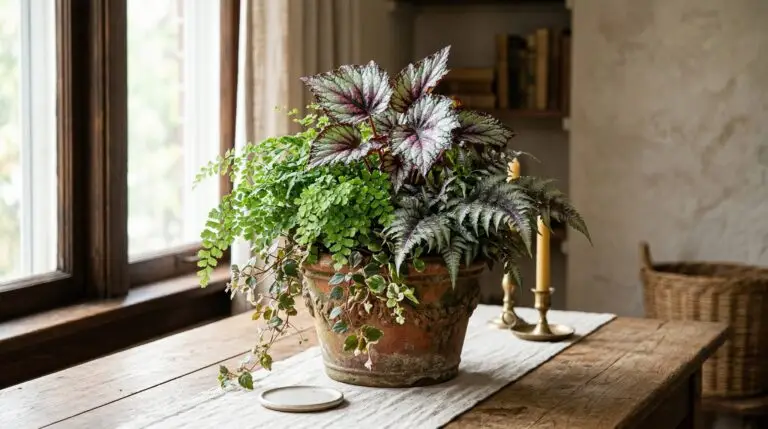
Begonia container combinations that look gorgeous on a shaded front porch
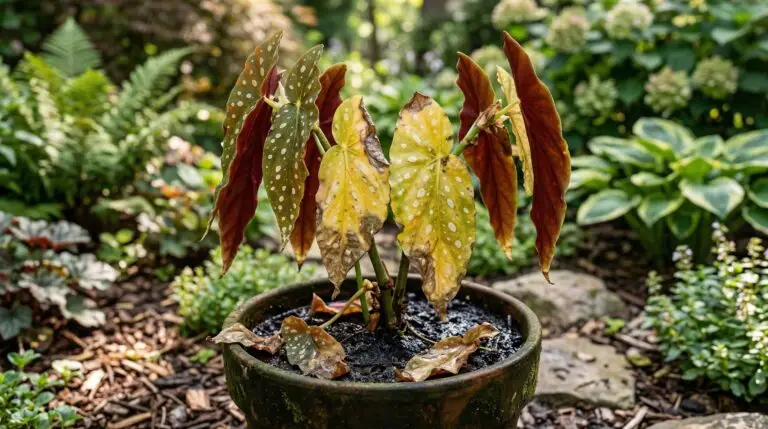
Why begonia leaves are curling dropping or developing brown spots