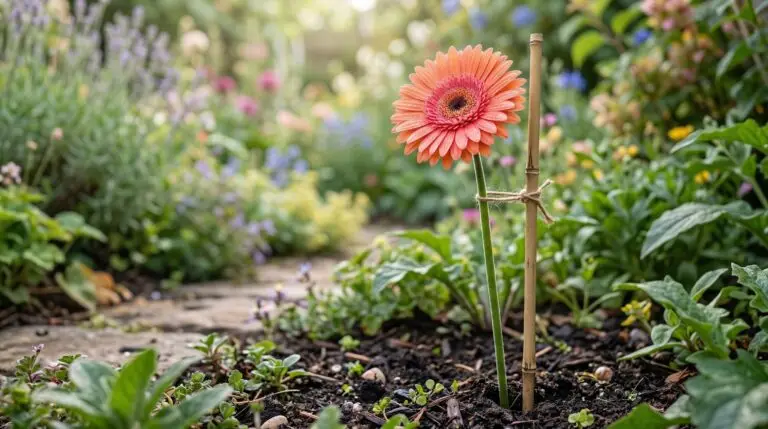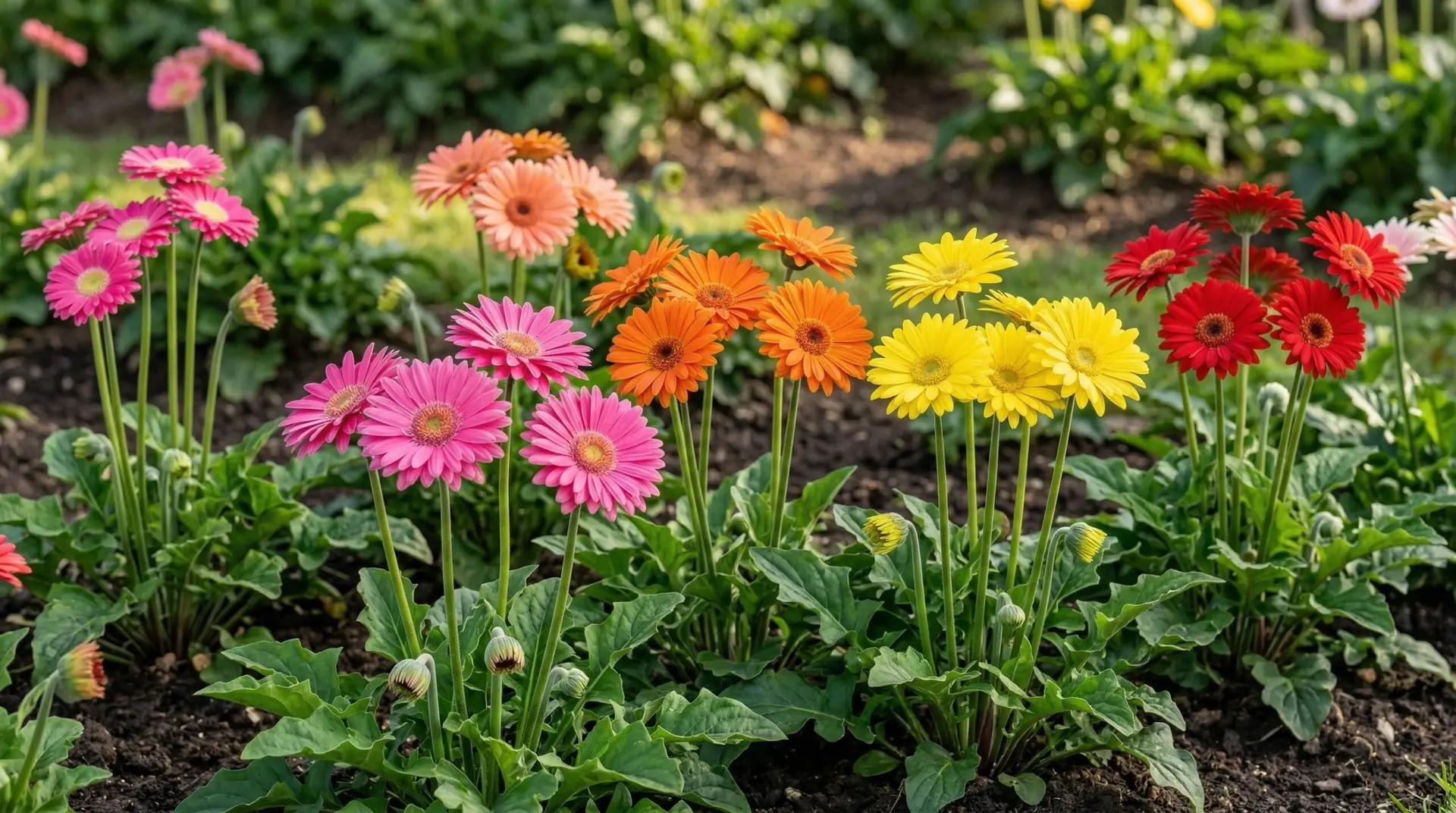
Most gardeners view the gerbera daisy as a disposable gift plant destined for the compost pile once its blooms fade. The classic florist gerbera, Gerbera jamesonii, evolved in the warm, well-drained soils of South Africa, making it ill-equipped for the heavy clay and freezing winters of temperate gardens. When you examine the fleshy crown and water-rich roots of a standard greenhouse gerbera, you quickly see a plant built for mild climates and precise moisture control. Moving this species into a typical backyard garden usually results in rapid decline from crown rot or a swift death at the first hard frost. Plant geneticists spent decades trying to solve this horticultural puzzle, aiming to merge the large, geometric blooms of the florist types with the rugged survival traits of wild botanical species. The result of this extensive crossbreeding is the Garvinea gerbera, a plant that entirely rewrites the rules of what this genus can handle outdoors.
Creating a truly hardy gerbera required breeders to look beyond the standard commercial gene pool. By crossing Gerbera jamesonii with uncultivated, wild-type Gerbera species found at higher elevations or in harsher climates, scientists introduced new genetic pathways for cold tolerance and disease resistance. The Garvinea series emerged from this complex hybridization, bringing an unprecedented level of vigor to the outdoor garden. These plants possess a modified root system that anchors deeply while developing a much denser, more resilient basal crown. This anatomical shift is what allows the plant to survive winter temperatures down to USDA Zone 7, a feat previously considered impossible for this genus. When the soil freezes, the Garvinea crown goes fully dormant, pulling its resources underground and waiting for the soil to warm again in spring.
The botanical leap to zone 7 hardiness
Understanding how a Garvinea gerbera survives a freezing winter requires looking closely at its cellular biology and crown architecture. In a standard greenhouse gerbera, the cells of the crown and lower stems are large and filled with water, making them highly susceptible to bursting when ice crystals form. The Garvinea lineage has smaller, more densely packed cells with thicker walls that resist freezing damage. The crown itself also sits slightly differently at the soil surface, shedding excess winter moisture rather than holding it in a cup-like depression. This physical adaptation prevents the dreaded winter rot that destroys so many Mediterranean or South African species in temperate climates. Gardeners familiar with the winter survival strategies of a coneflower will recognize this pattern of dying back to a tough, woody base that protects the vital meristem tissue until spring.
The root system of this hardy gerbera also plays a major role in its overwintering success. Rather than the fine, easily waterlogged roots of its greenhouse cousins, the Garvinea develops thick, fleshy storage roots that reach deep into the soil profile. These roots act as carbohydrate reservoirs, storing the energy generated by the plant’s massive summer leaves. When the top foliage is killed by frost, these subterranean reserves remain insulated by the earth. As daylight increases and soil temperatures rise above fifty degrees Fahrenheit, the plant utilizes these stored sugars to push new growth rapidly from the dormant crown. Providing excellent drainage is still necessary, as even these adapted roots will suffocate if trapped in freezing, waterlogged clay for months on end.
Garden performance versus greenhouse gerberas
If you place a standard potted gerbera and a Garvinea gerbera side by side in a garden bed, the differences in their physiological responses to the environment become obvious within weeks. The greenhouse varieties have been bred almost exclusively for flower size and stem length under controlled glasshouse conditions, leaving them defenseless against wind, rain, and soil-borne pathogens. Their soft leaves are highly vulnerable to powdery mildew and botrytis blight, two fungal diseases that thrive in humid outdoor air. In contrast, the outdoor gerbera daisy possesses a thicker waxy cuticle on its leaves, creating a physical barrier that prevents fungal spores from easily penetrating the leaf tissue. This tough exterior also reduces transpiration during hot, windy days, allowing the plant to maintain its turgor pressure when lesser plants wilt. The structural integrity of the foliage keeps the plant actively photosynthesizing even under environmental stress.
The floral mechanics of the Garvinea series are a significant departure from traditional florist types. A standard gerbera puts massive amounts of energy into producing a few enormous flowers, often exhausting itself in the process. The Garvinea gerbera utilizes a different reproductive strategy, initiating dozens of slightly smaller flower buds continuously from the basal rosette. This constant bud production results in a three-season bloom cycle, with flowers emerging from early spring right through the first hard frosts of autumn. The stems of these flowers are also structurally different, containing more lignin to keep them standing upright through heavy rainstorms and strong winds. You can expect a single mature plant to produce over a hundred blooms in a single growing season, a biological output that requires a highly efficient photosynthetic engine.
Cultivating the outdoor gerbera daisy
To support this massive floral production, the plant relies on a dense canopy of deeply lobed, dark green leaves that capture maximum sunlight. Gardeners need to understand that this vigorous growth requires adequate spacing to ensure proper airflow around the basal rosette. Planting them too closely together traps moisture against the crown, which can invite fungal issues even in these highly resistant hybrids. The crown must be planted slightly above the soil line, ensuring that irrigation water and rain flow away from the central growing point. This planting technique is identical to the method used for establishing a Shasta Daisy, where crown rot is always a risk in poorly drained garden beds. Providing a slow-release organic fertilizer in early spring gives the roots the necessary nutrients to fuel the demanding continuous bloom cycle.
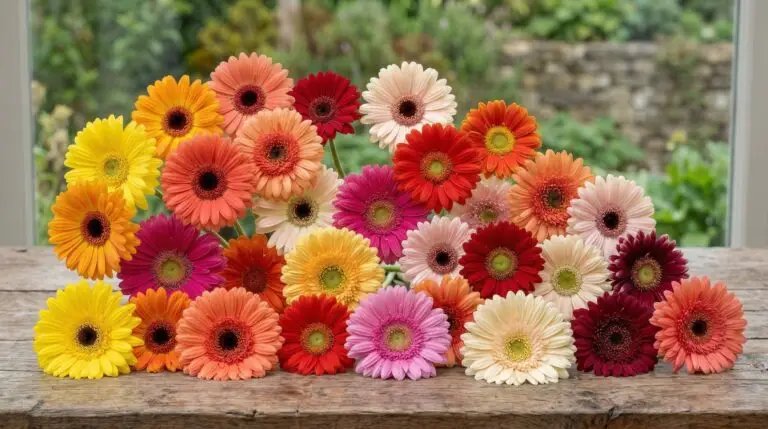
Plant breeders have expanded the Garvinea series into several distinct sub-series, each offering specific traits while maintaining the core hardiness and disease resistance. The Sweet series has flowers in clear, saturated colors with traditional dark or light centers, while the Majestic series produces larger, more robust blooms that approach the size of traditional florist types. Regardless of the specific variety you select, they all share the same requirement for full sun exposure to trigger optimal bud development. In partial shade, the plant will survive and produce lush foliage, but the lack of intense solar radiation will significantly reduce the number of flowers. The biology of the plant dictates that it needs at least six hours of direct sunlight to convert enough energy for continuous floral initiation.
The true fascination of the Garvinea gerbera lies in how it reconciles two seemingly opposed botanical traits. It offers the refined, geometric beauty of a tropical greenhouse flower while hiding the rugged, cold-hardy metabolism of a tough perennial weed. When you see those cheerful, brightly colored petals pushing up through the cold soil of an early spring garden, you are witnessing a masterpiece of modern plant science. The plant has essentially learned to shut down its vulnerable tissues, protect its vital core, and wait out the freezing temperatures in a state of suspended animation. Understanding this hidden resilience makes the sudden explosion of spring blooms feel less like a gardening expectation and more like a biological triumph.
More About Gerbera Daisy
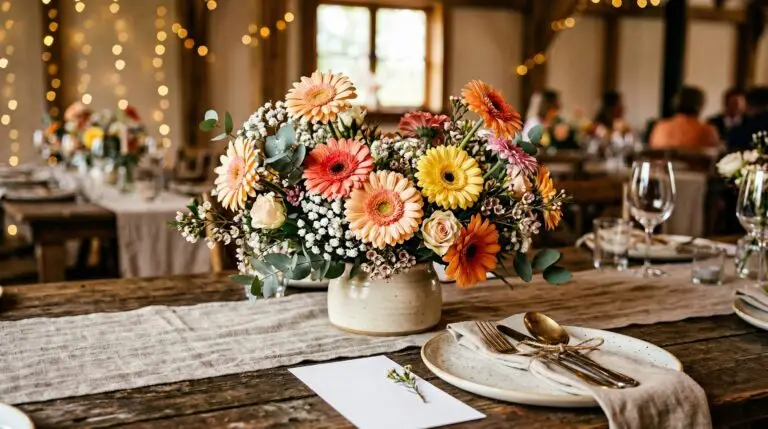
Gerbera daisies in wedding bouquets for colorful fun alternatives to traditional flowers
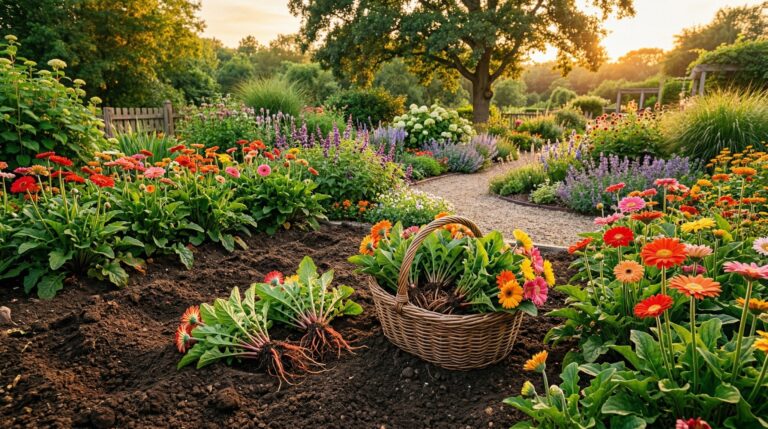
Overwintering gerbera daisies in cold climates and bringing them back year after year
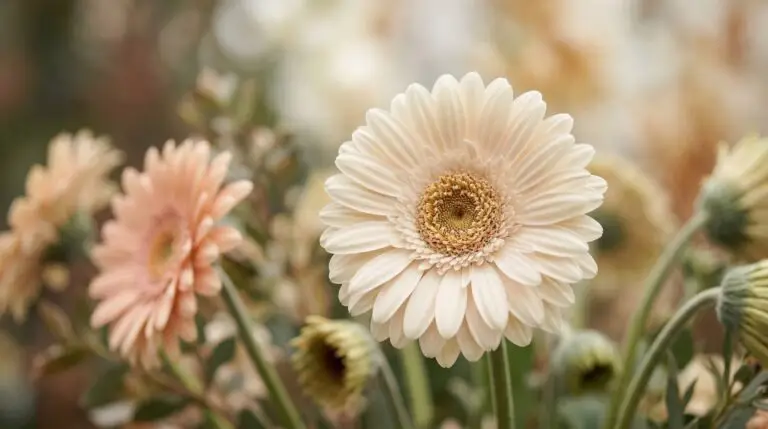
Gerbera daisy meaning and why these happy flowers represent cheerfulness and joy
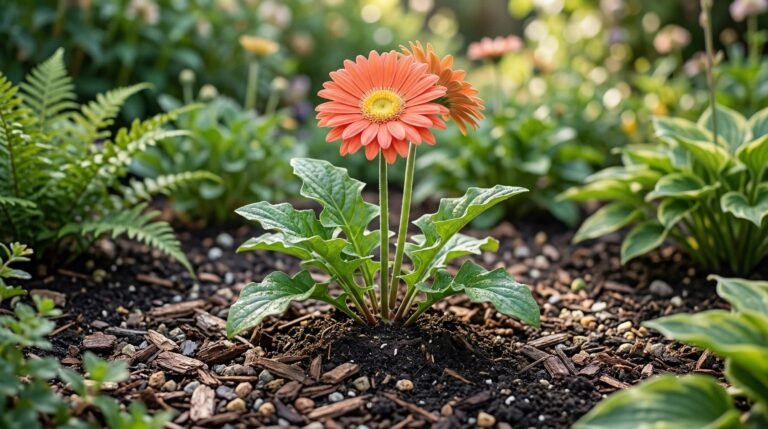
How to grow gerbera daisies for bold cheerful color in gardens and containers
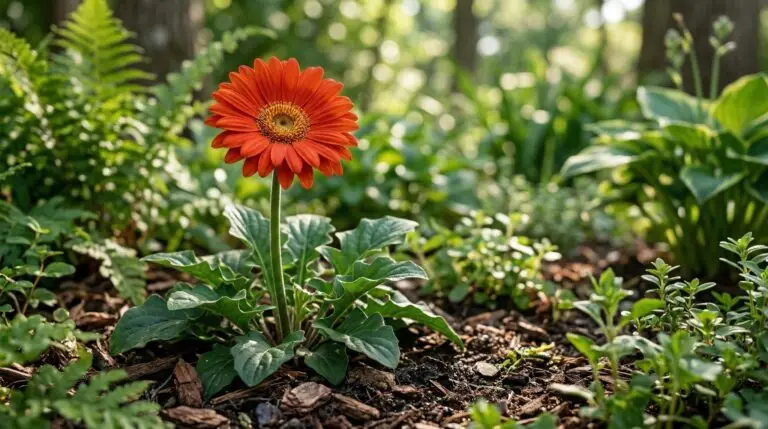
Why gerbera daisies die indoors and the crown rot problem that kills most gift plants
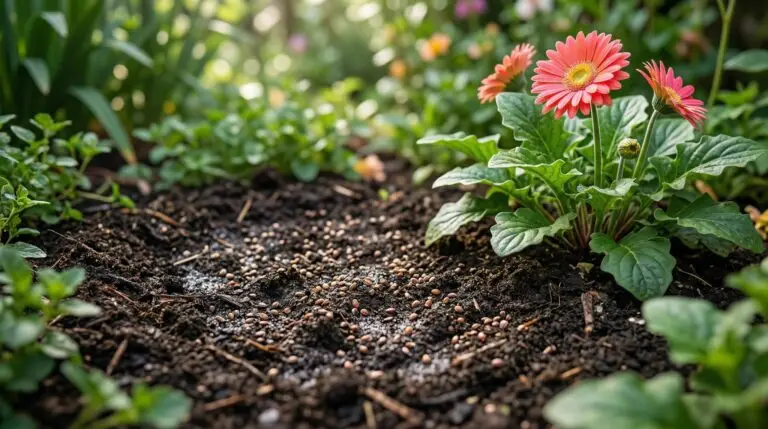
Growing gerbera daisies from seed and the patience needed for these slow starters
Best gerbera daisy colors and varieties from classic red to novel spider types