You wake up, walk outside, and find your favorite blooming perennials chewed down to the stems. Gardeners dealing with heavy deer pressure often feel like they are running a buffet instead of planting a yard. You spend money and time putting plants in the ground, only to have them disappear overnight. People constantly ask me for a magic plant that deer will never touch under any circumstances. While no plant is entirely immune to a starving animal, blue salvia is one of the most reliable solutions you can put in your soil. When deer treat your garden like a salad bar, planting blue salvia changes the menu to something they actively despise.
Understanding why deer leave blue salvia alone
Deer forage based on smell and taste, and they have very specific preferences for what makes a good meal. When they approach a plant, they are looking for soft, fleshy foliage with a mild flavor and high water content. Blue salvia offers the exact opposite of what they want. The leaves contain highly volatile oils that produce a strong, pungent scent when brushed or bruised. This aroma signals to the deer that the plant will taste bitter and potentially upset their digestion. The texture of the foliage also plays a role, as the slightly rough, textured leaves are unpleasant for them to chew. Because deer have sensitive noses, the strong scent alone is usually enough to make them turn around and look for an easier meal elsewhere.
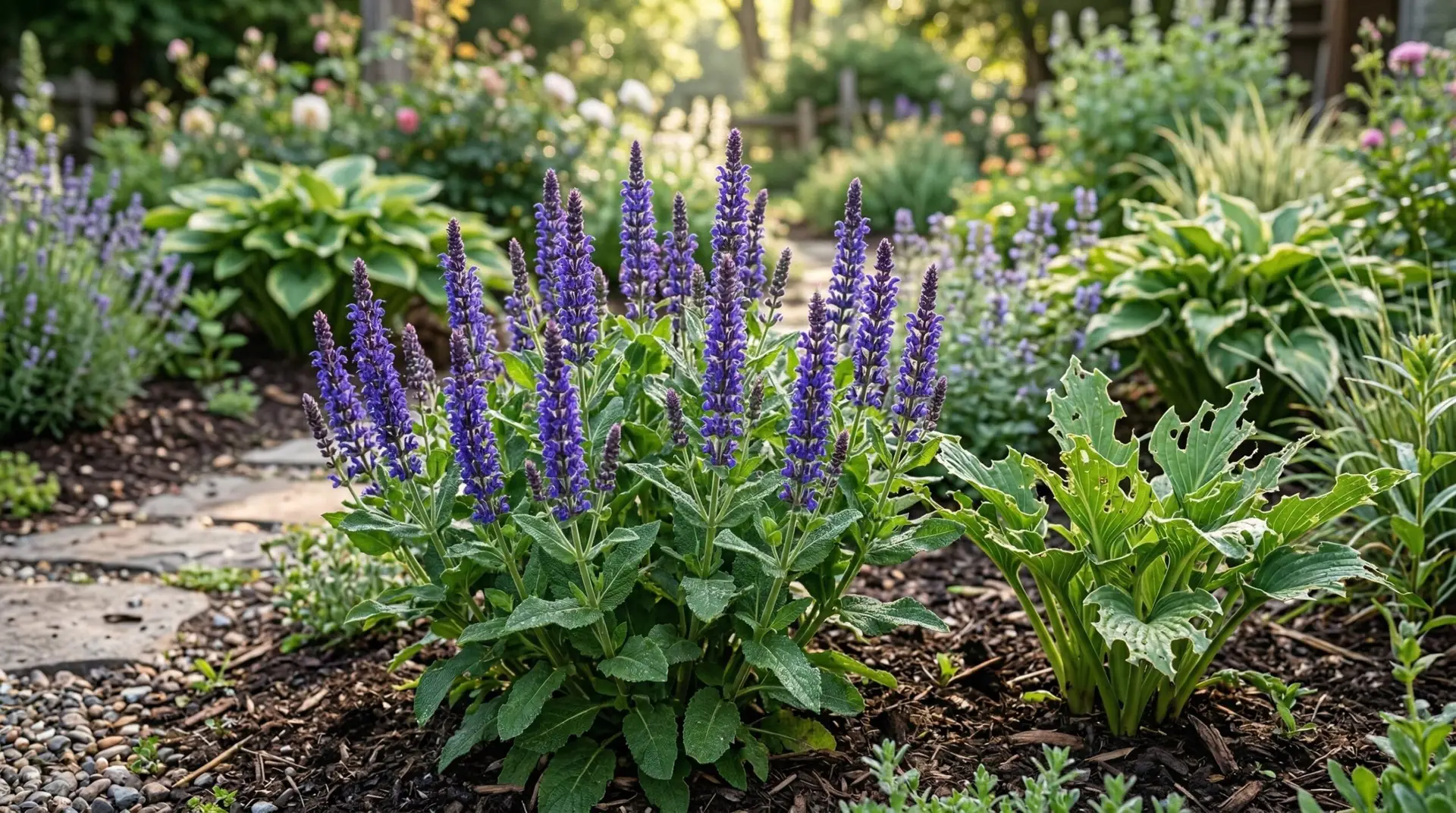
You have to remember that deer resistant does not mean deer proof in every single situation. If you live in an area with severe overpopulation and a harsh winter has eliminated their natural food sources, deer will eat almost anything to survive. I have seen them nibble on plants they usually ignore just to test if they are edible. However, blue salvia is consistently at the bottom of their preference list. When you plant deer resistant salvia in your yard, you are playing a game of odds. You are making your property less appealing than the surrounding woods or your neighbor’s unprotected hostas. Over time, the local herd learns that your garden is full of strong-smelling, bitter plants and they start skipping your yard on their daily routes.
Planting strategies to protect your vulnerable flowers
Knowing that deer hate the smell of blue salvia gives you a strategic advantage when designing your garden beds. Do not just plant it in an isolated patch in the corner of your yard. Use it as a defensive barrier around the plants that you know deer love to eat. When deer approach a bed and get a nose full of salvia oils, they often will not push past it to see what else is growing behind it. I recommend planting a solid, uninterrupted border of blue salvia along the edge of your beds or near the main paths the deer use to enter your property. This creates a scent wall that confuses their sense of smell and masks the aroma of the tastier plants hiding in the center. It requires a bit of planning to create these defensive rings, but it is highly effective.
The placement of your blue salvia also matters for the health of the plant itself. Salvia needs full sun and well-draining soil to produce the maximum amount of those essential oils that keep the deer away. If you plant it in heavy shade or soggy soil, the plant will become weak, leggy, and less aromatic. When a salvia plant struggles, it produces fewer volatile oils, which means its deer-deterring power drops significantly. You must give the plant the right conditions so it can do the heavy lifting of protecting your garden. Amending heavy clay soil with grit or planting in raised mounds ensures the roots stay dry and the plant grows vigorously. A healthy, sun-baked salvia is always your best defense against browsing animals.
Building a reliable perimeter with companion plants
Relying on just one type of plant to keep deer away is a mistake, as they might get used to the scent or find a gap in your defense. You need to mix blue salvia with other highly aromatic, unpalatable perennials to create a complex scent profile that deer cannot figure out. One of the best partners for salvia is lavender, which requires the exact same sunny, dry conditions to thrive. The silvery foliage and distinct fragrance of lavender blend perfectly with the deep blue spikes of the salvia. By alternating these two plants along your borders, you create a visual and olfactory barrier that deer absolutely hate. This combination protects your yard and creates a beautiful, Mediterranean-style garden that handles heat and drought easily. You save money on water bills while keeping the local wildlife completely out of your flower beds.
If you have larger spaces to fill, you can expand your defensive line by bringing in other tough, strongly scented plants. Adding Russian sage behind your blue salvia creates a taller, airy backdrop that deer also refuse to eat. The powdery blue stems and pungent leaves of Russian sage reinforce the bitter-tasting theme of your garden beds. For the front edge of the border, where deer might try to take a quick bite, catmint is an excellent choice. It spills over the edges of pathways and releases a sharp minty odor the second a deer steps on it or brushes past it. Combining these specific plants creates a multi-layered defense system that addresses the problem from the ground level up to three or four feet high. When deer encounter a solid wall of catmint, salvia, and Russian sage, they almost always give up and move on.
Maintaining blue salvia for maximum deer deterrence
Keeping your blue salvia effective against deer requires some specific maintenance throughout the growing season. The plant relies on active growth and fresh foliage to produce the strongest scent. When the first flush of blue flowers starts to fade and turn brown, you need to grab your shears and cut the plant back. Shearing the entire plant down by about a third removes the spent blooms and forces the plant to push out a fresh wave of highly aromatic leaves. This new growth is exactly what you want to keep the deer away during the late summer months when their natural food sources start drying up. If you let the plant go to seed and become woody, it loses some of its defensive potency. Regular deadheading and mid-season shearing keep the plant dense, fragrant, and actively working for you.
The biggest mistake I see gardeners make with deer resistant plants is over-fertilizing them to make them grow faster. Blue salvia actually performs much better and produces stronger oils when it is grown in lean, unamended soil. When you pump the soil full of nitrogen fertilizer, the plant pushes out soft, floppy, weak growth. This soft growth has a lower concentration of the bitter oils that deer hate, making the plant slightly more palatable to a hungry animal. You want the plant to grow tough, structured, and highly concentrated with scent. Skip the heavy fertilizers and let the salvia work for its keep in regular garden soil. The tougher the growing conditions, the tougher the plant becomes, and the less likely a deer is to take a bite.
If you are exhausted by the constant battle with local wildlife, changing your plant palette is the only permanent solution. Fences are expensive, and sprays wash off in the rain, but the right plants do the work for you every single day. The single most useful piece of advice I can give you is to stop fighting the site and start planting exactly what the deer refuse to eat. Build your foundation heavily around blue salvia, mass it in large groups, and let its natural oils create an invisible shield around your yard. Gardening in deer country requires accepting reality and adapting your strategy. When you fill your borders with tough, bitter, aromatic herbs, you finally get to enjoy your flowers instead of mourning them.
More About Blue Salvia
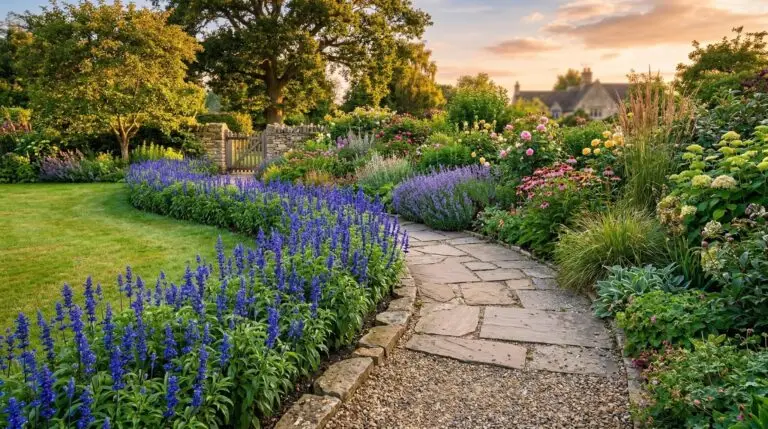
Growing blue salvia as a fragrant edging plant along walkways and garden paths
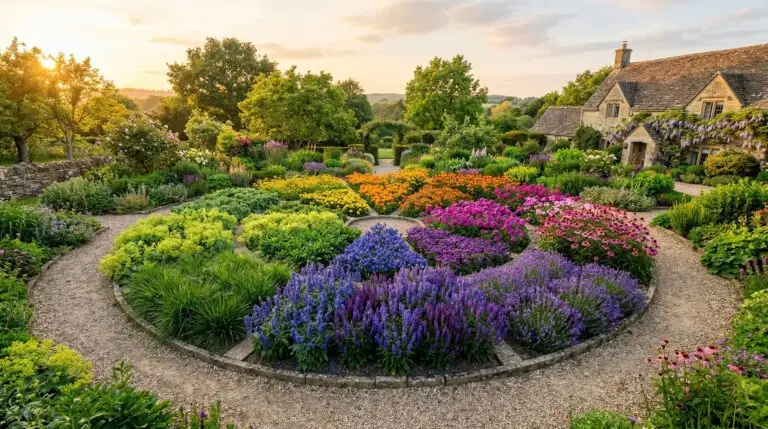
Blue salvia and yellow marigold together for a classic complementary color garden
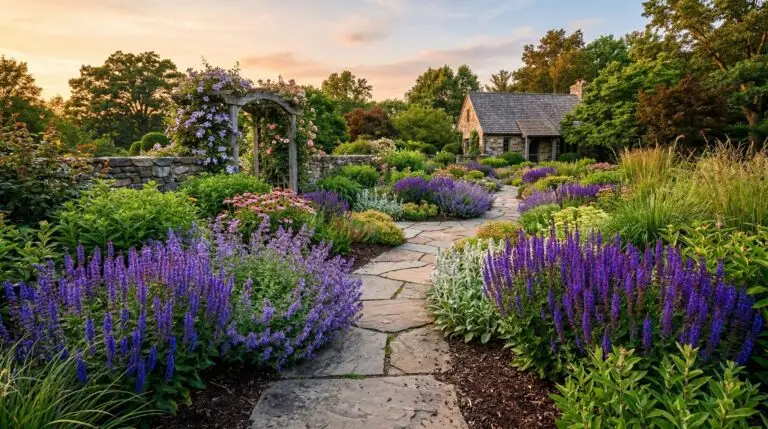
How to overwinter blue salvia in cold climates and bring it back stronger
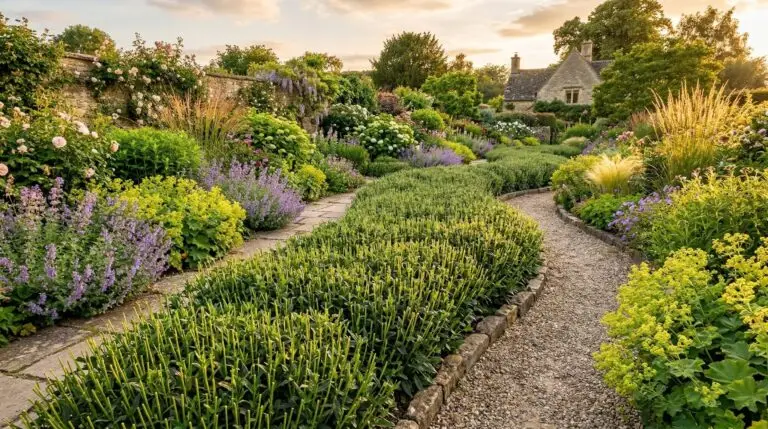
How to prune and deadhead blue salvia for a second and third flush of blooms
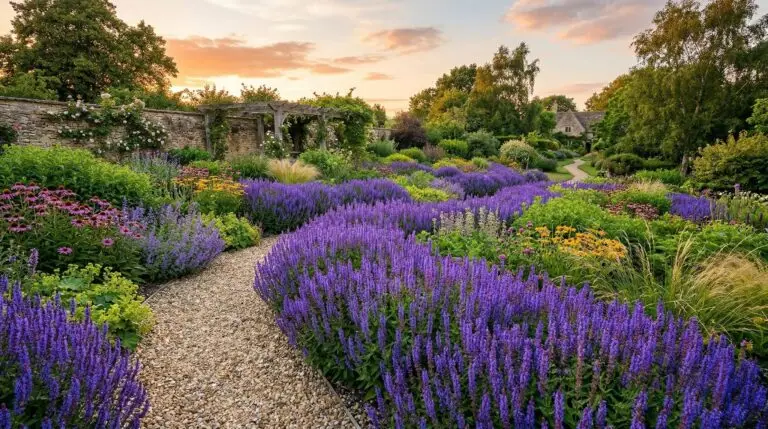
Blue salvia in mass plantings for dramatic sweeps of color in large gardens
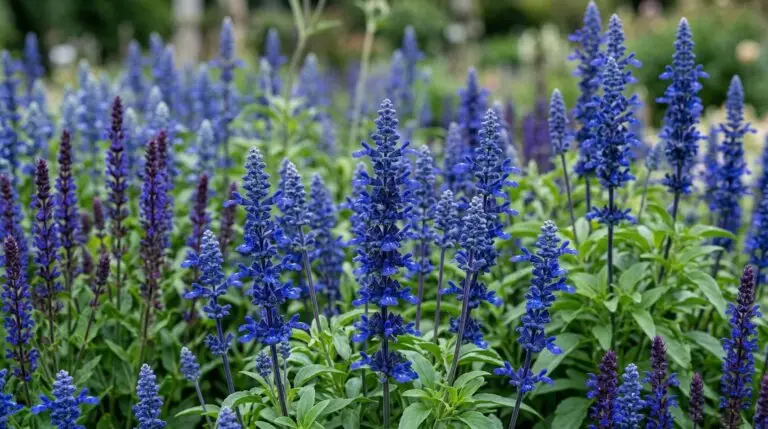
Best blue salvia varieties for non-stop color from late spring through first frost
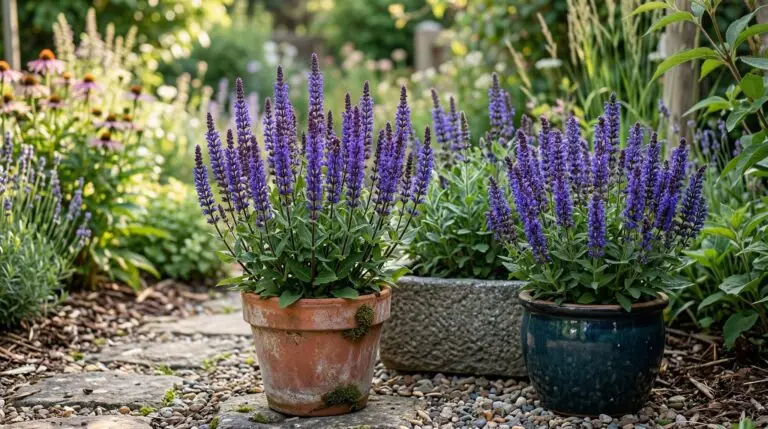
How to grow blue salvia in containers for a burst of color on sunny patios
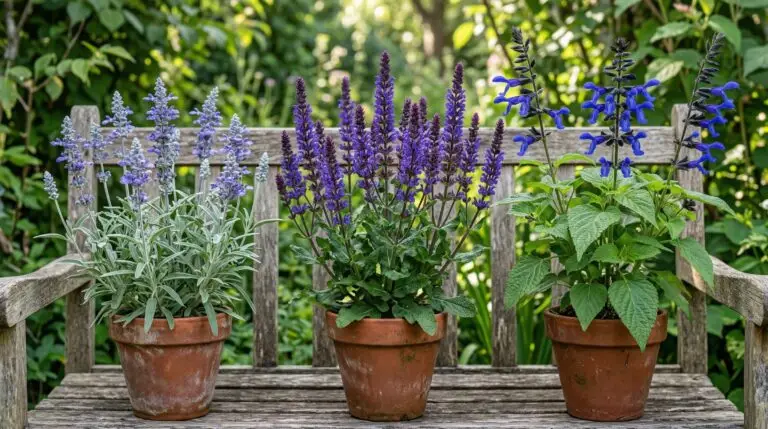
Perennial salvia versus annual salvia and how to choose the right one