People constantly bring home a potted gerbera daisy covered in bright blooms, set it on their kitchen table, and watch it collapse into a mushy pile of leaves within a week. The frustration is incredibly common because these plants are sold as cheerful, easy indoor decorations when they actually demand very specific conditions to survive. When you find yourself searching for reasons regarding a gerbera daisy dying, the answer almost always comes down to how the plant interacts with water inside its pot. Growers pack these plants in dense, moisture-retaining soil to keep them alive during shipping and display at the grocery store. You take that same moisture-heavy pot, place it in a dim room, and water it from the top down. The result is a rapid decline where the flower stalks bend over and the leaves turn soft and black at the base. Understanding why this happens requires looking right at the center of the plant where the leaves meet the roots. This central junction is the most vulnerable part of the entire plant structure.
The crown rot problem explained
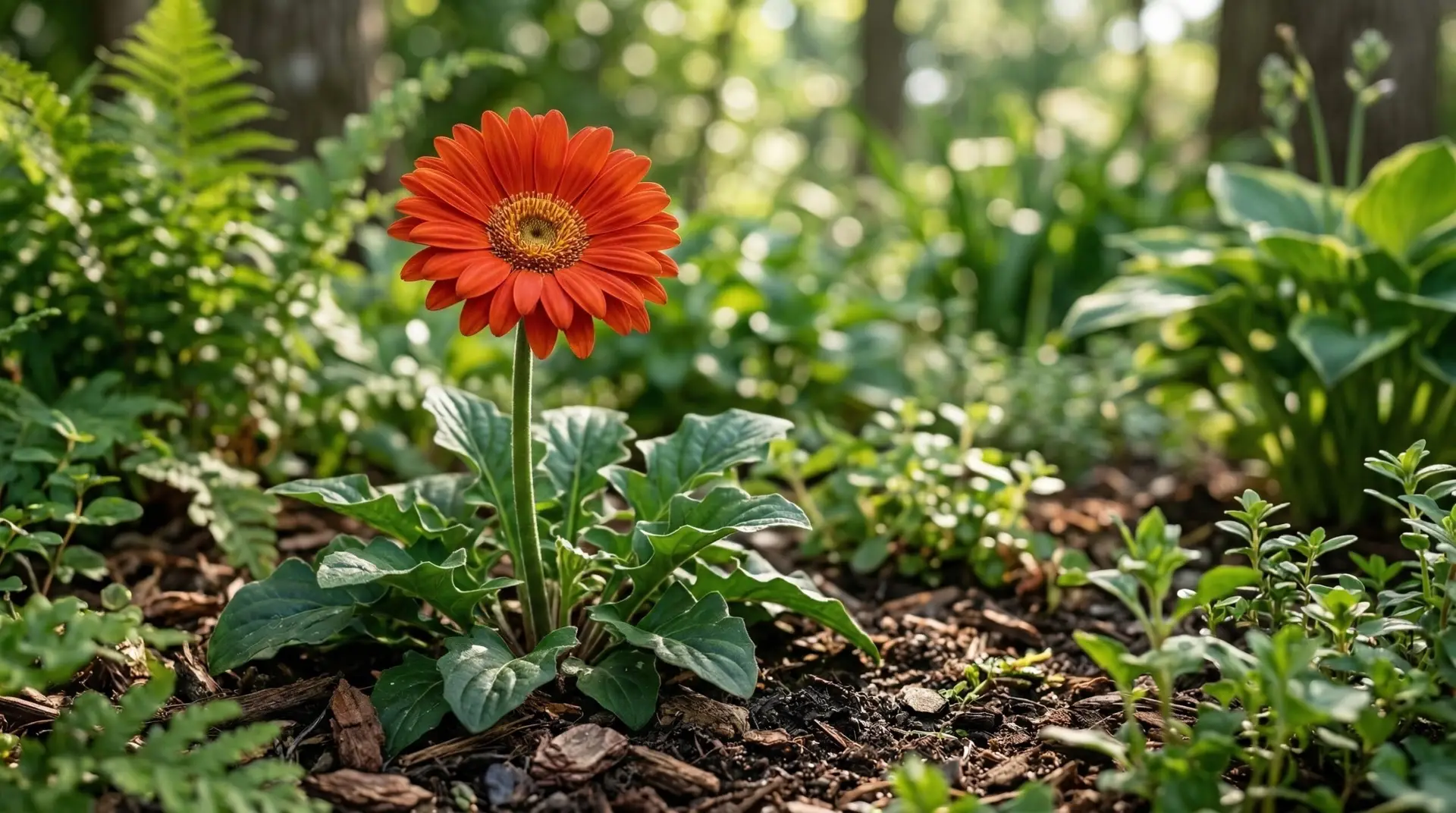
The central growing point of the plant is called the crown, and it dictates whether your gerbera lives or dies. When a gerbera daisy is planted too deeply in the soil, the crown sits below the surface where it stays constantly wet after watering. This moisture invites a fungal infection known as gerbera crown rot, which acts quickly to destroy the structural integrity of the stems. You will know this is happening when the outer leaves start drooping heavily, but the soil still feels entirely wet to the touch. Many people see drooping leaves and assume the plant needs more water, which only accelerates the rotting process. Nurseries often ship these plants in decorative foil sleeves or plastic cache pots without drainage holes. Water pools at the bottom of these sleeves, wicking back up into the soil and suffocating the root system while simultaneously drowning the crown. By the time you notice the flowers hanging their heads, the root system has already begun to rot away in the dark.
Fixing drainage and watering habits
Mastering gerbera daisy indoor care means completely changing how you deliver water to the roots. You must never pour water directly over the top of the plant or into the center of the leaf rosette. Instead, you need to practice bottom watering to keep the crown bone dry while allowing the lower roots to drink. Fill a shallow dish with an inch of water, set the plastic nursery pot in the dish, and let it soak up moisture for about twenty minutes before removing it to drain completely. If the top inch of the soil feels moist, you should wait a few more days before offering any more water. They share this intense sensitivity to standing water with the popular moth orchid, which will also drop its flowers and rot if left sitting in a puddle. Consistent, careful watering prevents the soil from turning into a soggy sponge that breeds disease. You have to let the soil dry out partially between watering sessions so the roots can actually breathe.
Light requirements for indoor survival
Light plays a massive role in how quickly a plant uses the water you provide, and indoor environments usually lack the intensity gerberas need. These are full sun outdoor plants that struggle when relegated to the center of a dining room table or a shaded corner. When they do not receive enough direct sunlight, their metabolism slows down, meaning the soil stays wet for a much longer period. You need to place your plant right next to a bright south-facing or west-facing window where it gets several hours of direct morning or afternoon sun. If the plant is stuck in dense, heavy potting soil, that lack of light compounds the drainage problem and guarantees rot. Repotting the plant into a fast-draining mix cut heavily with perlite or coarse sand allows oxygen to reach the roots and helps the pot dry out between waterings. A lighter soil mix acts as an insurance policy against accidental overwatering on cloudy weeks. Strong light and loose soil work together to keep the root environment healthy and active.
Rescue techniques for failing plants
Saving a declining plant requires immediate intervention and a realistic assessment of the damage. If the center crown is entirely black and smells like decaying vegetables, the plant is dead and belongs in the compost bin. If only a few outer leaves are mushy but the center still shows firm green growth, you have a solid chance at rescuing it. Pull the plant out of its pot, gently brush away the soggy soil from the root ball, and use clean scissors to cut away any slimy or blackened roots. You must also remove any dead or heavily drooping leaves right at the base to improve air circulation around the healthy tissue. Similar to how you might treat a delicate begonia suffering from stem rot, keeping the remaining foliage completely dry is your top priority during the recovery phase. Repot the cleaned plant into fresh, dry soil, making absolutely certain that the crown sits at least half an inch above the soil line.
Setting up for long term success
The transition from a greenhouse to a home environment is stressful, and managing that transition dictates the lifespan of your plant. You should expect some of the existing blooms to fade early as the plant adjusts to the lower humidity and different light levels of your house. Clip off spent flowers down near the base to redirect the plant’s energy into growing new roots rather than maintaining dying petals. If you keep the crown elevated, water only from the bottom, and provide maximum indoor light, the plant will eventually stabilize and push out new foliage. Patience is required here, as a recovering plant might take several weeks to show signs of actual new growth. The single most useful piece of advice for anyone bringing a gerbera home is to immediately rip off that decorative foil sleeve and check the soil level. Brushing away the top half-inch of soil to expose the crown the moment you buy the plant will prevent almost every major problem before it even begins.
More About Gerbera Daisy
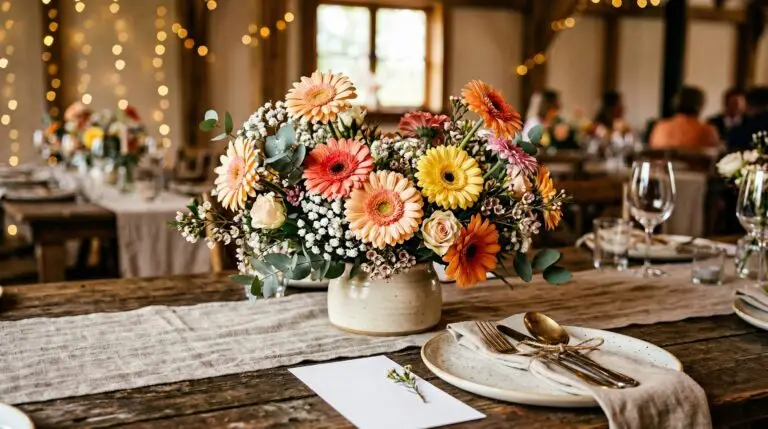
Gerbera daisies in wedding bouquets for colorful fun alternatives to traditional flowers
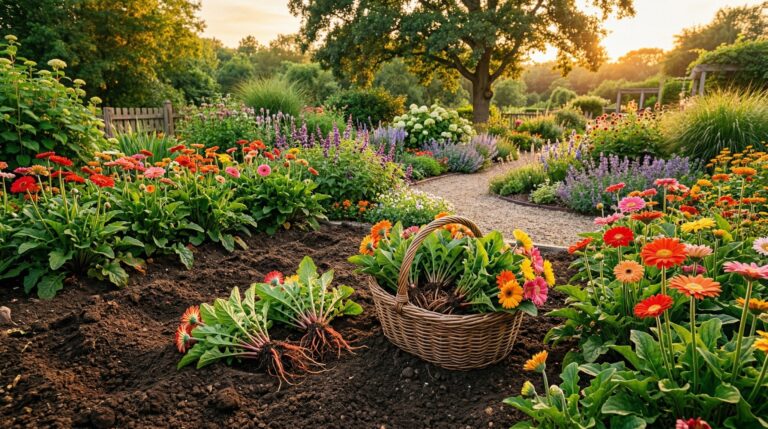
Overwintering gerbera daisies in cold climates and bringing them back year after year
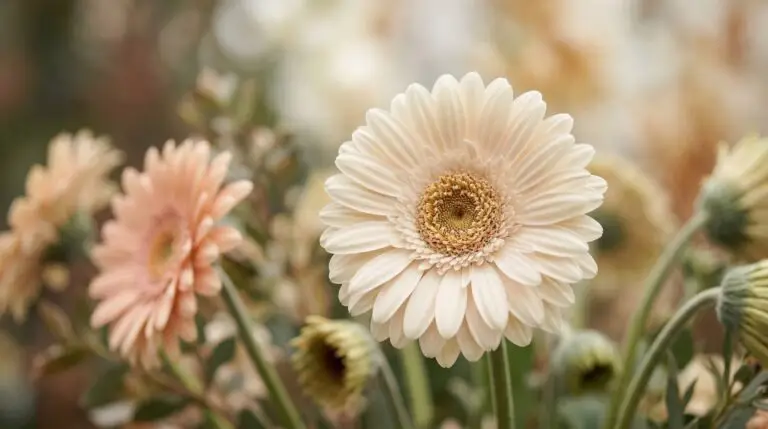
Gerbera daisy meaning and why these happy flowers represent cheerfulness and joy
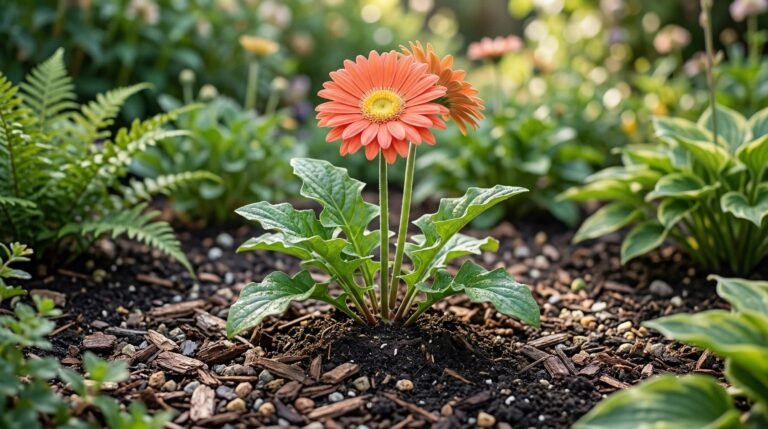
How to grow gerbera daisies for bold cheerful color in gardens and containers
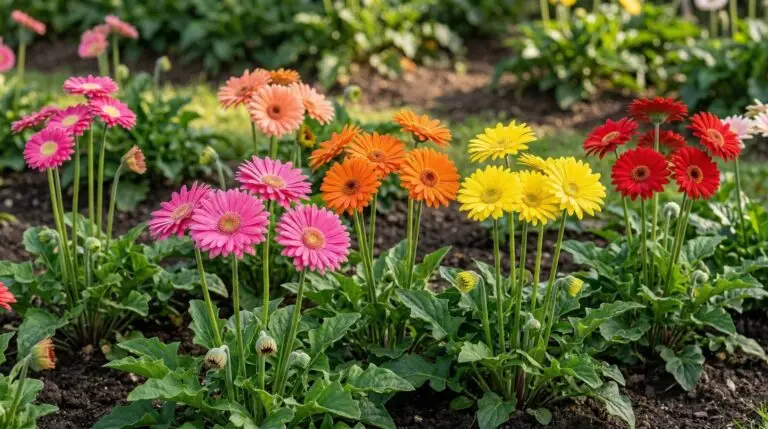
Garvinea gerberas the hardy outdoor series that changed gerbera gardening forever
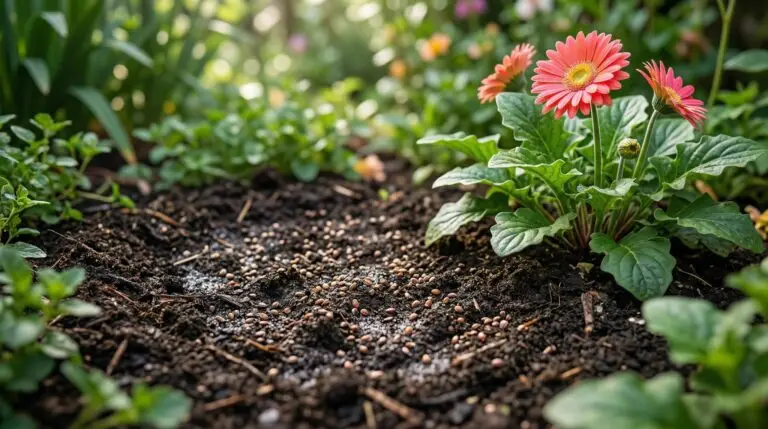
Growing gerbera daisies from seed and the patience needed for these slow starters
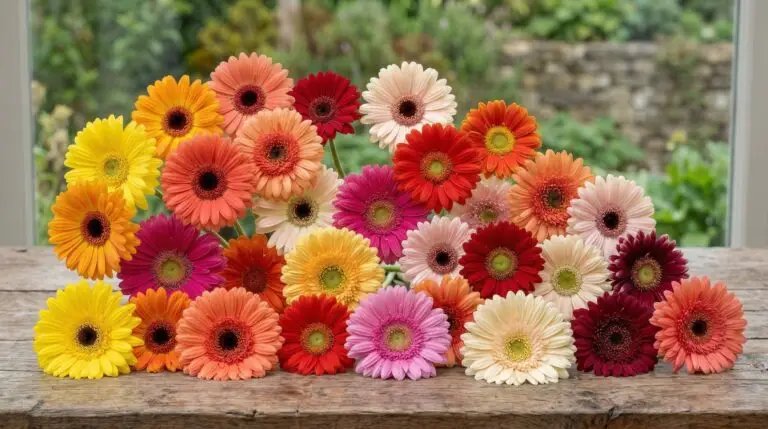
Best gerbera daisy colors and varieties from classic red to novel spider types