What is the official flower of Mother's Day? The carnation color code, honestly explained
The official flower of Mother's Day is the carnation.
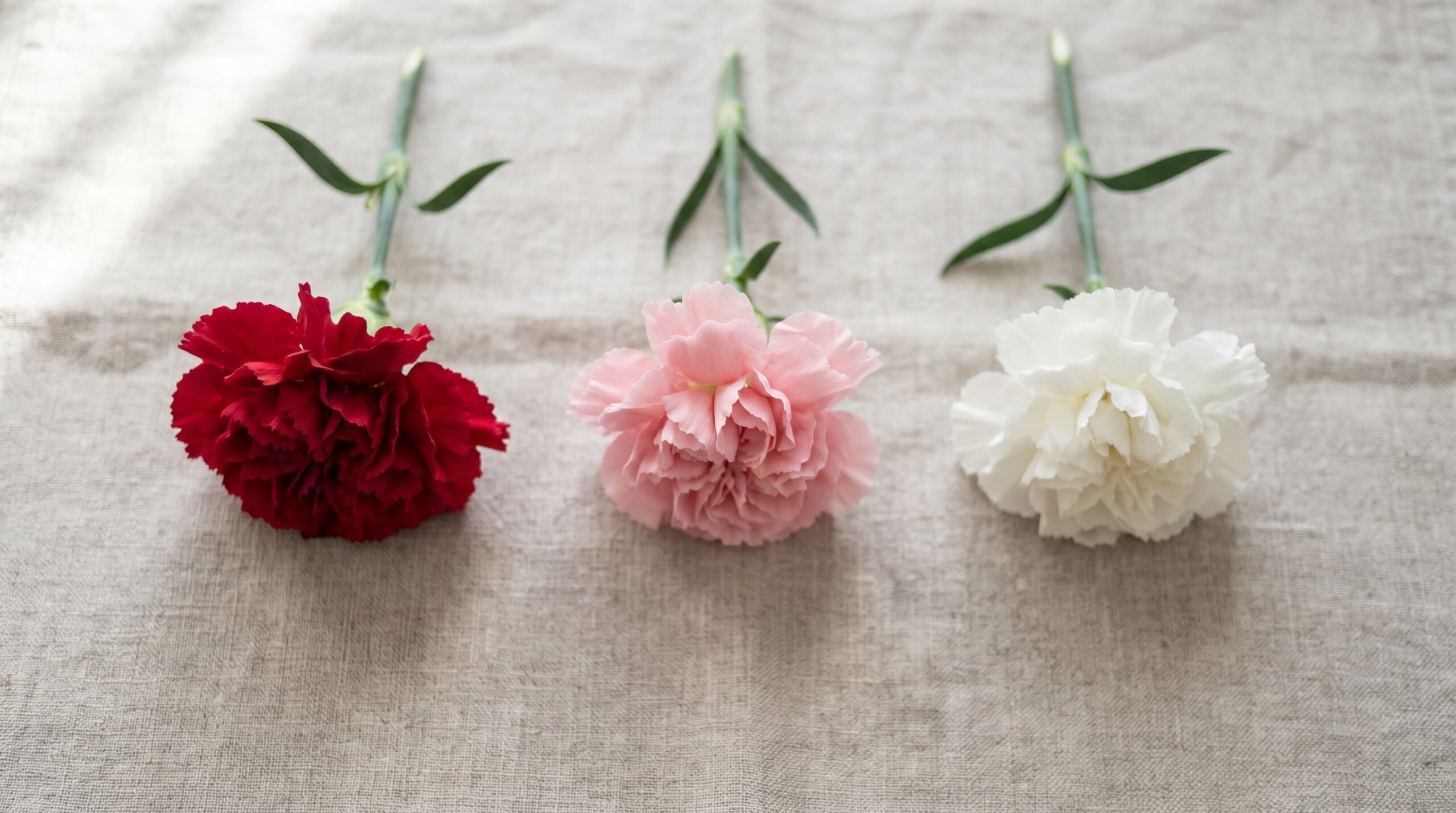
The official flower of Mother's Day is the carnation. Anna Jarvis chose it in 1908, when she organized the first Mother's Day service at Andrews Methodist Episcopal Church in Grafton, West Virginia, and she picked exactly one color: white, meant for every mother, living or not. The red-and-pink-for-living, white-for-deceased system so many people now treat as an old tradition is actually younger than the holiday itself. It's a color code the flower industry built in the 1920s, after white carnations got expensive and needed a second, cheaper color to sell around Mother's Day. Both things are true at once. The code is newer than it looks, and a hundred years of repeating it have made it a real expectation anyway, especially in churches and among older relatives who observe it without knowing where it started.
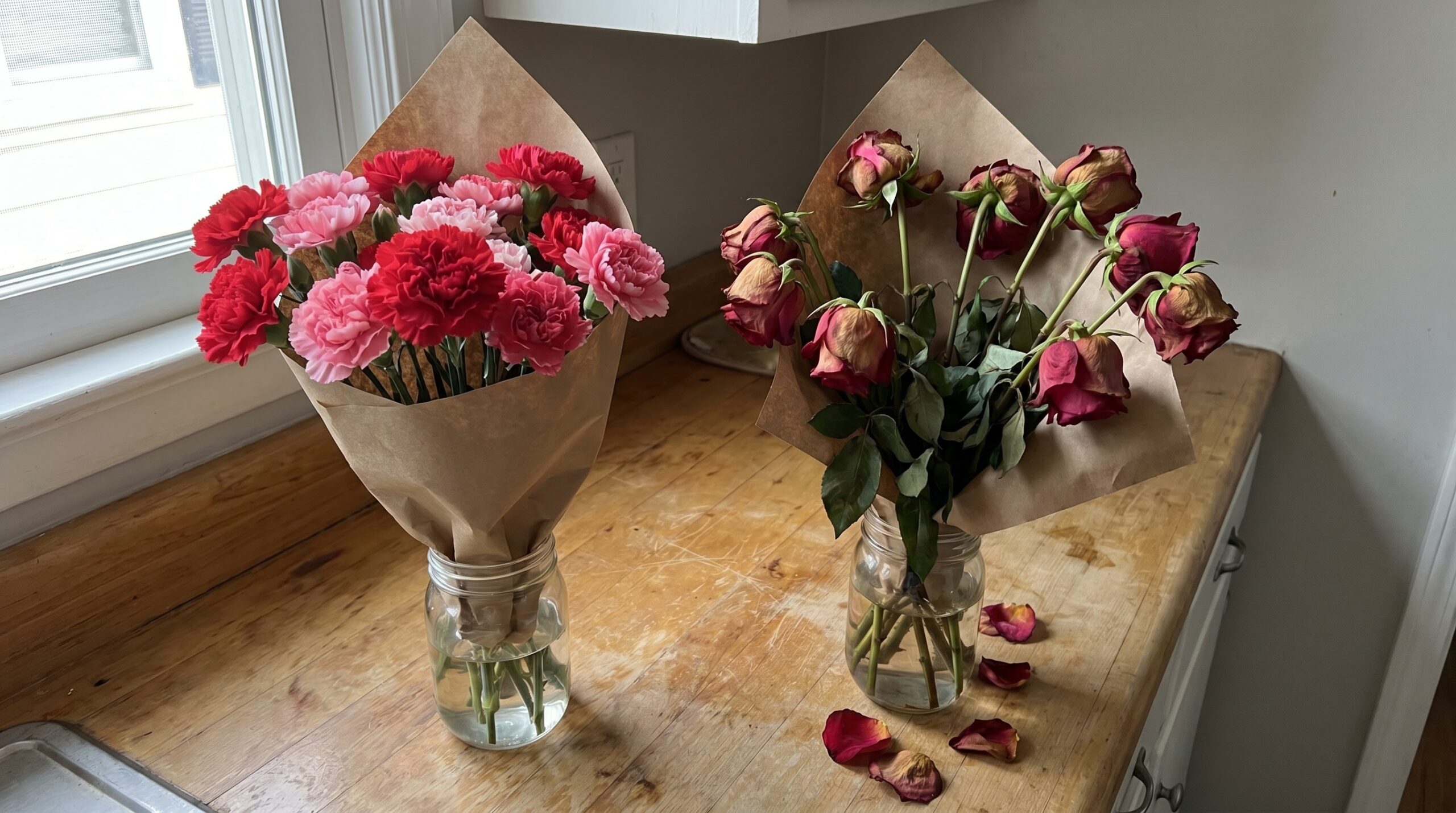
There's a plainer reason carnations stuck, too, one that has nothing to do with symbolism. A widely upvoted Trader Joe's flower thread on Reddit tracked a grocery-store bouquet day by day and reported roughly what florists have known for a century: eleven days in, the roses were gone and a third of the chamomile had wilted, but the carnations were "going strong." Carnations last. That practical fact is a big part of why a holiday built on flowers ordinary people can actually afford settled on this one. Most people arriving here already want one specific thing: the color to send.
Which carnation color for which mother
Who you're buying for decides the color that reads correctly today, the reasoning attached honestly instead of dressed up as ancient folklore.
| Who you're giving to | Color | Why |
|---|---|---|
| A mother who's living | Red or pink | Pink is the flower industry's direct "Mother's Day, living mother" signal since the 1920s; red reads as warmer admiration and works just as well |
| A mother no longer living | White | The one color Jarvis actually chose herself, later adopted industry-wide as the memorial reading; still the clearest, safest choice for this exact situation |
| A grandmother | Pink or red | Same living-mother logic applies; pink stays the safer default because it's the color most people already associate with "someone's mom," not just white's opposite |
| A mother figure who isn't yours by blood (mother-in-law, stepmom, a friend who mothers you) | Pink | Reads as warm gratitude without overclaiming the specifically maternal message red can carry in some families |
Swipe →
None of this is ancient. Jarvis picked one color for one reason: her own mother's favorite flower was the carnation, and Jarvis wanted every mother in the room, hers included, honored the same way. The two-color split arrived later, once florists needed white carnations to do double duty as both a Mother's Day staple and a funeral standard, and pink, soon joined by red, became the industry's way of selling to anyone whose mother was still alive. Some flower sites still blur that history. Petal Talk, 1800Flowers' blog, has described white carnations elsewhere on its own site as meaning purity and good luck, a reading that skips right past the memorial meaning the flower actually carries on this specific holiday. The Bouqs Co. gets closer, noting plainly that people now use pink carnations to recognize living mothers and white ones to honor those who've passed. Teleflora's Mother's Day guide leans into the idea that different maternal relationships call for different reads on the same flower, without ever spelling out which color goes where. This piece spells it out plainly.
One color choice deserves its own caution. A single white carnation handed to a living mother isn't neutral in every household. Some families won't register the color at all. Others, especially ones with a churchgoing grandmother in the room, will read it as the memorial color without you meaning to send that message. That's the case for the honest footnote above, not a reason to avoid white outright. If the mother you have in mind is no longer here, white is the color that has carried that meaning the longest, and the flowers people bring for a mother who is no longer here deserve more room than one paragraph can give; the site's funeral flowers guide covers that ground properly. And carnations earned the label of official Mother's Day flower first. The modern habit of looking down on them at the grocery store showed up decades later.
Why Anna Jarvis chose white, in her own words
The first Mother's Day service happened on May 10, 1908, at Andrews Methodist Episcopal Church in Grafton, West Virginia, near where Jarvis grew up. She didn't attend. She sent 500 white carnations instead, one for every mother in the congregation, and delivered her own remarks by telegram to a parallel event at Wanamaker's department store in Philadelphia, according to the National Park Service's biography of Anna Jarvis. She chose carnations because they were her own mother's favorite flower, and in a 1927 interview with Parents' magazine she explained the color herself: "Its whiteness is to symbolize the truth, purity and broad charity of mother love; its fragrance, her memory and her prayers," History.com reports her saying, adding that she liked how the flower doesn't drop its petals as it dies but holds them close, which she read as a mother holding her children.

Within six years, Jarvis had gotten what she wanted almost too well. Her own letter-writing campaign to churches, businesses, and politicians helped push President Woodrow Wilson to proclaim Mother's Day a national holiday in 1914. Florists, card companies, and confectioners moved in fast, and Jarvis spent the rest of her life furious about it. Wikipedia and Mental Floss both recount the same story: dining at Wanamaker's tea room years later, she was served a dish called the Mother's Day Salad, stood up, dumped it on the floor, and walked out. By the 1920s she was condemning florists by name for inflating carnation prices every May. By 1943 she was going door to door in Philadelphia trying to collect signatures on a petition to abolish the holiday she had created. She died in 1948 in a sanitarium in West Chester, Pennsylvania, having never been told, according to Mental Floss's reporting, that a group of grateful florists had quietly helped cover part of her care.
The forgotten custom: wearing a carnation on Mother's Day
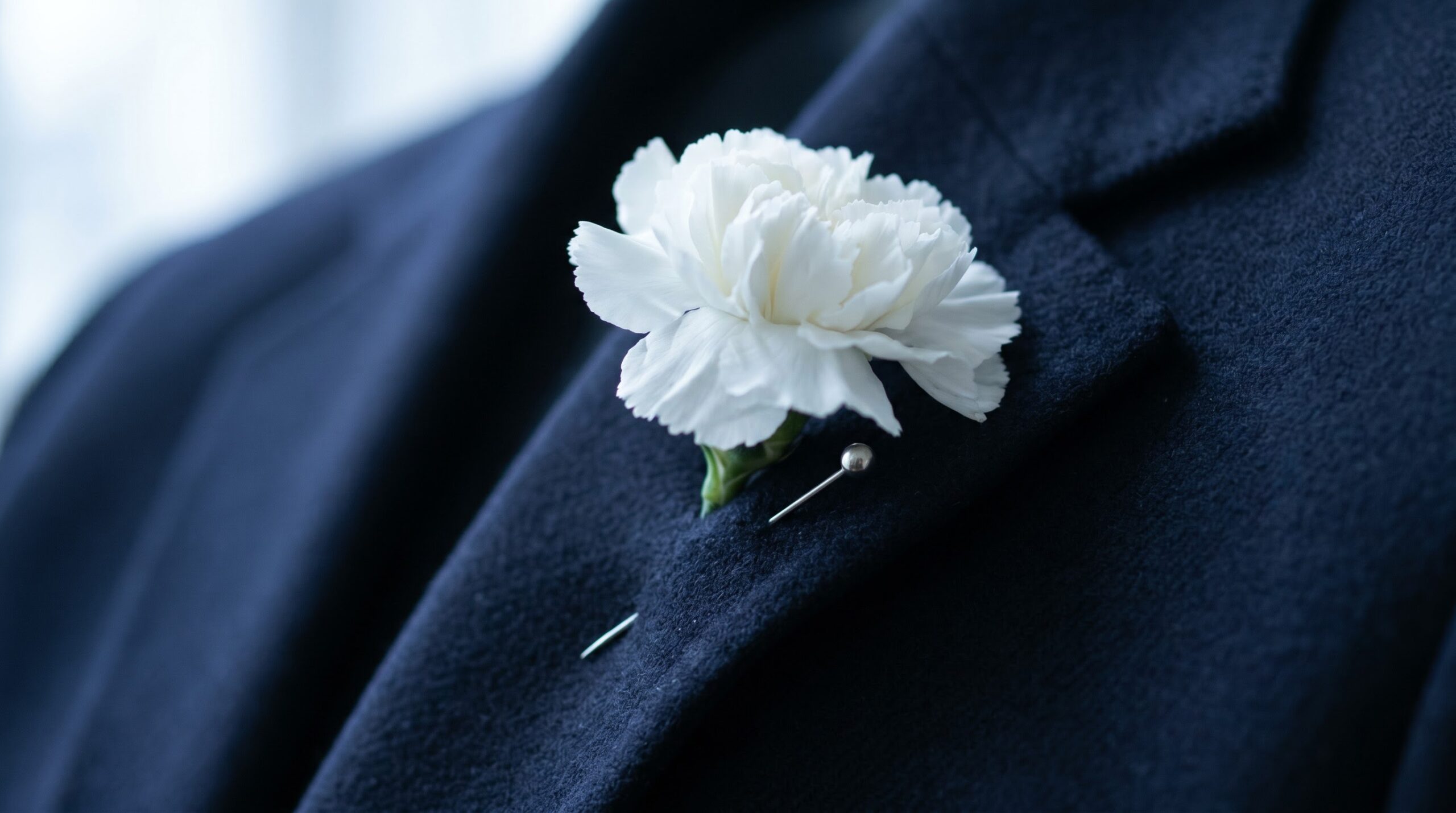
Long before Mother's Day turned into a bouquet-buying holiday, it was something you wore. Early congregations, including the Grafton church where the tradition started, handed out a single carnation to everyone walking in the door: a colored one if your mother was living, white if she wasn't, pinned to a lapel or collar for the whole service. History.com's reporting on the holiday traces the custom to those first services, and some older, more traditional congregations still do a version of it today, quietly, without necessarily connecting it back to Jarvis at all. It is a smaller, gentler gesture than a bouquet. No arranging, no price tag, just a single flower that says something true about you before you've spoken a word. Almost nobody selling flowers online mentions it, mostly because there's nothing there to sell.
Carnations aren't universal, and neither is the date
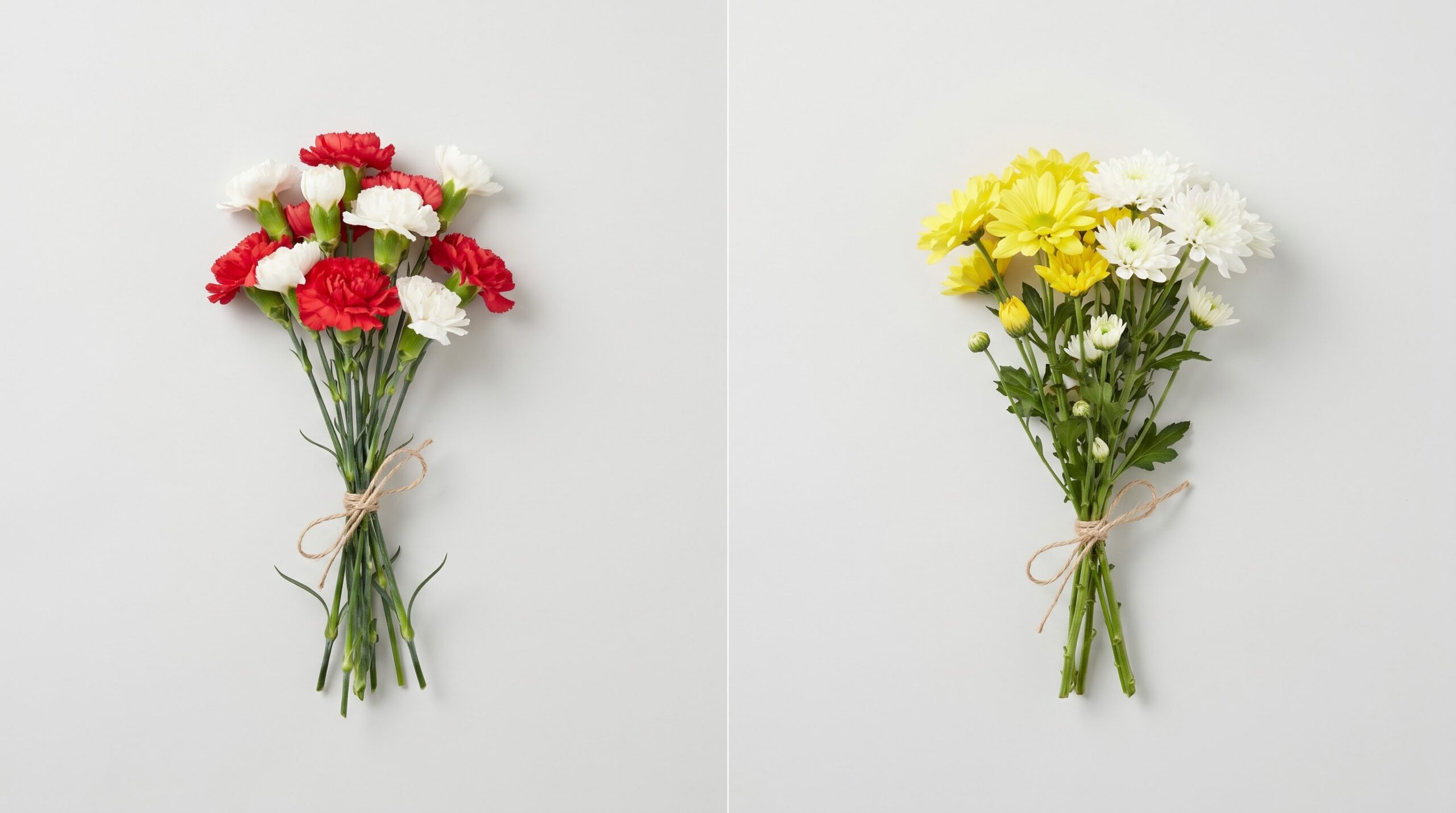
The carnation's hold on Mother's Day isn't worldwide. Japan adopted the holiday from American custom in the twentieth century and kept the flower, with a local twist: red carnations are the default gift for a living mother, and white ones are largely avoided, since Japan's own Obon season already uses white flowers for the dead and wearing the wrong color there carries more weight than it tends to in the United States. Australia dropped carnations altogether. Mother's Day falls in autumn south of the equator, so Australians settled on the chrysanthemum instead, helped by a coincidence nobody planned: "mum" is both the flower's nickname and what an enormous number of Australians call their own mothers. The site's guide to why Australia's Mother's Day flower is the one continental Europe won't touch goes deeper into that flower's very different reputation depending on the country, worth a look before you send a chrysanthemum anywhere. Even the date isn't fixed globally. The United Kingdom marks Mothering Sunday, a centuries-older, church-calendar holiday tied to Lent that usually lands in March, weeks before the version Jarvis built in Grafton, and the two only look related because American troops carried the newer holiday's name across the Atlantic during the Second World War.
Whichever color you've landed on, that is the whole decision, made honestly instead of by half-remembered rule. If you still need the actual bouquet or plant to go with it, the site's guide to choosing the actual bouquet for her, recipient by recipient picks up from here. If the harder question is really whether you're the right person to be sending flowers at all, a girlfriend's mother, a mother-in-law, a stepmom, that's a different problem than color, and it deserves a real answer rather than a guess tacked onto the end of this one. Outside of Mother's Day, carnations carry a whole separate set of colors and meanings worth knowing, and the site's broader guide to flowers for every occasion covers the rest of the calendar.