AlstroemeriaColorita ‘Kate’ (cultivar ‘Zaprikate’) is a compact patio‑type Peruvian lily bred for containers and small spaces. Its standout traits are a dense, low habit and masses of deep red blooms with a yellow throat over a long warm‑season window. In North America it performs best in containers or warm‑winter gardens. Where winters are cold, grow it as a seasonal container plant and overwinter frost‑free.
At‑a‑glance
Group/Class: Colorita Series (compact patio alstroemeria)
Height × spread: 12-16 in × 10-14 in (30-40 cm × 25-35 cm)
Bloom window: late spring to frost in warm summers
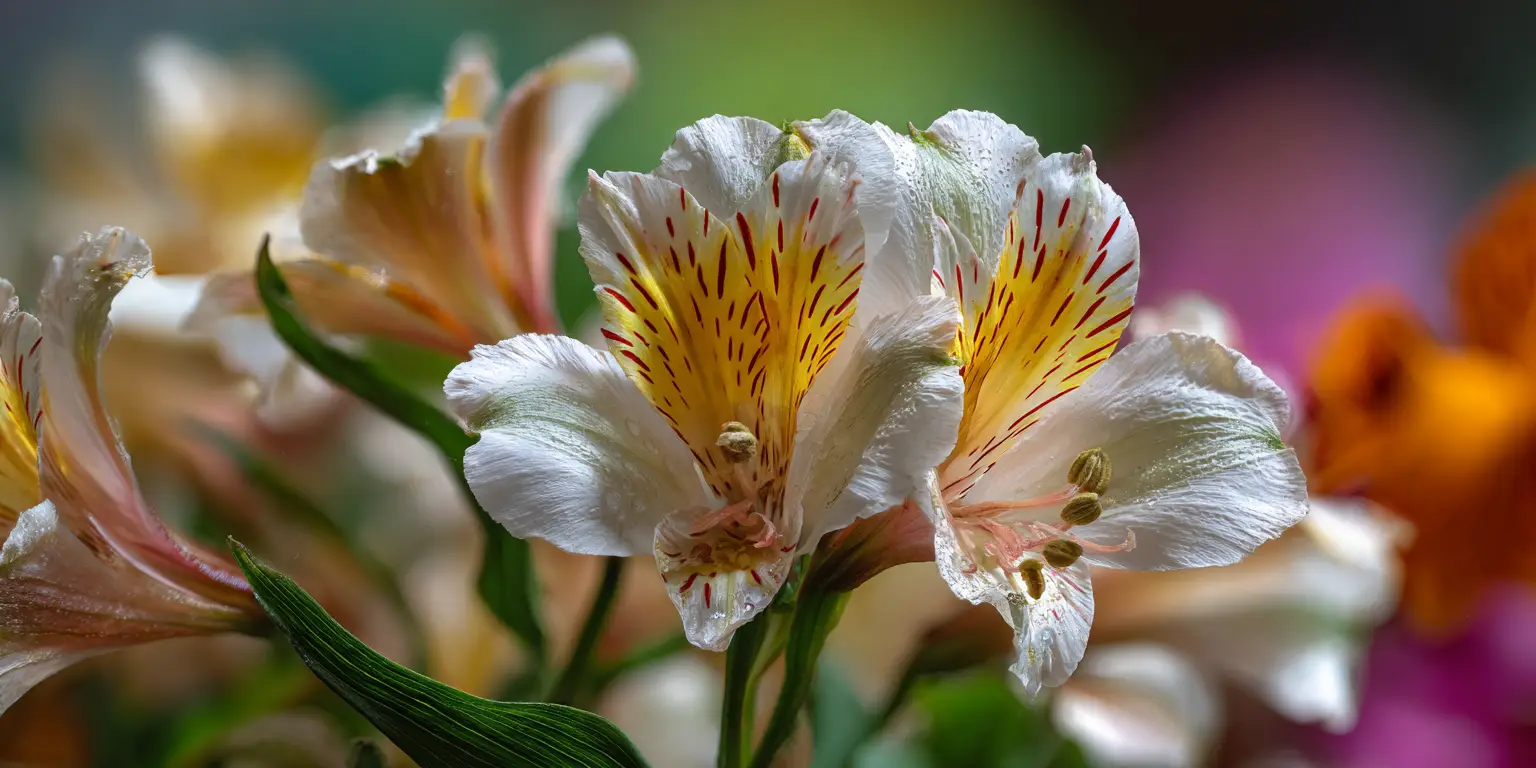
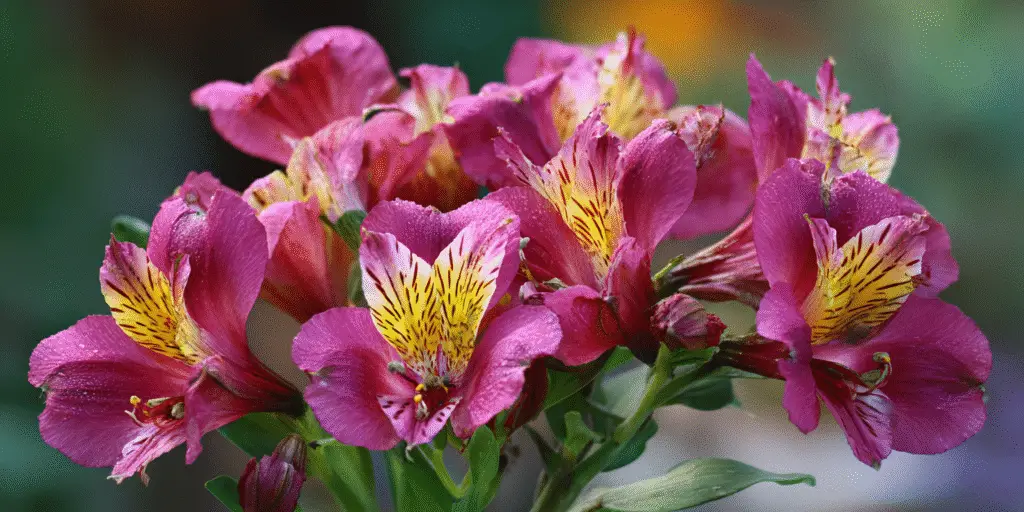
Color & flower form: deep red with a yellow throat; lily‑like clusters
Fragrance: 0 none
USDA hardiness: zones 8-11; grown as annual or container north of zone 8
Breeder / Year / Origin: Royal Van Zanten, unknown, Netherlands
Awards/registration: US Plant Patent PP24,214 (as ‘Zaprikate’)
Pet safety: generally safe for cats and dogs
How it differs
Genetically compact habit compared with typical border alstroemerias.
Long warm‑season flowering in pots with regular picking.
Stays neat without staking.
Best container choice where hardy types grow too large.
Strengths
Excellent in patio pots and small beds.
Heavy bloom with regular deadheading.
Low, tidy mound habit.
Good color impact in warm weather.
Care in one minute
Grow in full sun to part sun; afternoon shade in hot inland sites.
Use a well‑drained, peat‑free potting mix; keep evenly moist.
Fertilize lightly every 3-4 weeks in summer.
Regularly remove spent stems at the base to keep blooms coming.
Before frost, move containers to a bright, frost‑free spot for winter.
Watch‑outs
Half‑hardy; protect from frost and freezing containers.
Needs consistent moisture in pots; avoid soggy media.
Root system is fragile-repot carefully.
Best uses (tags)
containers
borders
heat‑tolerant
accent
Provenance note
Trade name Colorita ‘Kate’; cultivar ‘Zaprikate’. Bred within Royal Van Zanten’s outdoor Colorita program in the Netherlands; patented in the U.S. as PP24,214.