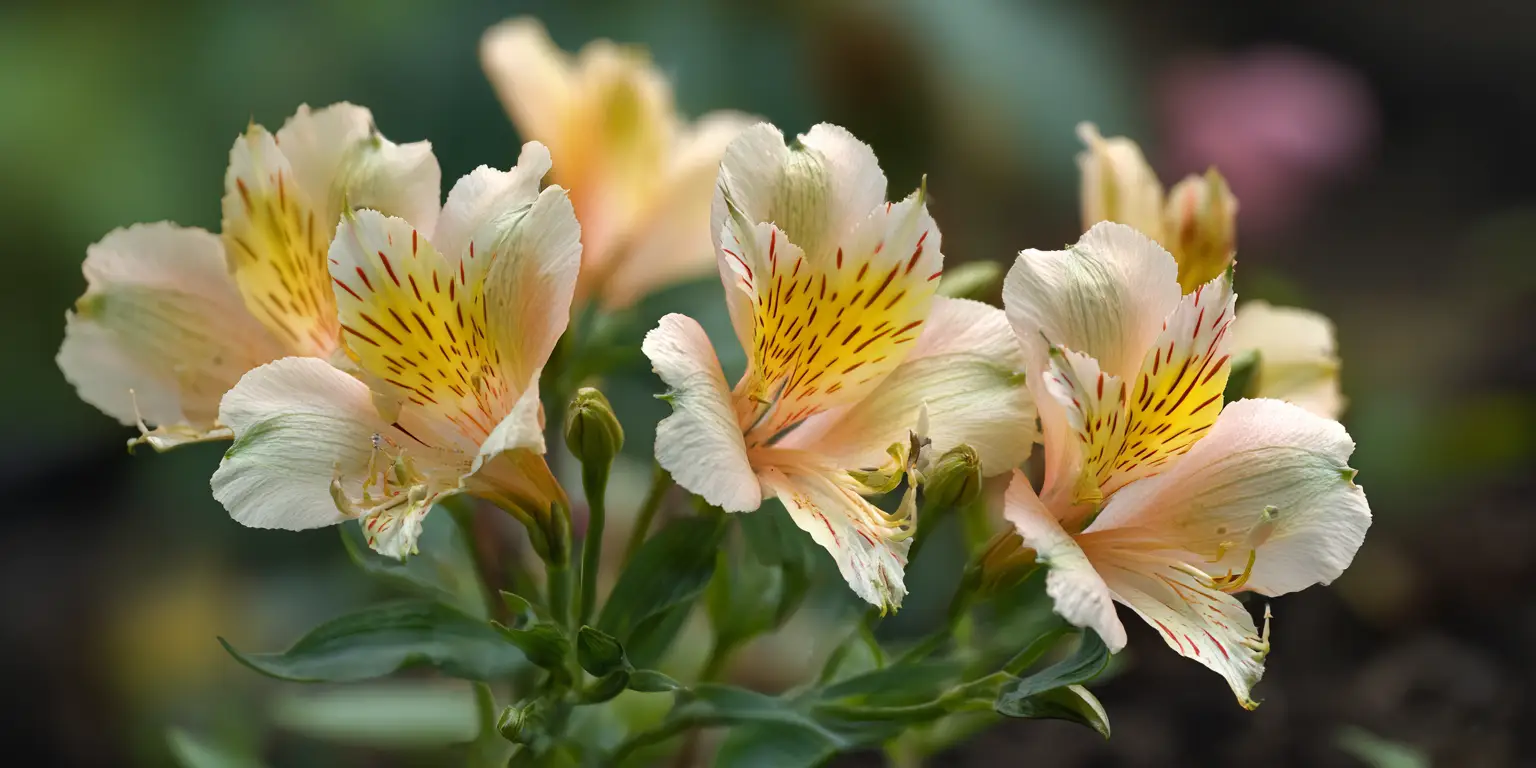
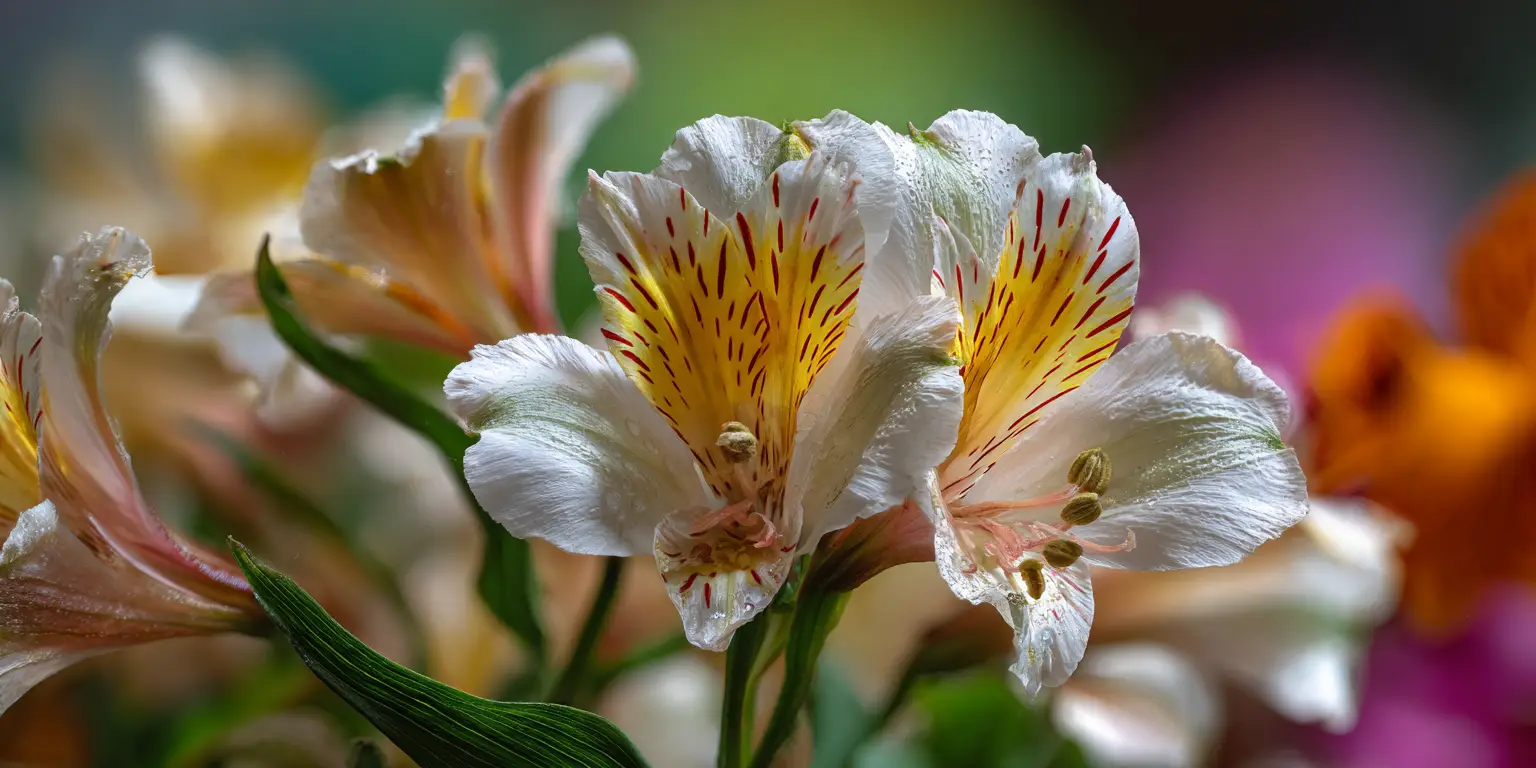
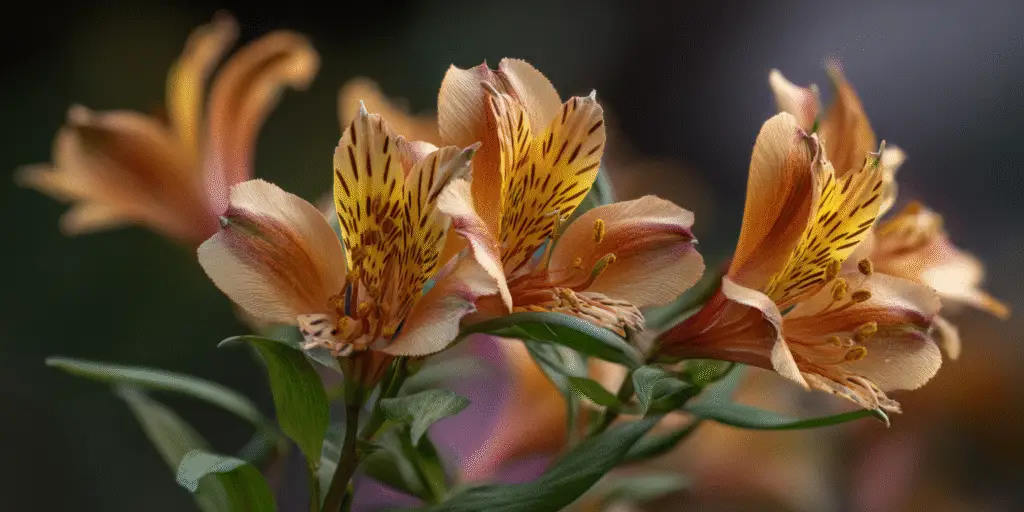
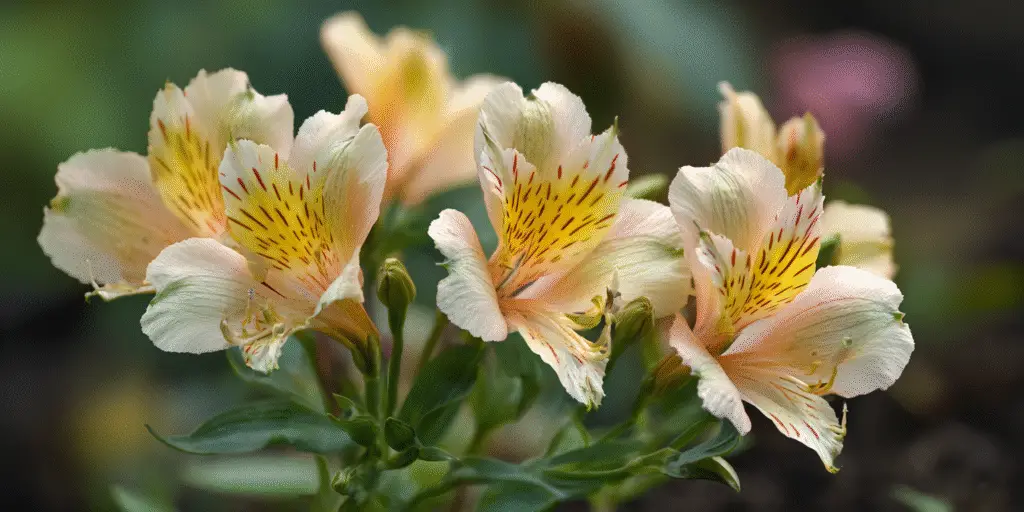
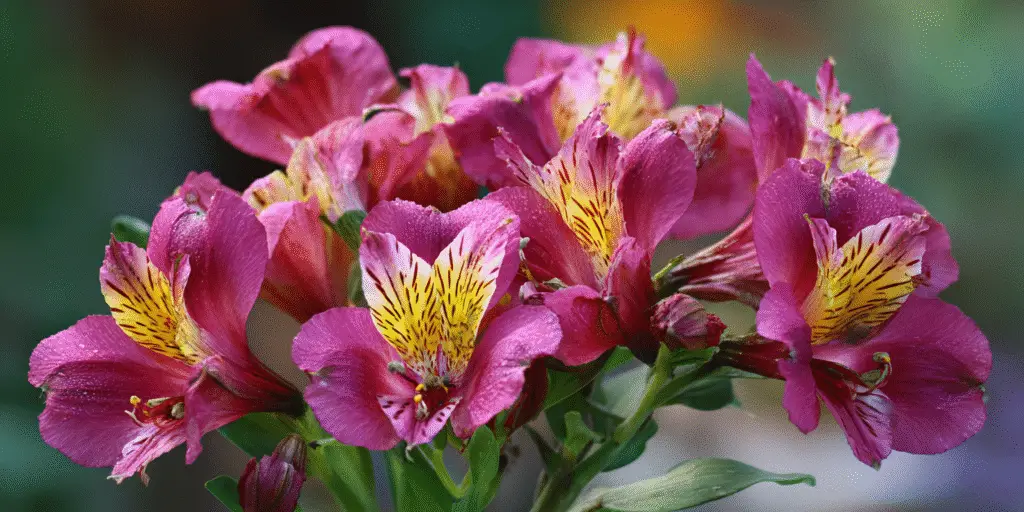
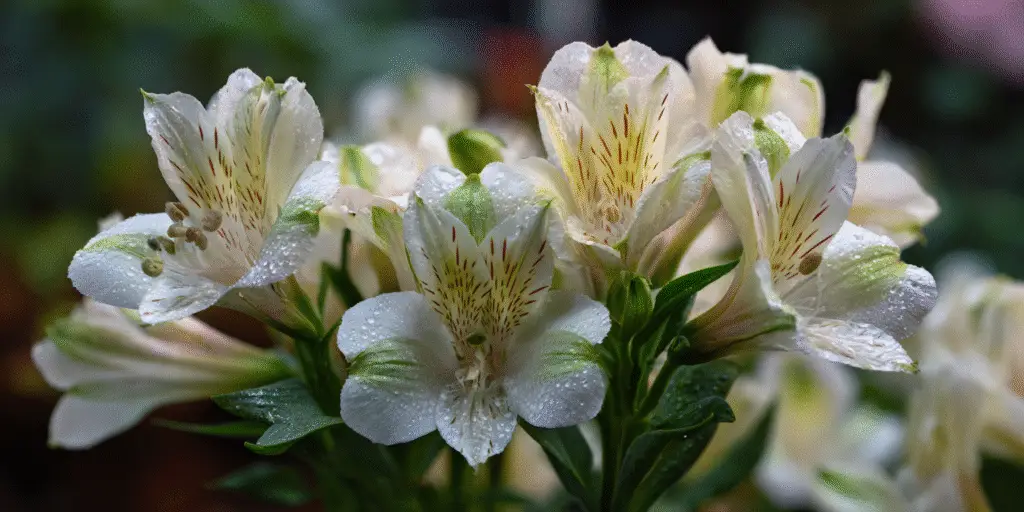
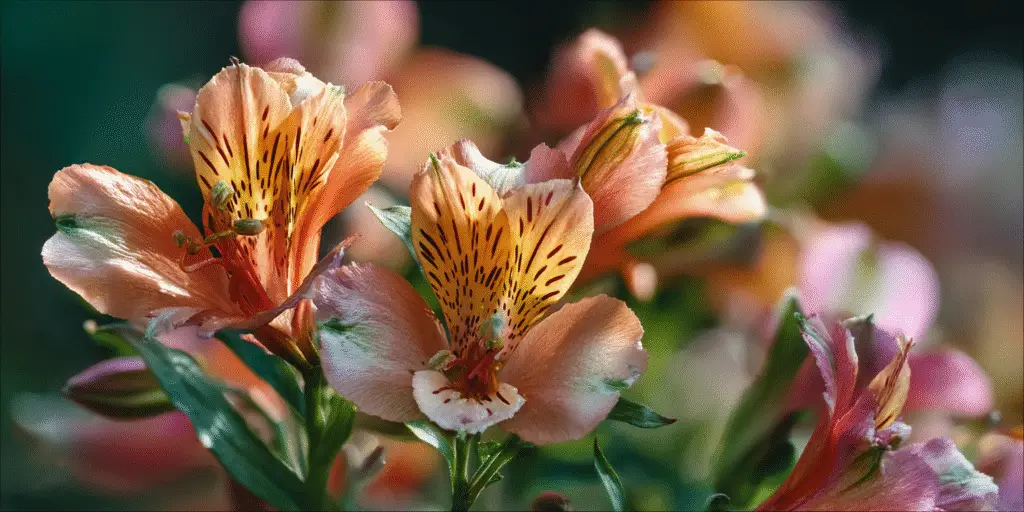
Alstroemeria ‘Sweet Laura’ is a hardy, fragrant garden hybrid with golden‑yellow flowers brushed orange. Its standout attribute is a noticeable sweet scent-unusual for alstroemerias-combined with strong stems and reliable cold tolerance. Bloom typically runs from late spring into late summer. It performs best in full sun to part shade with evenly moist, well‑drained soil. This selection is a good choice for northern gardens where many modern patio strains are only half‑hardy.
At‑a‑glance
Group/Class: garden hybrid (hardy selection)
Height × spread: 24-30 in × 18-24 in (60-75 cm × 45-60 cm)
Bloom window: late spring to late summer
Color & flower form: golden yellow with orange tips and flecks; lily‑like blooms
Fragrance: 2 noticeable
USDA hardiness: zones 5-9
Breeder / Year / Origin: Mark P. Bridgen et al., 1997, USA
Awards/registration: US Plant Patent PP10,030 (expired)
Pet safety: generally safe for cats and dogs
How it differs
Noticeably fragrant flowers (rare in the genus).
Colder‑climate hardiness compared with many patio series.
Strong, upright flowering stems for cutting.
Moderate spread-forms clumps rather than running.
Strengths
Fragrance plus color.
Good stem quality for arrangements.
Performs in cooler summer regions.
Blooms over an extended season with deadheading.
Care in one minute
Full sun to part shade; afternoon shade in hot summers.
Moist, well‑drained, organic‑rich soil; water evenly.
Light spring feeding; repeat monthly during heavy bloom.
Remove spent stems at the base to encourage rebloom.
Mulch in cold climates and avoid disturbing established clumps.
Watch‑outs
Can struggle in extreme summer heat and drought-provide afternoon shade and irrigation.
Slugs, snails and spider mites may occur.
Avoid frequent division; roots are brittle.
Best uses (tags)
cutting
borders
pollinators
cottage gardens
Provenance note
Developed by Mark P. Bridgen and colleagues; a controlled cross of Alstroemeria aurea × A. caryophyllaea. Patented in 1997 (PP10,030).