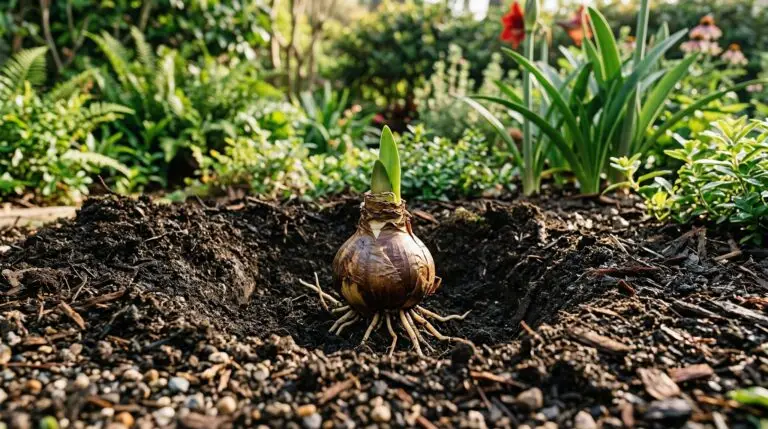
There is something almost unbelievable about holding a dormant amaryllis bulb in your hand. It feels heavy and dense, looking like nothing more than an oversized, papery onion with a tangle of dry roots at the base, yet it contains the blueprint for massive winter flowers. I always find myself checking the top of the bulb every morning after packing the rich, dark soil around its base, waiting for that first thick green tip to push through. When the bud finally emerges, it grows with surprising speed, sometimes adding an inch of height in a single day as it reaches for the nearest window. Watching that thick stalk rise while the world outside is frozen and gray is a ritual I look forward to every November. The anticipation builds for weeks until the papery sheath at the top swells, splits open, and reveals the tightly packed color hidden inside. Getting these to bloom indoors provides a kind of direct, tactile satisfaction that few other winter plants offer, turning a quiet corner of the house into a space full of life.
Contents 5 sections
Classic amaryllis colors and their meanings for gift giving
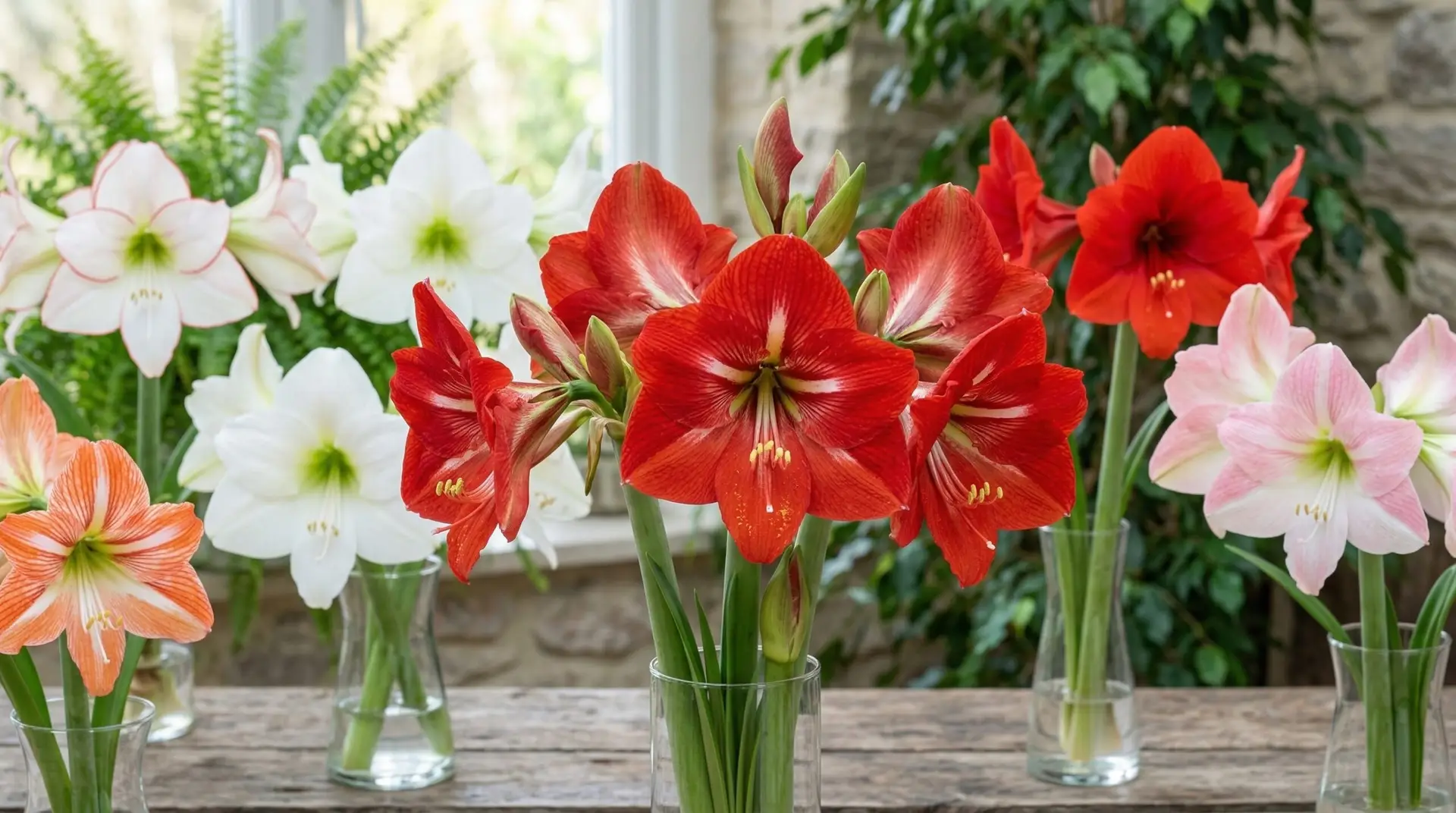
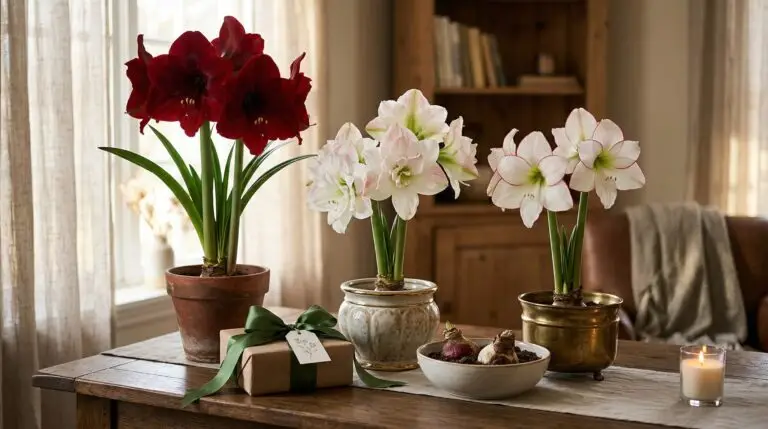
Choosing amaryllis colors often comes down to the mood you want to create in a winter room, as these massive blooms demand attention. The deep, velvety reds feel traditional and warm, making them the default choice for holiday gifts because they communicate affection and celebration. In the dim afternoon light of December, those dark red petals almost look black, absorbing the shadows in a room. I often give white varieties to friends who prefer a quieter aesthetic. The crisp white petals bring a sense of calm and fresh beginnings to a space. Pink blooms feel entirely different, offering a soft, almost spring-like energy that helps bridge the long gap between January and the actual arrival of spring outside. When I select a bulb to give as a gift, I think about how the recipient’s house looks and what kind of light they have in their living room. A bright orange or heavily striped variety brings a playful energy that fits perfectly in a busy, colorful kitchen. The sheer size of the flowers means the color you choose will dominate the space for weeks, so picking the right shade makes a significant difference in how the room feels.
The reliable favorites that never disappoint
When you start looking for the best amaryllis bulbs, you quickly encounter a few names that have dominated the market for decades. The Red Lion amaryllis earned its place as a staple because it produces enormous, deeply saturated crimson flowers that look exactly like the pictures on the box. I have grown Red Lion countless times, and it almost always sends up two strong stalks with four blossoms each. It is incredibly reliable for a mid-winter display. Apple Blossom is another classic that I make sure to plant every year, offering a completely different visual experience. The petals fade from a soft, watercolor pink at the edges to a pale apple-green throat. This gives the whole flower a delicate appearance that contrasts heavily with its massive size. Minerva offers a bold red and white star pattern that looks almost painted on, and it tends to bloom a bit earlier than my other bulbs, usually right around the holidays. These older amaryllis varieties remain popular because they have proven their vigor, forgiving minor mistakes with watering or light while still delivering a massive floral display that lasts for weeks.
Exploring exotic doubles and delicate picotee types
Once you experience success with the standard single blooms, it is hard to resist the pull of the more complex flower forms. Double amaryllis varieties produce layer upon layer of petals. They look almost like an oversized tulip that decided to keep opening until it filled the entire room. Varieties like Dancing Queen or Aphrodite carry so much weight in their ruffled blooms that they almost always require careful staking to keep the stalk from snapping under the pressure. I actually prefer the quiet elegance of the picotee types, which have pure white petals outlined with a razor-thin edge of bright red. The precision of that red margin draws you in close, forcing you to appreciate the fine details of the petal texture rather than just the overall size of the flower. Watching a picotee bud slowly unfurl reveals the colored edge first. This creates a beautiful spiral pattern before the petals fully open to show their pale green centers. These specialized forms demand a bit more attention to placement in the house, as you want them at eye level where you can really examine the petal structure and appreciate the unusual breeding.
The charm of miniature amaryllis bulbs
The giant, dinner-plate flowers get all the attention, but I have developed a deep appreciation for miniature amaryllis over the last few growing seasons. These smaller bulbs produce blooms that are only a few inches across, but they make up for their reduced size with sheer numbers and incredible grace. A single miniature bulb often sends up three or even four stalks simultaneously. This creates a dense cluster of flowers that looks much more proportional on a narrow windowsill or a small desk. The cybister types fall into this smaller category. These have incredibly narrow, spidery petals in strange shades of pale green, mahogany, and dark burgundy. They remind me of a delicate lily with their swept-back petals and long, prominent stamens extending far beyond the flower face. Because the flowers are lighter, the stalks rarely flop over. This eliminates the frustrating task of trying to tie up a heavy plant without ruining its natural appearance. I find myself recommending these smaller types to first-time growers exactly because they are so easy to manage and integrate into a normal room without taking over the entire table.
The honest reality of growing these winter bulbs
Growing these plants does come with a few frustrations that you have to accept as part of the process. The heavy yellow pollen from the anthers will stain anything it touches. I have ruined more than one good tablecloth before I learned to carefully snip the pollen sacs off the moment the flower opens. Sometimes a bulb will put all its energy into growing long, strappy leaves without ever producing a flower stalk, which is a massive disappointment after weeks of watching and waiting. The tall stalks also have a habit of leaning heavily toward the strongest light source. You have to rotate the pot a quarter turn every single day to keep the plant growing straight. Despite these quirks, the satisfaction of keeping the bulb alive through the summer, letting it rest in the fall, and coaxing it to rebloom the following winter makes it all worthwhile. Taking a bulb you bought years ago, repotting it in fresh soil, and seeing that thick green tip emerge again feels like a genuine accomplishment. It is that natural cycle of dormancy and explosive growth that keeps me clearing space on my winter windowsills year after year.
More About Amaryllis
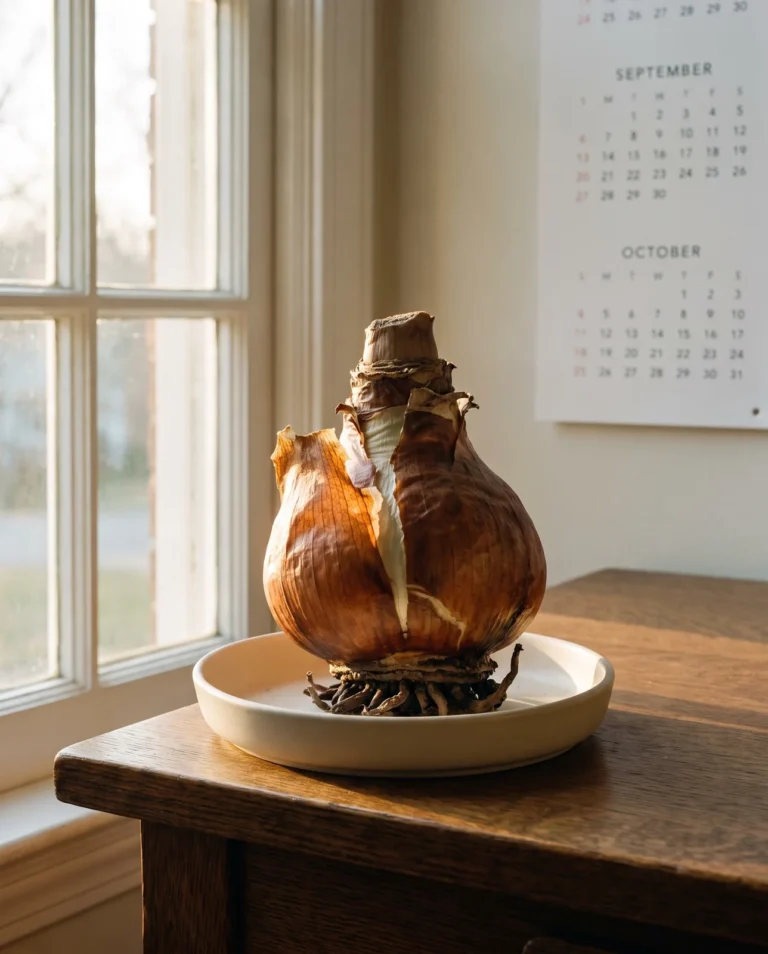
Amaryllis planting dates for Christmas and Thanksgiving
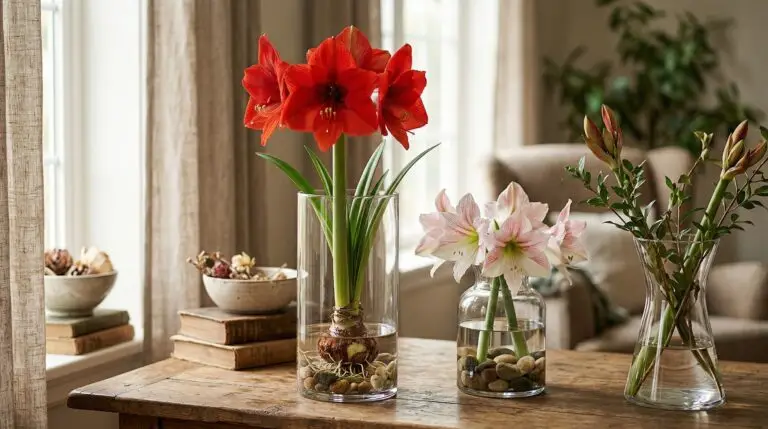
Creative ways to display amaryllis bulbs as winter home decor
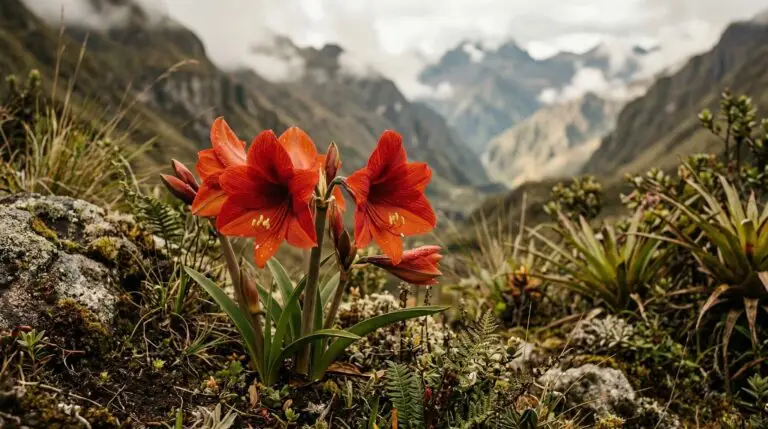
The fascinating history of amaryllis from South American wildflower to holiday tradition
How to grow amaryllis outdoors in warm climates for year-round garden color
Common amaryllis problems including leaning stalks and split bulbs
How to force amaryllis bulbs to bloom indoors for the holidays
Amaryllis gift ideas and how to choose the perfect bulb for someone special
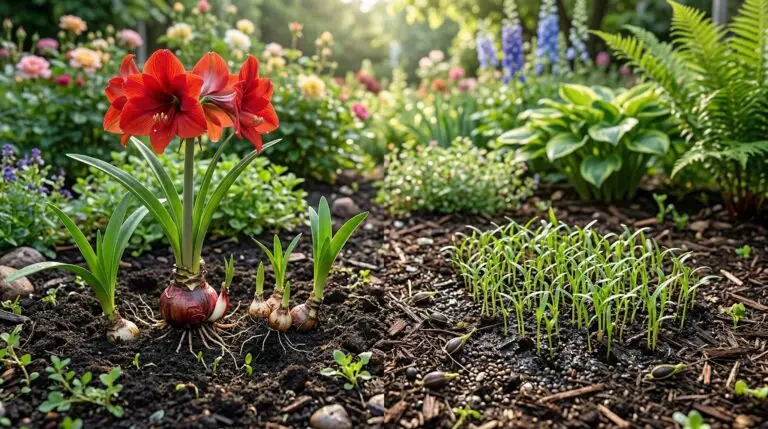
How to propagate amaryllis from offsets and seeds for a growing collection
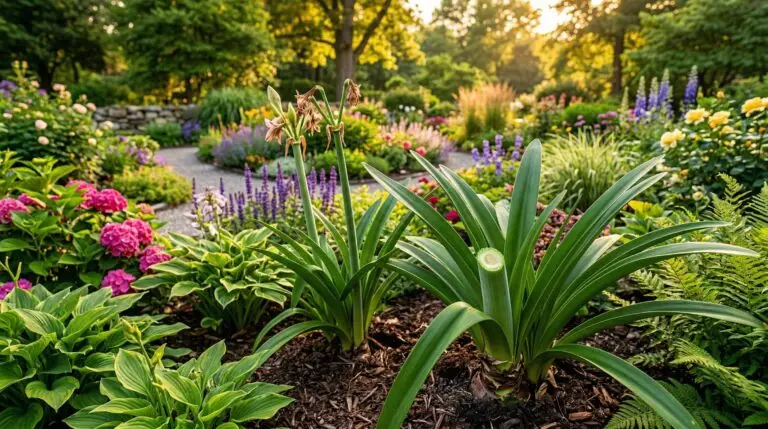
What to do with amaryllis after it finishes blooming so it flowers again next year
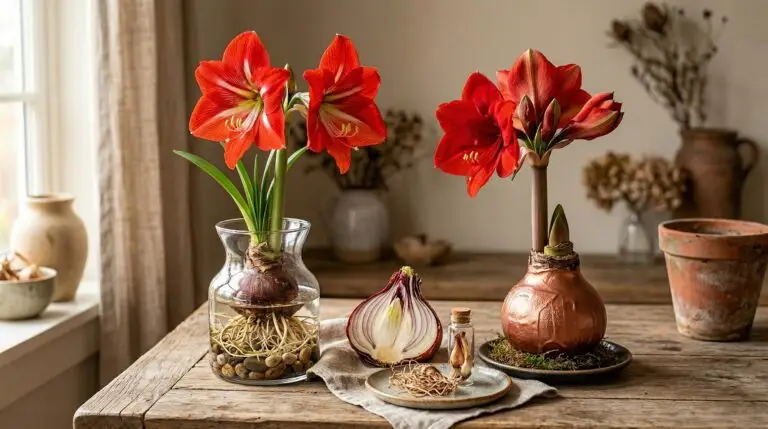
Growing amaryllis in water with no soil using the waxed bulb method
Enjoying our flower guides? Add YourFlowersGuide as a preferred source on Google. It helps more readers find us.
Add to Preferred Sources