How to Grow and Care for Anthurium
Contents
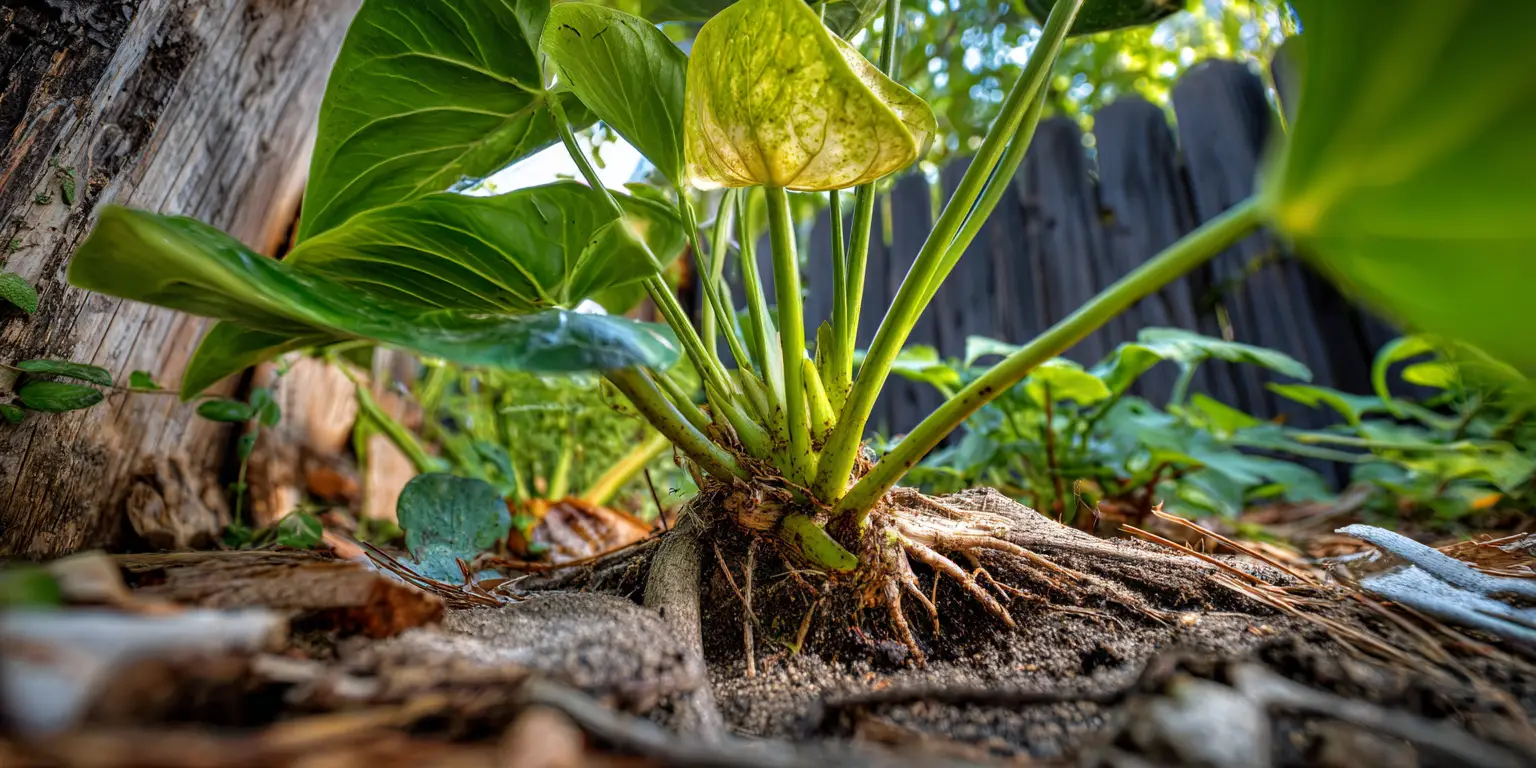
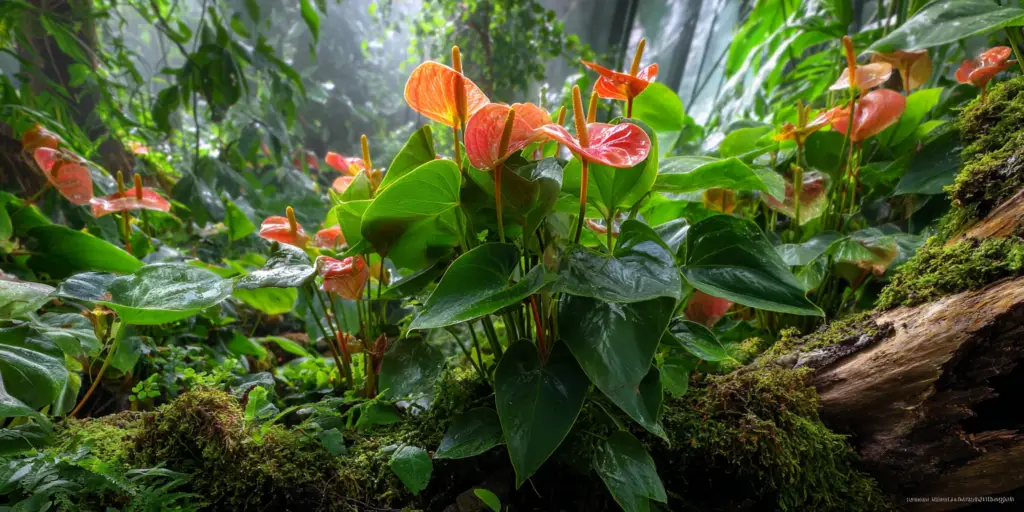
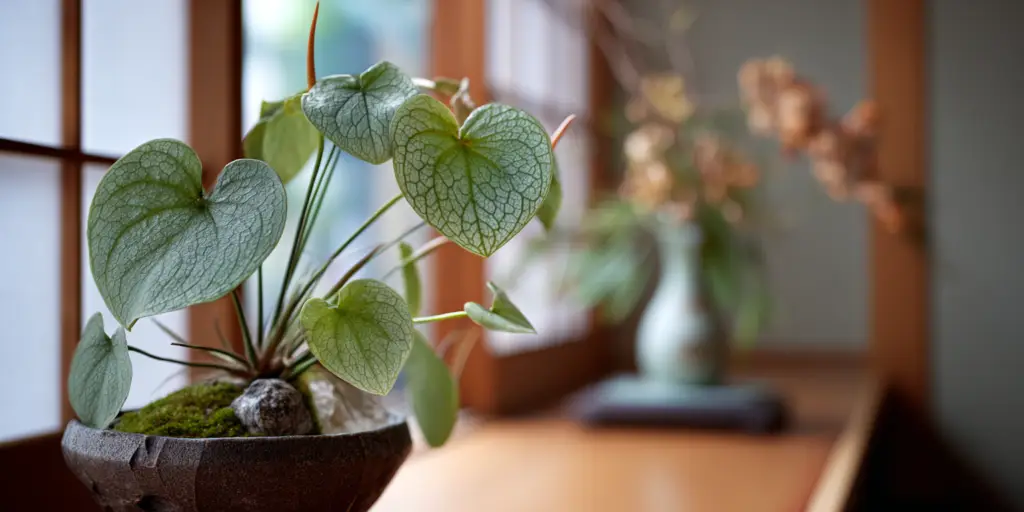
Anthurium is a tropical aroid grown for glossy heart shaped leaves and long lasting spathes that look like waxy flowers. The florist types are forms and hybrids of the accepted species name Anthurium andraeanum. Common synonyms include flamingo flower, flamingo lily, tailflower, laceleaf, and painter’s palette. The genus is native to Central and South America where many species live as epiphytes on trees. Hardiness overview: In the continental United States these plants are best treated as houseplants or seasonal patio plants except in frost free areas. They are generally hardy outdoors only in USDA Zones 11 to 12. In Zones 9 to 10 they may be set outside during warm months and moved indoors before nights cool. Ideal sunlight: These plants thrive in bright indirect light indoors and filtered shade outdoors. Direct midday sun can scorch the foliage. Morning sun through a sheer curtain or a bright east or north window suits them well. Snapshot of success: Give laceleaf an airy potting mix that drains quickly, keep temperatures in the warm range from 65 to 85°F (18 to 29°C), water thoroughly then let the top of the mix dry slightly, and maintain medium to high humidity. Feed lightly during active growth. With that combination the colorful spathes can cycle repeatedly through the year. For color ideas and combinations across your garden and home, see our hubs on types of flowers, pink flowers, white flowers, and purple flowers.
Soil & Bed Preparation
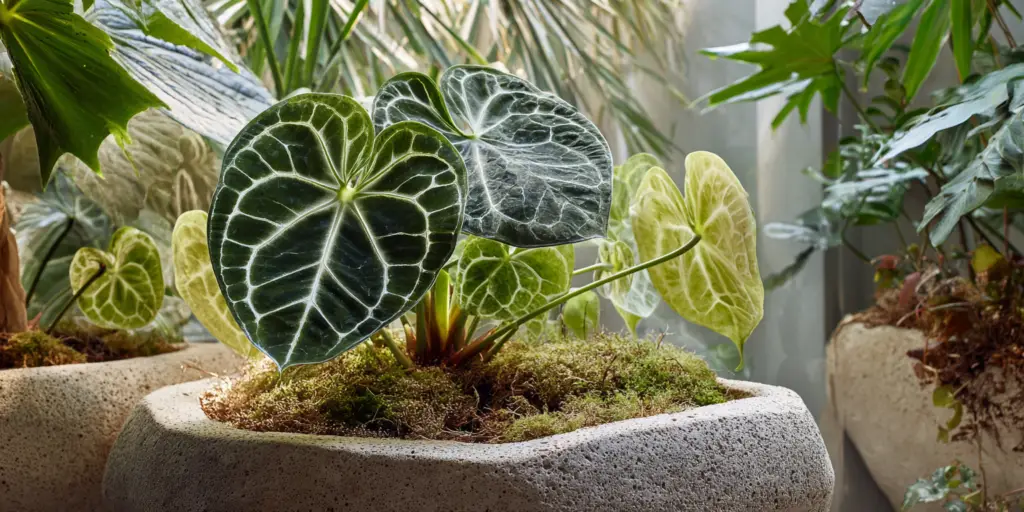
Texture and drainage: Because many species are epiphytic, roots require abundant air. Use a chunky, well drained potting medium rather than heavy garden soil. A reliable approach is a soilless aroid style mix built from fine orchid bark or pine bark chips blended with peat or coco coir and an inert aerator such as perlite. The goal is a mix that holds moisture but never stays soggy. For landscape planting in frost free zones, amend beds generously with coarse organic matter to mimic that airy structure. pH range. Slightly acidic to neutral is best. Aim for a substrate pH near 6.0 to 6.5. Mixes that drift high in pH can lock up iron and other micronutrients, which shows as interveinal chlorosis on newer leaves. How to test and correct: Use a home soil pH kit for quick checks or send garden soil to your state Cooperative Extension lab. If pH is above target, incorporate elemental sulfur as directed by a soil test. If pH is low, small amounts of dolomitic lime raise pH and supply calcium and magnesium. Always recheck after several weeks because pH adjustments are gradual. Raised beds vs in ground: In coastal or high rainfall areas, raised beds improve aeration and reduce waterlogging. In arid regions, sun and wind increase evaporation from raised beds, so deeper organic mulches help retain moisture. In ground planting is reasonable only where winters are frost free and soil drains well. If you grow foliage types: Large veined foliage species used by collectors often prefer even chunkier mixes with more bark and larger perlite. The same principles apply. Keep air around the roots and avoid compaction. Drainage Test and pH Targets. Quick percolation test for outdoor beds: Dig a 12 inch deep by 12 inch wide hole. Fill it with water and let it drain completely to saturate the surrounding soil. Refill to a measured depth and time the drop. A drainage rate of about 1 to 3 inches per hour is desirable for most ornamental plants. Slower than 1 inch per hour suggests poor drainage that needs amendment, and very fast rates above 4 inches per hour indicate very sandy soil that will benefit from extra organic matter. Targets: For laceleaf beds aim for that 1 to 3 inches per hour result and keep bed mixes at pH 6.0 to 6.5. For containers measure pH with a potting mix probe or use fresh bagged components with labeled pH in the correct range.
Planting Calendar by USDA Zone
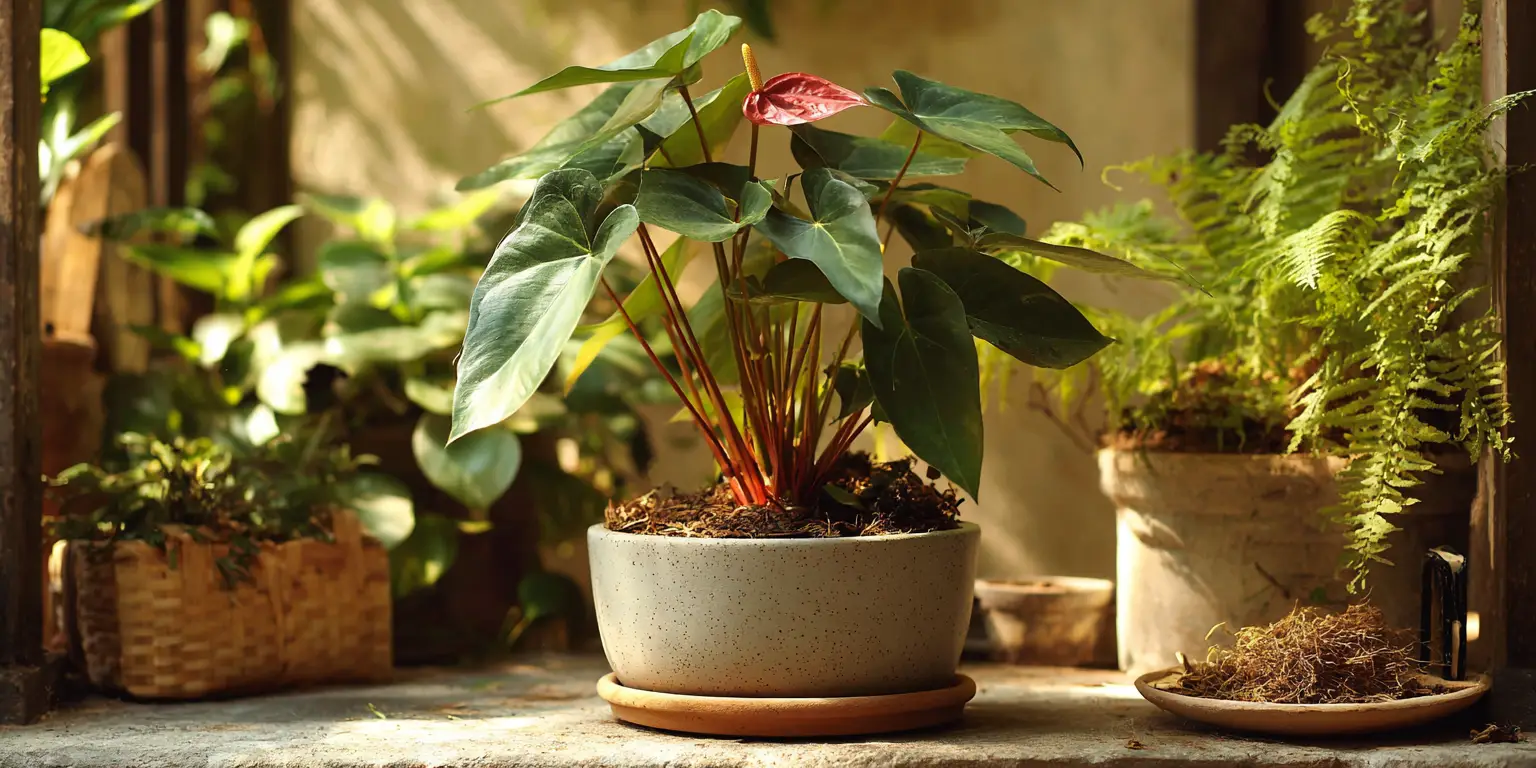
Zones 3 to 7: Grow as a houseplant year round. Move containers outdoors only when nights stay at or above 60°F (16°C). Set plants back indoors well before nights drop below that mark. Expect the longest flowering cycles in late spring through early fall when days are bright and warm. Zones 8 to 9: Treat as a houseplant that vacations outdoors. Move pots outside after the last frost date once nights are consistently above 60°F. Park in bright open shade such as a porch or under light tree canopies. Bring back indoors before the first fall frost or sooner if nights fall below 60°F. Zone 10: In milder Zone 10 microclimates these plants can be grown outdoors in filtered shade with shelter from wind and cool snaps. Be ready with frost cloth for unusual cold events and expect best performance when winter lows stay above 55°F (13°C). Zones 11 to 12: Plant outdoors year round in dappled light under taller trees or in lath shade. Provide thick organic mulch and irrigation during dry periods. Inland sites with reflected heat may still require afternoon shade. Bare root vs container windows: Florist types are rarely sold bare root. Plant container grown specimens any time indoors. For outdoor beds in frost free zones, the best window is late spring through early summer when soil is warm. Divisions: Divide clumps in late spring to mid summer when days are long and growth is steady. This timing minimizes transplant stress and helps cut surfaces dry quickly. Regional caveats. Hot humid Gulf and Atlantic coasts: Emphasize excellent airflow to limit foliar fungi and bacterial leaf spots. Arid and high elevation regions: Provide higher humidity through grouping plants, using pebble trays, or a room humidifier. Shield plants from desiccating winds. Coastal salt exposure: Avoid direct salt spray and use captured rainwater or filtered water if tap water is very hard.
Planting: Depth & Spacing
Container grown. Depth: Set the plant so the crown sits level with the surface of the potting mix. Do not bury petiole bases or the crown since that invites rot. Firm the mix gently around roots to eliminate large voids. Pot size: Choose a snug pot. These aroids bloom well when slightly pot bound. A mature flowering plant typically thrives in an 8 to 10 inch container holding roughly 2 to 3 gallons of mix. Step up one pot size only when roots circle tightly. Spacing: For multiple plants on a bench, allow at least 12 to 18 inches between pots for airflow. Indoors, do not overcrowd tabletop groupings. Acclimation and shock prevention: Keep the root ball evenly moist before and after repotting. Place the plant in bright open shade for a week, then move to its brighter long term spot. Avoid the temptation to overpot or to overwater right after transplanting. Bare root or divisions. Depth: Position divisions so new growth points sit just above the medium. Dust large cut surfaces with cinnamon or simply allow them to air dry for several hours before planting. Spacing: In outdoor mass plantings in frost free climates, place plants 12 to 18 inches apart. This spacing encourages a continuous carpet while keeping foliage dry after irrigation. Bulbs or tubers: Anthurium is not a bulb, tuber, corm, or rhizome crop in the usual garden sense. It grows from a short stem that lengthens and produces nodes and roots. The same shallow planting principles apply across types.
Watering & Mulching
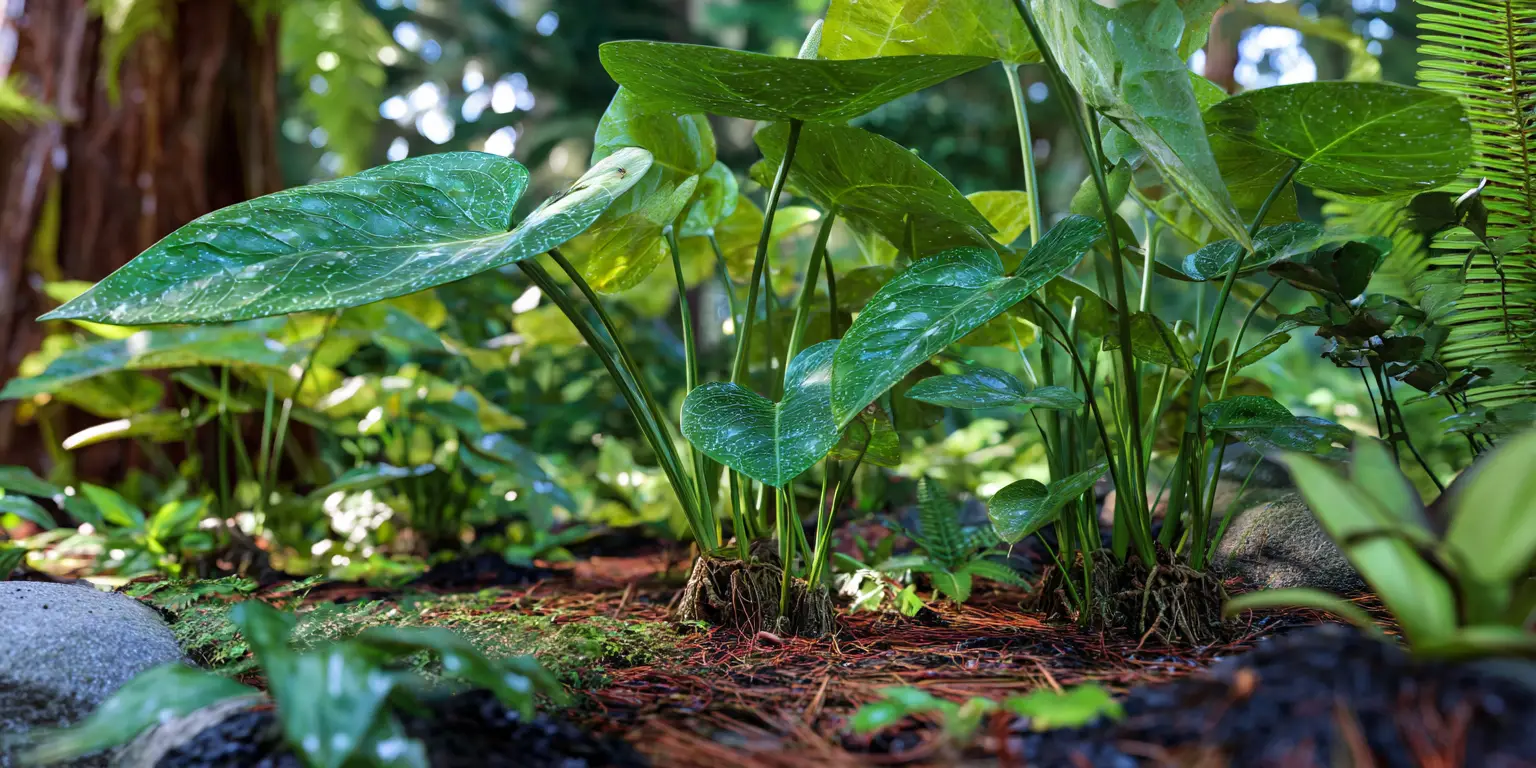
Establishment vs mature schedules: After planting, water thoroughly until excess drains from the pot or until the bed is uniformly moist to a depth of 6 inches. For indoor plants, water again when the top inch of mix feels dry. The pattern is soak and then allow a partial dry down rather than keeping the mix constantly wet. Mature plants in warm bright rooms may need water every 5 to 7 days. Cooler rooms and winter light reduce demand. Outdoors in Zones 11 to 12, irrigate when the top few inches of soil dry, then water deeply. Mulch types and thickness: For outdoor beds, maintain a 2 to 3 inch layer of organic mulch such as fine bark, shredded leaves, or pine straw. Keep mulch pulled back a couple of inches from the crown so petiole bases stay dry. Indoors you can top dress containers with a very thin layer of fine bark for aesthetics, but avoid heavy decorative stones that trap moisture and impede gas exchange. Preventing crown or root rot: The combination of tight pots, cool temperatures, and heavy mixes causes trouble. Keep plants warm, give them light, use an airy medium, and let the surface dry slightly between waterings. Always empty catch saucers so pots do not sit in runoff. Heat spikes and prolonged drought: During heat waves above 90°F (32°C) move containers out of direct sun to open shade and increase humidity with a room humidifier or pebble trays. In outdoor beds, irrigate deeply early in the morning and refresh mulch to reduce evaporation. Salinity and hard water notes: Sensitive leaves can develop brown tips when dissolved salts build up. If your tap water is very hard or you notice white crust on the pot rim, switch to rainwater, distilled, or filtered water and leach the pot every few weeks by running water slowly through the mix for several minutes.
Feeding
Timing and ranges: These plants are light to moderate feeders. Indoors during active growth from spring through early fall, apply a dilute water soluble fertilizer once a month. Outdoors in frost free zones or in bright warm sunrooms, a controlled release formulation is convenient. N-P-K guidance: Balanced formulations work well for foliage and roots. Commercial production guidelines often start with a nitrogen forward blend near a 3 to 1 to 2 ratio early in growth, then use a ratio closer to 1 to 2 to 2 to encourage flowering. For home culture a general purpose houseplant product used at quarter to half label rate is sufficient. Avoid frequent heavy applications of high nitrogen feeds since that pushes foliage at the expense of spathes. When to skip fertilizer: Do not feed stressed, cold, dry, or recently repotted plants. Wait until active growth resumes. In winter low light, reduce or pause feeding until days lengthen. Soil biology pointers: In outdoor beds work in 2 to 3 inches of compost before planting to build structure and microbial activity. In containers, a small percentage of fine compost or worm castings can be blended into the soilless mix, but keep the overall structure coarse and well aerated. Retest potting mix pH or outdoor bed pH annually if you irrigate with alkaline water.
Pruning & Support
Seasonal cleanups: Remove spent inflorescences by cutting the stalk near the base once the spathe fades and the spadix dulls. Trim yellowing or tattered leaves at their base. Avoid removing healthy leaves because foliage supports future blooms. Deadheading specifics: Old inflorescences can be left to set decorative berries, but this slows new bloom cycles. Cutting them promptly keeps the plant focused on new growth. Structural support: Tall flower stalks sometimes lean. A slender stake and soft tie prevent breakage without spoiling the look. Rotate containers a quarter turn every week to even out growth. Tool hygiene: Wipe pruners with 70 percent isopropyl alcohol between plants. This quick step limits the spread of pathogens and avoids the corrosion issues that come with bleach solutions.
Overwintering
Mulch strategy for landscapes: In Zones 11 to 12 keep a 2 to 3 inch mulch blanket in place year round to moderate soil temperature and conserve moisture. In rare cool snaps, drape frost cloth loosely over plants overnight and remove it in the morning. Freeze to thaw management: The foliage shows chilling injury well above freezing. If nights threaten to dip below 55°F (13°C), protect containers and plants in beds. For potted specimens in all other zones, bring them indoors long before frost arrives. Acclimate by moving from shade outdoors to bright shade indoors for a week, then place near a bright window. Indoor winter care: Aim for room temperatures of 70 to 85°F (21 to 29°C) by day and no cooler than 60°F (16°C) at night. Increase humidity to the 50 to 70 percent range if possible. Reduce watering frequency to match slower growth and provide bright indirect light with supplemental grow lights if windows are dim. Rodent protection: Not typically required for these plants. If you overwinter in a garage or shed, keep any plant benches clean and remove dropped leaves that can attract pests.
Growing Environments
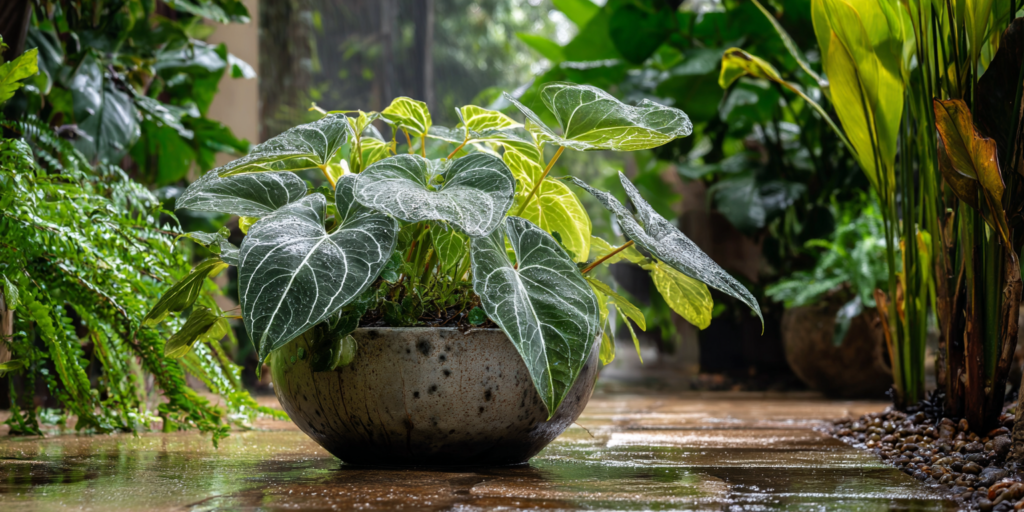
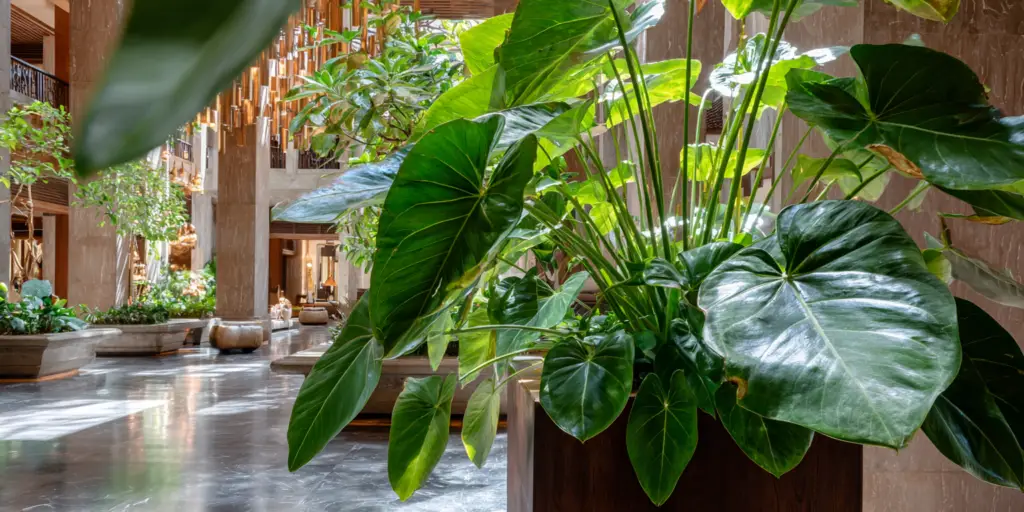
Containers and minimum volume: A compact, well rooted plant performs in a 6 to 8 inch pot that holds about 1 to 2 gallons of mix. Large flowering cultivars benefit from 8 to 10 inch pots with 2 to 3 gallons of mix. Always select containers with multiple drainage holes. Potting mix recipe: Combine fine pine bark, peat or coco coir, and perlite in roughly equal parts by volume. For very dry homes increase peat or coco slightly to improve moisture holding. For very humid homes increase bark to boost air. Refresh the top inch annually and repot every two to three years or when roots mat on the surface. Microclimate tips. Shade: Brighten a north window by pulling the plant forward so eaves do not block sky light. Wind: Protect outdoor plants from dry, gusty winds that sap humidity. Reflected heat: Keep containers away from west facing walls and stone patios that radiate afternoon heat. Where they shine: These plants bring gloss and structure to indoor groupings. Pair them with foliage textures like ferns and calatheas, and with flowering accents from roses or tulips in cut arrangements for events referenced in our wedding flowers guide.
Companion Planting & Design
Hide the gaps and extend color: In frost free gardens under light tree shade, combine laceleaf with bromeliads, caladiums, and gingers. The bold leaves contrast nicely with fine textured ferns. Use variegated groundcovers to brighten shade while the spathes rest between cycles. Indoors, group with plants that enjoy similar bright indirect light and moderate to high humidity. Pollinator friendly options: Outdoors in the tropics, nearby nectar sources such as pentas and salvias support butterflies and hummingbirds, which adds motion and color. In indoor settings, the spadix does not serve pollinators, so rely on companion cut flowers to create seasonal displays. Spacing for airflow: Whether indoors or out, leave at least 12 inches between plant canopies. Good spacing speeds leaf drying after irrigation and reduces leaf spot problems. Design notes: Use single plants in minimalist white cachepots for modern rooms or mass three plants in a low bowl for a lush centerpiece. Color choices range from clear reds and whites to pinks and near purples, which makes it easy to echo themes from pink flowers or white flowers features across your home.
References
- University of Florida IFAS Gardening Solutions: “Anthuriums.”
University of Florida IFAS Extension EDIS: “Cultural Guidelines for Commercial Production of Interiorscape Anthurium (EP159).”
North Carolina State University Extension: “Anthurium andraeanum.”
North Carolina State University Extension: “Anthurium.”
Missouri Botanical Garden: “Anthurium andraeanum – Plant Finder.”
ASPCA Animal Poison Control Center: “Flamingo Flower.”
Written by: Your Flowers Guide editorial team
We are a small independent group of flower lovers who research and review each guide using trusted horticultural and educational sources. Learn more about us