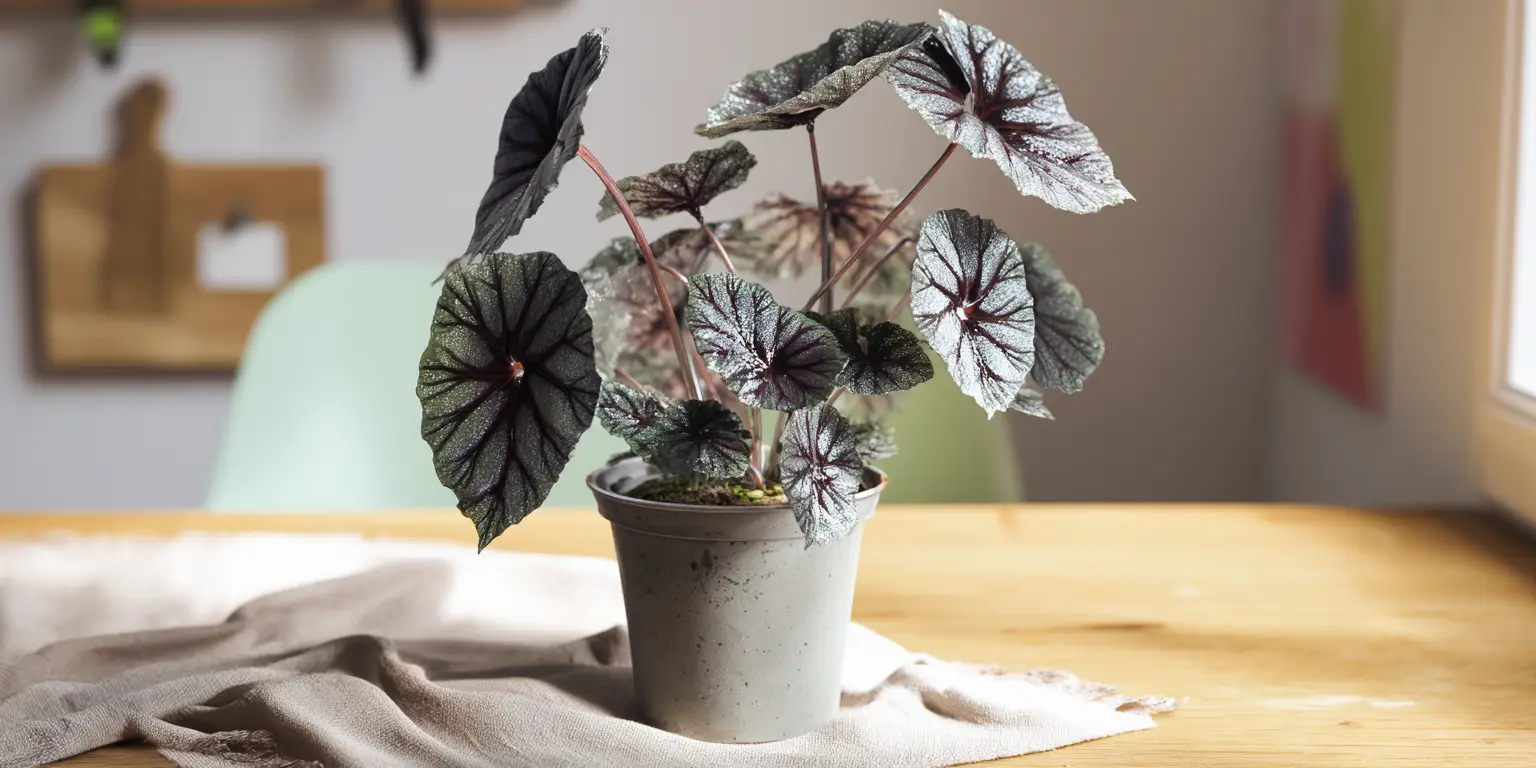
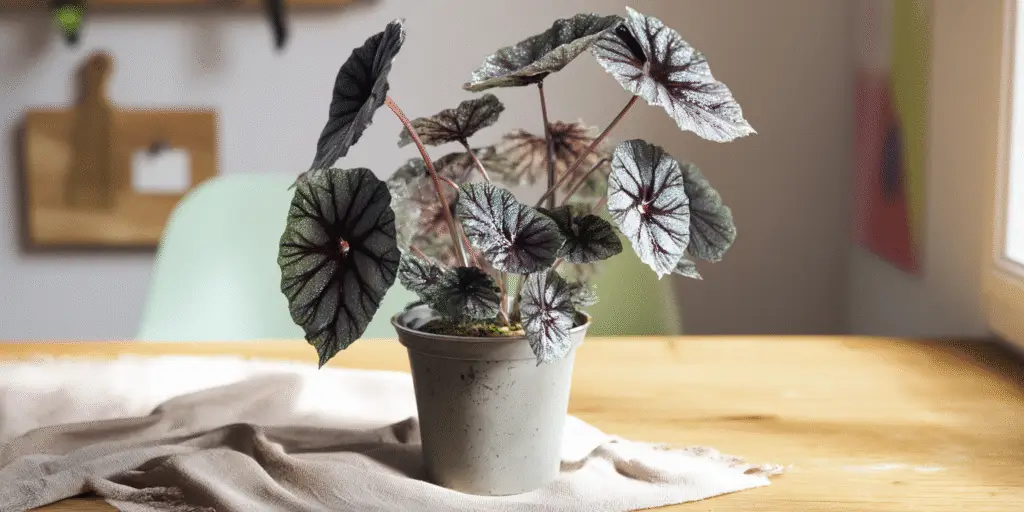
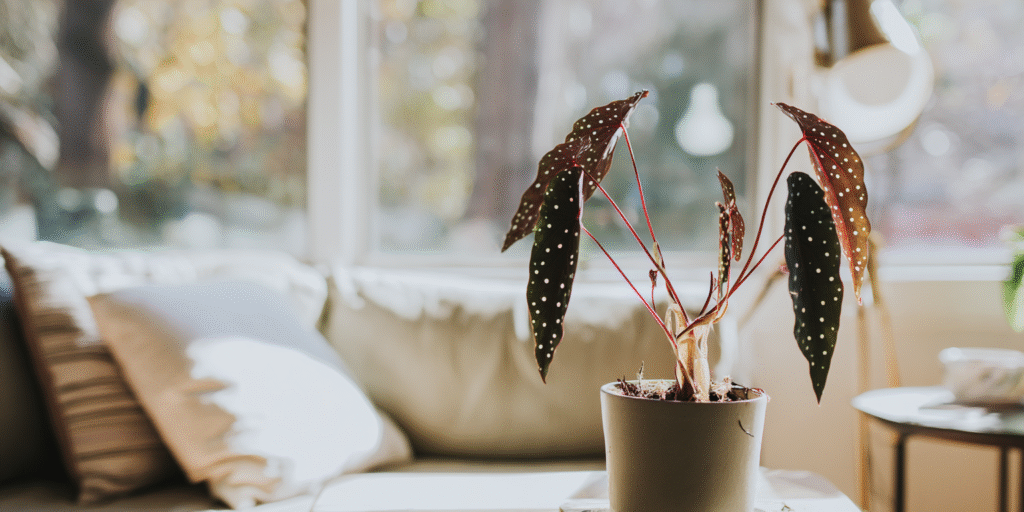
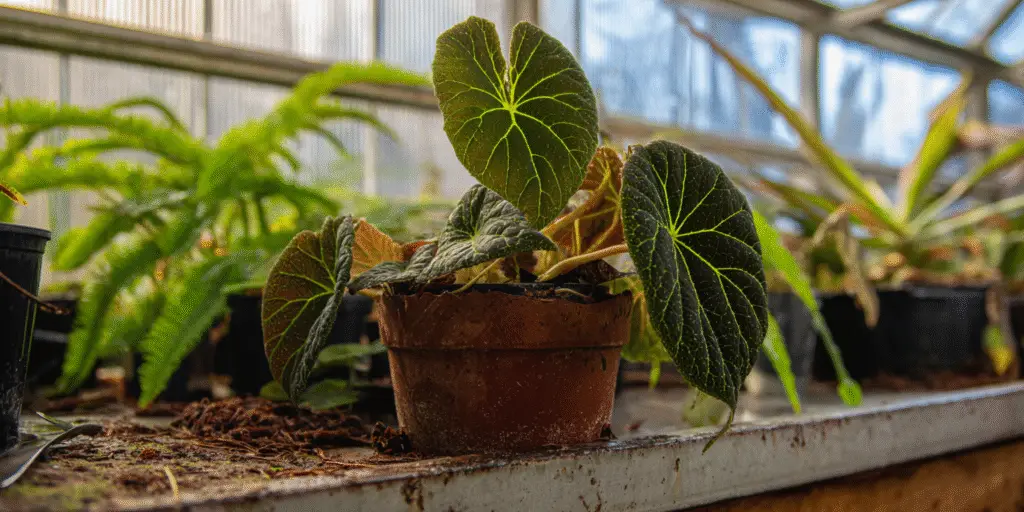
Rex begonias are rhizomatous selections grown primarily for bold, patterned foliage. Plants stay compact and mound to about a foot tall, making striking accents for shaded containers or indoor displays. Flowers are small and not showy; foliage is the feature. They prefer bright indirect light, evenly moist but well‑aerated media, and high humidity. Outdoors they are frost tender and usually treated as houseplants across North America.
At‑a‑glance
Group/Class: Rex‑cultorum Group
Height × spread: 12-18 in × 12-18 in (30-45 cm × 30-45 cm)
Bloom window: winter; flowers not showy
Color & flower form: Showy leaves in green, silver, burgundy; small pink flowers
Fragrance: 0 none
USDA hardiness: zones 10-11; commonly grown indoors elsewhere
Breeder / Year / Origin: unknown; selections derived from Begonia rex and allied species
Pet safety: avoid
How it differs
Grown for foliage rather than flowers.
Rhizomatous habit with creeping stems.
Needs bright, indirect light and steady humidity.
Leaves scorch in direct sun more readily than many begonias.
Strengths
Dramatic leaf colors and patterns.
Compact size for containers and indoor use.
Responds well to division and rhizome cuttings.
Care in one minute
Site: bright, indirect light or open shade; avoid midday sun.
Soil and pH: airy, well‑drained potting mix; neutral to slightly acidic.
Water: let the top 0.5-1 in of mix dry before watering; keep leaves dry.
Feeding: light, regular feeding in spring and summer.
Grooming: remove tired leaves; divide rhizomes to renew plants.
Overwintering: grow indoors except in zones 10-11.
Watch‑outs
Powdery mildew and botrytis possible in stagnant, humid air.
Prone to rot if media stays wet; water when the surface dries.
Written by: Your Flowers Guide editorial team We are a small independent group of flower lovers who research and review each guide using trusted horticultural and educational sources. Learn more about us