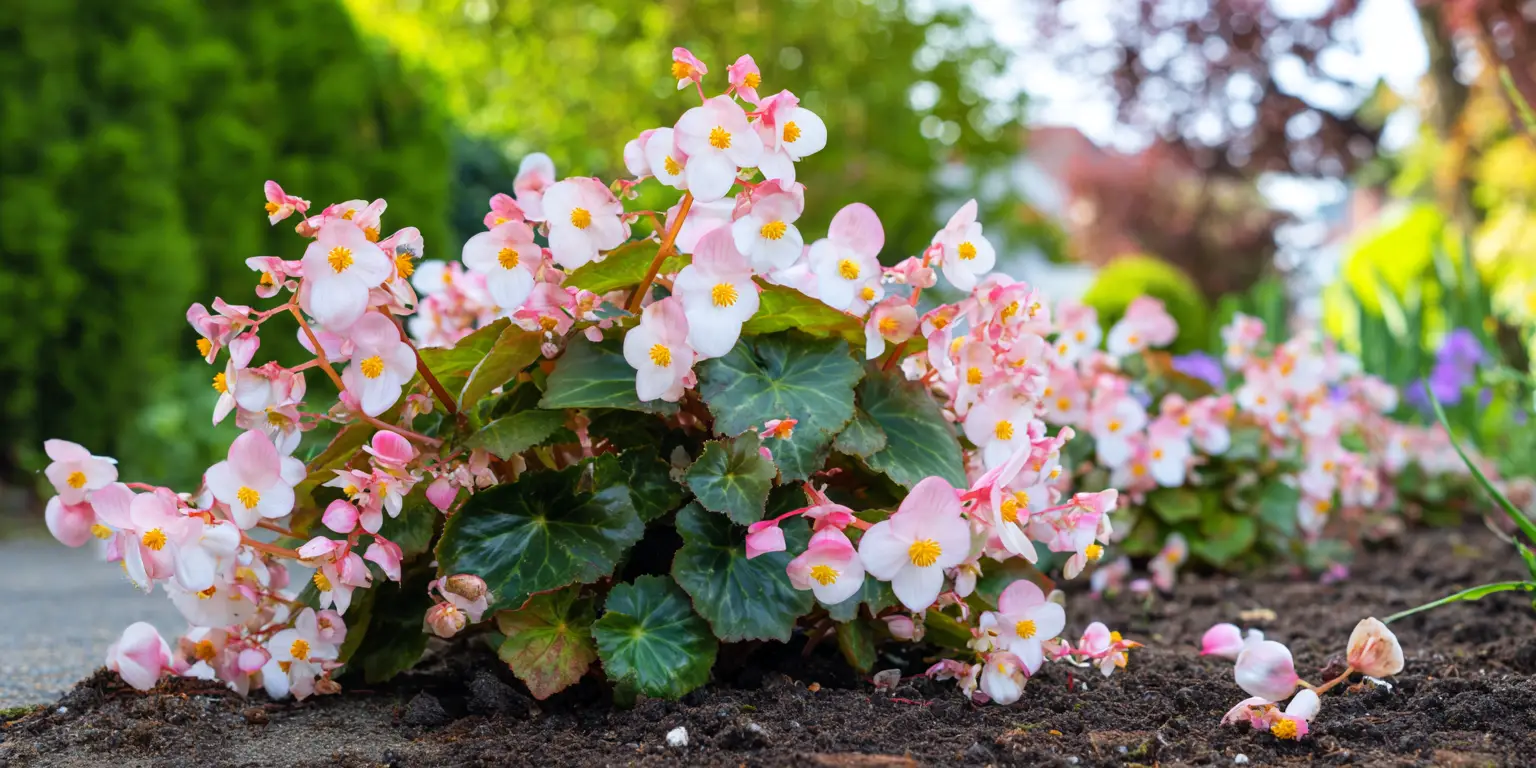
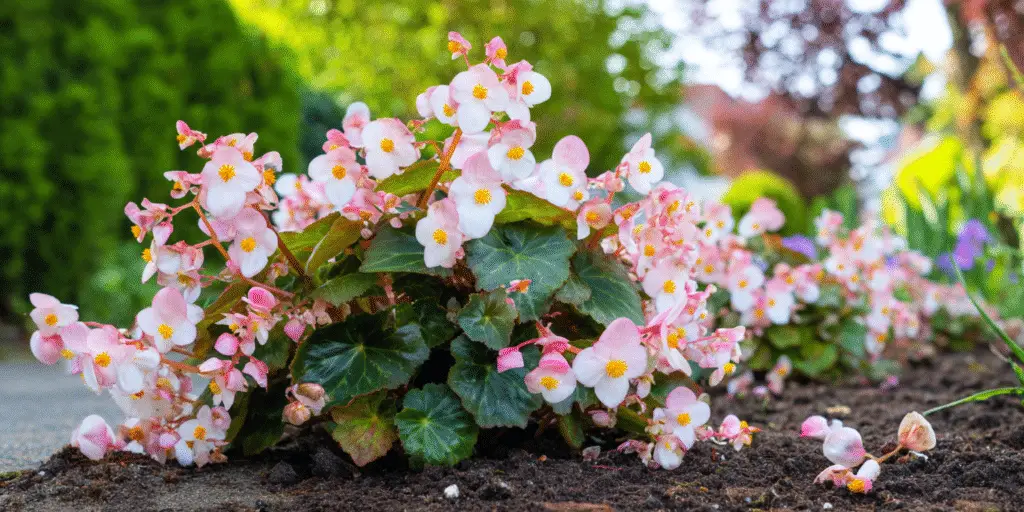
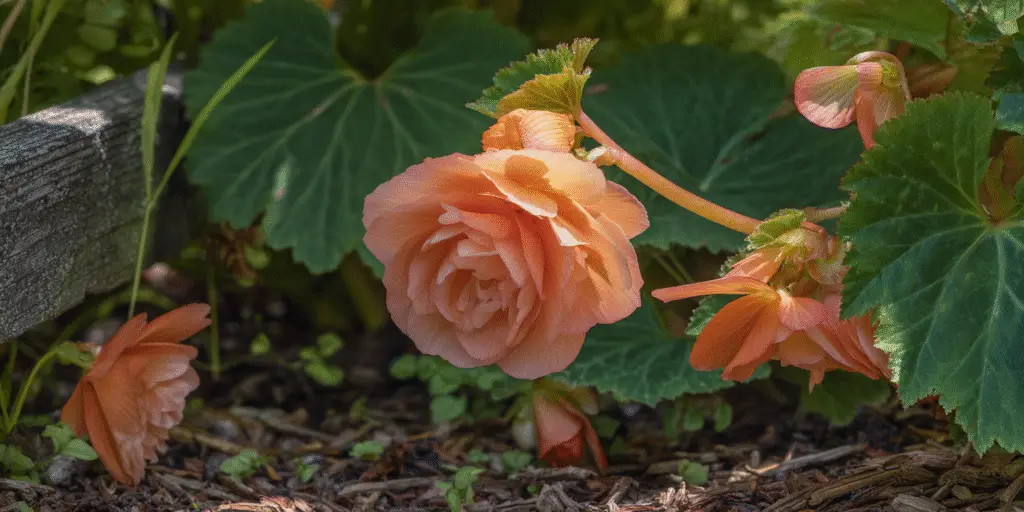
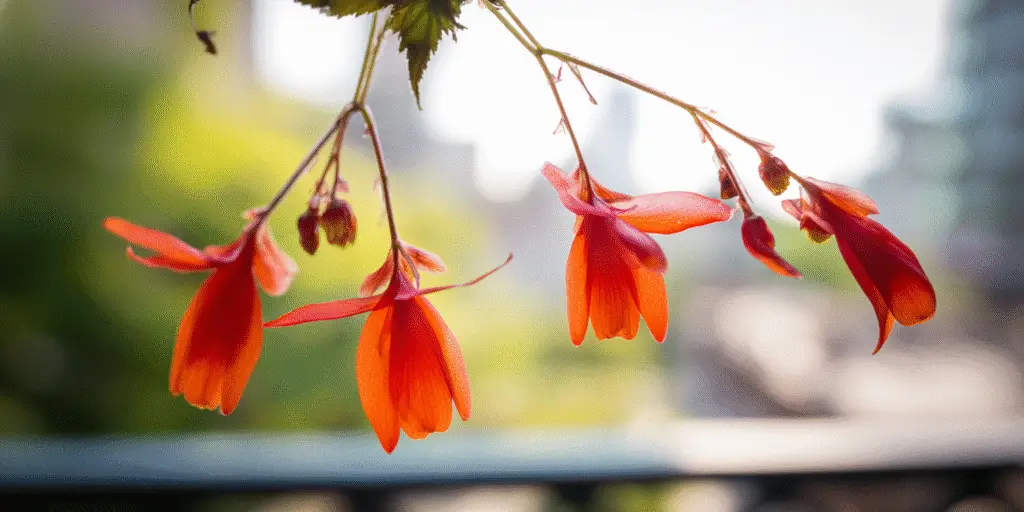
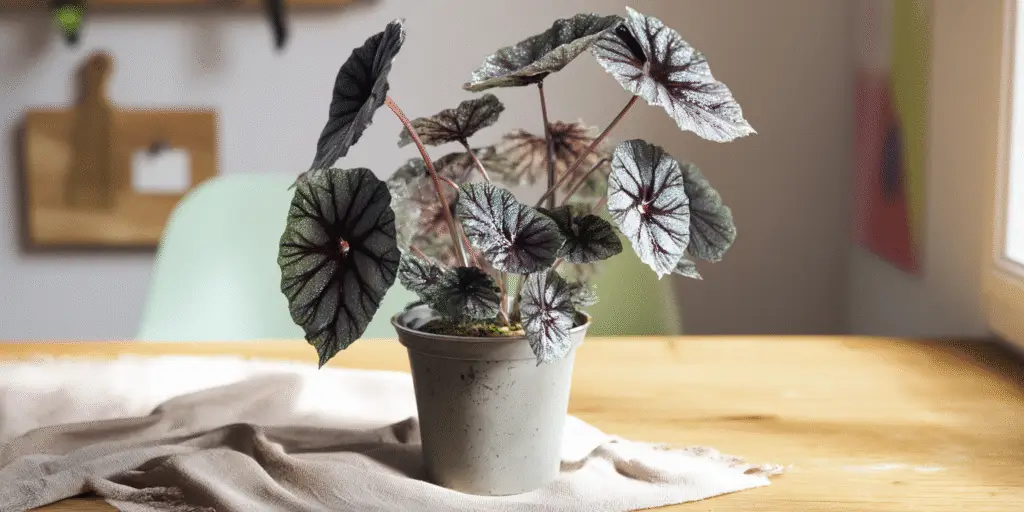
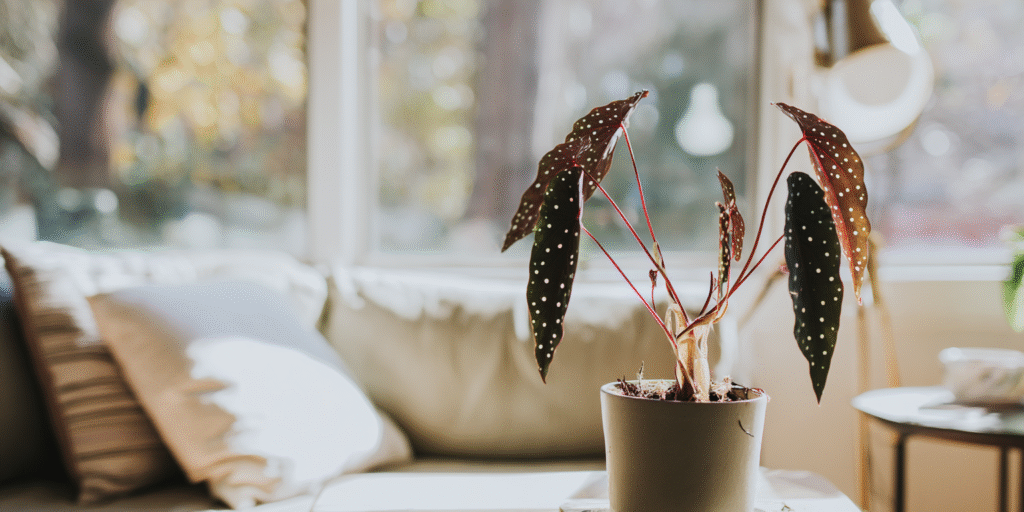
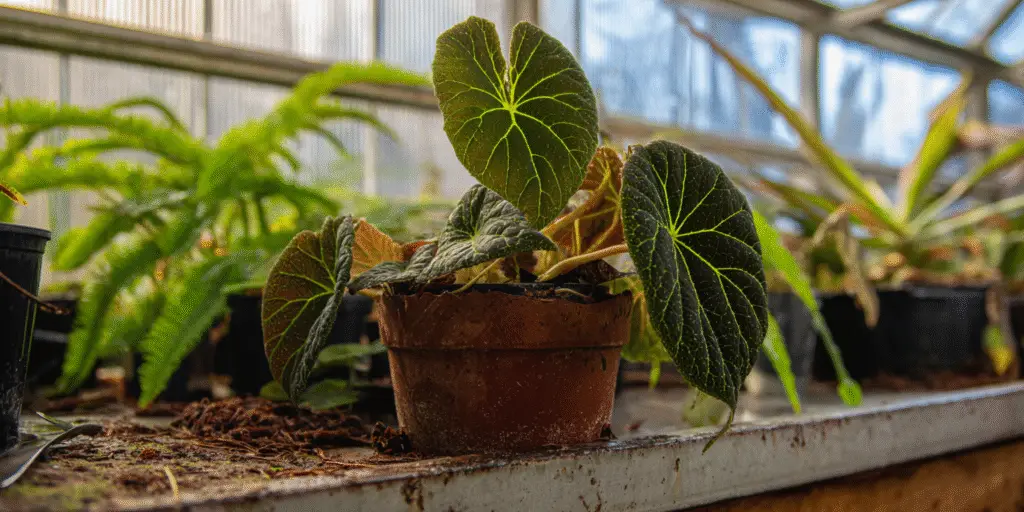
This is the wax begonia group of fibrous‑rooted bedding begonias grown for nonstop color in beds and pots. It stands out for reliable bloom from late spring to frost with little deadheading. Plants show a compact, mounded habit suited to edging and containers. They perform best in part shade with evenly moist, well‑drained soil. Bronze‑leaf forms tolerate more sun than green‑leaf forms when regular moisture is provided. In most of North America it is grown as a warm‑season annual; it can persist outdoors only in frost‑free areas.
At‑a‑glance
Group/Class: Semperflorens Cultorum Group
Height × spread: 6-12 in × 6-12 in (15-30 cm × 15-30 cm)
Bloom window: May to October
Color & flower form: White to pink to red; single or double
Fragrance: 0 none
USDA hardiness: grown as annual in most of North America; perennial in zones 10-11
Breeder / Year / Origin: unknown
Pet safety: avoid
How it differs
More sun‑tolerant than many begonias when moisture is consistent.
Compact, fibrous‑rooted plants rather than tuberous or rhizomatous forms.
Flowers continuously without routine deadheading.
Bronze‑leaf cultivars handle brighter sites better than green‑leaf types.
Strengths
Dependable bedding annual with season‑long color.
Adapts to sun to part shade with adequate moisture.
Neat, low habit for edging and containers.
Care in one minute
Site: morning sun to part shade; give afternoon shade in hot summer regions.
Light: full sun to part shade; bronze‑leaf types take more sun.
Soil and pH: rich, well‑drained, slightly acidic to neutral potting or garden soil.
Water: keep evenly moist; avoid waterlogging.
Feeding: light, regular feeding during active growth.
Grooming: pinching can thicken plants; deadheading usually unnecessary.
Overwintering: treat as annual outdoors except in zones 10-11.
Watch‑outs
Frost tender; even light freezes will damage plants.
Can scorch in hot afternoon sun, especially green‑leaf forms.
Prone to botrytis or powdery mildew in humid, stagnant air.
Root and stem rot possible in poorly drained soils.
Written by: Your Flowers Guide editorial team We are a small independent group of flower lovers who research and review each guide using trusted horticultural and educational sources. Learn more about us