How to Grow and Care for Begonia
Contents
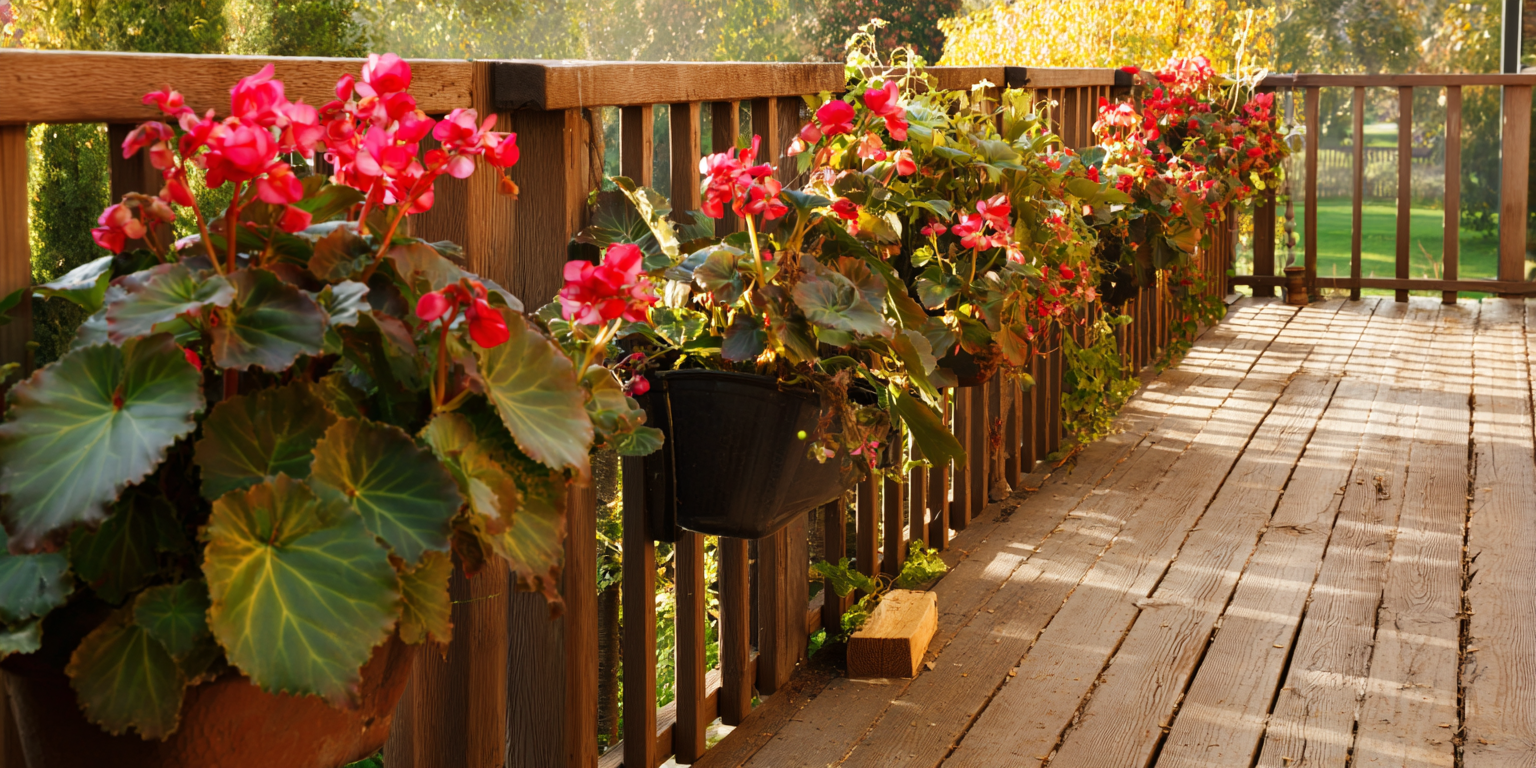
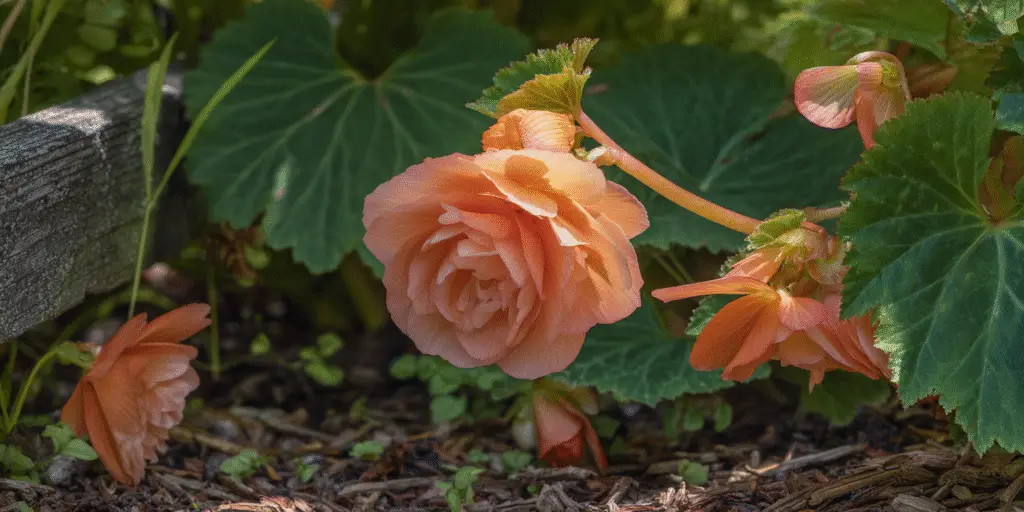
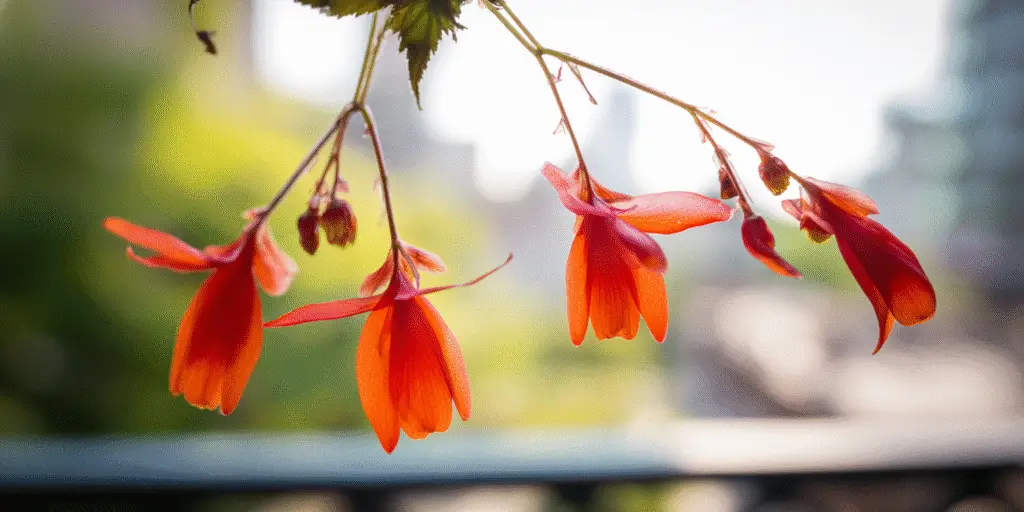
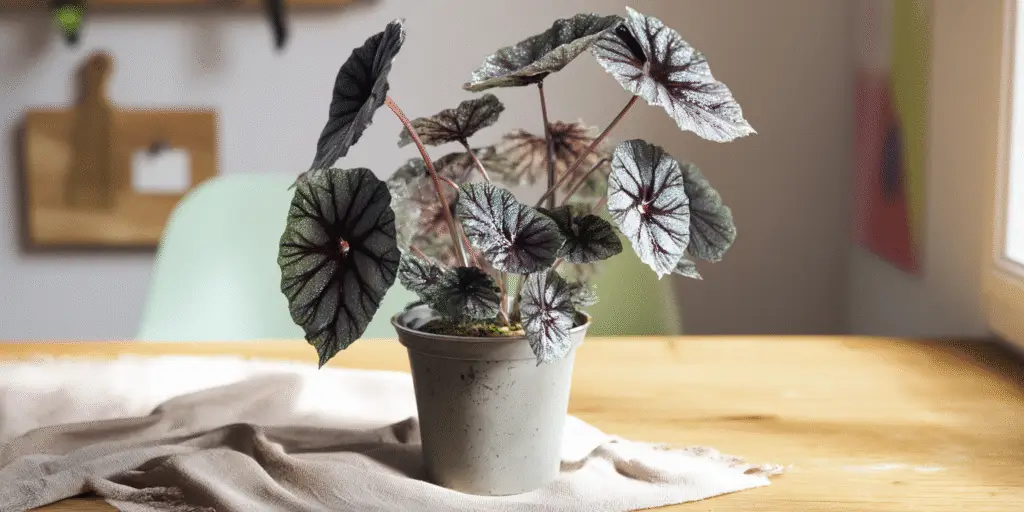
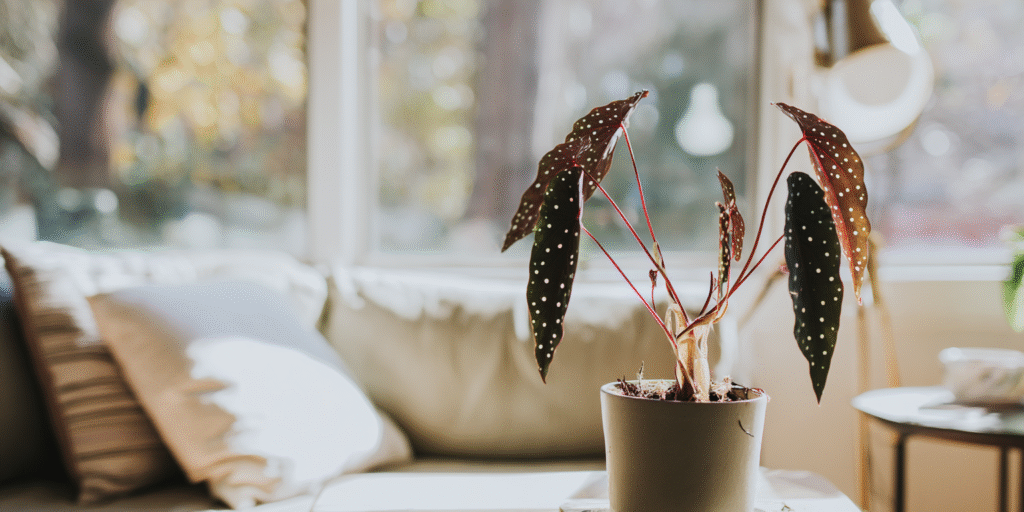
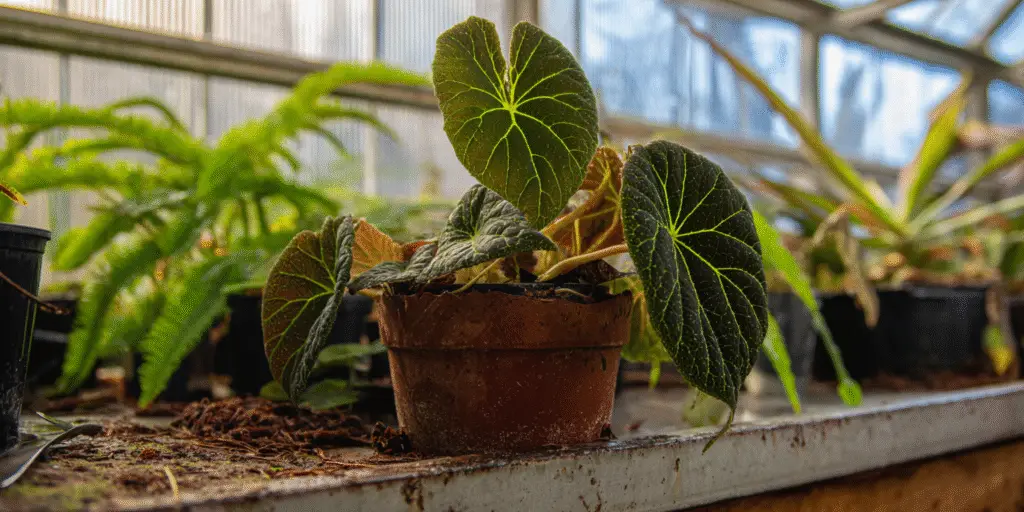
Begonia (Begonia spp.) is a large genus of tropical and subtropical plants grown for vivid flowers, sculptural foliage, or both. Gardeners most often meet three groups. Wax begonias, properly Begonia × semperflorens‑cultorum, are the tidy bedding plants you see in mass plantings. Tuberous begonias, Begonia × tuberhybrida, produce showy rose‑like blooms on upright or cascading stems. Rhizomatous types include Rex begonias, prized for patterned leaves. Angel wing and cane types are shrub‑like selections often grown in containers. Hardy begonia, Begonia grandis, is a distinct species that can overwinter outdoors in parts of the U.S.
Most begonias are frost tender. Outdoors they thrive in partial shade with morning sun and bright filtered light the rest of the day. They prefer evenly moist, well‑drained soil rich in organic matter and slightly acidic to neutral pH. A quick snapshot for success: start tuberous types indoors before your last frost, transplant only after nights stay above 50 °F, keep the root zone moist but never waterlogged, feed lightly but regularly during active growth, deadhead to keep plants clean, and either store tubers or treat frost‑tender types as annuals in cold regions.
Soil & Bed Preparation
Begonias do best in loose, friable soil that holds moisture yet drains readily. Aim for a mix with plenty of organic matter so roots receive both air and water. Heavy clay slows oxygen flow and invites rot. In clay‑dominant ground, build a raised bed or plant in containers so you can control drainage. Sandy soils drain too quickly, so increase organic matter to improve water retention. A slightly acidic to neutral pH is ideal, roughly 5.5 to 6.5. If your soil is outside that range, correct it based on a lab soil test. Use garden lime to raise pH or elemental sulfur to lower pH, following the laboratory’s rate recommendations. Retest every three to five years or after significant amendments so you do not overcorrect. Prioritize aeration. In beds, blend in finished compost and fine bark to keep the medium open. In containers, use a high‑quality soilless potting mix with ample perlite for air space.
Fibrous‑rooted and cane types: these tolerate a broader range of soils as long as moisture is steady and drainage is good. Improve thin or compacted soils with compost before planting.
Rhizomatous types: the creeping stems like a loose surface. Set them in a shallow, airy medium that never becomes soggy. Raised beds warm earlier in spring and shed excess water faster, which helps reduce crown and root diseases. In humid regions or in yards with a perched water table, a raised bed can be the difference between vigorous plants and plants that limp along.
Drainage Test and pH Targets.
Quick drainage check: dig a hole 12 inches deep and 12 inches wide. Fill it with water and let it drain. Refill once more and measure how far the water level drops in 15 minutes. Multiply by four to get inches per hour. About 1 to 3 inches per hour is ideal. If less than 1 inch per hour, improve structure with organic matter or consider a raised bed. If more than 4 inches per hour, add organic matter to increase water‑holding capacity.
pH verification: send a composite soil sample to your local Cooperative Extension soil lab. Ask for pH, organic matter, and nutrient levels, then follow recommendations rather than guessing with generic products.
Planting Calendar by USDA Zone
Begonias are sensitive to cold. Use last‑frost and first‑frost timing rather than fixed calendar dates, then adjust for your local microclimate.
Zones 3 to 5
• Start tuberous begonia tubers indoors about eight weeks before your average last frost. Place the concave side up in a shallow tray of barely moist medium.
• Transplant wax or fibrous types outdoors only after all danger of frost has passed and nighttime temperatures hold at or above 50 °F.
• Move starts outside when soil reaches about 60 °F. Harden off for 7 to 10 days to reduce transplant shock.
• Expect to lift tuberous types in fall. Store tubers indoors for winter.
Zones 6 to 7
• Start tubers indoors 6 to 8 weeks before last frost.
• Plant outside after the last frost when nights are reliably above 50 °F.
• Hardy begonia (Begonia grandis) can be planted in late spring or early fall. Mulch in winter where freeze–thaw cycles are common.
• In hot summers, prioritize morning sun with afternoon shade and steady moisture.
Zones 8 to 9
• Plant fibrous types in early spring once nights are warm.
• Tuberous begonias perform best in bright shade during warm months. In very hot inland areas, keep them out of strong afternoon sun and water with care to prevent rot.
• Hardy begonia is usually reliable with winter mulch and consistent summer moisture.
Zones 10 to 11
• Most fibrous and cane types can be grown year‑round outdoors with shade and irrigation.
• Plant tuberous begonias for cool‑season color or use bright shade and good airflow to extend summer performance at higher elevations or near the coast.
• Watch reflective heat from walls and pavement. Shift containers to gentler light in late spring.
Special notes by region: In hot‑humid coastal climates, tuberous begonias can drop buds if nights stay very warm and the air is stagnant. In arid regions, use shade cloth that provides about 30 to 40 percent shade and irrigate deeply when the top inch becomes dry. In high‑elevation sites with strong sun, give afternoon shade even to “sun‑tolerant” wax begonias and watch evaporation closely.
Planting: Depth & Spacing
Split planting methods by what you are putting in the ground. Accurate depth and spacing help prevent rot and improve airflow.
Bulbs or Tubers
• Orientation: tuberous begonias have a depressed side and a rounded side. Set tubers with the concave side up.
• Depth: cover with 0.5 to 1 inch of potting mix in containers or light soil in beds. Do not bury deeply.
• Spacing: generally 12 to 18 inches apart in beds, depending on mature size. Cascading or basket types can be grouped more closely in containers if the pot drains quickly.
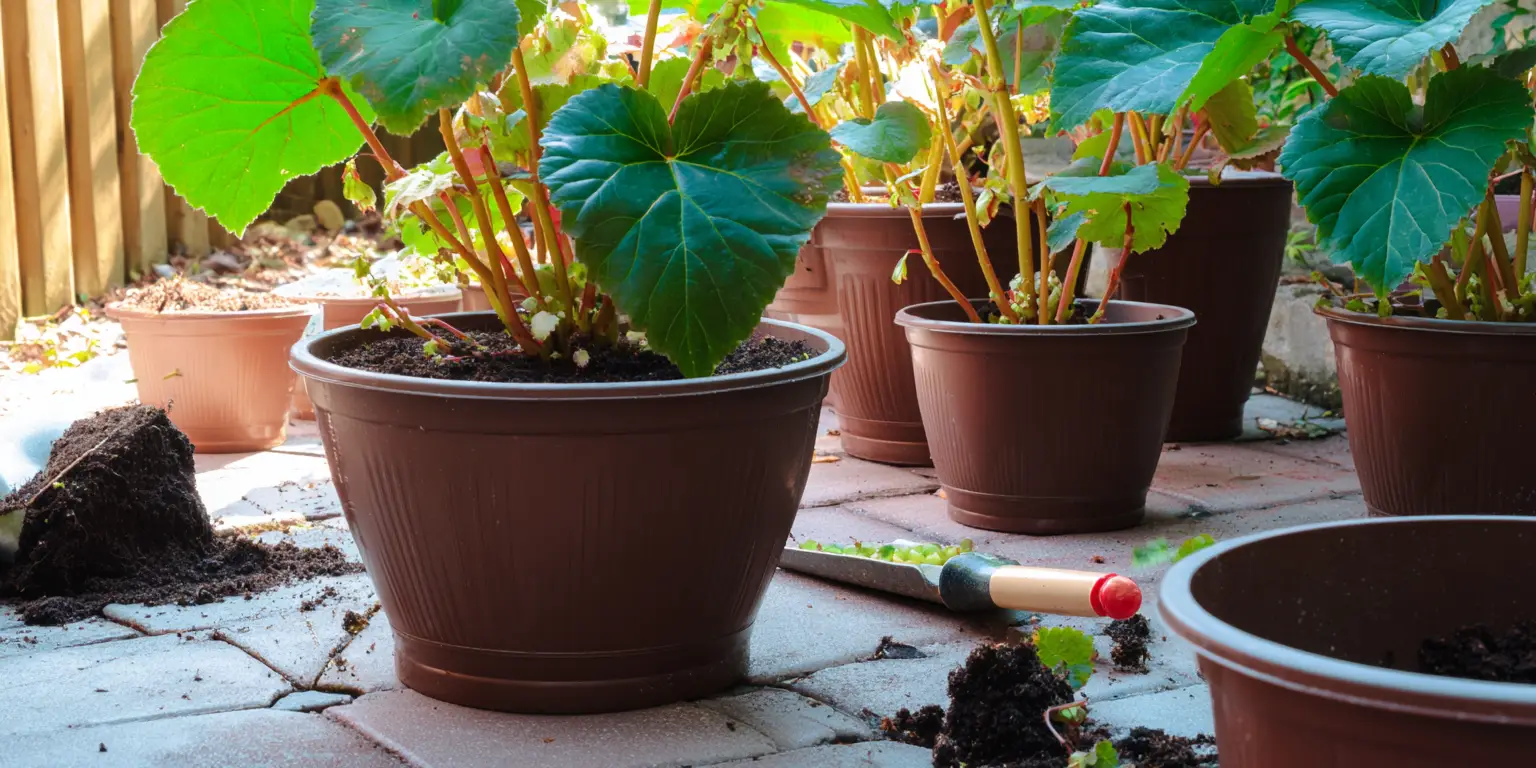
• Pre‑sprouting: start indoors in shallow trays. When shoots reach about 1 inch tall, shift to 5 to 6 inch pots or into your summer containers.
• After planting: water to settle the medium, then let the top surface dry slightly before watering again to reduce rot.
Bare‑Root or Divisions
Begonias are rarely sold bare‑root, but rhizomatous and cane types are easy to divide.
• Rhizomatous divisions: set the rhizome just at or slightly above the soil surface. Keep the medium airy. Space 12 to 18 inches to allow leaf expansion.
• Cane divisions: plant canes at the same depth they were growing. Stake taller cultivars in windy sites so stems do not snap.
Container‑Grown Starts
• Plant at the same depth as in the nursery pot. Disturb circling roots lightly with your fingers.
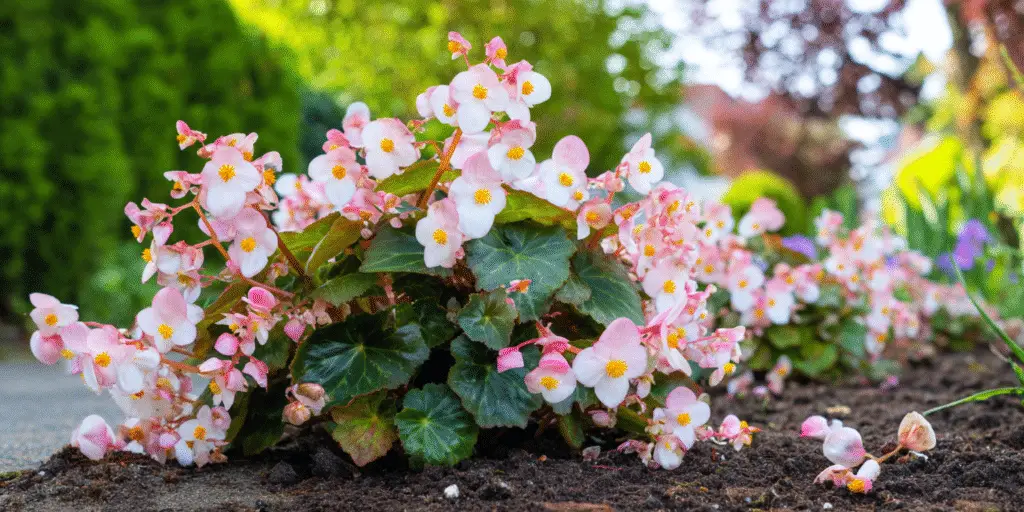
• Space wax begonias 8 to 12 inches apart in beds for tidy coverage.
• For baskets and pots, use containers with large drainage holes and a breathable potting mix. A 6 inch pot suits a single pre‑sprouted tuber. Hanging baskets 8 to 12 inches wide work well for cascading selections.
• Acclimation: harden off transplants outdoors over 7 to 10 days. Start with bright shade and increase exposure to morning sun. Protect from gusty wind during this period.
Minimizing transplant shock
Water the day before planting so root balls are moist. Plant during a cool, overcast period if possible. Shade new transplants for a few days with a temporary screen in bright sites. Avoid fertilizer in the planting hole. Begin light feeding only after you see new growth.
Watering & Mulching
Establishment versus mature watering. Keep soil evenly moist during establishment. Check moisture with your finger. Water when the top inch feels dry. In beds, plan for deep watering about once per week in dry weather. In containers, check daily in hot spells. Avoid overhead watering late in the day to limit leaf and flower spotting.
Preventing crown and root rot. The crown must never sit in waterlogged soil. Use an open mix, avoid burying stems, and let the top surface dry a bit between waterings. If you see wilting and the soil is wet, reduce watering, improve airflow, and check drainage holes.
Mulch types and thickness. After planting, apply a light layer of organic mulch to stabilize moisture and keep roots cool. One to two inches works well for annual beds and tender perennials. Keep mulch a couple of inches away from the crown to prevent rot and to discourage rodents. Shredded leaves, fine bark, pine needles, or composted leaf mold are good choices. In containers, top‑dress with a thin layer of fine bark or compost to reduce evaporation without smothering the surface.
Heat spikes and drought management. During a heat wave, give bright shade during the hottest part of the day and water early in the morning so foliage dries quickly. In arid areas or on reflective patios, use a saucer only for bottom watering, then pour off excess water so the pot does not sit wet. In humid regions, increase spacing and prune lightly to improve air movement.
Feeding
Timing and approach. Begonias respond to steady, modest nutrition. During active growth, feed with a dilute balanced fertilizer on a regular schedule. Tuberous begonias are heavier feeders, so a little nutrition at frequent intervals supports bloom. For container plants, a controlled‑release fertilizer at planting plus a dilute liquid feed every two to four weeks keeps growth even.
How much and what analysis. Use a balanced product at half strength according to the label. For example, a general 10‑10‑10 or 15‑15‑15 applied at half the recommended rate works for most situations. Indoors or under low light, reduce strength further to avoid soft, leggy growth. If your soil test shows adequate phosphorus and potassium, skip extra fertilizer and rely on compost and a light top‑dressing midseason.
Organic matter and soil biology. A two‑to‑three inch layer of compost worked into the top 6 to 8 inches before planting improves structure and water balance. Renew organic matter each season in beds. Retest soil every three to five years so you apply only what is needed and avoid salt buildup.
When to skip fertilizer. Do not feed stressed plants that are root‑bound, wilted, or waterlogged. Correct the cultural problem first. Stop fertilizing tuberous begonias in late summer as they prepare for dormancy.
Pruning & Support
Remove spent flowers and any soggy petals promptly to limit botrytis and keep plants tidy. Pinch lightly at the tips of fibrous and cane types early in the season for a bushier habit. If a plant grows leggy in shade, cut back by one third and provide brighter light with morning sun. Strip off yellowing leaves to maintain airflow and to direct energy into new growth. Before overwintering indoors, trim back stems and remove any diseased tissue. Tall cane or top‑heavy selections benefit from discreet stakes or a narrow hoop ring. Install supports early, then let foliage hide them. Protect fragile leaves and flowers from wind with placement behind a hedge, fence, or large companion plant. Clean pruners of sap and soil, then sanitize between plants if disease is present. A quick dip or wipe with 70 percent alcohol is effective. A 1 to 9 bleach to water solution can also be used. Rinse and dry tools after bleach to limit corrosion. Keeping blades clean reduces the risk of spreading leaf spots and rots.
Overwintering
After the first light frost blackens foliage, lift plants within a few days. Leave a small amount of soil on the tubers and cut stems to about 1 inch. Cure in a cool, dry place for two to three weeks until stem bases are dry, then brush off soil. Store in a box with dry peat, vermiculite, or sawdust in a dark, ventilated space at about 40 to 50 °F (4 to 10 °C). Do not let tubers freeze. Check monthly and remove any that soften or mold. Label colors to save guesswork next spring. If your winters are frost free yet cool, plants often enter dormancy on their own as days shorten. Reduce watering and allow foliage to senesce. Lift and store tubers in a cool indoor spot if soil stays wet in winter or if rodents are active. Keep stored tubers where voles and mice cannot reach them. In zones where it overwinters outdoors, mulch plants after the ground cools in late fall to buffer freeze–thaw cycles. Use a loose cover such as leaf mold or shredded leaves. Remove most of the cover in early spring so the soil warms. Hardy begonia emerges late. Be patient, keep the bed weeded, and avoid overwatering cold soil. Before first frost, bring tender begonias inside. For tuberous types, allow stems to yellow, then dry the tuber in its pot and store the pot in a cool closet or basement. For fibrous and cane types, grow them as houseplants in bright indirect light through winter. Water sparingly and hold fertilizer until spring growth begins.
Growing Environments
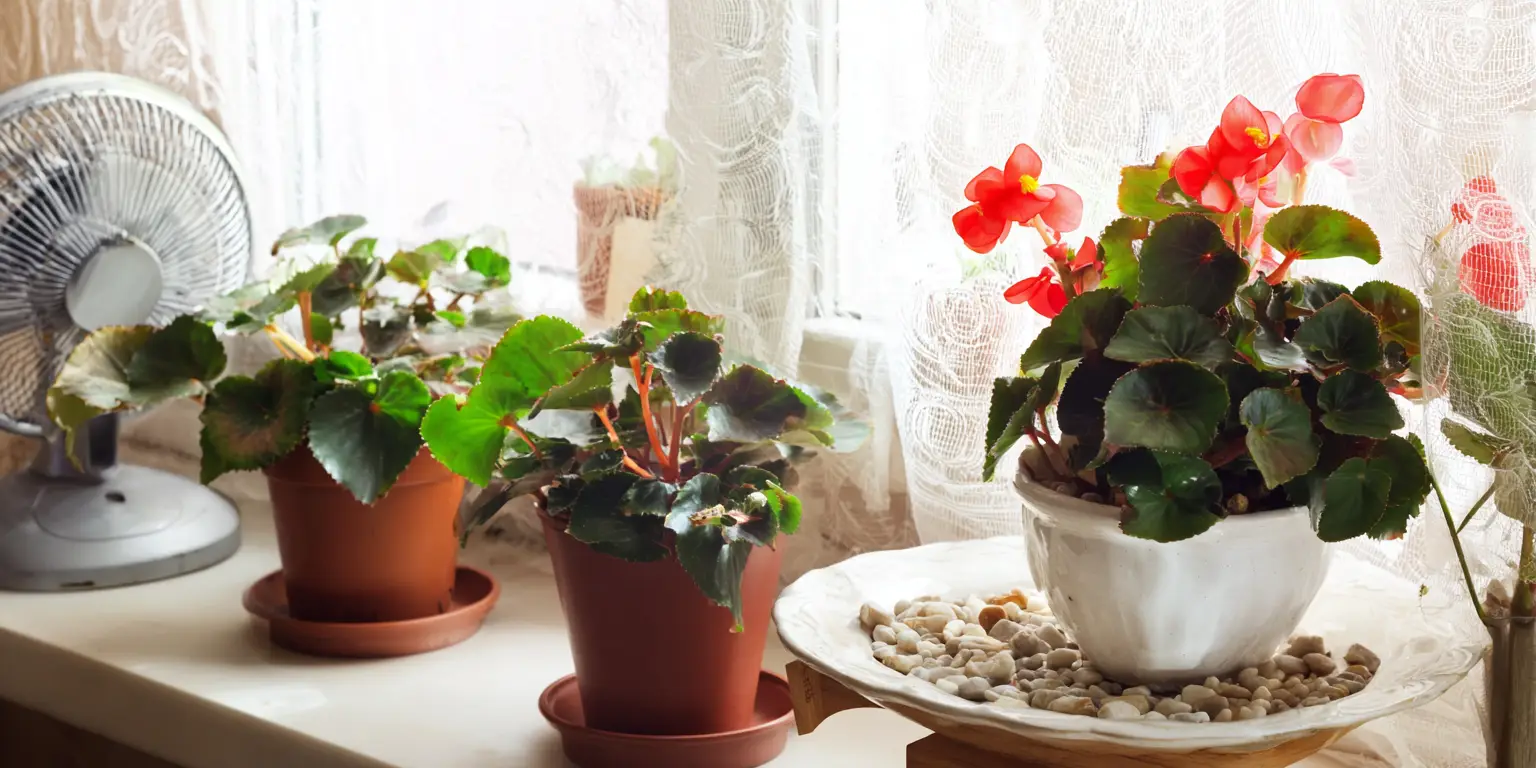
Containers are an excellent choice for shade porches, patios, and balconies. Use a pot with large drainage holes and a soilless mix that includes perlite for aeration. Start pre‑sprouted tubers in 5 to 6 inch pots. When growth fills the pot, move to your summer container or an 8 to 12 inch hanging basket for trailing types. Water thoroughly, then allow the top layer to dry slightly before watering again. Choose bright dappled shade with morning sun. Improve heavy soil with compost and fine bark. Avoid low pockets where water lingers after rain. In hot regions, keep begonias out of midafternoon sun. In windy sites, plant near structures or taller companions to break gusts that can tear fragile leaves. Reflective heat from walls, driveway edges, and stone patios can stress begonias. Use larger containers in those spots so root zones stay cooler and more even. Under dense trees, airflow may be stagnant. Increase spacing, thin nearby foliage if allowed, and water early so leaves dry fast.
Companion Planting & Design
Begonias mix easily with other shade performers. Combine wax begonias with coleus, polka‑dot plant, and dwarf ornamental grasses for texture. Set tuberous begonias with ferns or heuchera so foliage frames the blossoms. Hardy begonia emerges late and flowers in late summer to fall, so plant it among spring bulbs or early perennials that fade by midsummer. This hides bare ground early and gives a long season of interest. Hardy begonia’s pendent clusters are visited by pollinators in late summer. Add woodland phlox, heuchera, or shade‑tolerant asters nearby to bridge seasons and provide nectar across spring to fall. Massed beds look best but still give each plant room. Space wax begonias about 8 to 12 inches apart and tuberous selections 12 to 18 inches apart. In humid climates, use the wider end of each range. Keep mulch pulled back from the crowns and thin any overhanging foliage if leaves stay wet after morning.
References
- Clemson University Cooperative Extension. “Begonia.”
- Clemson University Cooperative Extension. “Growing Begonias Indoors.”
- University of Minnesota Extension. “Tuberous Begonias.”
- University of Minnesota Extension. “Begonia.”
- Iowa State University Extension and Outreach. “Planting and Caring for Tender Perennials,” Yard and Garden.
- Iowa State University Extension and Outreach. “How do I overwinter tuberous begonias?”
- North Carolina State Extension Gardener Plant Toolbox. “Begonia – Tuberous Types.”
- North Carolina State Extension Gardener Plant Toolbox. “Begonia (genus).”
Written by: Your Flowers Guide editorial team
We are a small independent group of flower lovers who research and review each guide using trusted horticultural and educational sources. Learn more about us