Contents
Black-eyed Susan
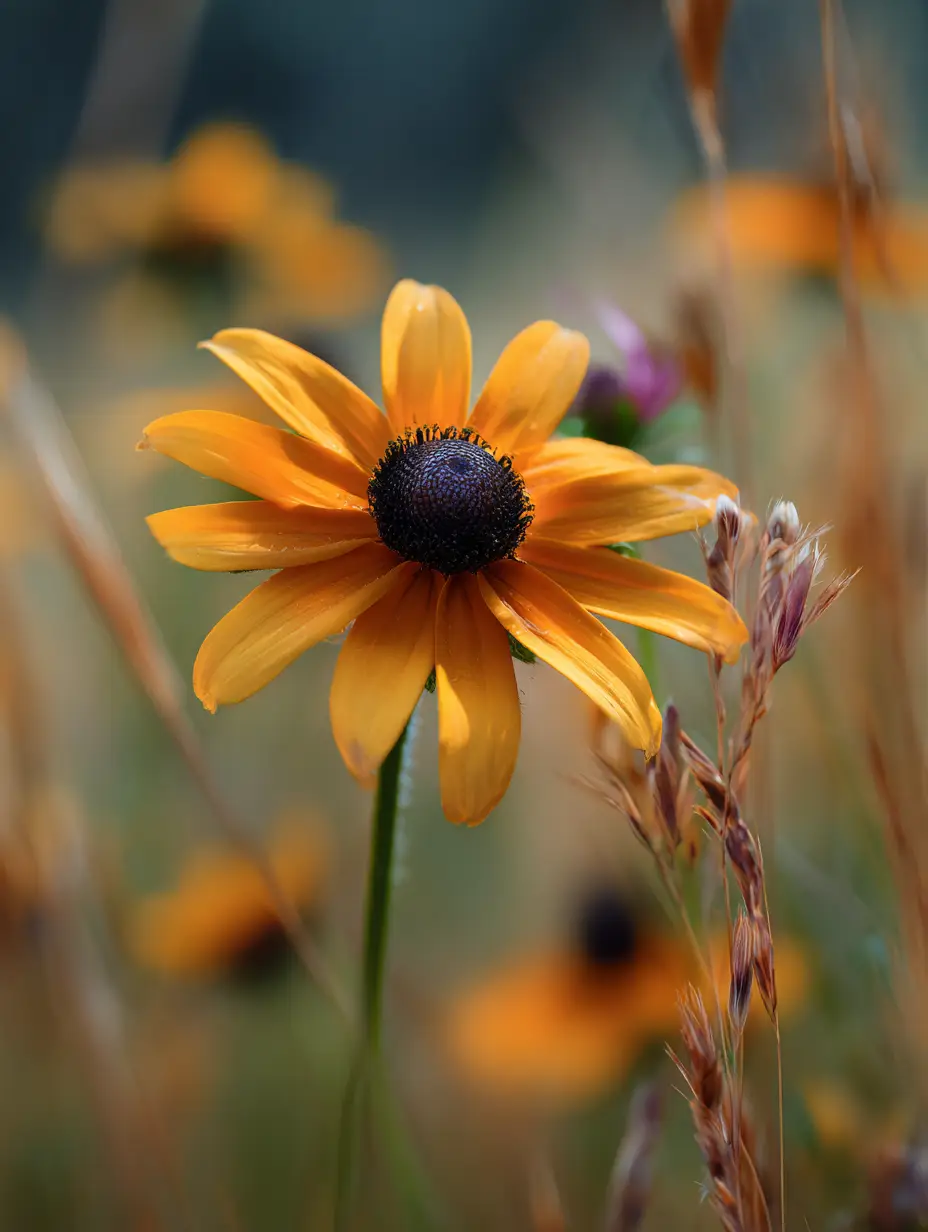
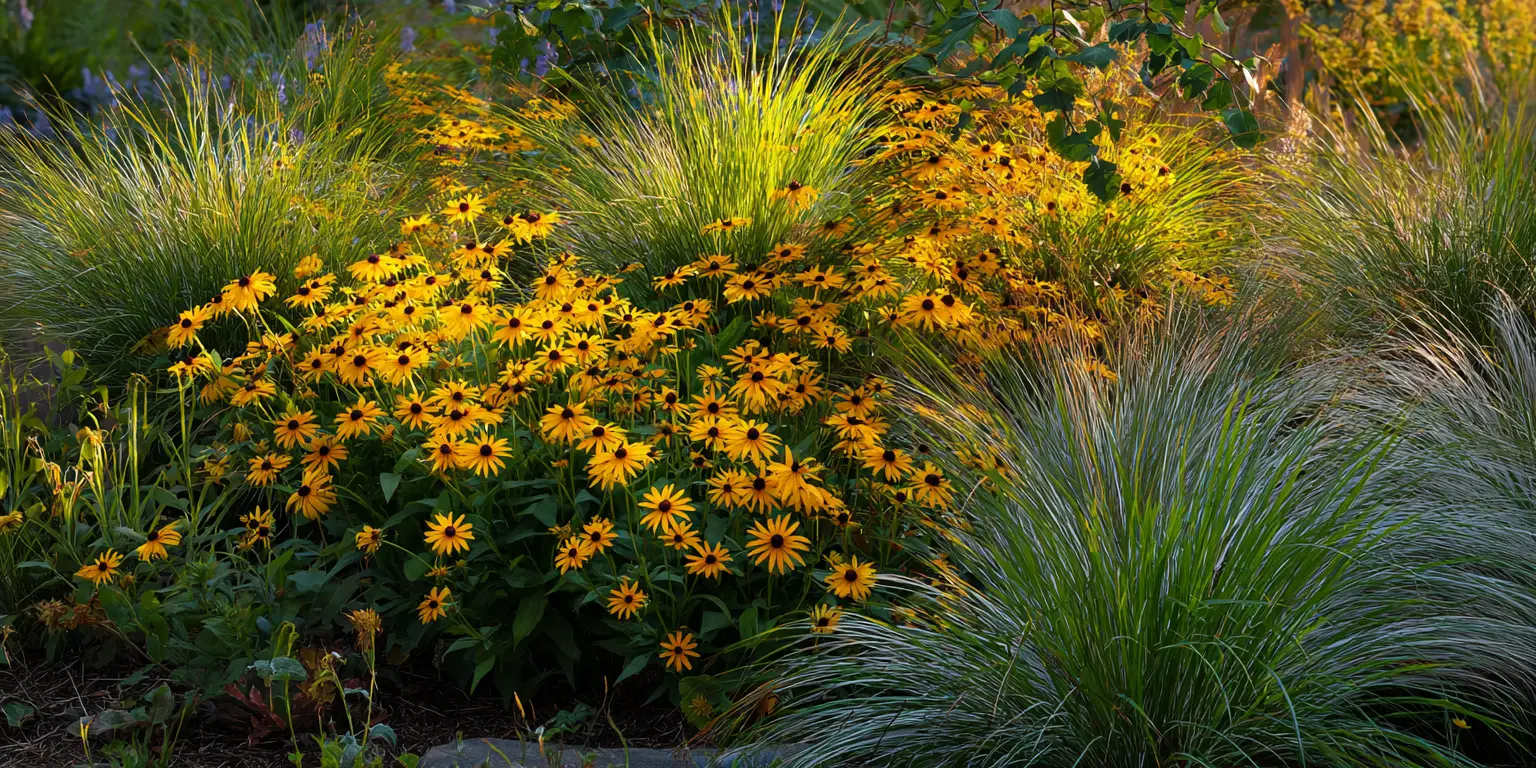
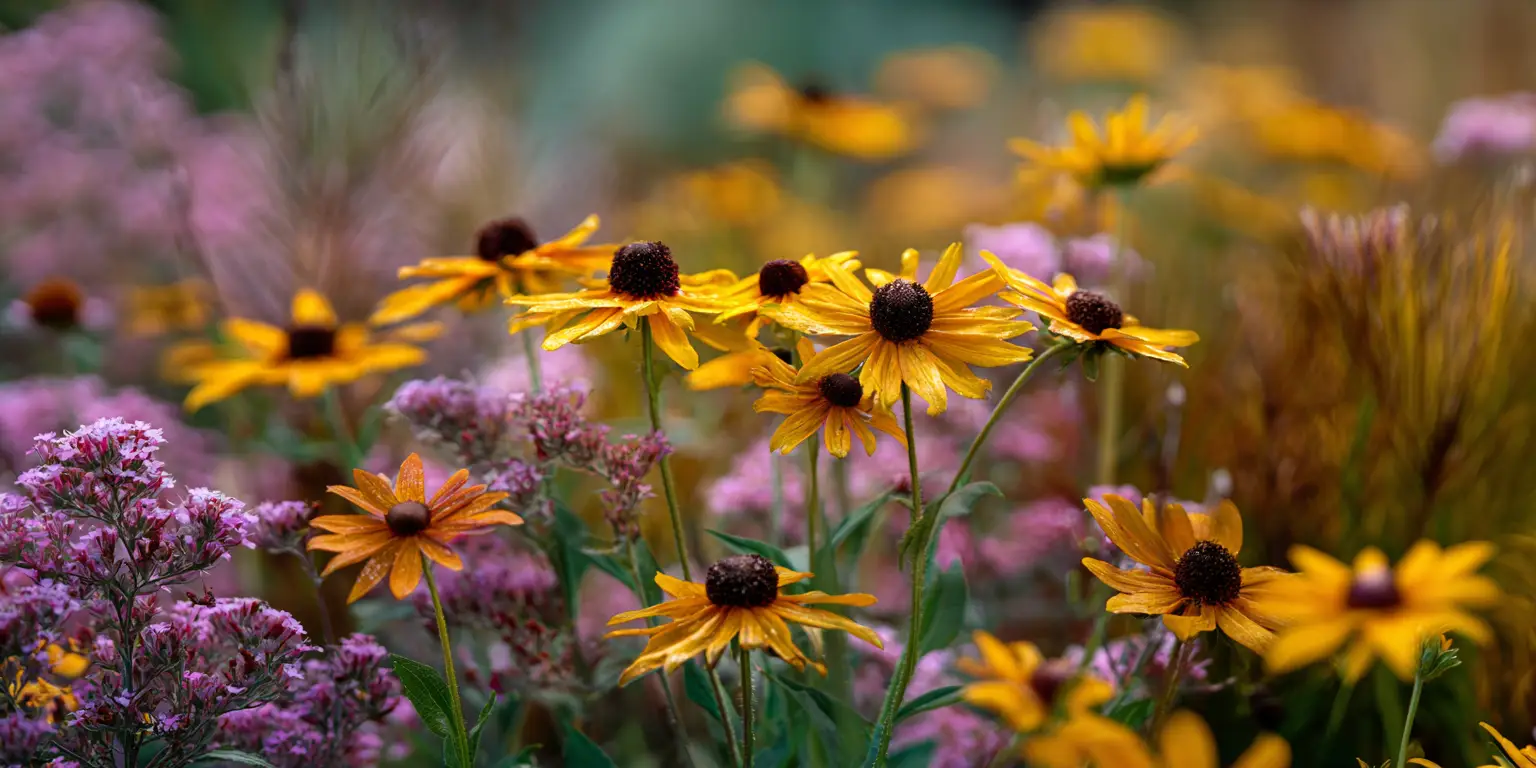
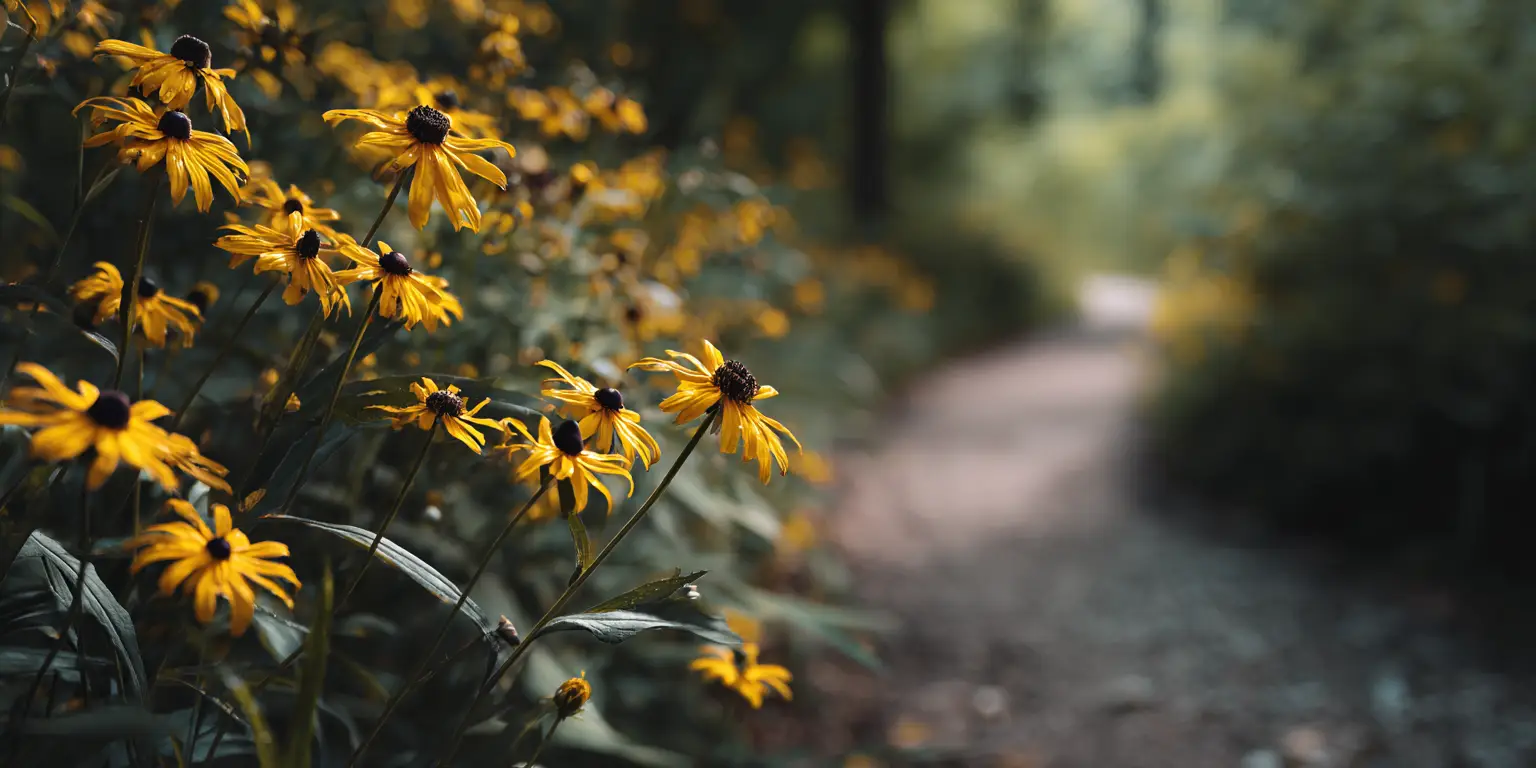
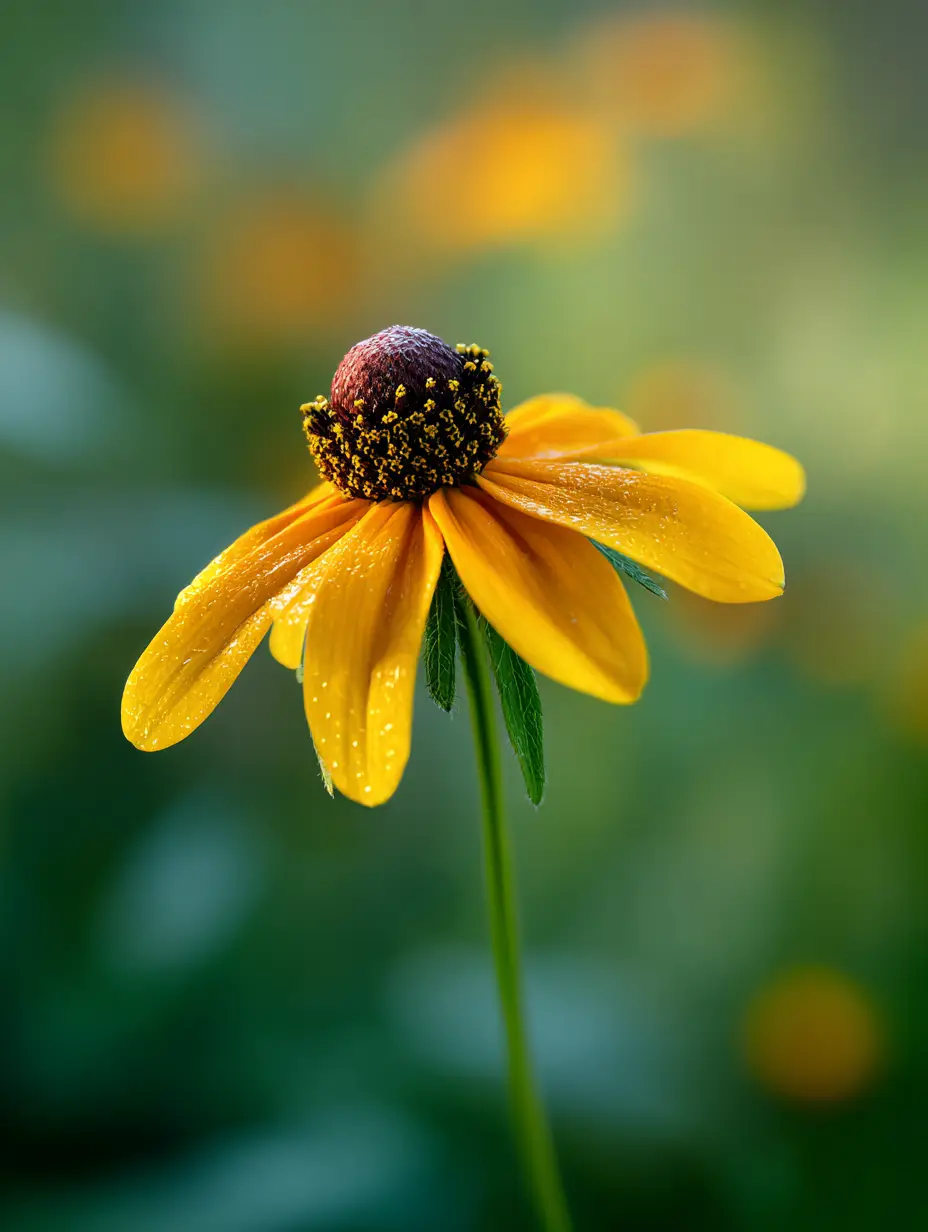
The Black-eyed Susan Flower (Rudbeckia) is a classic North American wildflower cherished for its bright golden petals surrounding a dark, “black” center. This hardy bloom is one of the quintessential yellow flowers found in summer gardens and naturalized meadows across the United States. Black-eyed Susans produce abundant daisy-like blossoms that add cheerful color and attract butterflies and bees. They are easy to grow and maintain, making them popular in both formal borders and wildflower plantings. Gardeners value Black-eyed Susan for its long blooming season and resilience; it tolerates heat, drought, and less-than-perfect soil once established. Whether planted en masse for a sea of gold or mixed with other perennials, this flower brings a sunny, rustic charm to any landscape. It has also endeared itself culturally, becoming the state flower of Maryland and a symbol of late-summer beauty nationwide.
🌱 Taxonomy and origin
Black-eyed Susan refers to several flowers in the rudbeckia genus of the sunflower (aster) family (Asteraceae). Botanically, the most common Black-eyed Susan is Rudbeckia hirta, a short-lived perennial often grown as an annual. There are other related species like Rudbeckia fulgida that are true perennials. These cheerful plants are native to North America, especially the eastern and central United States, thriving in prairies, meadows, and open woodlands. They were later introduced to Europe and other parts of the world as ornamental garden flowers, prized for their toughness and beauty. The name “Black-eyed Susan” comes from an old English poem by John Gay, referring to the dark center of the flower. In American history, the blooms have cultural importance. Maryland even adopted the Black-eyed Susan as its state flower, and Native Americans used parts of the plant in traditional herbal remedies.
🌸 Bloom time
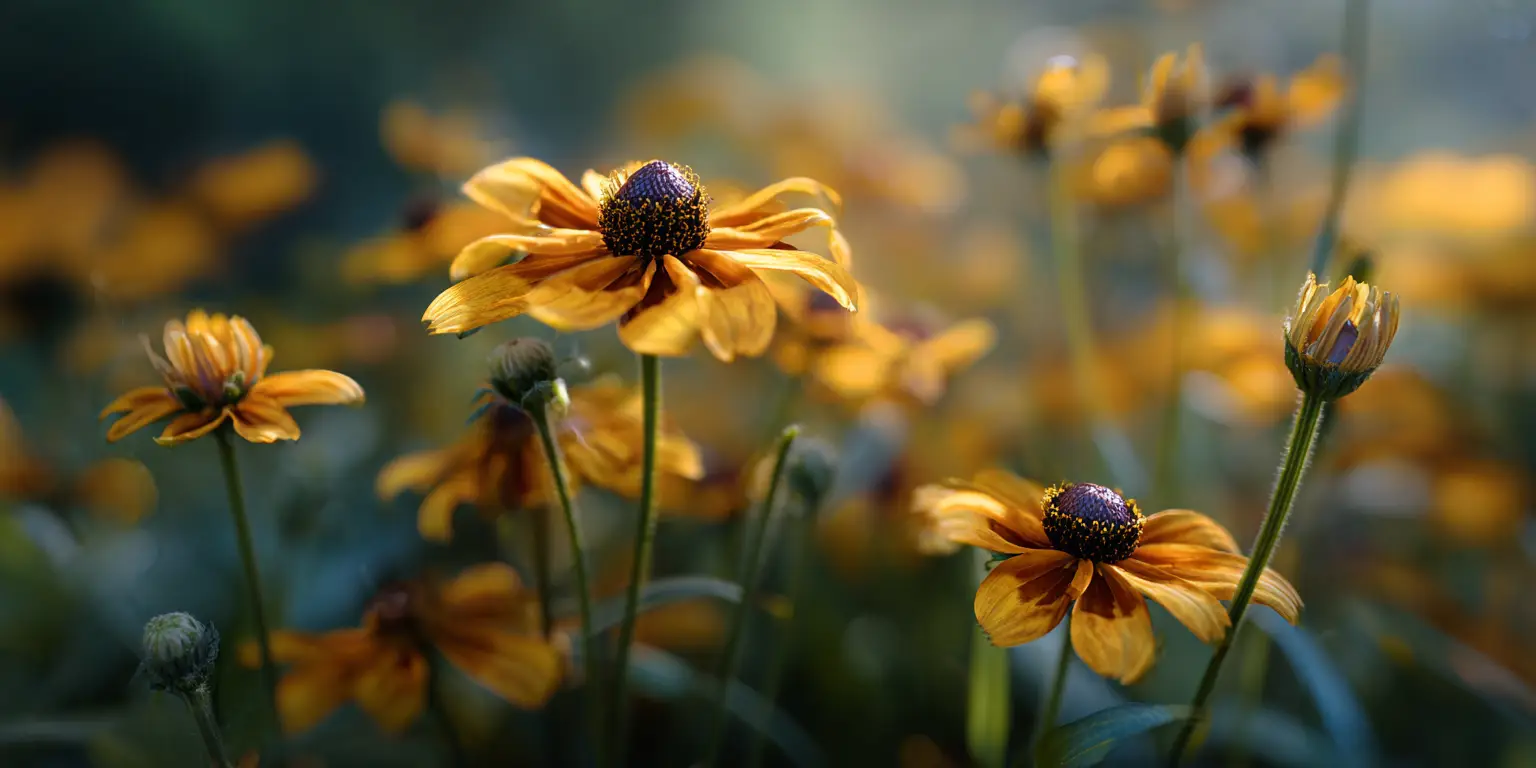
Black-eyed Susans are renowned for their long blooming period, bringing color to the garden from the middle of summer through the fall. Typically, flowering begins in July and continues into September or even until the first autumn frosts. These plants bloom consistently through the warm months, especially if you remove spent flowers (deadhead) to encourage new buds. Some modern varieties have been bred to start blooming earlier or to produce waves of flowers over an extended season. In a favorable sunny spot with good care, a patch of Black-eyed Susans will keep glowing with fresh yellow blooms for many weeks. Their peak display often coincides with late summer, brightening up the garden when many other plants have finished flowering. Even in their first year, well-started Black-eyed Susan seedlings can sometimes blossom by late summer.
📏 Height and spread
Black-eyed Susan plants are medium-sized perennials/annuals with an upright growth habit. Most varieties reach about 2 to 3 feet tall (approximately 60 to 90 cm) when in bloom, though some compact dwarf types may stay around 1 foot tall, and a few wild variants can grow 4 to 5 feet high. Each plant typically spreads about 1 to 2 feet wide (30 to 60 cm), forming a clump of coarse, hairy leaves and multiple flower stems. Over time a perennial clump can expand slightly outward, and some types (like Rudbeckia fulgida) spread by short underground runners to create a larger colony. In the garden, it’s wise to space Black-eyed Susan seedlings about 12 to 18 inches apart to allow them room to fill out. Their bushy, open shape makes them ideal for massing in beds without overpowering neighboring plants.
☀️ Light
Like many prairie wildflowers, Black-eyed Susans thrive best in full sun. Aim to plant them in a spot that receives at least 6 hours of direct sunlight each day. In ample sun, the plants will produce more blooms and sturdier stems. They can tolerate partial shade (for example, morning sun and afternoon shade), but in shadier conditions you may see fewer flowers and leggier, stretched growth as the plants reach for light. In very hot climates, a bit of midday shade can help prevent the petals from scorching, but overall, these flowers prefer bright, sunny exposures for optimal performance. You’ll often find Black-eyed Susans growing happily in open fields and roadsides, which attests to their love of sunshine.
💧 Water
Black-eyed Susans have moderate water needs. They prefer a steady supply of moisture but do not like to sit in waterlogged soil. After planting, water young plants regularly to help them establish strong roots (about an inch of water per week, including rainfall, is a good rule of thumb). Once established, these flowers can tolerate short periods of drought and are considered fairly drought-resistant for a blooming perennial. However, in extreme dry spells they will appreciate a deep watering to keep the foliage from wilting and to support continuous blooming. Always let the top inch of soil dry out between waterings, and avoid overwatering which can lead to root rot or fungal issues in the crown. A layer of organic mulch around the base can help conserve soil moisture, but be sure not to pile mulch against the stems.
🌍 Soil and pH
Plant Black-eyed Susans in well-draining soil for best results. They are not overly fussy about soil type – these flowers can grow in anything from sandy soil to clay, as long as water doesn’t sit around the roots. In their native prairie habitat, they often thrive in poor or average soil, so extremely rich soil or excessive fertilizer isn’t necessary (too much can actually lead to more foliage and fewer blooms). Mixing some compost into the planting area will improve soil structure and moderate fertility. In terms of pH, Black-eyed Susans are quite adaptable. They do well in neutral to slightly acidic soils (roughly pH 6.0 to 7.5). They can tolerate slightly alkaline conditions too, although very high pH or calcareous soils might cause nutrient uptake issues. Overall, aim for a reasonably fertile, moist but well-drained soil and these plants will be happy.
❄️ USDA hardiness
Black-eyed Susan is a durable plant that can survive a range of climates. It is generally hardy as a perennial in USDA Zones 3 through 9. In these regions, well-established plants can tolerate winter cold (with mulch protection in the harshest areas) and return in spring. In colder zones (Zone 2 or below), the winters are usually too severe for the roots to survive, so Black-eyed Susans are typically grown as annuals there from seed each year. In very warm climates (Zone 10 and above), they may not thrive as long-lived perennials either; gardeners in those areas often replant annually or give the plants some afternoon shade to help them through intense heat. Essentially, within the broad Zone 3 to 9 range Black-eyed Susans can be counted on to overwinter and bloom year after year, while outside that range they are treated as seasonal flowers.
🌼 Propagation and longevity
Black-eyed Susans are easy to propagate, especially by seed. You can start seeds indoors a few weeks before the last frost date, or simply direct-sow them outdoors in spring after frost. The small seeds germinate best with some light, so just press them into the soil surface rather than burying them deeply; under warm conditions they typically sprout within 1 to 2 weeks. These flowers also self-sow readily: if you leave some spent blooms on the plants in fall, they will drop seeds that sprout the next year, keeping your Black-eyed Susan patch going naturally. Perennial clump-forming types can also be propagated by division. Every 3 to 4 years, in early spring or after flowering, dig up and split overcrowded clumps to produce new plants and rejuvenate the original bed. In terms of longevity, individual Black-eyed Susan plants are somewhat short-lived. The common Rudbeckia hirta often survives only one or two seasons (essentially as an annual or biennial), but it perpetuates itself by plentiful reseeding. Other species like Rudbeckia fulgida are true perennials that can live many years, gradually spreading via their roots. In practice, as older plants die out, new seedlings or divisions typically take their place. A well-tended Black-eyed Susan bed can thus flourish year after year through this natural renewal.
👃 Fragrance
Black-eyed Susan flowers are not particularly known for their fragrance. Unlike roses or lilies that perfume the air, the blooms of Black-eyed Susans have little to no noticeable scent to most people. If you get very close, you might detect a faint earthy or herbal smell from the flower heads or the foliage, but there is no strong perfume. These plants attract pollinators primarily with their bright colors and pollen/nectar rather than with fragrance. So while a bouquet of Black-eyed Susans will brighten a room with color, it won’t add much in the way of floral scent.
⚠️ Toxicity and pet safety
Black-eyed Susan is generally considered safe to grow around people and pets. It is not listed as a highly toxic plant, and touching or handling the plant is not dangerous (at most, the coarse hairs on stems and leaves could cause minor skin irritation for very sensitive individuals). If ingested, it’s not known to be poisonous to humans – in fact, Native Americans historically brewed parts of the plant for medicinal uses. For household pets, Black-eyed Susans are also largely non-toxic. Dogs are unlikely to have any issues if they nibble on the plant. Cats might experience mild digestive upset or drooling if they chew on the plant, but serious poisoning is very rare. In outdoor settings, Black-eyed Susans have the bonus of being unpalatable to many wild animals; deer tend to leave them alone, and rabbits usually find the rough leaves less appetizing. This makes the flower a relatively safe and pest-resistant choice in the landscape.
🌿 Vase life
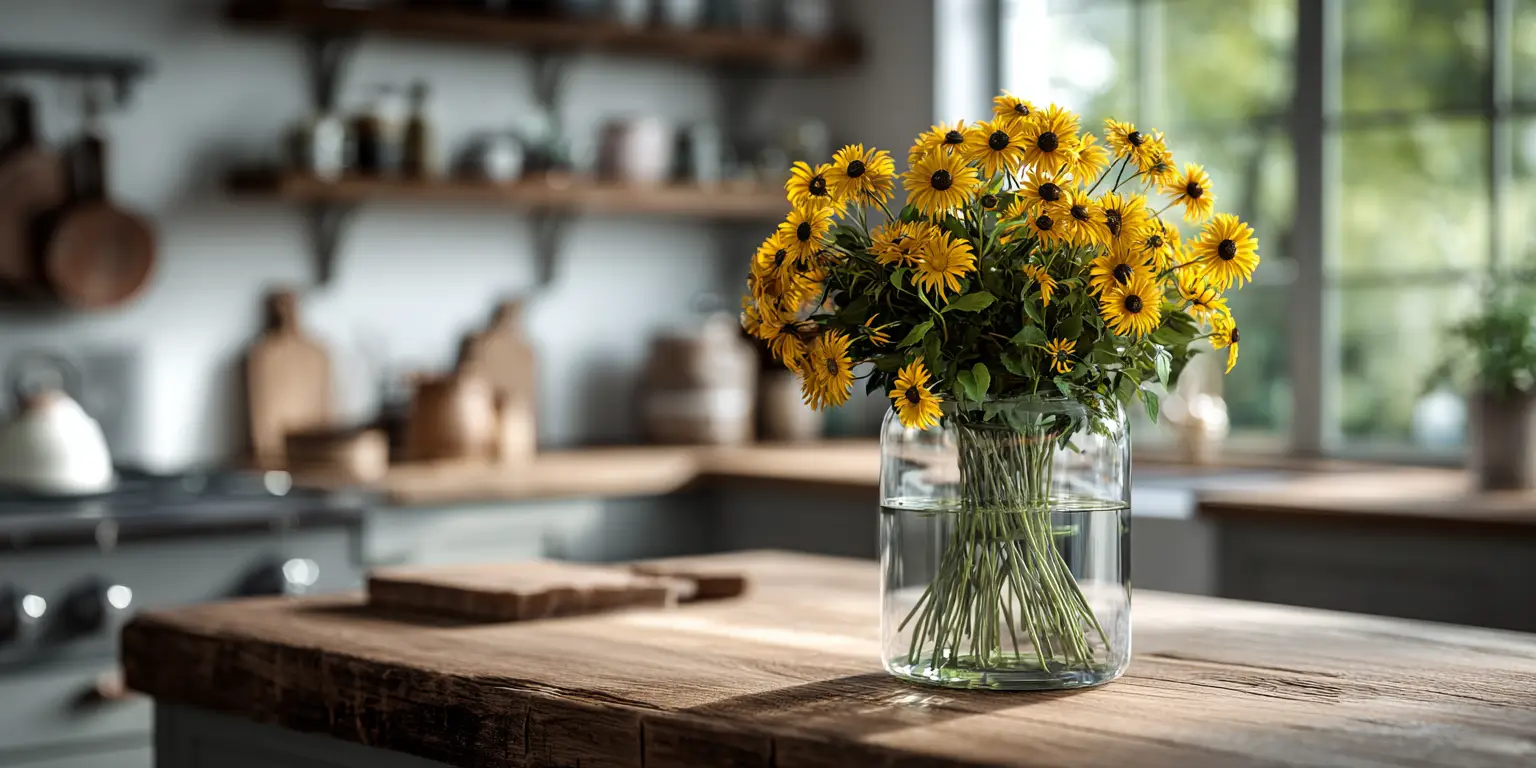
Black-eyed Susans make excellent cut flowers and can last a surprisingly long time in a vase. On average, freshly cut blooms will stay attractive for about a week, often around 7 to 10 days, if cared for properly. To maximize vase life, cut the flower stems in the morning when they are well-hydrated, and choose blooms that have just fully opened (avoid overly mature flowers that are already shedding pollen). Strip off any leaves that would sit below the water line in your vase to reduce bacterial growth. Place the stems in fresh water immediately after cutting, and consider using a floral preservative if available. Changing the water every couple of days and recutting the stem ends will also help the sunflower-like blooms remain bright. With these steps, your bouquet of Black-eyed Susans can stay cheery and fresh on the table for over a week.
🐛 Pests and diseases
Black-eyed Susans are generally robust and not heavily affected by pests. On occasion you might find a few unwelcome visitors: aphids sometimes cluster on stems or buds (they can be hosed off if needed), and slugs or snails may nibble on lower leaves, particularly in very wet conditions. A few chewing insects might also feed on the petals or foliage, but serious damage is uncommon. In terms of diseases, the most common issues are fungal problems like leaf spots and powdery mildew. Leaf spot causes dark speckles on the foliage, and powdery mildew appears as a white dusty coating (both tend to occur in warm, humid weather or when plants are overcrowded). These are mostly cosmetic issues; you can trim away badly affected leaves and ensure the plants have good spacing and sun to reduce moisture on the leaves. One disease of note is Aster Yellows, a pathogen spread by leafhopper insects that can occasionally infect Black-eyed Susans and other daisies. It causes stunted, yellowish growth and bizarre green, deformed flowers. There is no cure for Aster Yellows, so any plant showing those symptoms should be removed entirely to protect the rest of the garden. Thankfully, most Black-eyed Susans will go through their life with minimal pest or disease problems when grown in proper conditions.
FAQs
Why are they called Black-eyed Susans?
The name “Black-eyed Susan” comes from the flower’s appearance and a bit of folklore. Each blossom has a prominent dark brown or black center, which looks like a “black eye” surrounded by bright petal “lashes.” As for “Susan,” it is popularly attributed to an 18th-century English poem by John Gay titled “Black-Eyed Susan”, in which a heroine named Susan is described with dark eyes. The charming name from the poem caught on and has been used for these cheerful wildflowers ever since.
Are Black-eyed Susan flowers annuals or perennials?
Black-eyed Susans can behave as both annuals and perennials, depending on the type and growing conditions. Many common varieties (such as Rudbeckia hirta) are short-lived perennials in zones 3-9, but often they only live a couple of years. They tend to reseed themselves each year, which makes them seem perennial as new seedlings replace the old plants. Other types, like the popular Rudbeckia fulgida ‘Goldsturm’, are true perennials that reliably come back every year. In practice, gardeners often treat Black-eyed Susans as annuals or as self-renewing perennials that keep going through reseeding.
Will Black-eyed Susans spread or become invasive?
Black-eyed Susans will spread in the garden over time, but they are not aggressively invasive in most regions. They multiply primarily by dropping seed around themselves and, in some cases, by slowly expanding clumps. You might notice little seedlings appearing the next spring near where last year’s plants were. If you want to limit spreading, you can deadhead the flowers before they set seed. If you welcome a natural look, let some seeds fall; the plants will happily naturalize in a moderate way. Any unwanted seedlings are easy to pull up, so you can control where new plants grow. Overall, they are enthusiastic growers but not difficult to manage.
How do I care for Black-eyed Susans after they bloom?
Once the main blooming period winds down, you have a couple of options. You can trim off (deadhead) the spent blooms to keep the plants looking tidy and possibly encourage a few late-season flowers. As fall arrives, you may leave some dried flower heads on the plants – this can provide food for birds and allow seeds to drop for natural reseeding. After the first hard frost kills back the foliage, you can cut the stems down to a few inches above the ground. In cold winter areas, a layer of mulch over the root zone can protect the crowns. By early spring, new shoots will emerge from the base or from new seedlings, and you can clean away any old debris to let fresh growth come through.
Are Black-eyed Susan flowers toxic to pets?
No, Black-eyed Susans are not considered toxic to common pets like cats and dogs. If a pet were to chew on the leaves or flowers, it might cause some mild stomach upset or drooling, particularly in cats, but it is unlikely to cause serious harm. This plant is generally absent from the lists of highly poisonous garden plants. Of course, it’s still wise to discourage pets from munching on any ornamentals. In summary, you can plant Black-eyed Susans without much worry about your pets. They are a pet-friendly flower.
Can Black-eyed Susans grow in shade or do they need full sun?
Black-eyed Susans do best in full sun. They really prefer a location that gets at least about 6 hours of direct sunlight daily. In partial shade they can grow, but you’ll typically see fewer blooms and the plants may stretch taller as they reach for more light. In deep shade, they will not thrive or flower well. If your garden has only a bit of sun, try to give them the brightest spot available. To get the prolific flowering and sturdy stems that Black-eyed Susans are known for, plenty of sun is the key.
Interesting tips
- For a vibrant summer display, pair Black-eyed Susans with other warm-toned flowers. They look fantastic alongside towering sunflowers at the back of a border and shorter marigold plants at the front. This layered arrangement provides a beautiful progression of height and a harmonious color palette of golds and oranges.
- To enjoy continuous color from spring through fall, mix Black-eyed Susans with flowers of different seasons. Early spring bulbs like daffodil will start the show with yellow blooms, then Black-eyed Susans take over in summer, and finally autumn perennials such as Chrysanthemum can carry the torch into the fall. This succession planting keeps your garden bright and lively across multiple seasons.
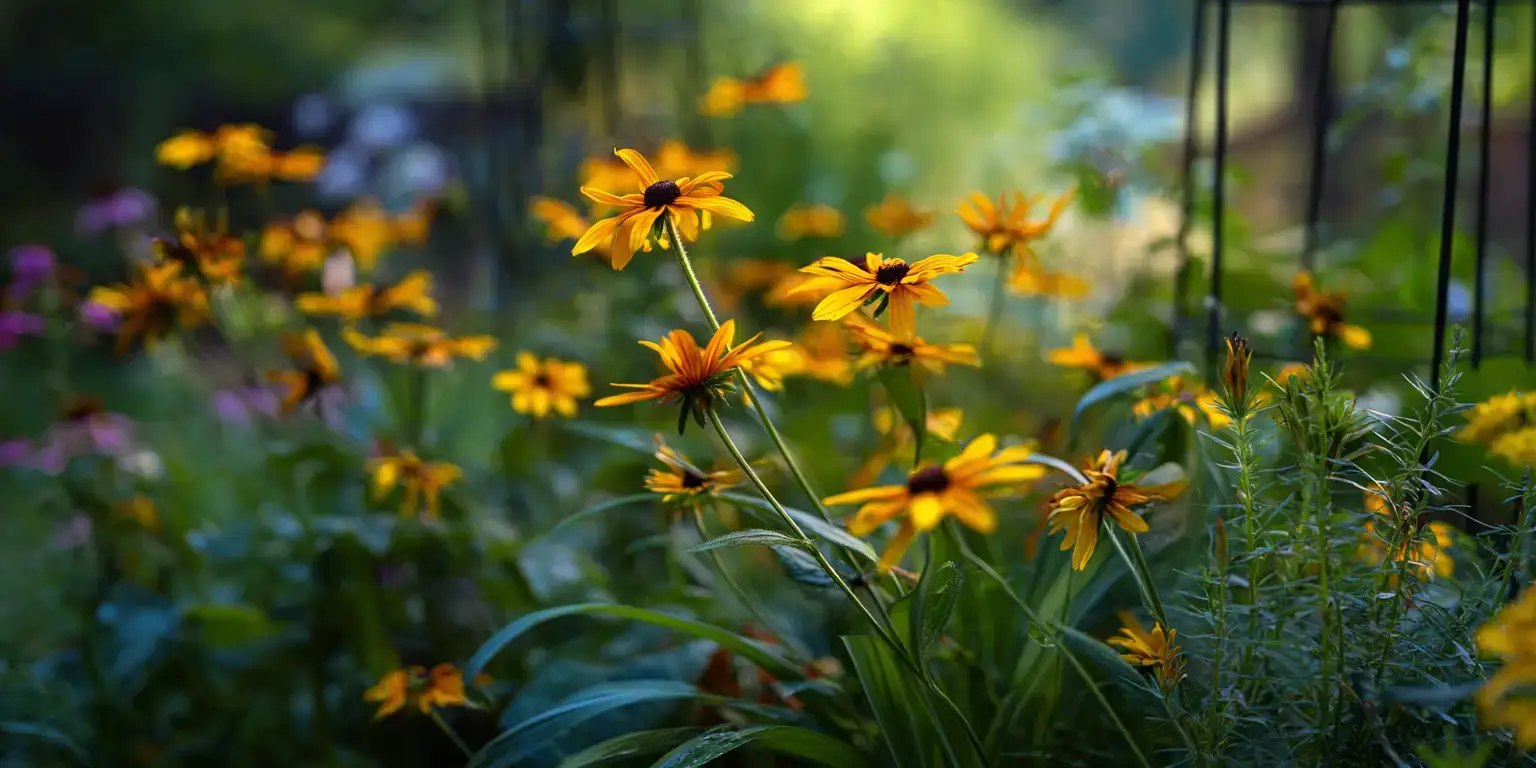
- Plant Black-eyed Susans in groups or drifts rather than scattering single plants. A mass of these flowers makes a bold statement and also attracts more butterflies and bees. Pollinators find clumps of color more easily, so you’ll see more garden visitors. Plus, a large sweep of Black-eyed Susans creates an eye-catching, natural meadow look in your yard.
- Decide on your deadheading strategy based on whether you want self-seeding. If you prefer a neat appearance and don’t want extras popping up, keep removing the spent blooms through the season. But if you’d like them to return on their own, allow the last flush of flowers to go to seed. Leaving some dried seed heads not only lets the plants reseed naturally for next year, but it also provides winter food for birds.
- Black-eyed Susans can adapt to container gardening too. Use a roomy pot (at least 12 inches deep) with good drainage, and place it in full sun. Potted Black-eyed Susans can add a cheerful splash of color to a porch or patio. Just be sure to water containers more frequently, as they can dry out faster in the summer heat.
- Remember, the Black-eyed Susan Flower is a resilient, low-maintenance plant. It’s an excellent choice for beginners and experienced gardeners alike. With minimal care (basically sunshine, occasional water, and a bit of pruning), it will reward you with a long season of bright, uplifting blooms.