By the end of our time together, you will understand exactly how a calla lily stores its energy underground and how you can step in to multiply your plants year after year. When we look at a thriving calla lily, we see the elegant, vase-shaped flowers and the broad green leaves above the soil line. The real work happens completely out of sight in a thick, fleshy structure called a rhizome. Learning calla lily propagation is really just learning how to read this underground structure and knowing when to separate it into pieces. Once you understand how the plant naturally wants to spread, dividing it becomes a simple matter of giving it a little help. We are going to build your confidence in handling these underground parts so you can expand your garden or share your plants with neighbors.
Understanding how calla lily rhizomes grow
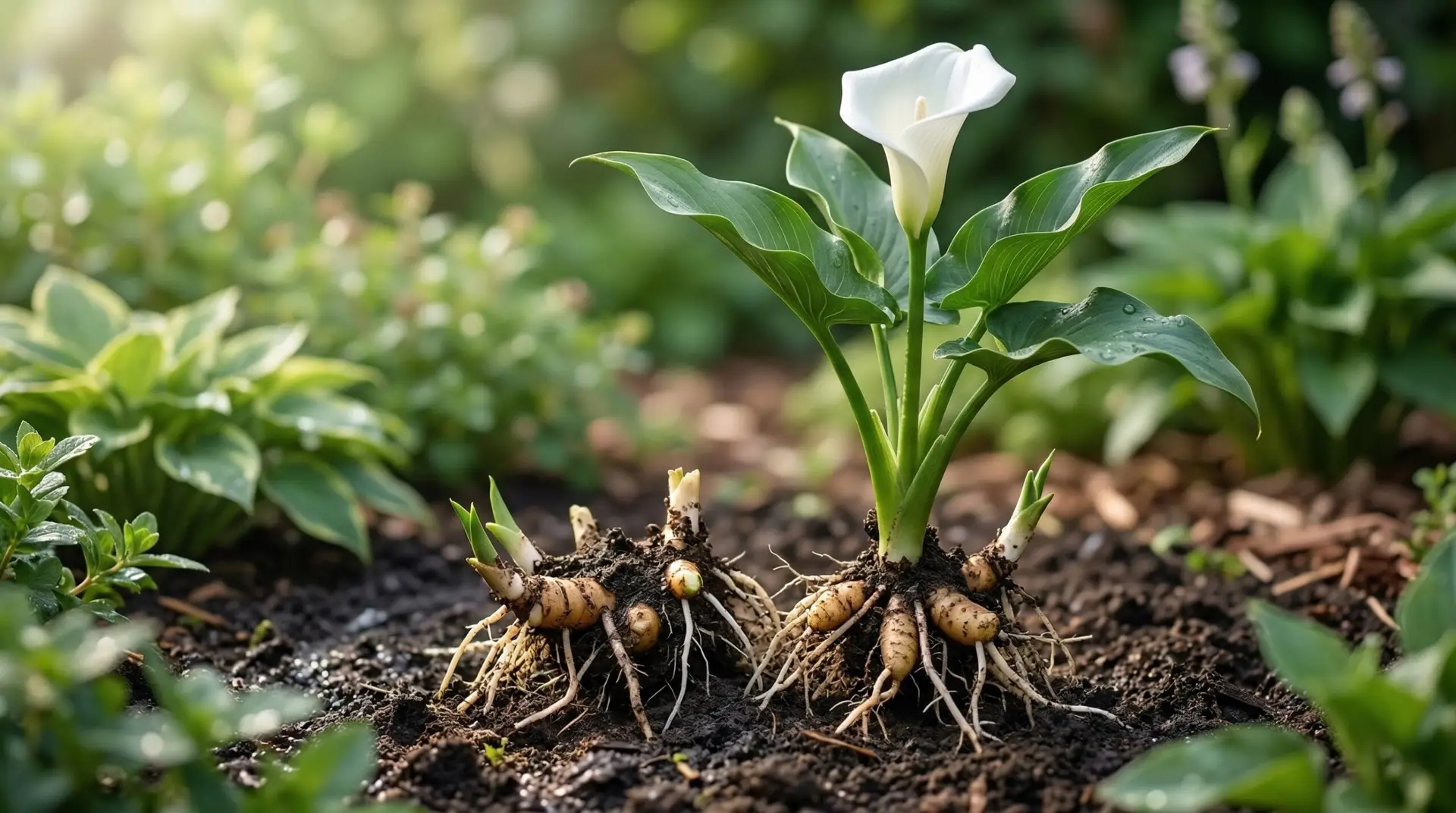
To successfully multiply your plants, we first need to look closely at what we are actually putting in the ground. Calla lilies do not grow from true bulbs like tulips or daffodils, nor do they have a standard branching root system. Instead, they grow from a rhizome, which is essentially a thick, modified stem that grows horizontally just below the soil surface. Think of a piece of fresh ginger from the grocery store, and you have a very accurate picture of what calla lily rhizomes look like, acting as a battery pack that stores all the water and carbohydrates the plant needs to push up leaves and flowers. As the plant grows through the summer, this underground battery gets larger and begins to form smaller side bumps called offsets. The size of the rhizome directly correlates to how much energy it holds, which determines whether the plant has enough power to produce flowers. A large, mature rhizome will give you multiple blooms, while a small offset might only produce leaves for its first year or two while it builds up its energy reserves. If you have ever grown Iris plants, you might recognize this exact same horizontal growth habit and the relationship between the thickness of the root and the quality of the flowers.
Knowing the right time for dividing calla lily plants
Timing your division correctly is about respecting the natural resting period of the plant. Calla lilies need a period of dormancy to reset their internal clocks and prepare for the next growing season. If you try to dig up and cut the plant while it is actively pushing out leaves or flowers, you interrupt its ability to photosynthesize and store energy. The best time for dividing calla lily plants is usually in the late winter or early spring, right before they wake up and begin new growth. In colder climates where the ground freezes, gardeners dig up their rhizomes in the fall to store them indoors over the winter, meaning you can do your dividing either right after digging them up or right before replanting them in the spring. In warmer climates where the plants stay in the ground year-round, you want to wait until the plant naturally dies back and rests, then dig it up in early spring before the new shoots emerge. This might seem contradictory if you are used to dividing perennials in the fall, but calla lilies are highly susceptible to cold, wet soil, and fresh cuts need warm, dry conditions to heal properly. It takes a season or two to get a feel for your specific climate and the exact right week to dig, and that is completely normal.
The physical process of separating the rhizome
When you are ready to divide, you will start by gently lifting the entire root mass out of the soil with a garden fork. You want to work slowly and dig a few inches wider than the plant to avoid slicing right through the hidden rhizomes. Once the plant is out of the ground, brush or wash off the excess dirt so you can clearly see the structure of the fleshy root. You are looking for “eyes,” which are small, pointed bumps or swollen buds on the top surface of the rhizome where the new leaves will emerge. Every piece you divide needs to have at least one healthy eye and a section of the fleshy rhizome to support it. You can often just grip the main rhizome and snap off the smaller side pieces with your hands, or you can use a clean, sharp knife to cut the main section into pieces. Much like dividing a Canna Lily, the most important step happens right after you make your cuts. You must leave the freshly divided pieces in a warm, dry, well-ventilated spot for a few days to let the cut surfaces dry out and form a tough skin, much like a scrape on your knee forming a scab to seal out bacteria and prevent the fleshy rhizome from rotting in damp soil.
Growing new plants from offsets and seeds
While dividing the fleshy underground stems is the most reliable way to get identical, blooming-size plants quickly, you can also multiply your collection using the small offsets or by starting from seed. When you dig up a mature plant, you will often find tiny, pea-sized or marble-sized bumps clinging to the sides of the main structure. These offsets can be broken off and planted in their own designated nursery bed or in small pots. They will likely not bloom for the first year or two because they lack the physical mass to support a flower, but they will grow leaves and slowly build their own energy reserves. For the patient gardener, calla lilies do produce seed pods inside the fading flowers, which eventually turn soft and yellow when ripe. You can clean the seeds from the pulpy berries and plant them in shallow trays of seed-starting mix. Growing from seed is a slow process that requires steady moisture and warmth, and it can take three or more years before the seedling develops a large enough rhizome to produce its first flower. Because seeds are the result of pollination, the resulting plants might look entirely different from the parent plant, giving you a completely unpredictable flower color.
The real secret to multiplying your garden is realizing that propagation is just managing the energy the plant has already collected. When you dig up a calla lily and separate its parts, you are simply giving those individual growth points the physical space and soil nutrients they need to expand into full-sized plants. Understanding how that fleshy underground stem functions takes the mystery out of the process. You are no longer just following a set of rules, but rather reading the plant, identifying its stored energy, and helping it do what it naturally wants to do. As you practice handling the rhizomes, spotting the eyes, and curing the cuts, you will build a practical intuition that applies to many different plants in your garden.
More About Calla Lily
Colorful calla lily varieties that go far beyond the classic white trumpet
How to grow calla lilies in pots indoors for elegant year-round blooms
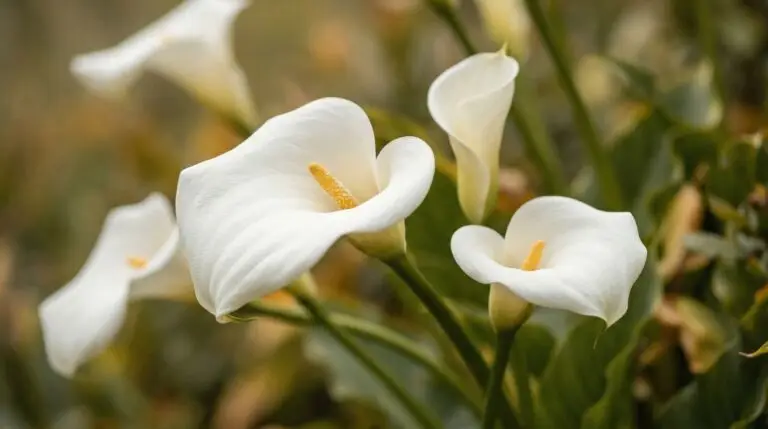
Calla lily color meanings and which shade to give for every occasion
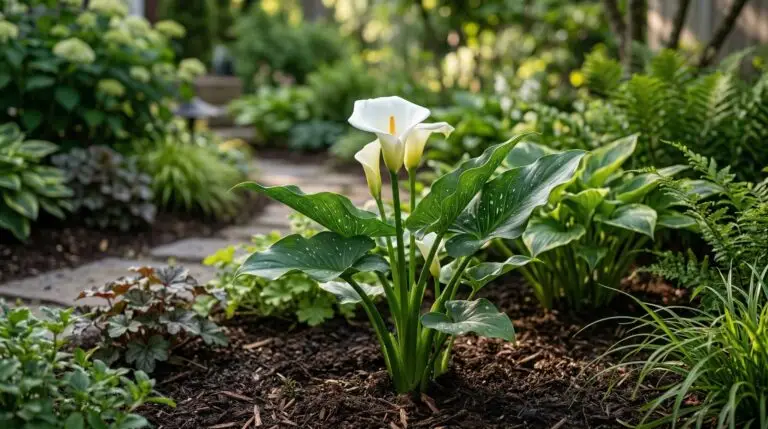
Growing calla lilies outdoors in garden beds as a summer focal point