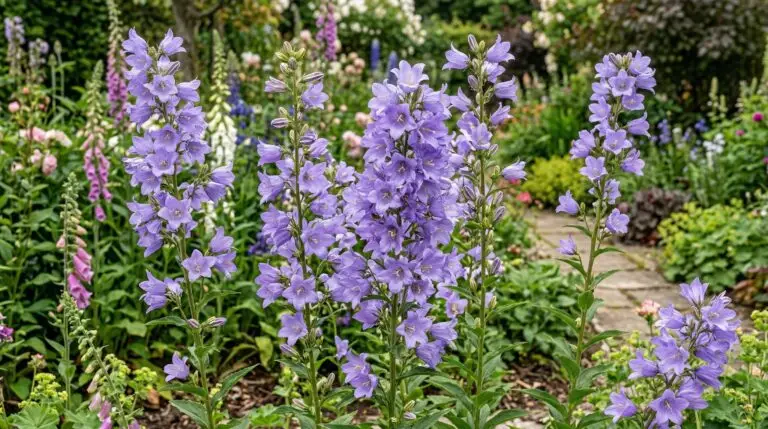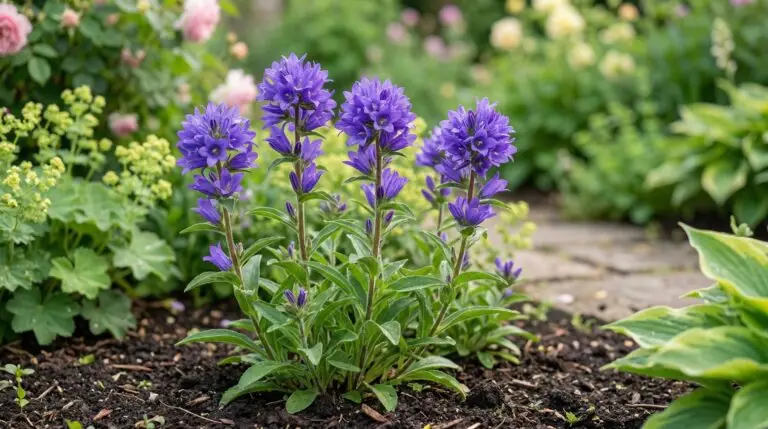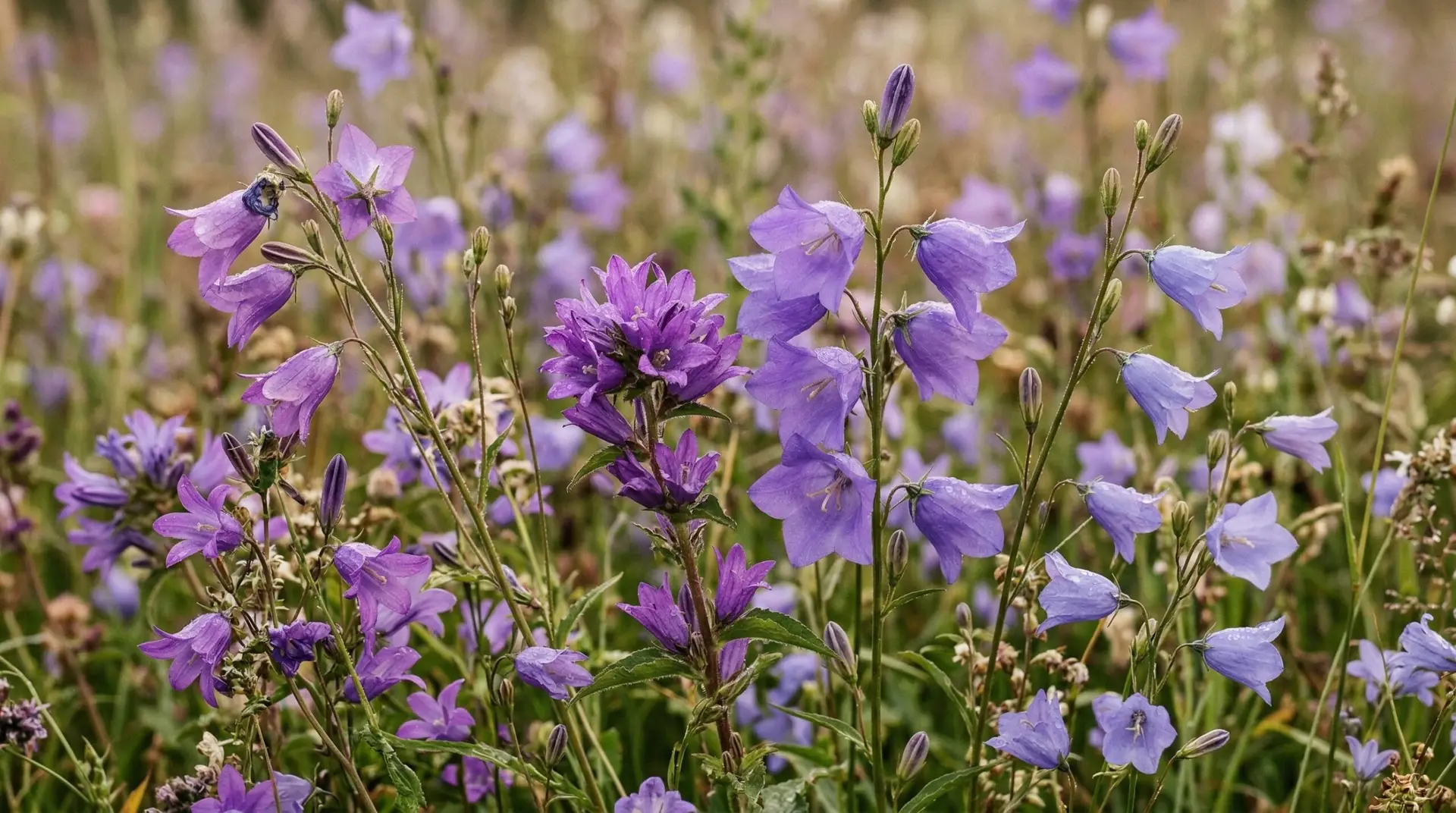
When you look closely at the reproductive structures inside a blooming Campanula, you are witnessing a highly choreographed mechanical sequence designed to prevent self-pollination. This mechanism is known as protandry, where the male pollen ripens and sheds before the female stigma opens to receive it. The pollen actually collects on specialized hairs along the style, waiting for visiting insects to brush against it and carry it away to an older flower. Only after the pollen is gone does the stigma split open into three receptive lobes, ready to accept genetic material from a different plant entirely. This precise evolutionary adaptation is just one of the fascinating biological traits shared across this massive botanical group. If you have ever wondered exactly how many campanula species exist in the wild, botanists currently recognize more than 500 distinct species distributed across the Northern Hemisphere. This staggering number makes it one of the largest genera in the plant kingdom, encompassing everything from tiny alpine creepers to towering meadow perennials.
Evolutionary adaptations of the bell shape
The characteristic floral structure that gives this group its common name is an evolutionary triumph of environmental engineering. The fused petals form a tubular or bell shaped corolla that points downward or outward in many species, a design that performs multiple ecological functions. In wet climates and alpine regions where sudden rains are frequent, this downward orientation acts as an umbrella, protecting the delicate pollen grains from washing away before pollinators arrive. The enclosed space also creates a microclimate that is slightly warmer than the surrounding air, providing a sheltered refuge for native bees and other insects during cool mornings. When a bee enters the flower, the acoustic properties of the bell can amplify the buzzing sound, which sometimes helps dislodge pollen in a process known as buzz pollination. Understanding this structural adaptation helps explain why these bellflowers hold up so well during summer storms in our gardens. The petals are physically fused to withstand mechanical stress from wind and rain, making them far more resilient than flowers with separate, easily detached petals.
Geographic distribution and habitat diversity
The sheer geographical spread of the campanula genus demonstrates its remarkable genetic plasticity and adaptability. While the highest concentration of species diversity occurs in the Mediterranean basin and the Caucasus mountains, these plants have successfully colonized habitats ranging from temperate woodlands to harsh alpine screes. Compiling a complete campanula species list is an ongoing challenge for taxonomists because new species are still being identified in remote mountain ranges, while others naturally hybridize where their territories overlap. In the high alpine zones, species like Campanula cenisia have evolved deep, fleshy taproots that anchor them into shifting rock crevices while storing starches to survive months under heavy snowpack. Conversely, woodland species like Campanula latifolia develop fibrous, spreading root systems adapted to rich, shallow leaf litter where competition for surface moisture is fierce. Recognizing these distinct evolutionary origins is highly practical for cultivation, as the deep rooted alpine types will quickly rot in heavy clay soils that hold winter moisture. The woodland species require constant surface moisture and will easily scorch if planted in the dry, exposed conditions favored by their mountain dwelling relatives.
Naming history and botanical taxonomy
The botanical nomenclature of this group traces back to the Latin word ‘campana’, which translates directly to bell, a reference to the dominant floral shape found across the genus. This naming convention was formalized by Carl Linnaeus in the eighteenth century, though herbalists and early botanists had been using variations of the name for hundreds of years prior. As the type genus for the entire Campanulaceae family, it sits at the center of a complex taxonomic web of related plants. You will often find these plants growing alongside other historically significant alpine species like the gentian, sharing similar harsh environments but utilizing completely different biological strategies for survival. While both groups produce vividly colored blue and purple flowers to attract high altitude pollinators, their internal floral mechanics and root structures evolved along entirely separate lineages. The specific epithets assigned to different species often provide direct clues about their biology or native habitat, with names like ‘rotundifolia’ referring to the round basal leaves that look completely different from the linear stem leaves above them. This variation in leaf shape on a single plant is called heterophylly, and it is a clever adaptation that allows the plant to maximize photosynthesis near the ground before sending up a streamlined, wind resistant flowering stalk.
Translating biology to the garden
Observing how these plants function in the wild completely changes how we manage them in a cultivated setting. The common bellflower you purchase at a local nursery still carries the genetic programming of its wild ancestors, dictating exactly what it needs to thrive. Species that spread via underground rhizomes, such as Campanula rapunculoides, evolved this aggressive vegetative reproduction to survive in highly competitive meadow environments where growing from seed was too risky. Knowing this biological fact explains why this particular species is nearly impossible to eradicate once established in a garden bed, as every tiny fragment of rhizome left behind contains the cellular blueprints to regenerate an entirely new plant. Other species are strict biennials, spending their first year building a low rosette of leaves to gather energy before pushing all their resources into a single, massive floral display the following year. Once they set seed, the parent plant dies, a biological life cycle that frustrates gardeners who expect them to behave like long lived perennials. When you understand the specific biological strategy your plant is using, you can mimic its natural environment through proper soil preparation and watering practices.
The next time you encounter one of these plants, look closely at the base of the flower where it meets the stem. You will find the ovary positioned below the attachment point of the petals and sepals, a botanical trait known as an inferior ovary. This structural arrangement places the developing seeds safely encased within the protective tissue of the receptacle, shielding them from hungry insects that might chew through the base of the flower. It is a brilliant evolutionary defense mechanism that ensures the next generation survives even if the visible flower is severely damaged. This hidden piece of anatomy, combined with the complex sex shifting of the reproductive organs and the precise engineering of the bell shaped corolla, reveals a plant that is far more than just a colorful garden ornament. Every curve of the petal and hair on the stem is a functional adaptation refined over millions of years of evolution.