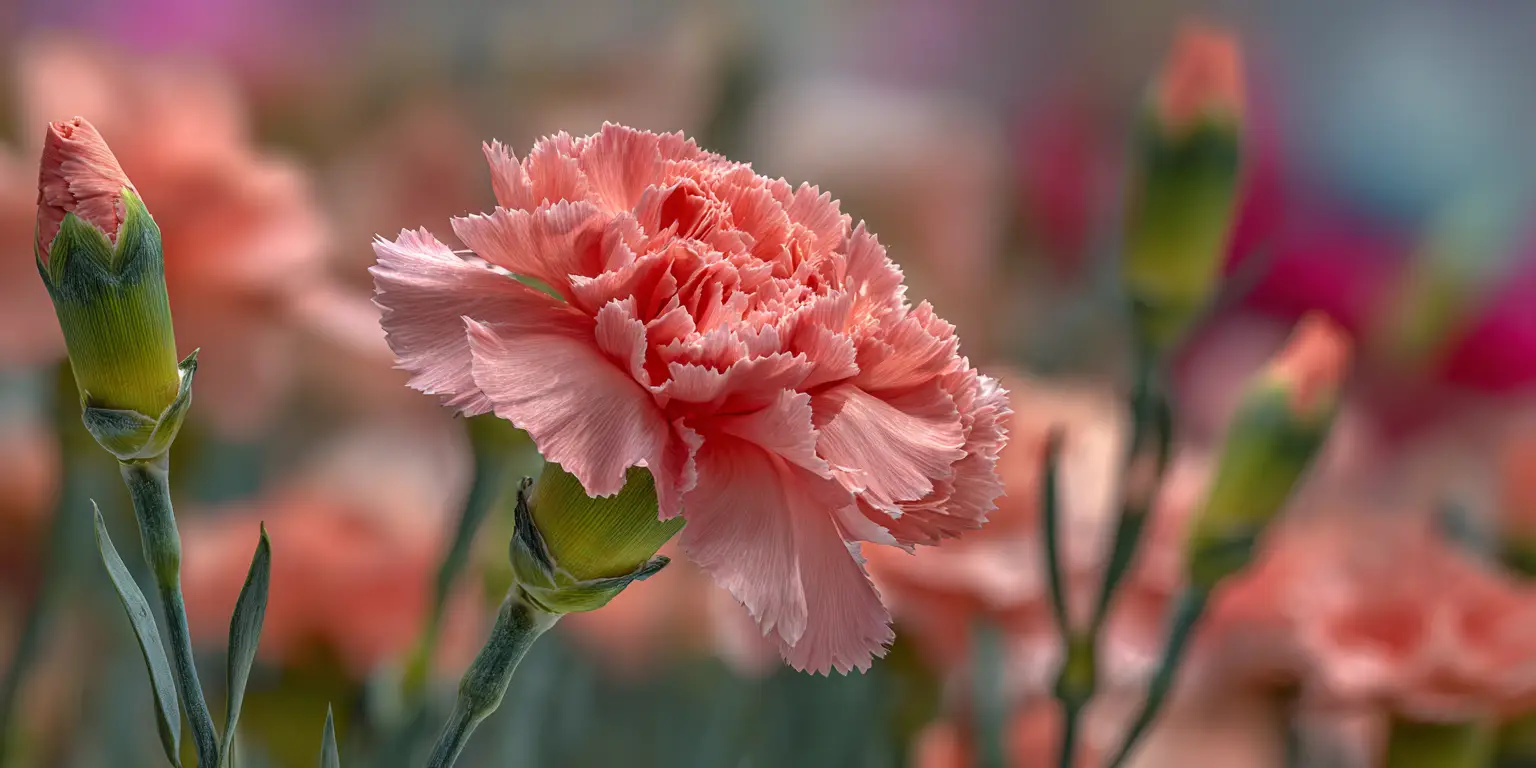
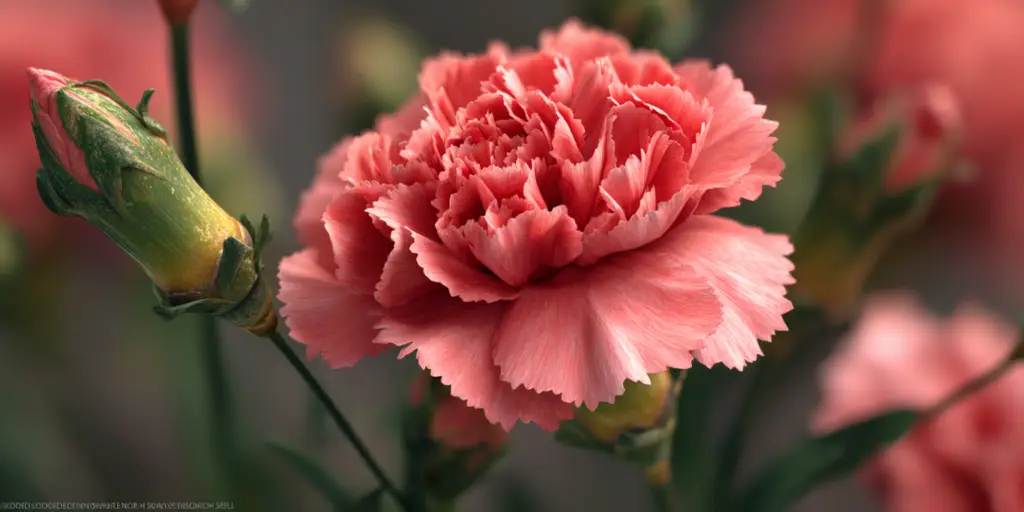
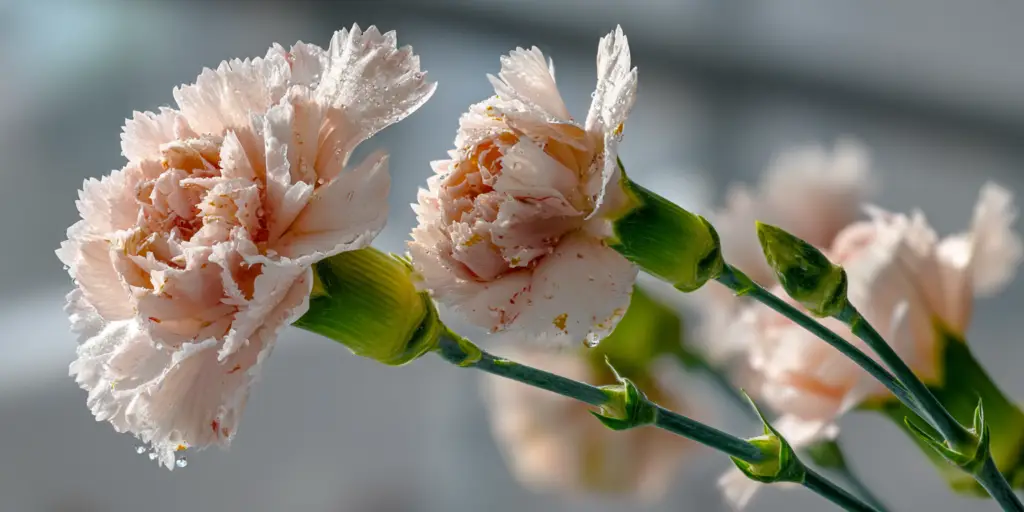
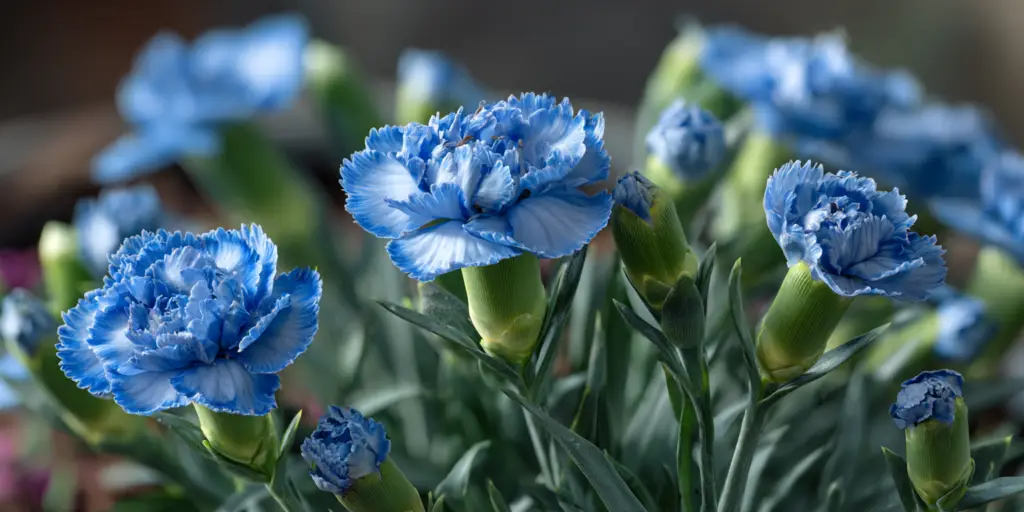
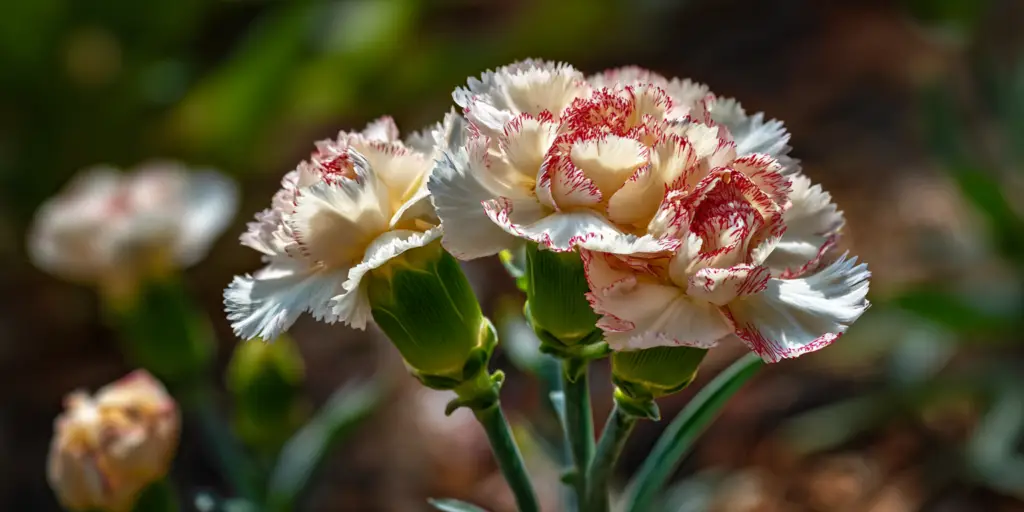
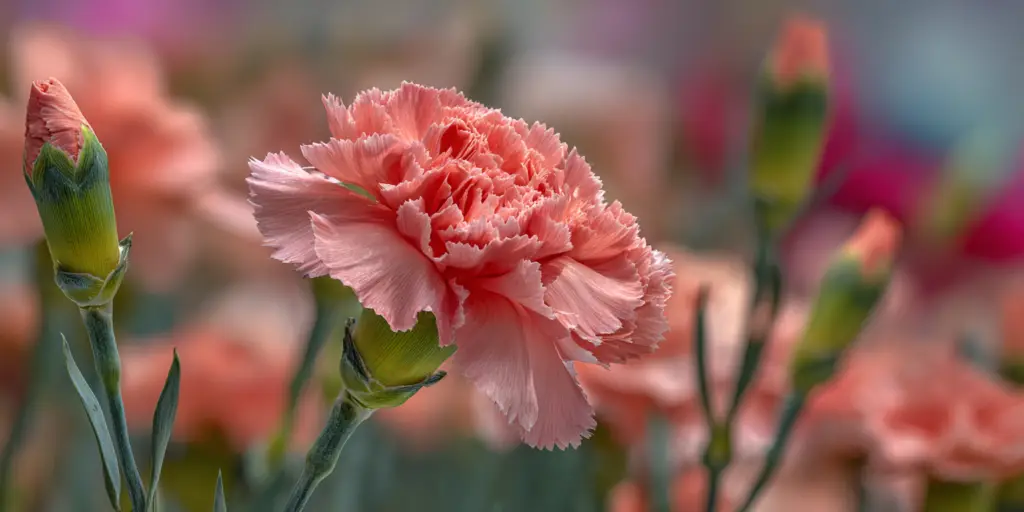
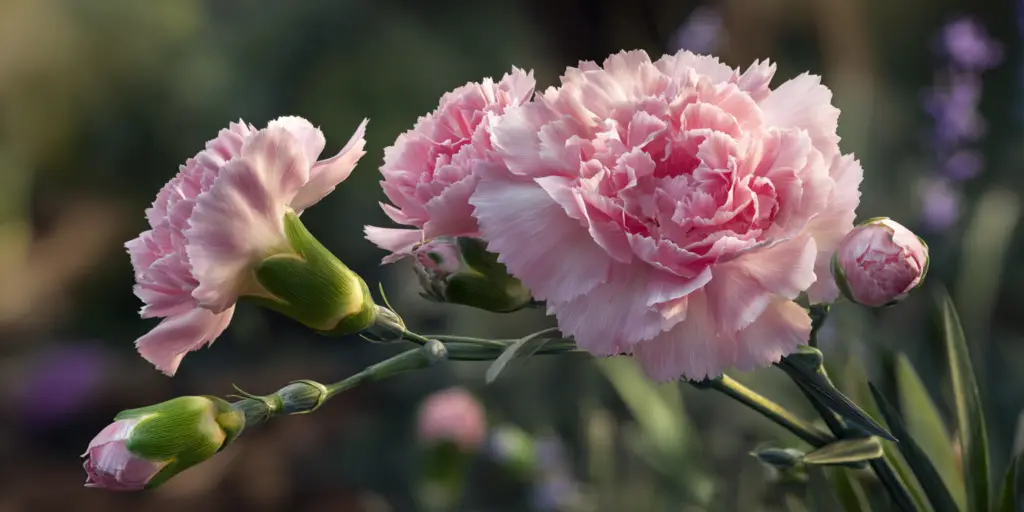
Perpetual Carnation is a commercial cut-flower class of Dianthus caryophyllus selected for long stems and repeat production under protected conditions. The term usually points to greenhouse or high-tunnel culture rather than true year-round outdoor flowering in most of North America. These plants are managed for continuous harvest, and temperature control is a major reason they perform well under glass. Many well-known commercial lines prioritize uniform form and shipping quality. Outdoors, perpetual types can flower through summer in mild climates, but heat and humidity often reduce quality. Like other carnations, they are strongly sensitive to ethylene gas, which shortens display life.
At‑a‑glance
Group/Class: Perpetual (greenhouse cut) carnation type
Height × spread: 3-4 ft (0.9-1.2 m) × 6-12 in (15-30 cm)
Bloom window: year-round under glass; summer outdoors in mild climates
Color & flower form: large, double blooms on long stems; many colors
Fragrance: 0-1 (varies by cultivar)
USDA hardiness: 6a-9b (often grown as an annual; heat limits outdoor success)
Breeder / Year / Origin: unknown / varies by cultivar
Cut-flower notes: store near 32-34°F (0-1°C); protect from ethylene sources
Pet safety: avoid
How it differs
Built for continuous greenhouse production, not seasonal garden display.
Longer stems and more intensive pinching, staking, and bud management.
More dependent on temperature control for top flower quality.
Cut-flower handling constraints are stricter because of ethylene sensitivity.
Strengths
Long stems for arrangements and event work.
Can produce repeatedly under protected culture.
Tight buds can be opened later with correct handling.
Consistent bloom form in commercial lines.
Care in one minute
Provide full sun and strong airflow, and avoid stagnant humidity.
Use well-drained media with neutral to slightly alkaline pH.
Water consistently, and keep foliage as dry as practical.
Feed in small, regular doses during active production.
Pinch for branching, stake early, and manage buds based on your stem goals.
In most climates, grow as a seasonal crop or overwinter under protection.
Watch‑outs
Performs poorly in high heat, especially with humidity.
Botrytis risk rises in dense, humid greenhouse conditions.
Ethylene exposure causes rapid petal decline.
Requires support, training, and regular grooming for best stems.
Best uses (tags)
cutting, greenhouse, long stems, event flowers, cool-season production
Provenance note
Regulatory and horticultural summaries distinguish older “border” forms from “perpetual” cultivars that are managed for continuous production under protection in the cut-flower industry.
Written by: Your Flowers Guide editorial team We are a small independent group of flower lovers who research and review each guide using trusted horticultural and educational sources. Learn more about us