By the time the weather warms up and the garden starts waking from winter dormancy, many gardeners look at their older perennial clumps and wonder why they seem less vigorous than the year before. Chrysanthemums are notorious for this behavior, often developing a bare, woody spot right in the middle of the plant while only the outer edges push up fresh green leaves. Understanding why this happens is the secret to keeping your plants healthy and full of blooms year after year. When you look at a mature clump, you are actually looking at a plant that is trying to slowly walk away from its original planting spot in search of fresh soil and nutrients. Learning how to intervene in this process allows you to multiply your plants while completely rejuvenating the original root system.
The biology behind a spreading root system
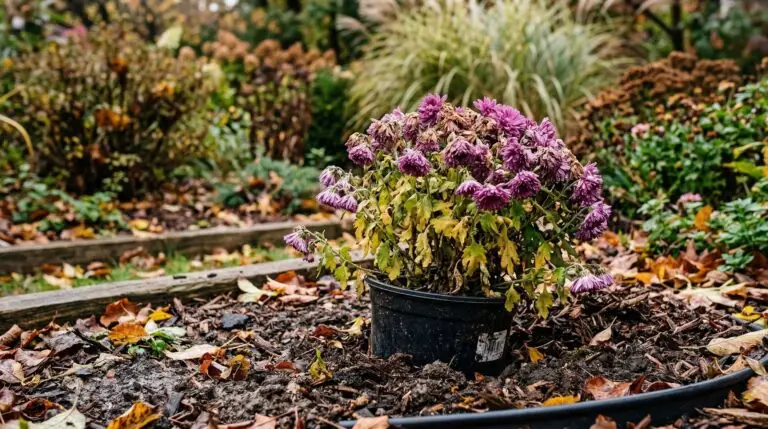
To understand why chrysanthemum division is necessary, we need to look at how the plant grows beneath the soil surface. Like a daylily, a chrysanthemum expands outward from its original crown by sending out shallow underground stems called rhizomes. As these rhizomes travel outward, they push up new shoots at the perimeter of the plant, creating a continuously expanding circle of growth. Over a few years, the original central root system exhausts the nutrients in its immediate area and becomes densely packed and woody. This old center eventually loses its ability to produce new shoots, leaving you with a plant that looks like a donut with a dead, empty hole in the middle. By digging up the plant and separating the healthy outer pieces, you are essentially rescuing the vigorous new growth and giving it the space it needs to thrive.
Choosing the right moment for spring division
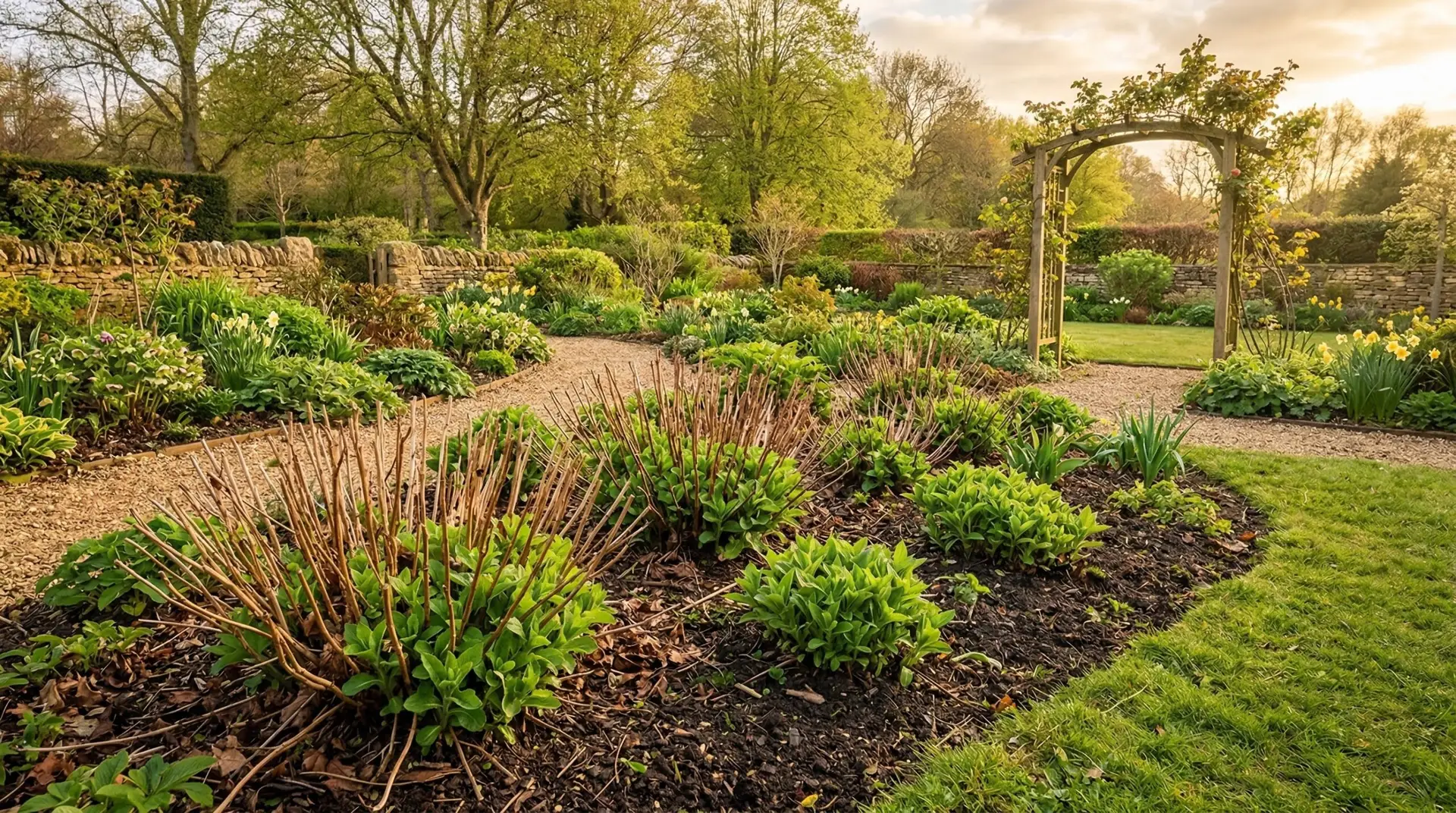
Timing is everything when it comes to dividing perennials, and chrysanthemums have a very specific window where they respond best to being disturbed. You want to wait until early spring when the plant has just started to wake up and the new green shoots are about one to three inches tall above the soil line. If you try to do this in the fall when the plant is blooming, you interrupt the plant’s ability to store energy for winter survival, which often leads to the entire clump dying when the ground freezes. Spring division works so well because the plant is already in its active growth phase, pumping energy upward and outward to build new roots and leaves. The cool spring weather also means the newly separated pieces will not lose moisture to hot summer sun while they are trying to establish themselves in their new locations. Waiting for these exact conditions ensures your plants recover quickly and suffer minimal transplant shock.
The physical process of digging and separating
When you are ready to begin, the first step is to dig up the entire clump rather than trying to slice pieces off while it is still in the ground. Use a sharp spade to cut a wide circle around the perimeter of the plant, going deep enough to get under the main root mass, and lift the whole thing out of the soil. Once the plant is out of the ground, you can clearly see the difference between the dead, woody center and the soft, fleshy outer roots that are attached to the new green shoots. Splitting chrysanthemums requires you to physically break this large clump apart, which you can do by pulling it with your hands or using a sharp knife to cut through the tough connecting roots. Your goal is to isolate small clusters of three to five healthy green shoots, making sure each cluster has a good mass of fibrous roots attached to its base. Do not worry if you break a few roots in the process, because the plant is remarkably resilient at this stage of its growth cycle.
Replanting and feeding the new divisions
After you have separated the healthy outer sections, you must be completely ruthless and throw the old woody center into the compost bin. This might seem wasteful to a beginner, but that old center has exhausted its cellular ability to push new growth and will only take up space in your garden bed. Treat each of your new, smaller divisions as an entirely new plant, digging a fresh hole and mixing in a generous handful of compost to loosen the soil and provide gentle nutrition. Think of compost as a sponge, holding moisture right at the root zone where the newly separated plant needs it most while it recovers from the shock of being moved. Plant the divisions at the exact same depth they were growing previously, spacing them about eighteen to twenty-four inches apart so they have plenty of room to expand over the next few seasons. Giving them this extra room prevents competition for water and allows proper air circulation around the future foliage.
First year management and care
The first few weeks after dividing mums are important for root establishment, so you need to keep the soil consistently moist but never completely waterlogged. Because the root system was just severed from its main energy source, the plant needs ready access to water to keep those tender green shoots from wilting in the spring breeze. About two weeks after replanting, when you see the shoots start to grow taller, you can apply a balanced, water soluble fertilizer to give the plants an extra boost of energy. This early feeding encourages the roots to branch out into the surrounding soil, anchoring the plant firmly before the heat of summer arrives. Just like an aster, a newly divided chrysanthemum will spend its first few months focusing entirely on root and foliage growth, setting the stage for a massive display of flowers later in the year. You will likely need to pinch the growing tips back a few times before midsummer to encourage a bushy shape, but the vigorous new root system will easily support this rapid growth.
Learning to read the growth patterns of your plants takes a season or two to get a feel for, and that is completely normal for any gardener. When you understand that the center of the clump naturally dies out as the plant searches for new territory, the act of digging and separating becomes a logical step in garden maintenance rather than a random chore. You are simply stepping in to help the plant do what it is already trying to do, which is to move away from depleted soil and establish itself in fresh ground. By making this process a regular part of your spring routine every two or three years, you ensure your plants maintain their vigor and resist diseases more effectively. Ultimately, dividing your plants is the most reliable way to maintain their health and ensure they produce a consistently thick canopy of blooms season after season.