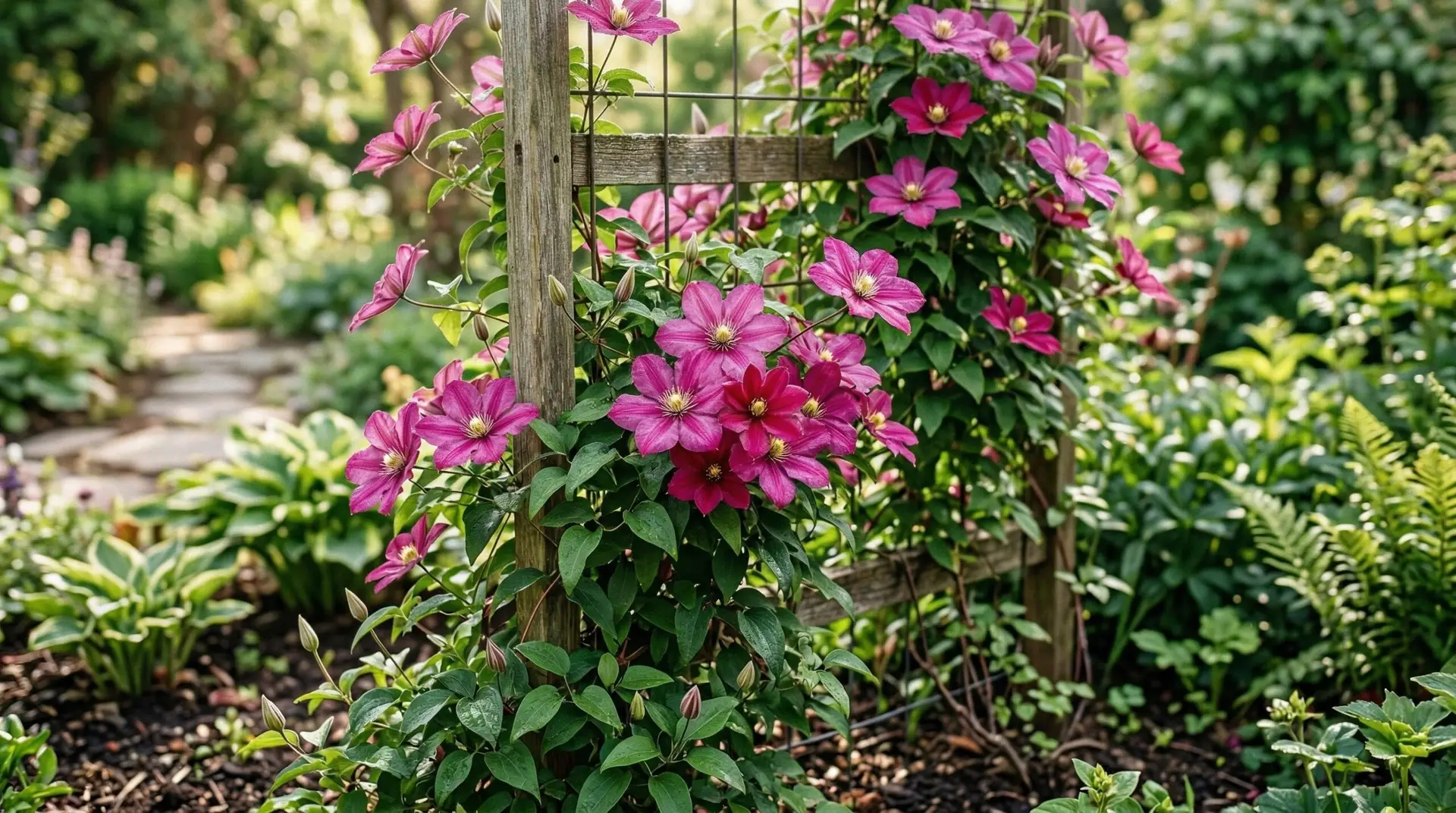
Spring arrives and the garden centers fill up with massive trellises carrying climbing vines that look ready to swallow a house. Those giant vines are beautiful, but they quickly turn into a tangled nightmare when planted in a tiny courtyard or a narrow side yard. The good news is that breeders have spent the last few decades developing a compact clematis that thrives without needing a ten-foot wall to climb. These smaller varieties deliver the exact same saucer-sized blooms as their wilder cousins, just on a much shorter, more manageable plant. Finding the right clematis for small garden spaces means you can have vertical color on a patio, a balcony, or a simple front yard post.
The trick to growing these smaller vines is understanding that they still have the exact same basic needs as the giant varieties. They all want their roots kept cool and their top growth bathed in sunlight. A common mistake is planting a delicate new vine in a hot, baked spot without protecting the base, which usually results in crispy leaves by July. The old gardening rule of “feet in the shade, head in the sun” applies perfectly here. Placing a flat rock over the root zone or planting a low ground cover around the base works wonders to keep the soil temperature down.
Contents 4 sections
Choosing the right compact clematis varieties
Not every vine labeled as a climber will actually stay small, so picking the right specific variety saves a lot of frustration later. The Boulevard series is a fantastic place to start because these plants were bred specifically to max out around three to four feet tall. They bloom heavily from the ground up, unlike older varieties that only produce flowers at the very top of a tall bare stem. Another incredibly reliable choice is Piilu, which produces beautiful two-toned pink flowers and stays well under six feet. For the absolute smallest spaces, Bijou is a true dwarf that only grows about two feet long, making it perfect for hanging baskets or tumbling over the edge of a raised bed.
When buying these plants, the nursery pots often look a bit sad and twiggy, which is completely normal for early spring clematis. Do not pass up a healthy root system just because the top looks like a dead stick. Once planted, these vines sometimes experience a period of shock where they seem to do nothing for a full month. The roots are simply getting established underground before pushing out new green growth. Gardeners in the South may find that these compact varieties prefer morning sun and afternoon shade to prevent the flowers from fading too quickly in intense heat. In northern zones, full sun all day is usually fine and actually helps encourage a heavier flush of blooms.
Setting up a clematis in container
Growing a clematis in container requires a little more planning than just tossing potting soil into a bucket. These plants develop deep, fleshy root systems, so the pot needs to be at least eighteen inches deep and equally wide. A cheap plastic nursery pot works perfectly if you drop it inside a heavier, more decorative ceramic pot. This double-potting method creates a layer of insulating air between the two pots, which keeps the roots much cooler during the summer heat. Make sure both pots have excellent drainage holes, because standing water will rot the roots faster than almost any other mistake.
The soil mix in these containers needs to be rich but very well-draining to mimic the loose woodland soil these plants naturally prefer. Mixing standard potting soil with a generous handful of perlite and some compost gives the roots exactly what they need to thrive. To keep the soil surface cool, many gardeners plant shallow-rooted annuals around the base of the vine. A trailing plant like Sweet Alyssum is an excellent living mulch that shades the soil without competing for deep water. Feeding the container with a basic tomato fertilizer once a month during the growing season keeps the flowers coming, as clematis are notoriously heavy feeders.
Training a clematis mailbox and lamp post
Turning a bare metal post into a column of flowers is a classic neighborhood goal, but vines cannot grip smooth surfaces on their own. Creating a clematis mailbox display requires giving the leaf stems something very thin to wrap around. Thick wooden trellises actually frustrate these plants, because their delicate leaf petioles can only grasp wire or string that is less than a quarter inch thick. Wrapping the post in cheap chicken wire or running vertical lines of clear fishing line from the top of the post to the ground provides the perfect climbing structure. You will need to gently guide the new shoots toward the wire for the first few weeks, tying them loosely with soft twine if necessary.
Once the plant finds the support, it will quickly pull itself upward and start filling out the space. If you have ever grown Morning Glories, you know how aggressively some vines can swallow a structure, but compact clematis are much more polite. They will wrap neatly around a lamp post without invading the light fixture or creeping into the mailbox hinges. It is entirely normal for the bottom foot of the vine to lose its lower leaves and look a bit woody by late summer. Planting a medium-sized perennial right in front of the post easily hides these bare ankles while the top of the vine continues to bloom.
Winter care and pruning for small spaces
Winter survival in pots can be tricky, especially in regions that experience deep freezes and thawing cycles. The roots are much more vulnerable above ground than they would be planted in the garden beds. In colder climates, dragging the heavy pot into an unheated garage or shed after the plant goes dormant protects the roots from freezing solid. If moving the pot is impossible, wrapping the outside of the container in bubble wrap or burlap provides a decent layer of insulation. Southern gardeners usually do not need to worry about freezing pots, but they should make sure the winter rains are draining properly so the dormant roots do not sit in cold mud.
Pruning often terrifies beginners, but compact varieties are generally very forgiving if you follow a simple routine. Most of these smaller vines belong to pruning group two or three, meaning they either bloom on old and new wood, or just on new wood. A foolproof approach for the Boulevard series and plants like Piilu is to simply cut the entire vine back to about twelve inches tall in late winter or early spring. You will see swollen leaf buds on the lower stems, and making your cut just above a healthy pair of buds encourages the plant to branch out. This hard pruning keeps the vine dense and bushy, preventing it from turning into a stringy mess at the top of your trellis.
Gardening in tight spaces always involves a bit of trial and error, and sometimes a plant simply refuses to thrive in the spot you picked out. A container vine might struggle for a year before you realize it needs to be moved to a slightly sunnier corner of the patio. The beauty of growing in pots is that you can literally pick up your mistakes and move them somewhere better. Give a newly planted clematis at least two full growing seasons before deciding it is a failure, as they are notoriously slow to settle in. When that first massive, star-shaped flower finally opens right at eye level by your front door, the wait is entirely forgotten.
More About Clematis
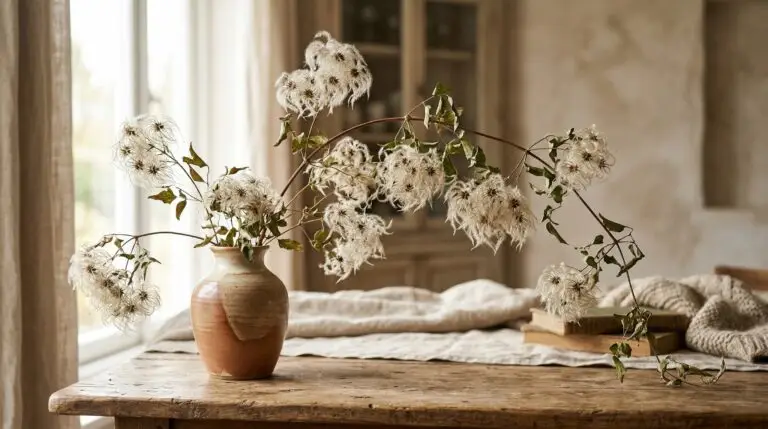
Clematis seed heads as winter garden interest and dried flower arrangements
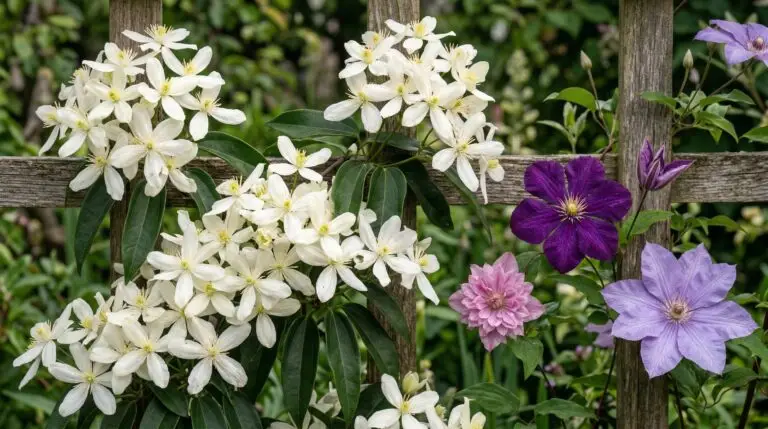
Evergreen clematis varieties that keep your garden looking alive through winter
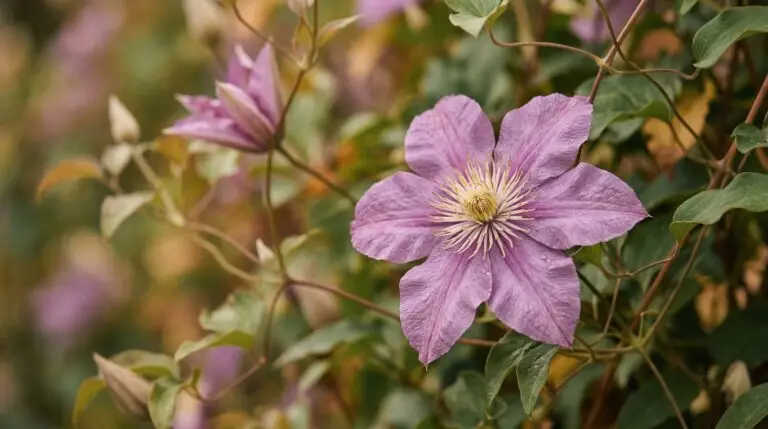
Clematis flower meaning and the symbolism of the traveller’s joy vine

Understanding clematis pruning groups so you never accidentally cut off your blooms
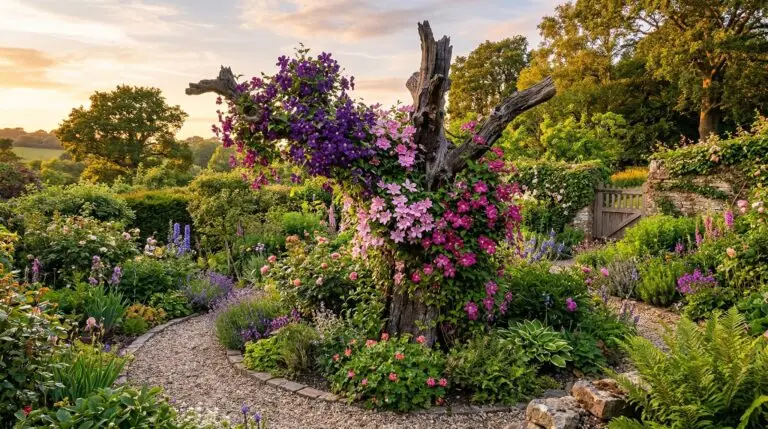
Growing clematis on trees for a naturalistic look inspired by woodland climbing vines
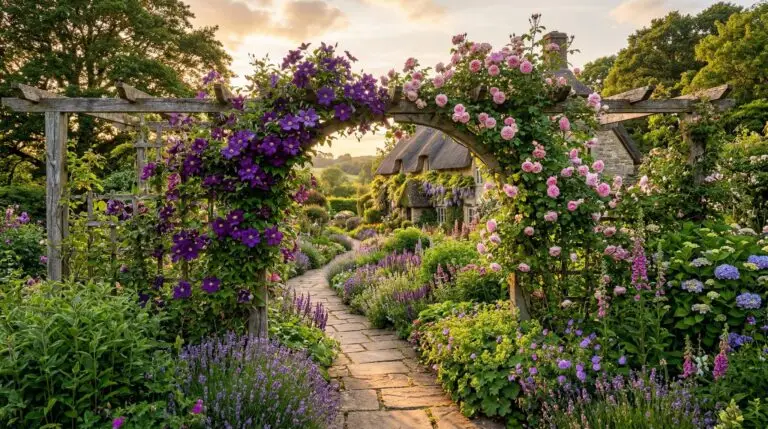
How to grow clematis and roses together on the same trellis for a stunning combination
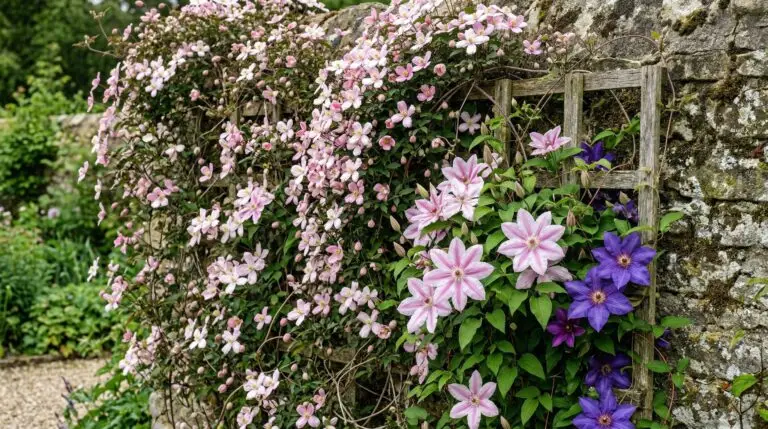
Best clematis varieties for covering fences and trellises with walls of flowers
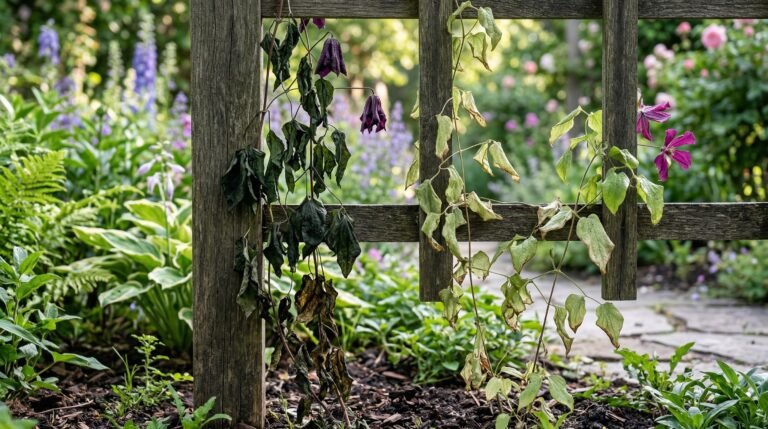
Why clematis is wilting and how to diagnose and treat clematis wilt disease
Enjoying our flower guides? Add YourFlowersGuide as a preferred source on Google. It helps more readers find us.
Add to Preferred Sources