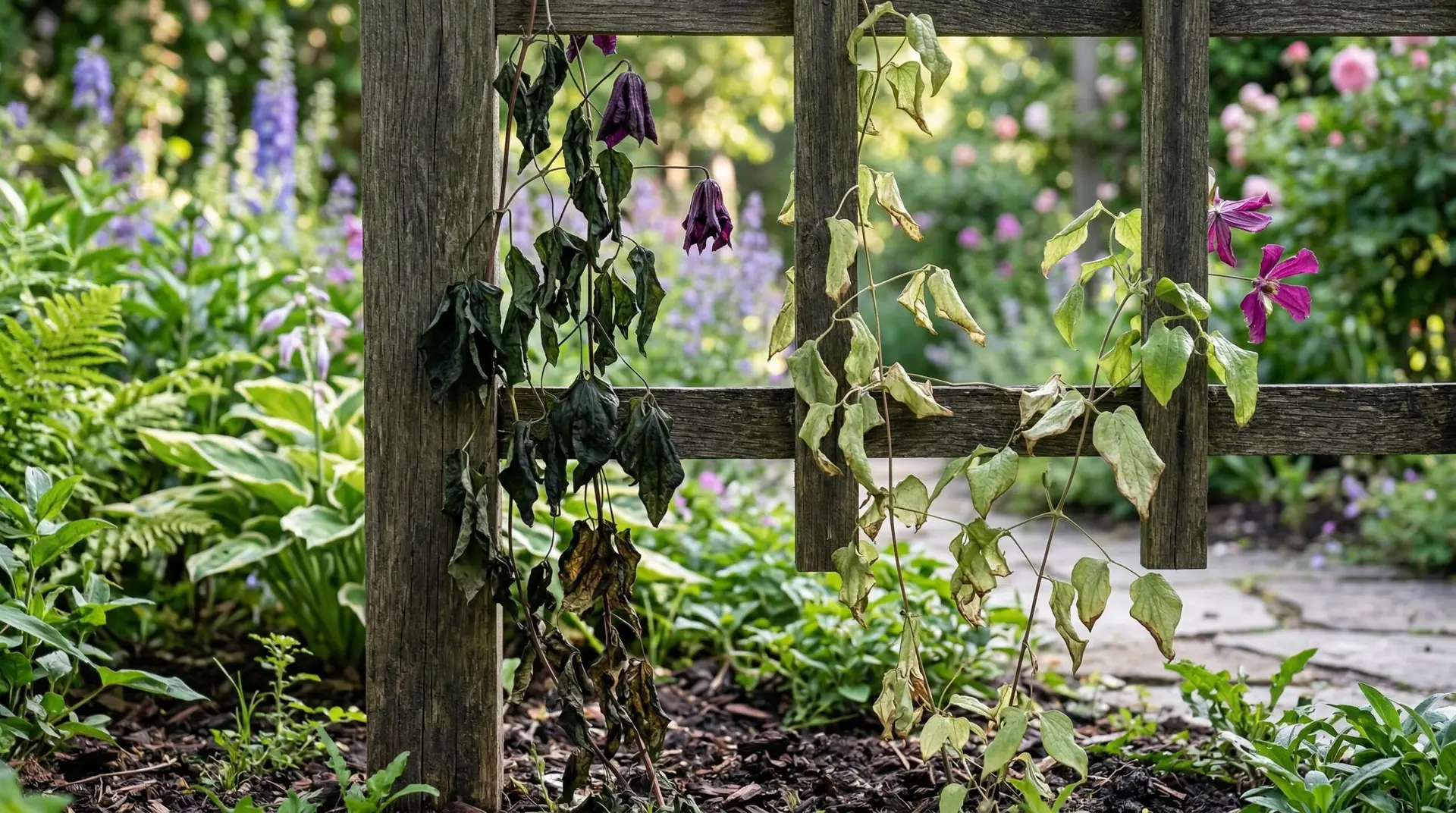
Gardeners often walk outside on a warm morning to find their previously healthy clematis vine hanging limp and completely collapsed. This sudden transformation from a vigorous climber to a shriveled mess is the hallmark of clematis wilt, a problem that frustrates both beginners and experienced growers. You are likely here because you just discovered a blackened, drooping vine and want to know if the plant is entirely dead. The immediate shock makes people want to rip the entire rootball out of the ground and throw it away. I have seen countless gardeners destroy perfectly viable root systems because they misunderstood what this disease actually does to the plant. The good news is that your vine is probably going to survive if you take the right steps and understand exactly what is happening inside those stems.
Contents 4 sections
Differentiating true wilt from environmental stress
Before you start cutting away at your plant, you need to confirm whether you are dealing with a fungal infection or a simple watering issue. True clematis wilt is caused by a specific fungus that typically attacks the large-flowered hybrid varieties just as they are preparing to bloom. When this fungus infects the plant, it usually targets one or two specific stems at a time rather than the entire plant all at once. The leaves on the affected stems will turn black and the stems will collapse rapidly, often within a single day. If your entire plant is drooping slightly but the leaves are still green and pliable, you are likely looking at heat stress or dry soil rather than a disease. You can test this by watering the base of the plant deeply and waiting a few hours to see if the foliage perks back up.
When true clematis wilt occurs, it means the fungus has entered the stem through a small wound and multiplied inside the vascular system. This internal fungal growth physically blocks the tubes that transport water from the roots to the leaves. Because the water supply is entirely cut off at the point of infection, the upper portion of the vine starves and collapses completely. This cause-and-effect relationship explains why watering a wilted vine does absolutely nothing to fix the problem. The damage is mechanical in nature, much like a kinked garden hose, and the only solution is to physically remove the blocked section. The fungus thrives in humid conditions and often enters where the brittle stems have rubbed against a trellis or snapped in the spring wind.
Taking immediate action when stems collapse
The treatment for this disease requires a heavy hand and a willingness to sacrifice the current season of flowers. You must trace the collapsed stem all the way down to a point where the tissue is firm, green, and completely healthy. In most cases of severe wilt, you will need to cut the affected stem all the way back to the soil line. You cannot save the drooping foliage, and leaving the infected material attached will only allow the fungal spores to spread to neighboring stems or nearby plants. Make sure you wipe your pruning shears with rubbing alcohol between every single cut so you do not accidentally introduce the fungus to healthy tissue. Just as you might aggressively prune a diseased rose bush to save the main plant, you have to be ruthless with infected clematis stems.
After you remove the dead vines, you will need a significant amount of patience because the recovery process is entirely invisible. The fungus responsible for clematis wilt almost never travels down into the root system of an established plant. The roots remain alive and healthy under the soil, gathering energy to push out new growth when the conditions are right. Sometimes the plant will send up fresh green shoots within a few weeks of the severe pruning. In other cases, the plant will remain completely dormant for the rest of the summer and will not reappear until the following spring. You must resist the urge to dig up the spot, as disturbing the rootball will destroy the fragile new buds forming below the surface.
Planting techniques to guarantee survival
The best way to manage clematis wilt is to prepare for it on the day you put the plant in the ground. When you plant a new clematis, you must bury the crown two to three inches below the surface of the soil. This deep planting method acts as an insurance policy against the wilt fungus by keeping several dormant leaf nodes safely underground. If the fungus attacks the above-ground stems and you have to cut the plant down to the dirt, those buried nodes will eventually sprout and replace the lost vines. Gardeners who plant their clematis level with the soil surface often lose the entire plant permanently when the wilt strikes the main basal stem. Burying the crown feels wrong if you are used to planting trees or shrubs, but it is an absolute requirement for these specific vines.
Good cultural practices will also help keep the stems strong and less susceptible to the microscopic wounds that invite the fungus inside. These vines require a cool root zone and consistent moisture to maintain their internal water pressure, much like a Hydrangea macrophylla needs steady water during the heat of summer. You should apply a thick layer of organic mulch around the base of the plant to keep the soil temperatures low and retain moisture. You must also tie the growing stems securely to their support structure as they climb. Loose stems whip around in the wind, creating tiny cracks and creases in the outer tissue where fungal spores easily take hold. Keeping the plant properly watered and physically secure eliminates the primary entry points for the disease.
Choosing vines that resist fungal attacks
If you live in an area with high humidity and constantly battle this disease, you might need to change the types of vines you grow. The large-flowered early blooming hybrids are notoriously vulnerable to clematis wilt, and growing them will always involve some level of risk. You can avoid this frustration entirely by planting varieties from the viticella group or the integrifolia group instead. These small-flowered types are naturally resistant to the wilt fungus and almost never suffer from the sudden collapse that plagues the large hybrids. While the individual blooms are smaller, these resistant vines produce hundreds of flowers at a time and provide a much more reliable display year after year. Switching to resistant varieties is the smartest move for a gardener who wants vertical color without the constant threat of disease.
The single most useful piece of advice I can give anyone dealing with clematis wilt is to treat the plant like a perennial rather than a woody shrub. When the top dies back from disease, understand that the core of the plant is still safe underground waiting for its next opportunity to grow. Mark the spot with a stake so you do not accidentally dig into the root zone while planting other things later in the season. Keep watering the bare spot during severe droughts to keep the hidden root system alive. If you planted the crown deeply and removed the diseased stems promptly, your vine will almost certainly return. Trust the resilience of the root system and give the plant the time it needs to rebuild itself.
More About Clematis
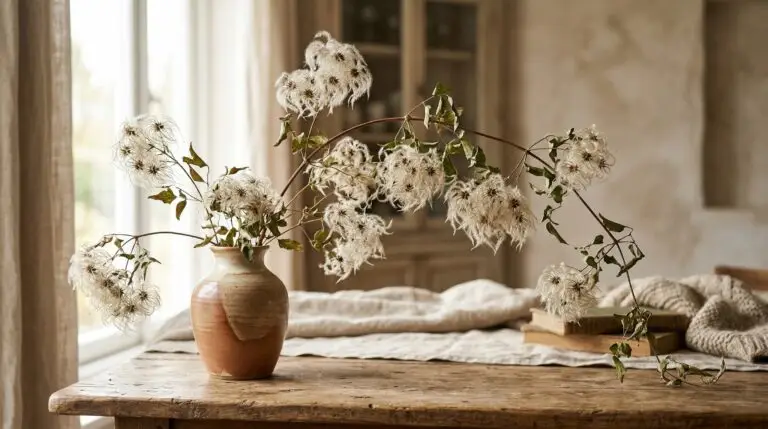
Clematis seed heads as winter garden interest and dried flower arrangements
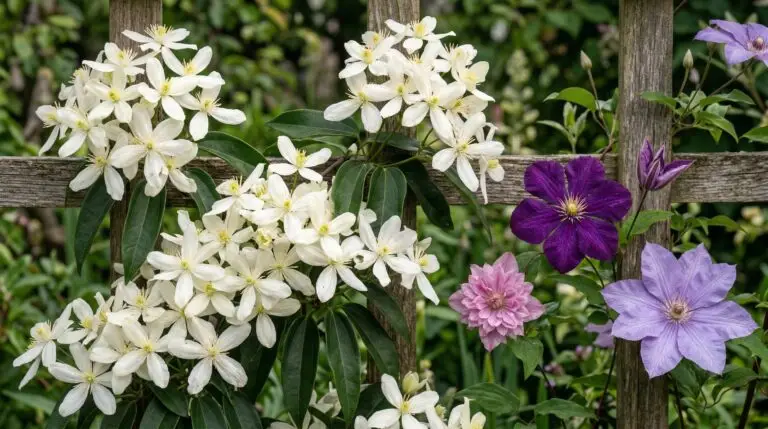
Evergreen clematis varieties that keep your garden looking alive through winter
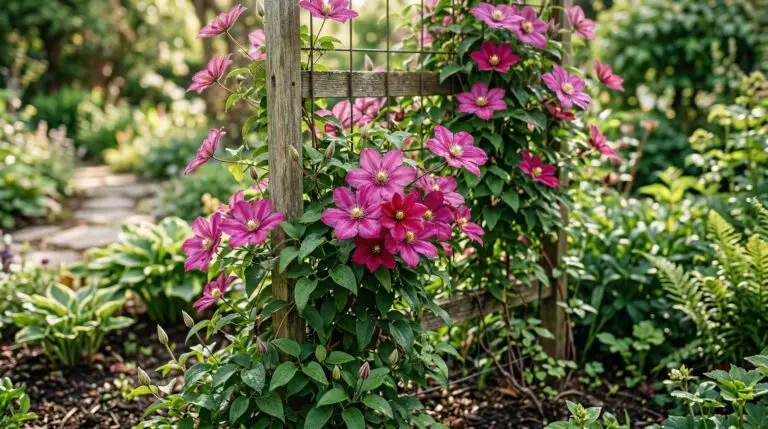
Small-space clematis varieties perfect for containers mailboxes and small trellises
Clematis flower meaning and the symbolism of the traveller’s joy vine

Understanding clematis pruning groups so you never accidentally cut off your blooms

Growing clematis on trees for a naturalistic look inspired by woodland climbing vines

How to grow clematis and roses together on the same trellis for a stunning combination
Best clematis varieties for covering fences and trellises with walls of flowers
Enjoying our flower guides? Add YourFlowersGuide as a preferred source on Google. It helps more readers find us.
Add to Preferred Sources